
Wamkelekile, Welkom
‘Teach what’s in front of you’
16 March 2026 | Story Kamva Somdyala. Photos Lerato Maduna. Read time 4 min.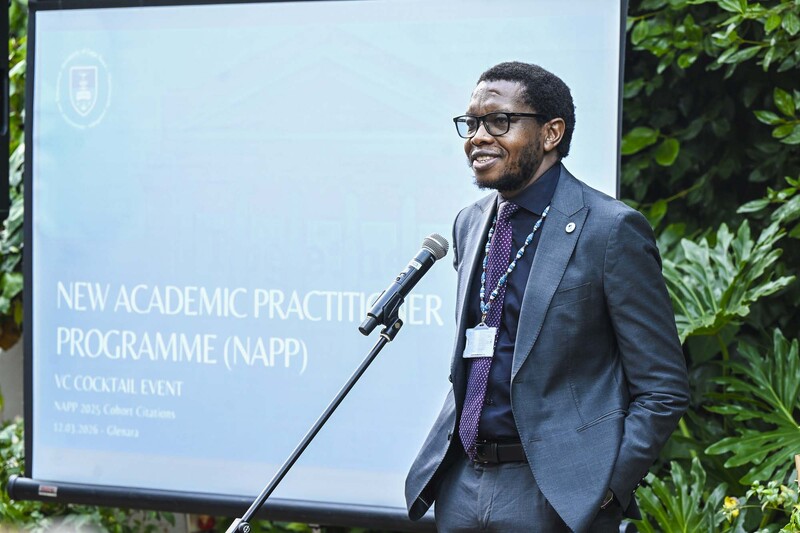
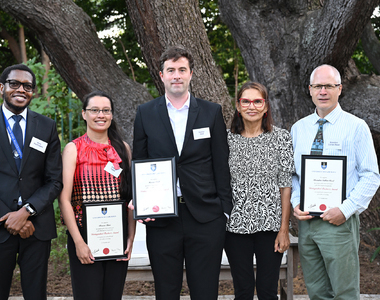
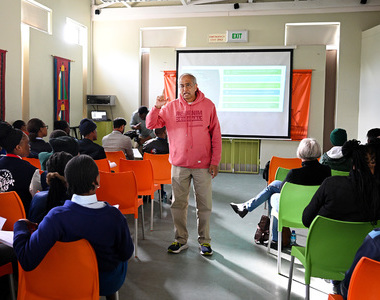
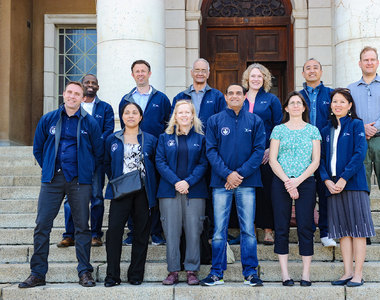
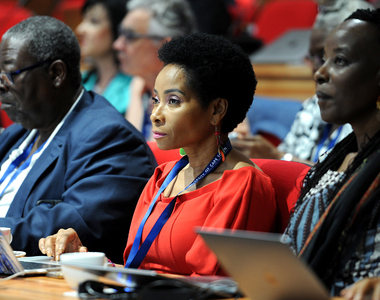
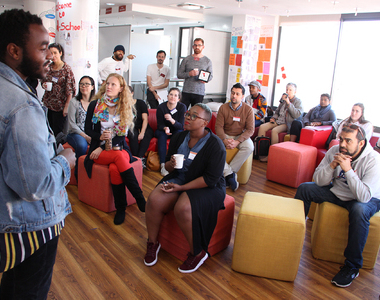
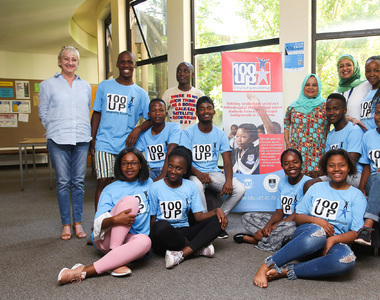
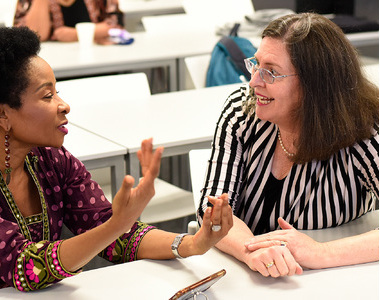
The New Academic Practitioners’ Programme (NAPP) fosters, among other things, an explicit understanding of inclusivity and agency at the University of Cape Town (UCT).
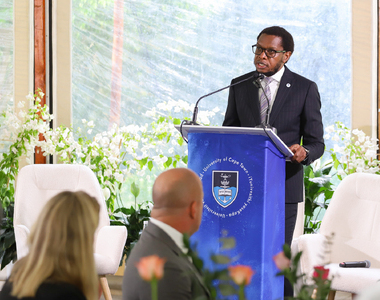
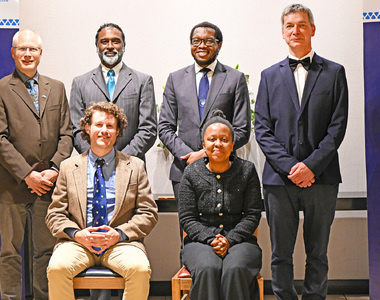
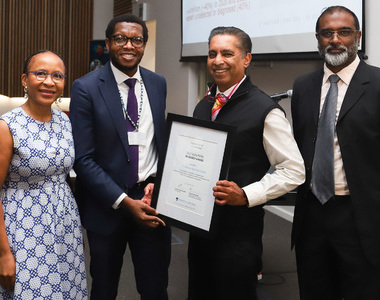
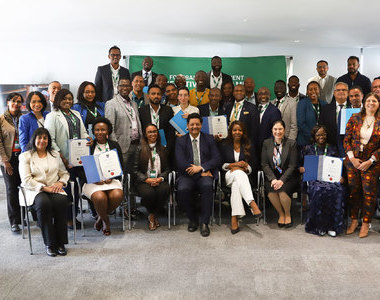
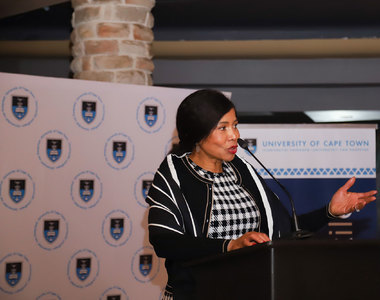
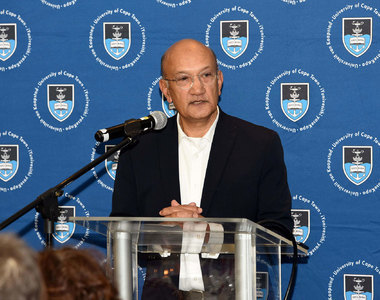
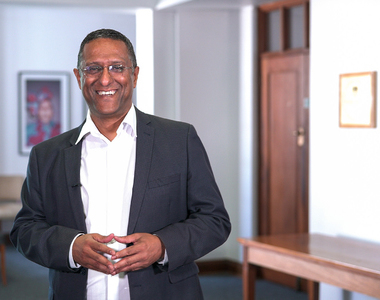
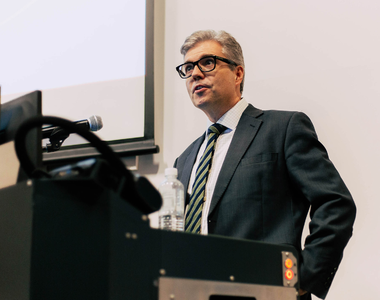
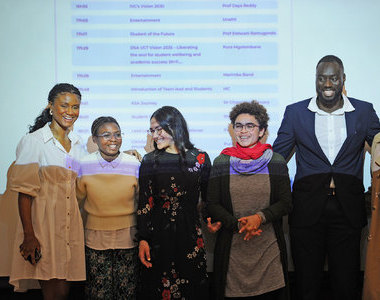
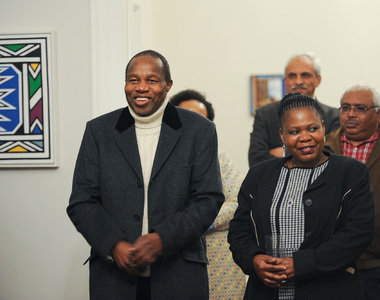
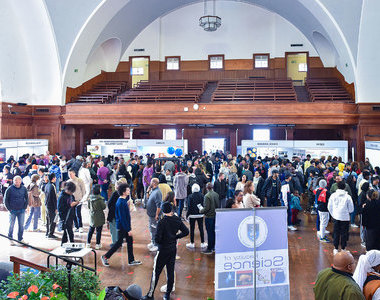
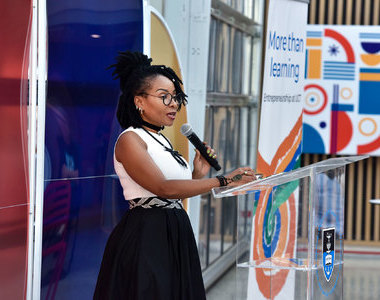
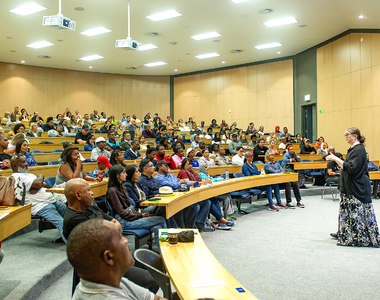
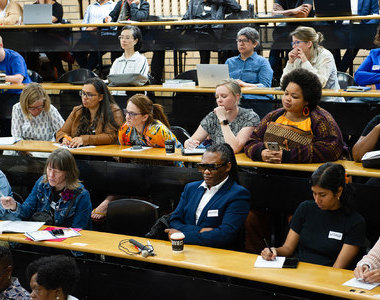
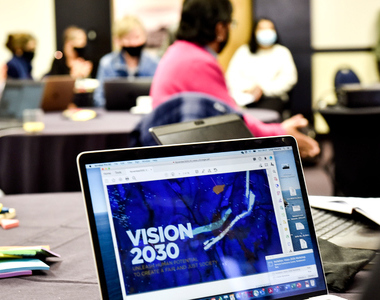
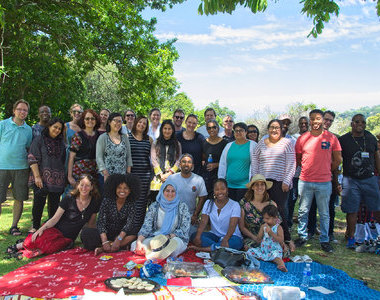
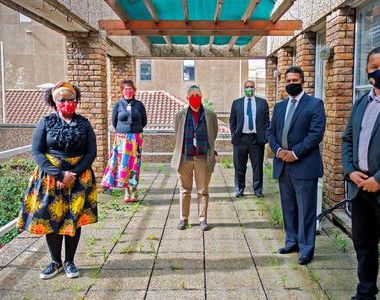
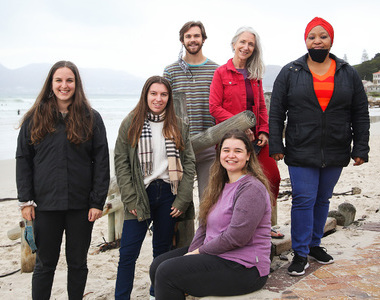
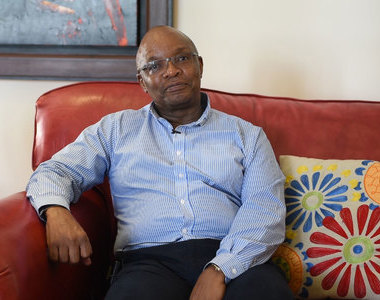
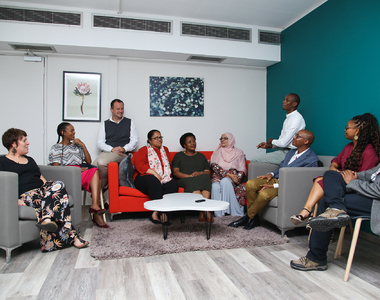
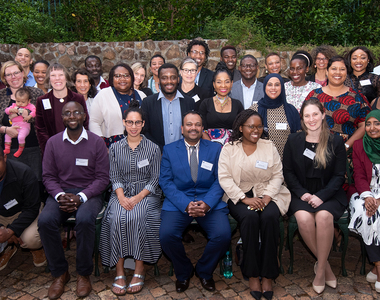
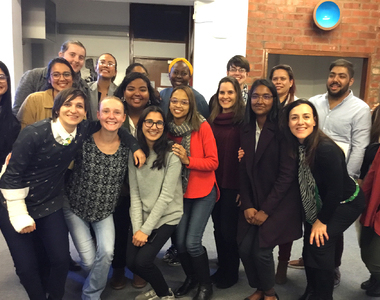
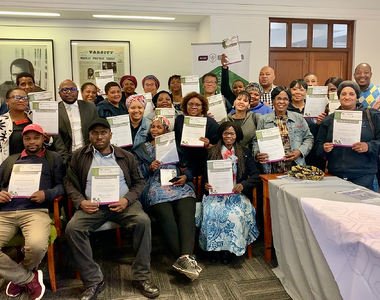
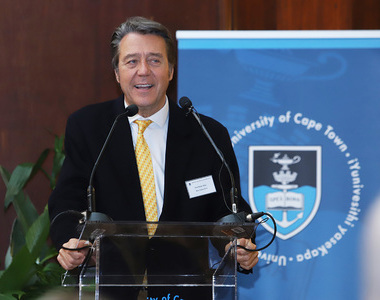
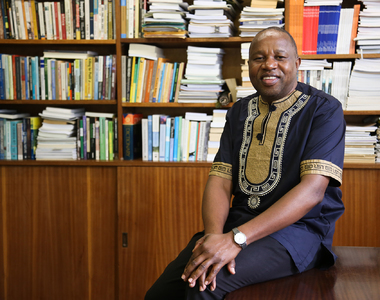
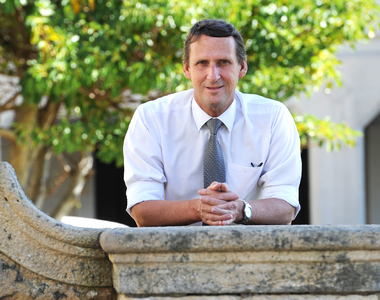
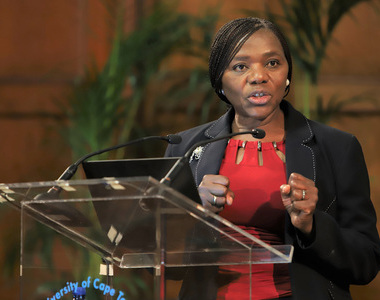
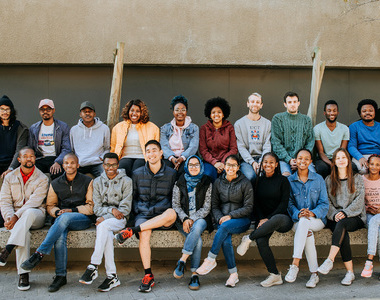
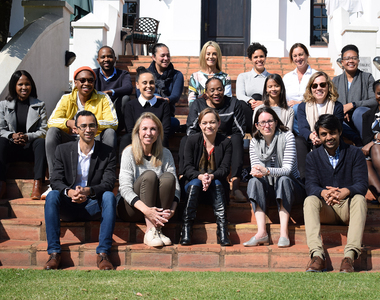
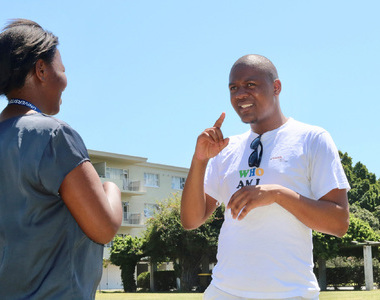
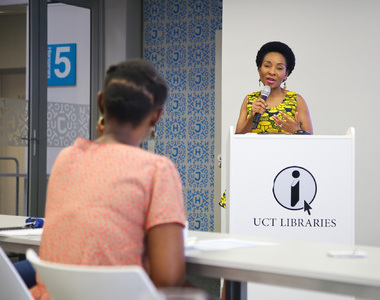
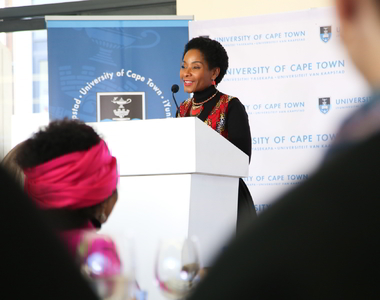
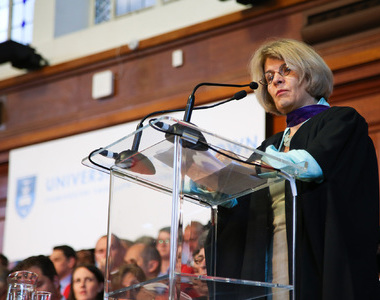
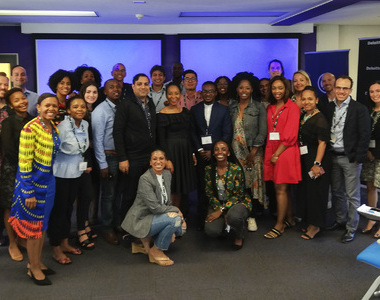
This is according to Vice-Chancellor Professor Mosa Moshabela as he hosted the 2025 cohort on Thursday, 12 March. “Your agency is for you to leverage at an institution like ours, which is very competitive. It’s always special for us to host you as new academic practitioners because we invest a lot in the development of our scholars,” said Professor Moshabela.
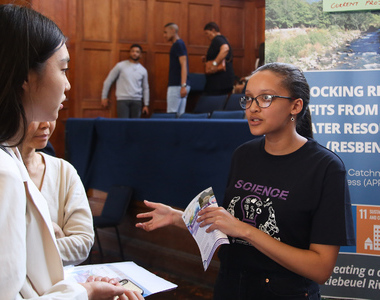
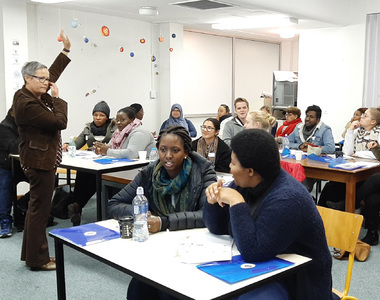
NAPP’s key points of focus include resources and basic skills necessary for development as educators, researchers and members of the UCT community; and an orientation to teaching, learning, technology, and assessment practices for the higher education classroom. The programme is convened by the Centre for Higher Education Development (CHED).
“The thing about academia is that it is built on the idea of peers and we do things that are based on the active citizenship of academia. In our journey as academics, we are also in the process of learning, and it can be difficult to do things on your own, which is why the process of induction and development is meant to minimise the burden of having to navigate this journey [alone],” he said.
“Many of you will be in this role for years to come. You will worry about the lectures you need to give; you will worry about students you need to supervise; assessments and exams you have to mark … this ecosystem is one you will navigate … to ensure the progress of our students.”
Sound judgement
He added: “For us, it’s about knowing you, celebrating you and being able to think about you when there are opportunities. You may be one person, but you form a brick in the structure that we are as UCT, and it’s important that you know that we see you. Through your faculty heads and the support that they provide to you and your departments, we know and trust that you will get the leadership and direction to thrive in this institution.”
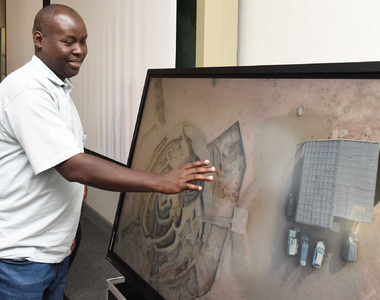
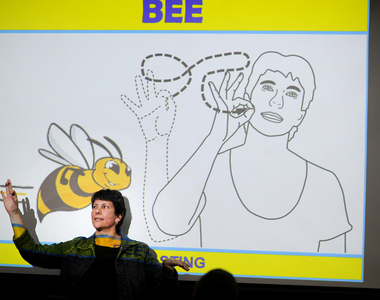
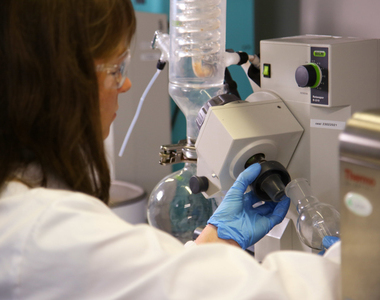
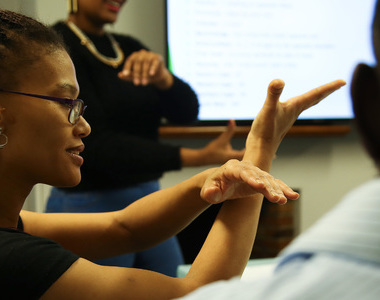
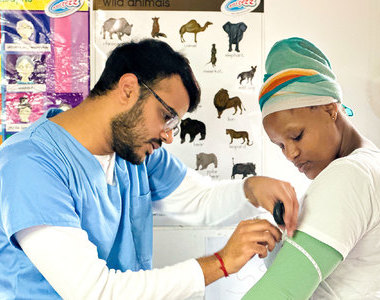
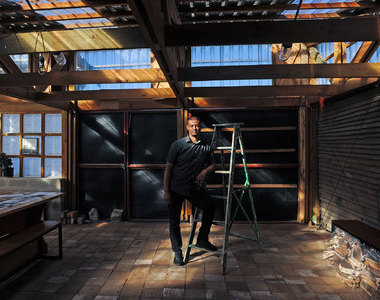
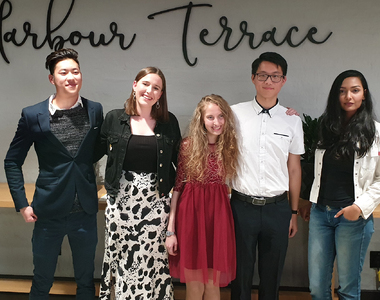
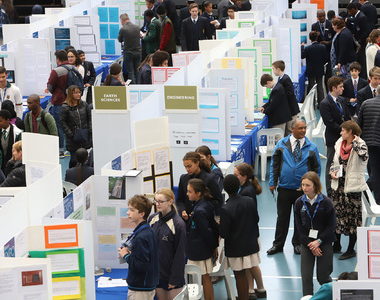
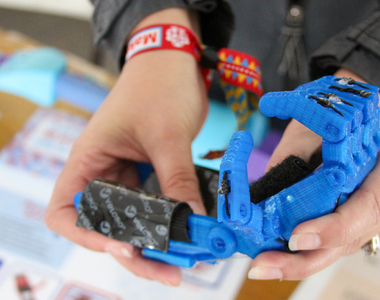
There was a variety of teaching interests which the academics are currently interested in, such as research around the use of artificial intelligence (AI) by actuaries; research on socio-spatial sustainability and modes of cultural production, preservation, and continuity; disability inclusive practice, patient- and family-centred care; equitable access to communication services for multilingual and under-resourced populations; looking at the effects of urbanisation (microplastics and noise) and climate change (temperature) on birds and mammals, including the red-winged starlings at UCT.






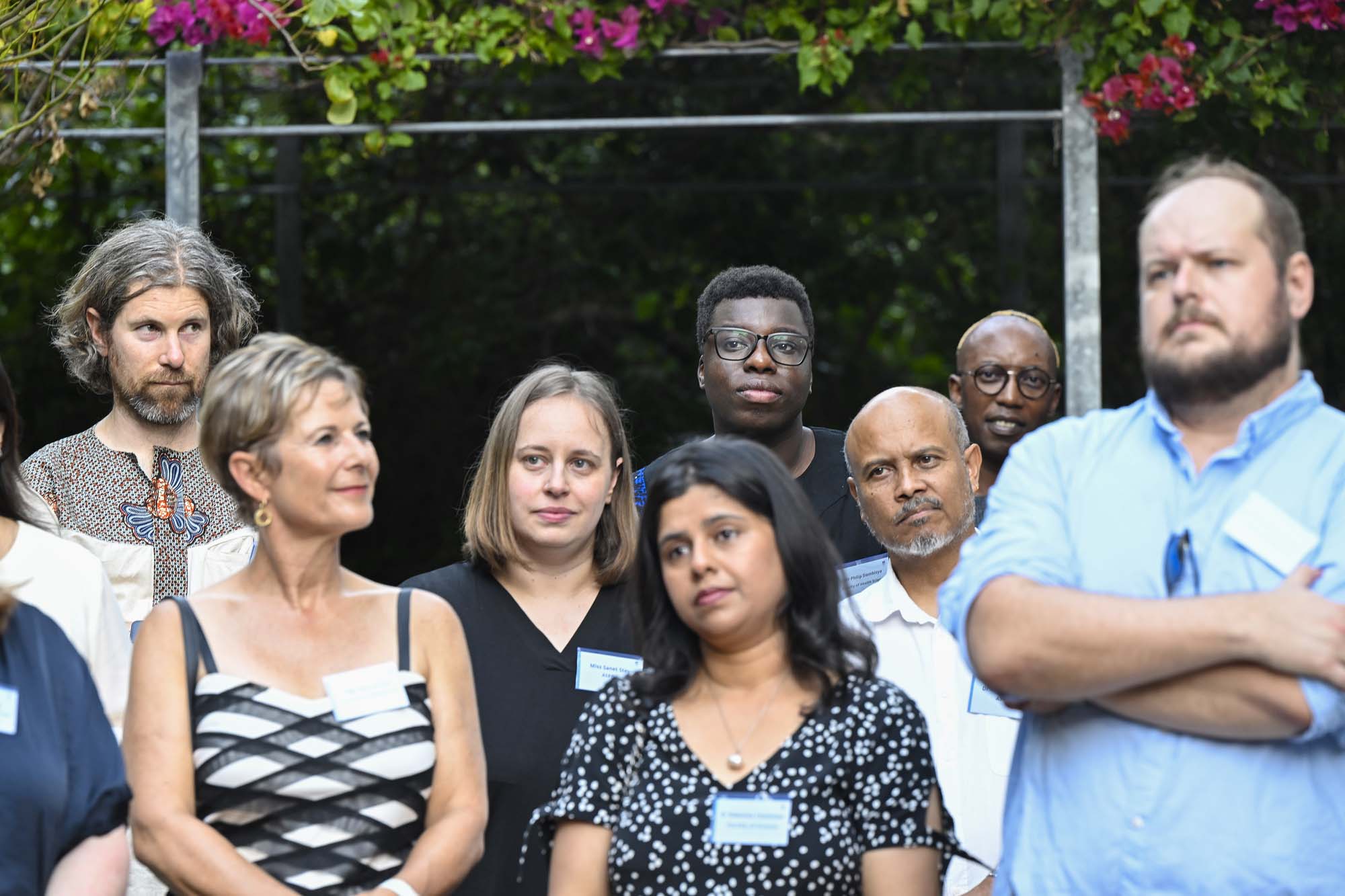
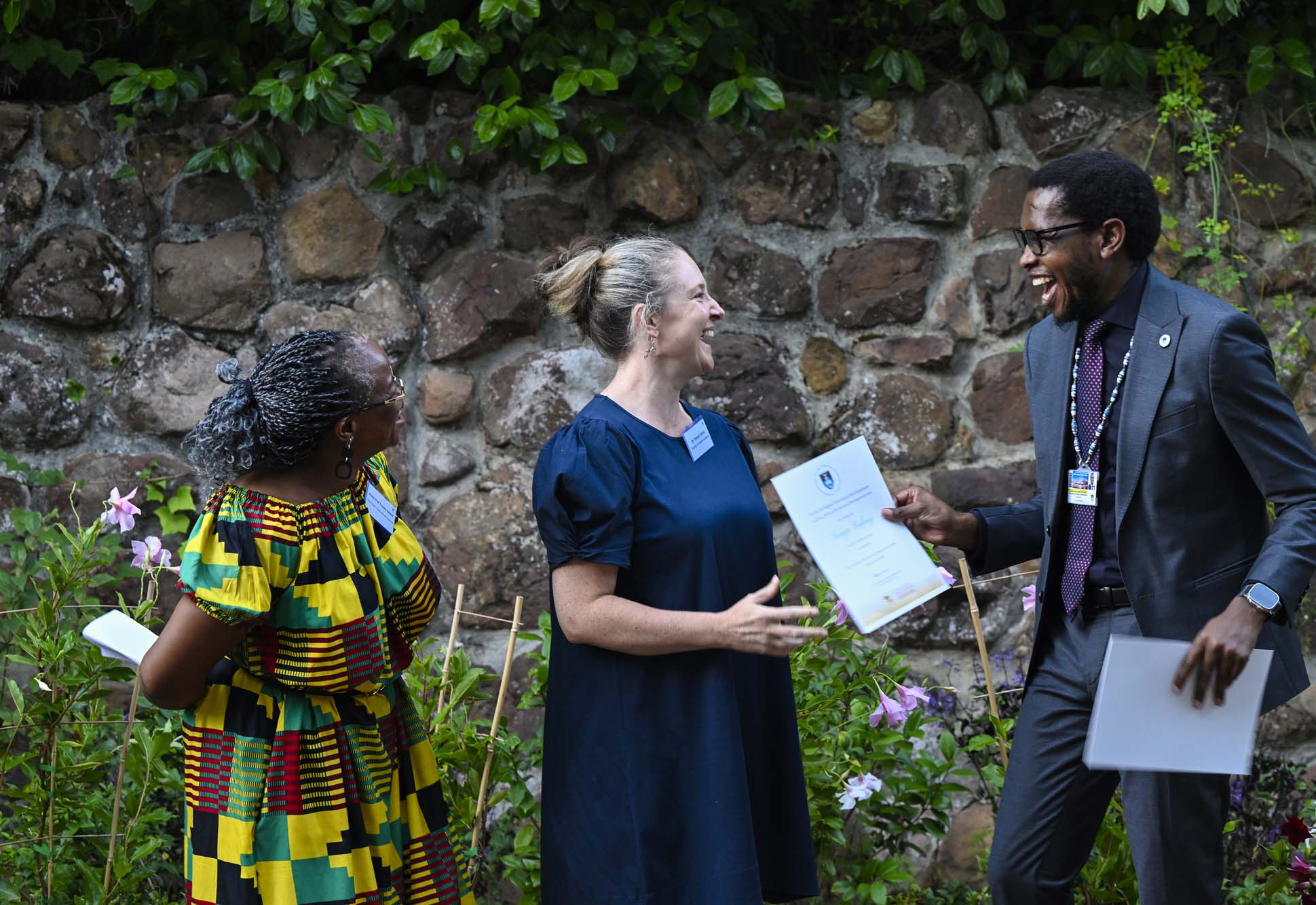

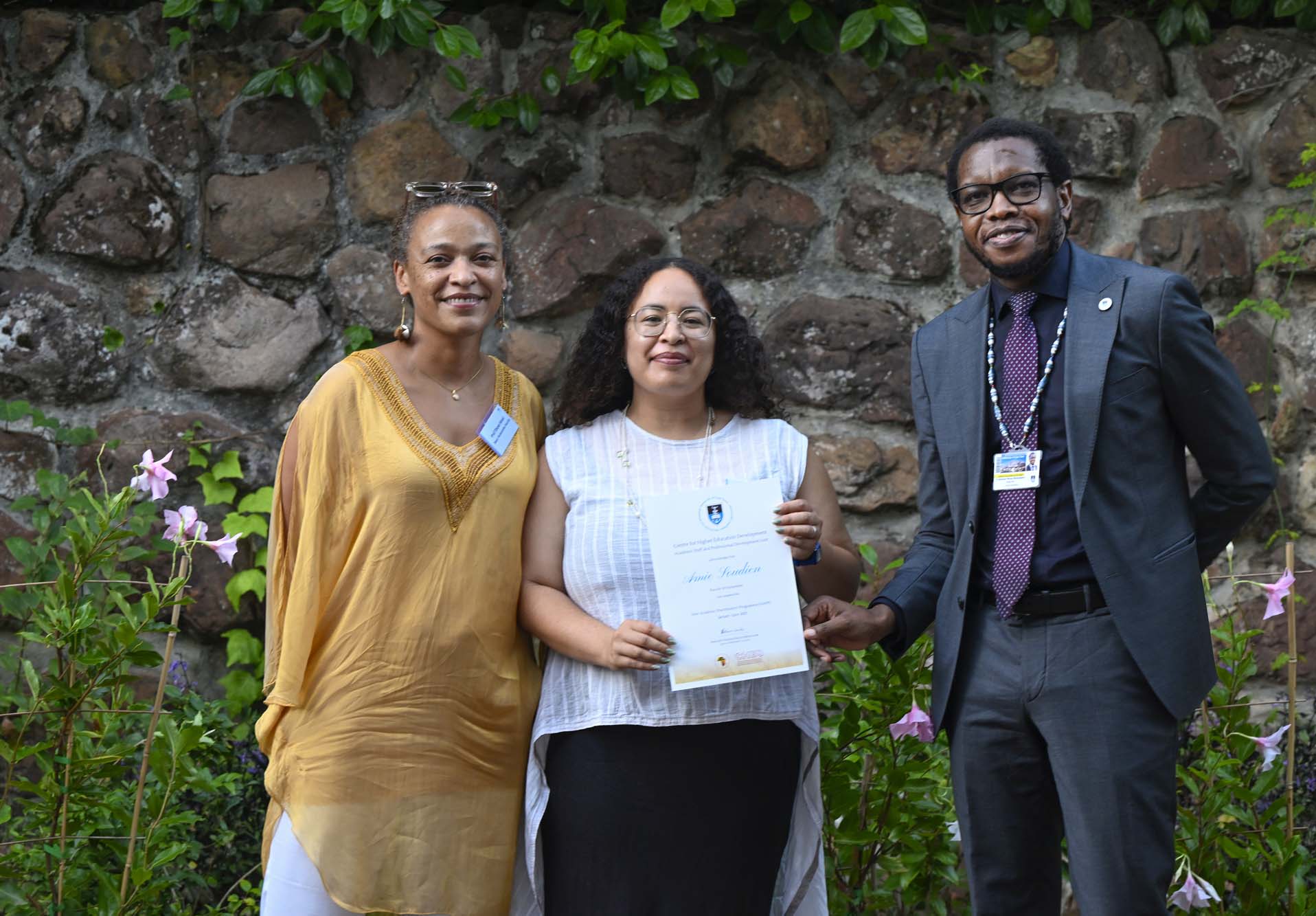

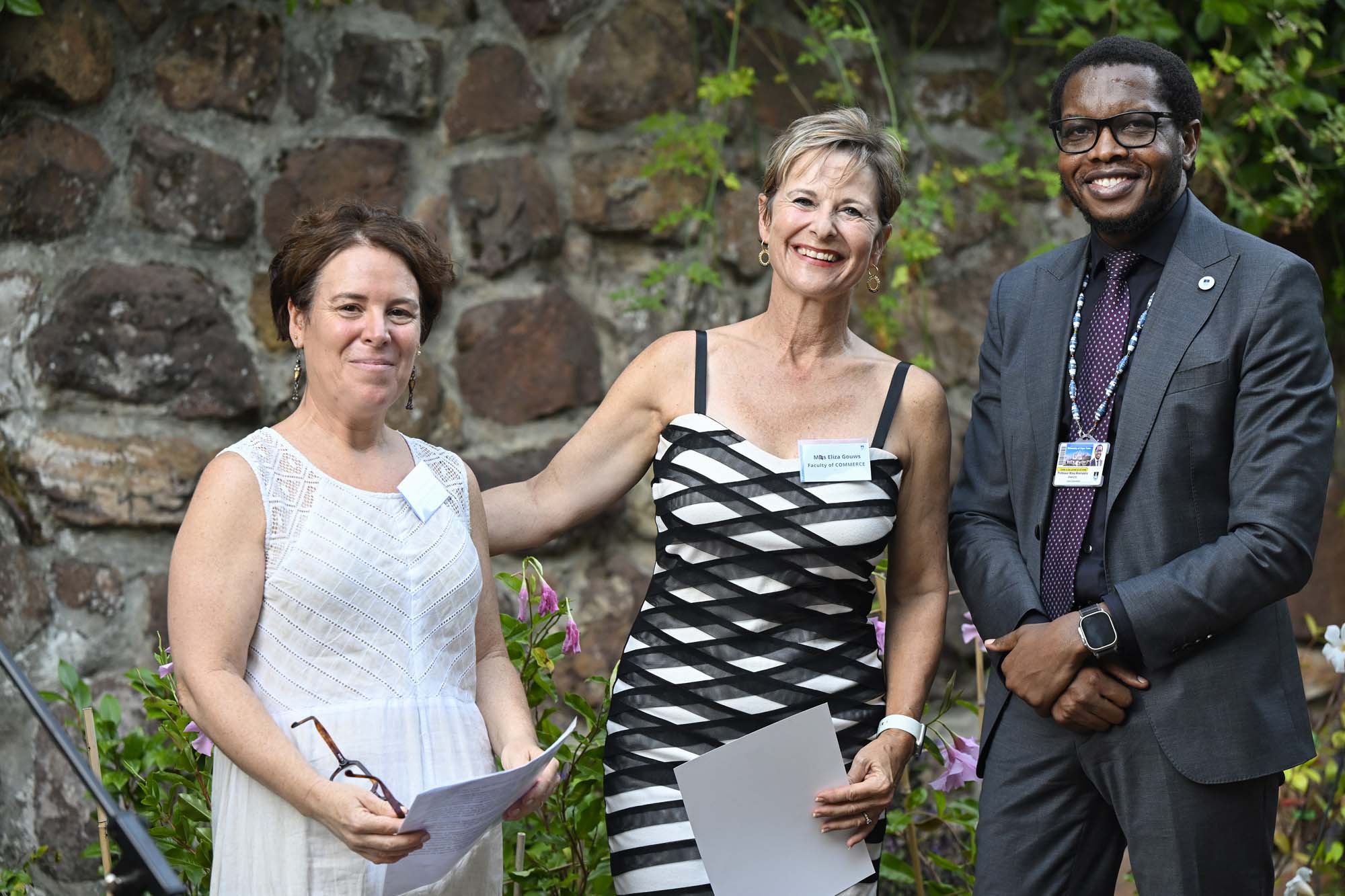
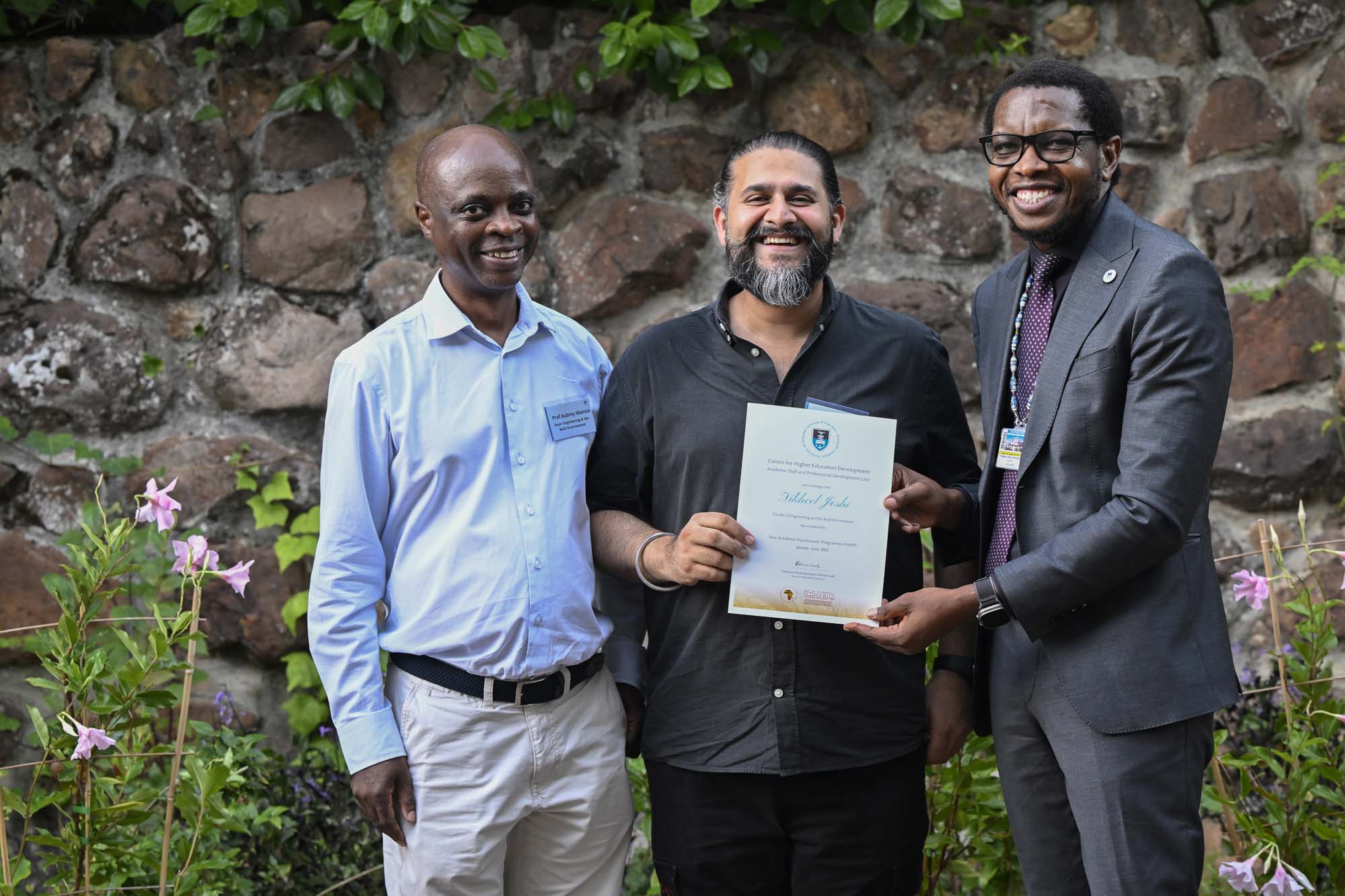
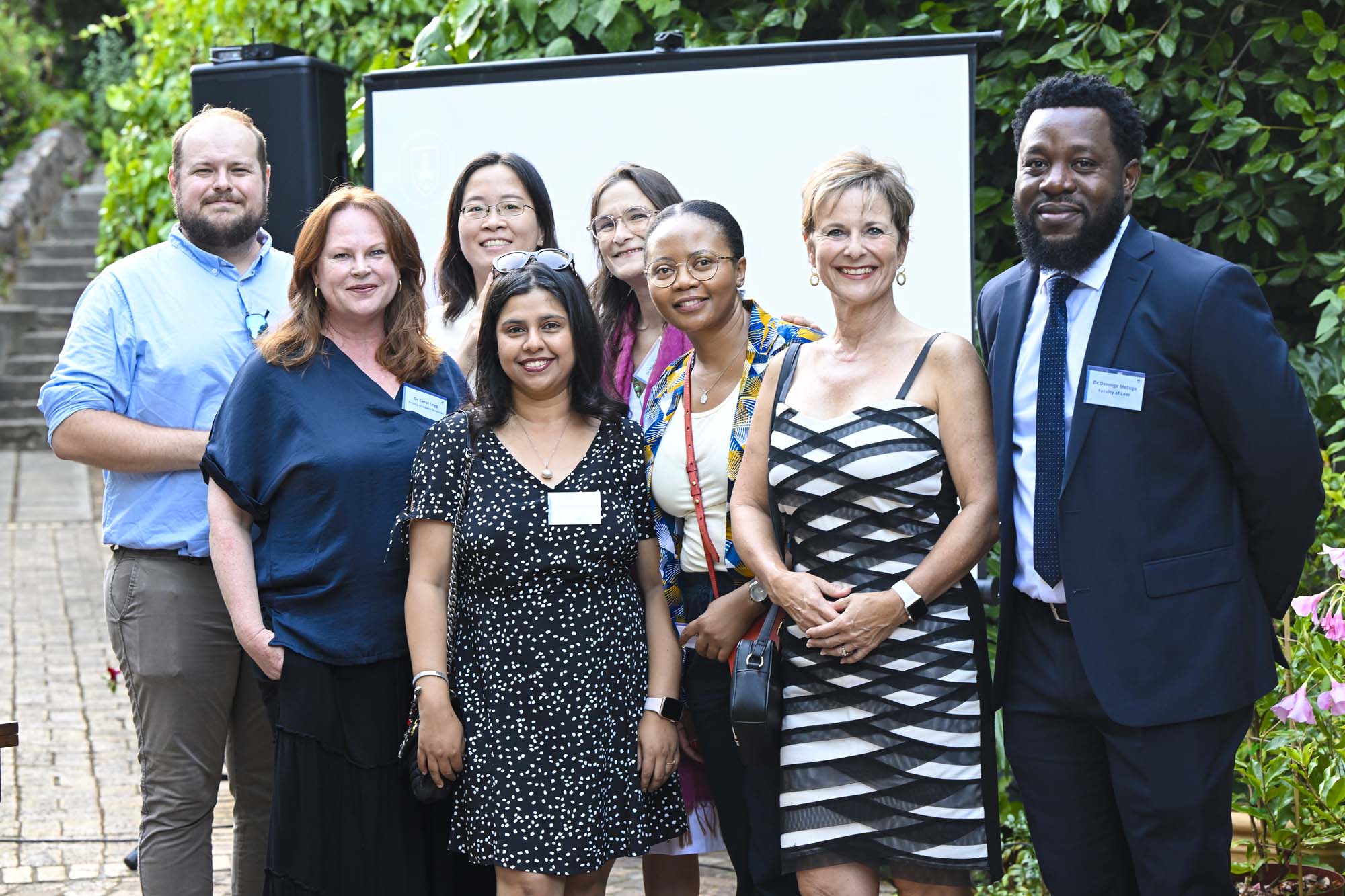

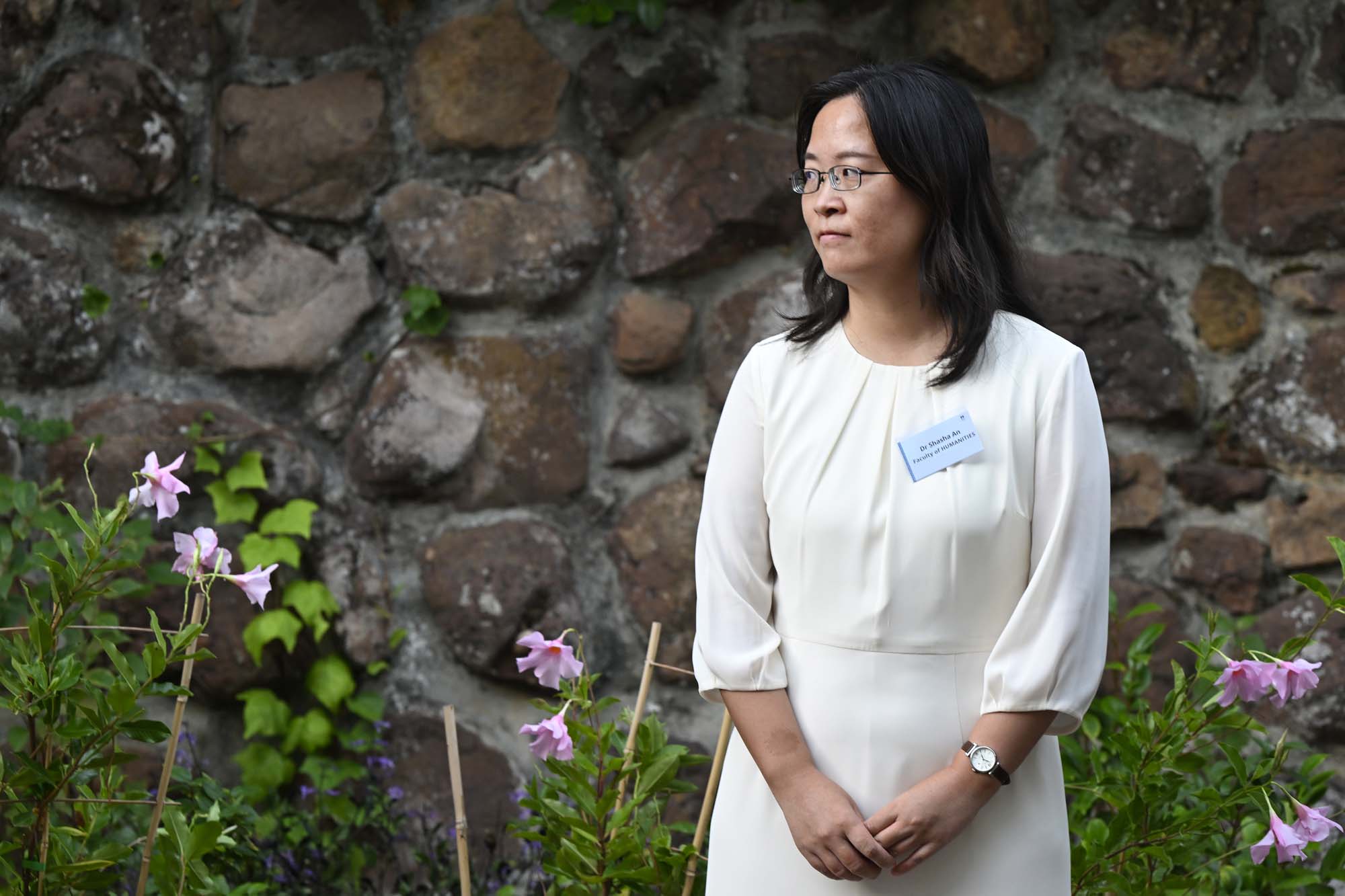
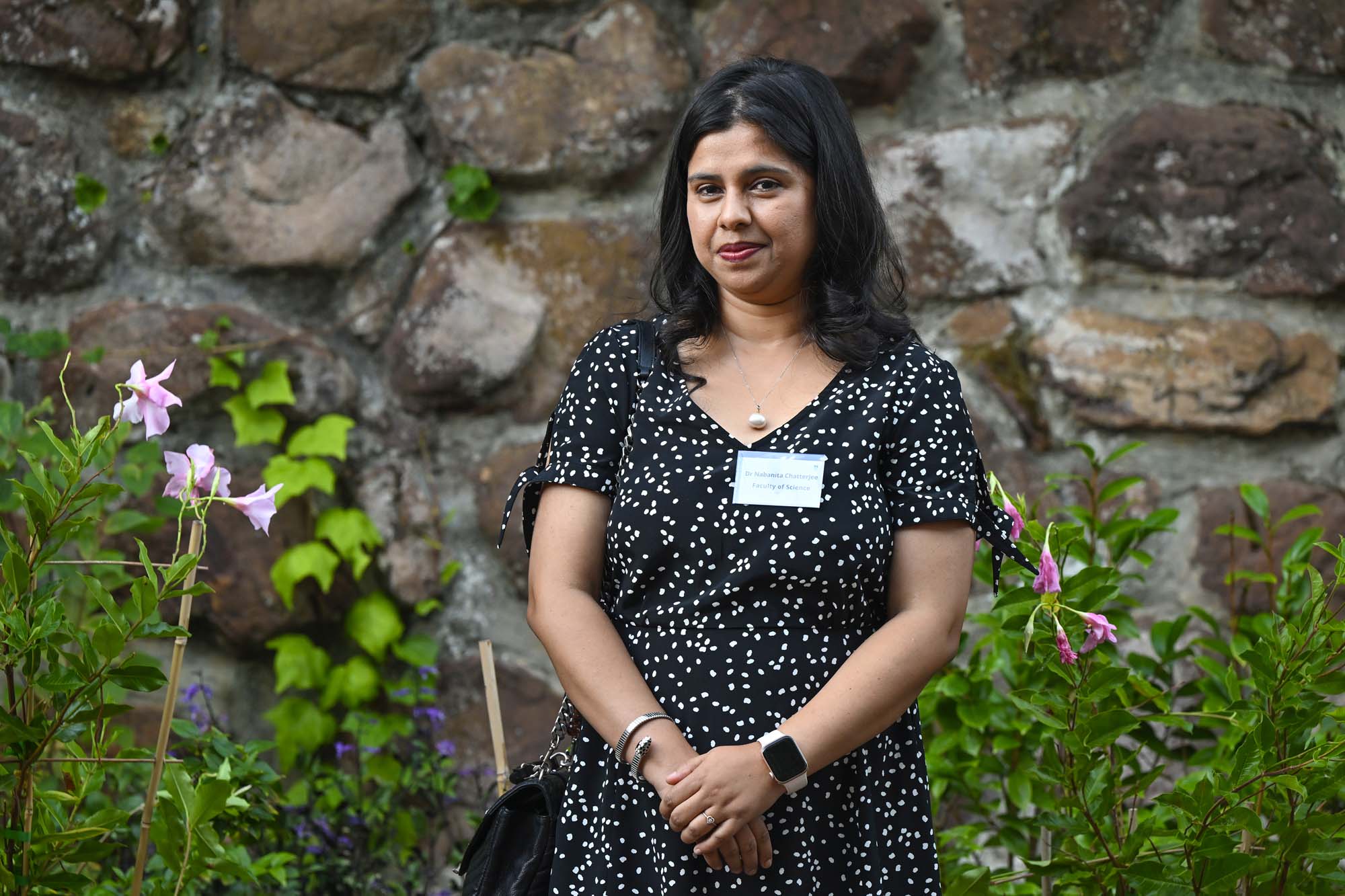
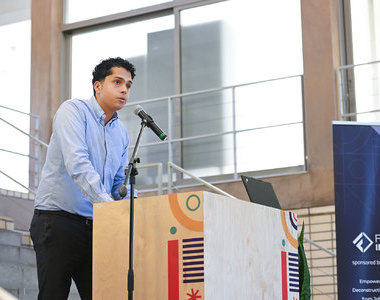
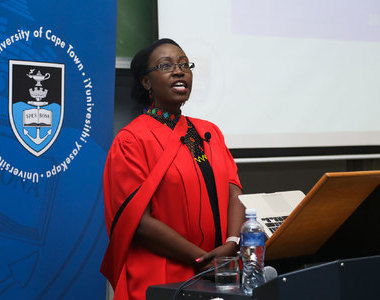
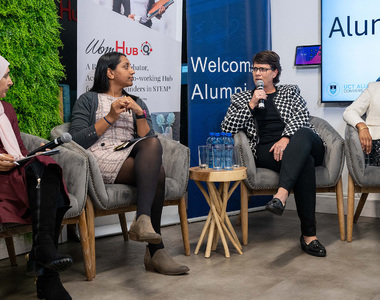
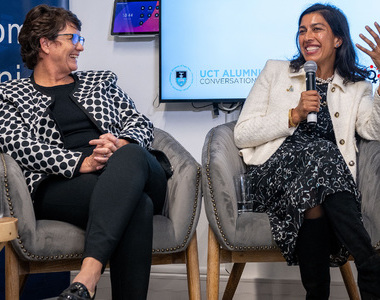
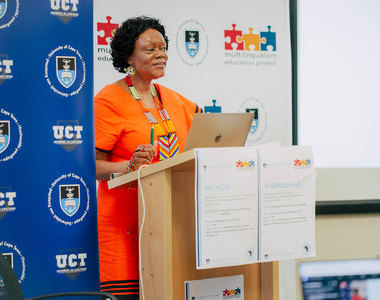
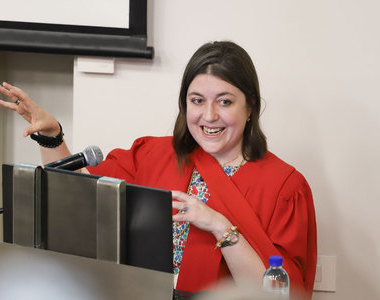
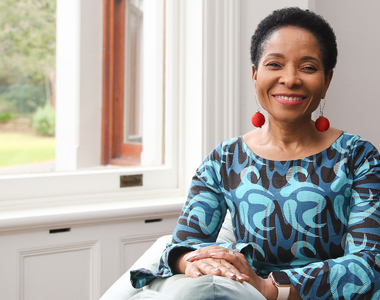
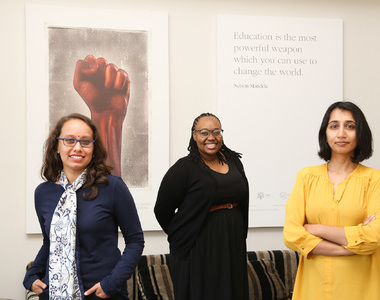
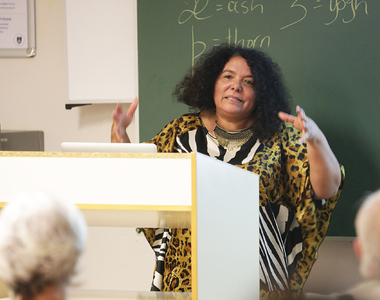
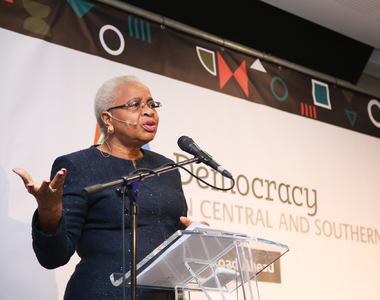
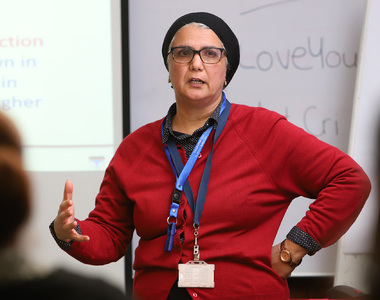
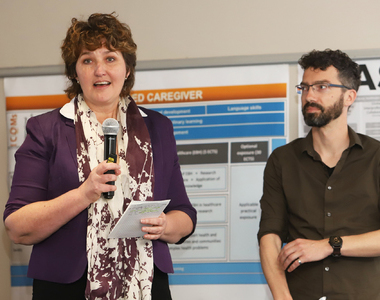
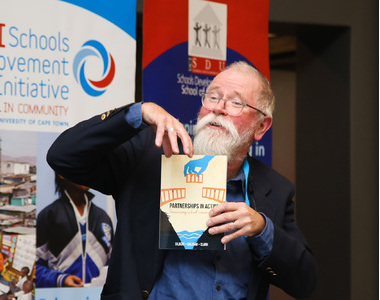
Professor Kasturi Behari-Leak, dean of CHED, said: “NAPP is about meaningful practice, sound judgement and human values. We are asking you to make sure that how you teach makes a difference. The programme is also about holding the complexity of the world and of your students in a higher education landscape that is dynamic. The programme is responsive.
“NAPP creates a holding space where new academics can bring their whole self. They can bring their questions, hopes and fears, and we have no qualms entering difficult conversations. We have had three innovations in the last two years: engaging with AI – we approach it with ethical questions, not fear. The second is around our interdisciplinary teaching projects, bringing intentionality to academics teaming up with somebody from outside their faculty to address a common teaching challenge. The third is around strengthening the NAPP network.”
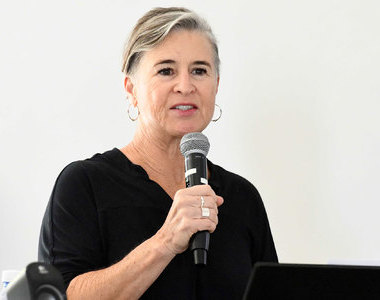
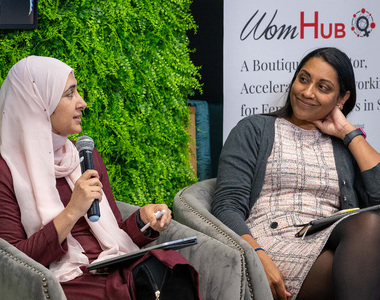
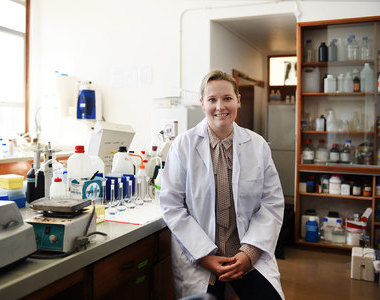
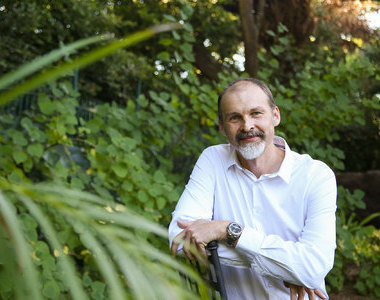
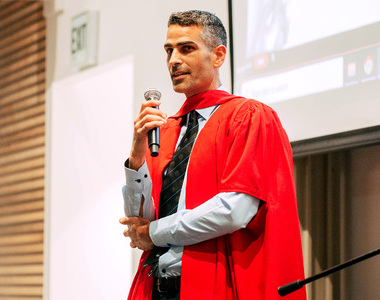
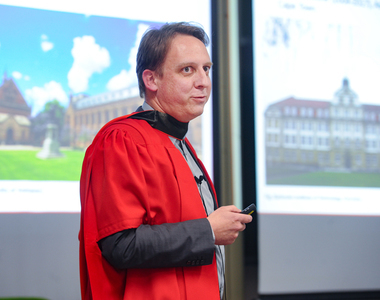
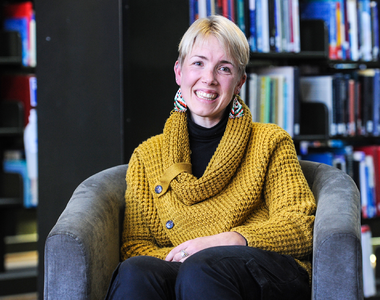
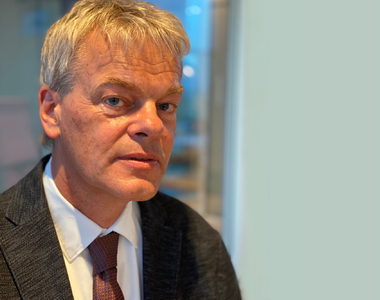
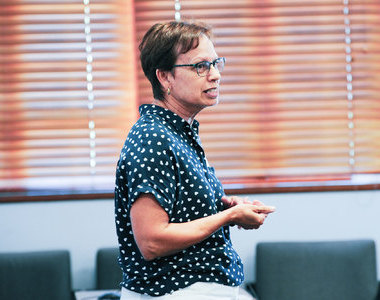
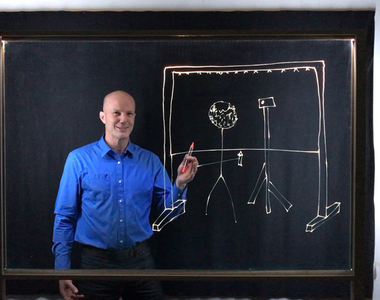
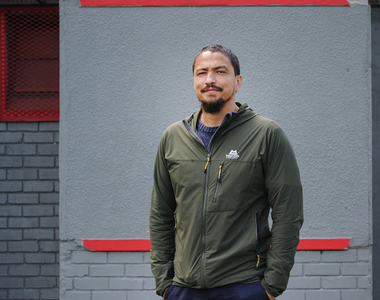
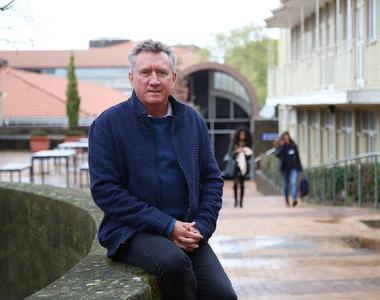
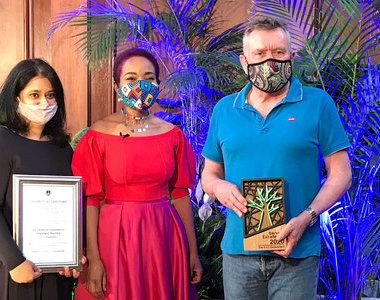
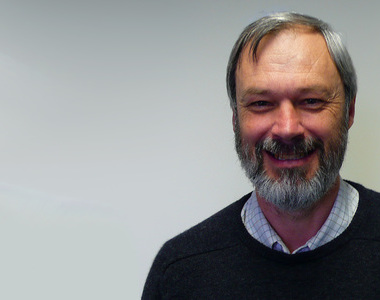
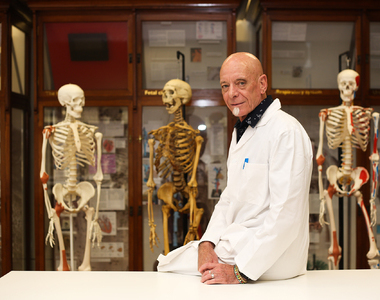
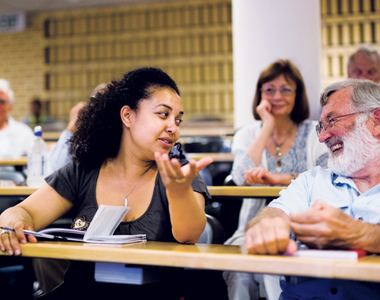
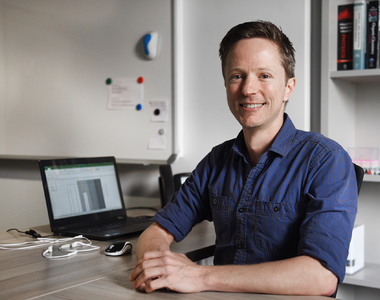
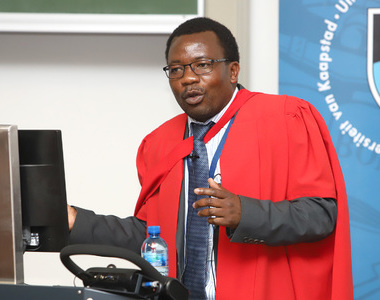
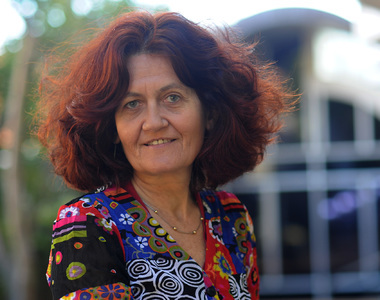
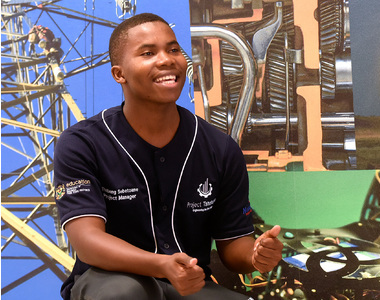
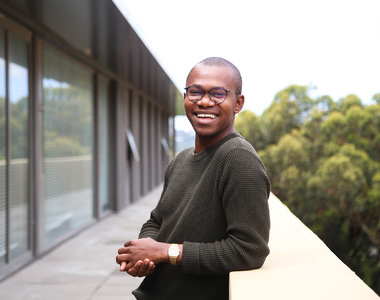
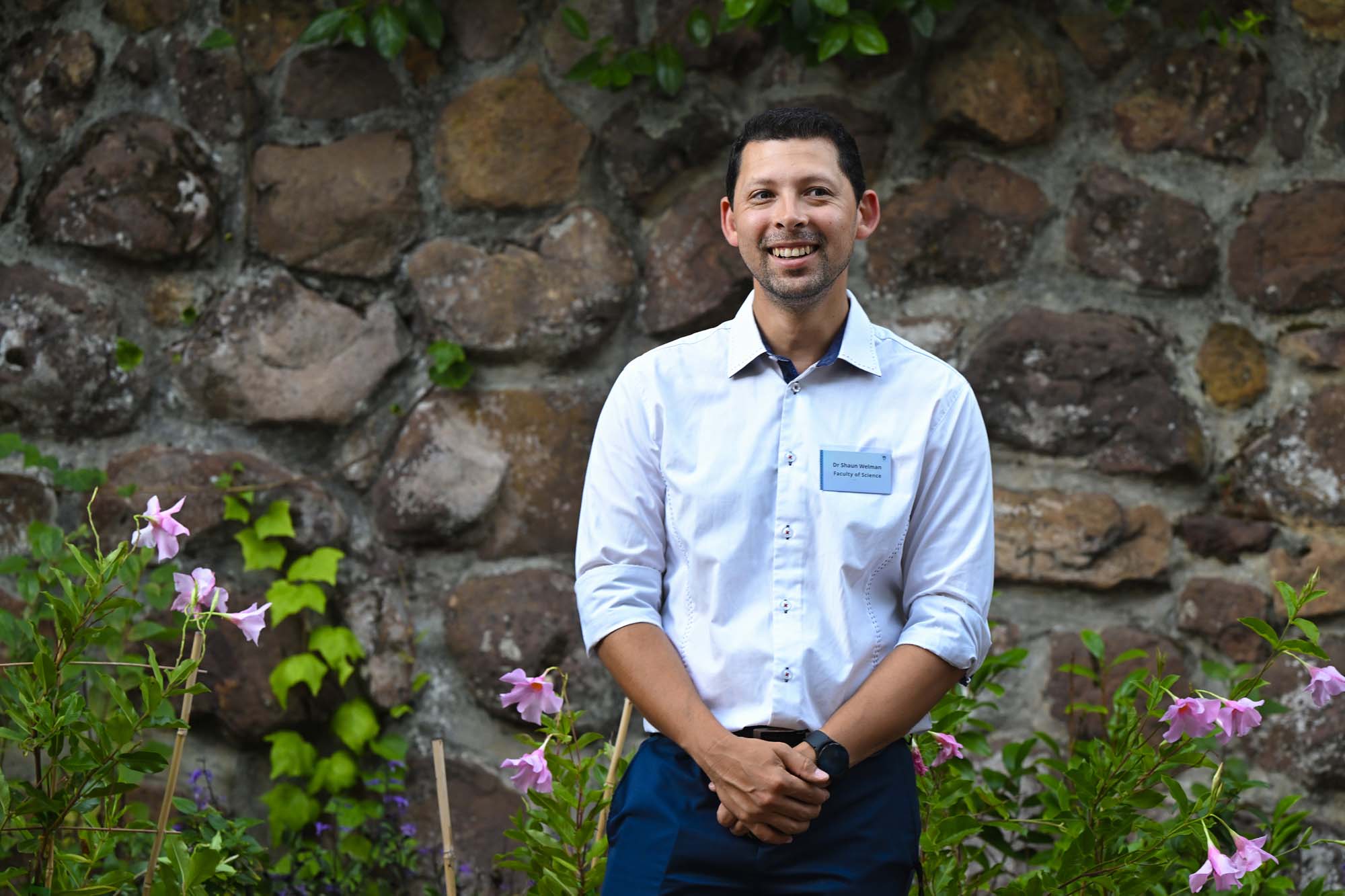
Dr Shaun Welman, a biological sciences lecturer, remarked: “NAPP opened up my eyes to the culture of UCT and to see how it functions on the inside with the student-focused mandate. The big thing is about not having preconceived ideas about yourself or your students. Teach what’s in front of you, not what you expect.”
 This work is licensed under a Creative Commons Attribution-NoDerivatives 4.0 International License.
Please view the republishing articles page for more information.