

Wamkelekile, Welkom
‘Share your talent’
07 April 2026 | Story Kamva Somdyala. Read time 4 min.
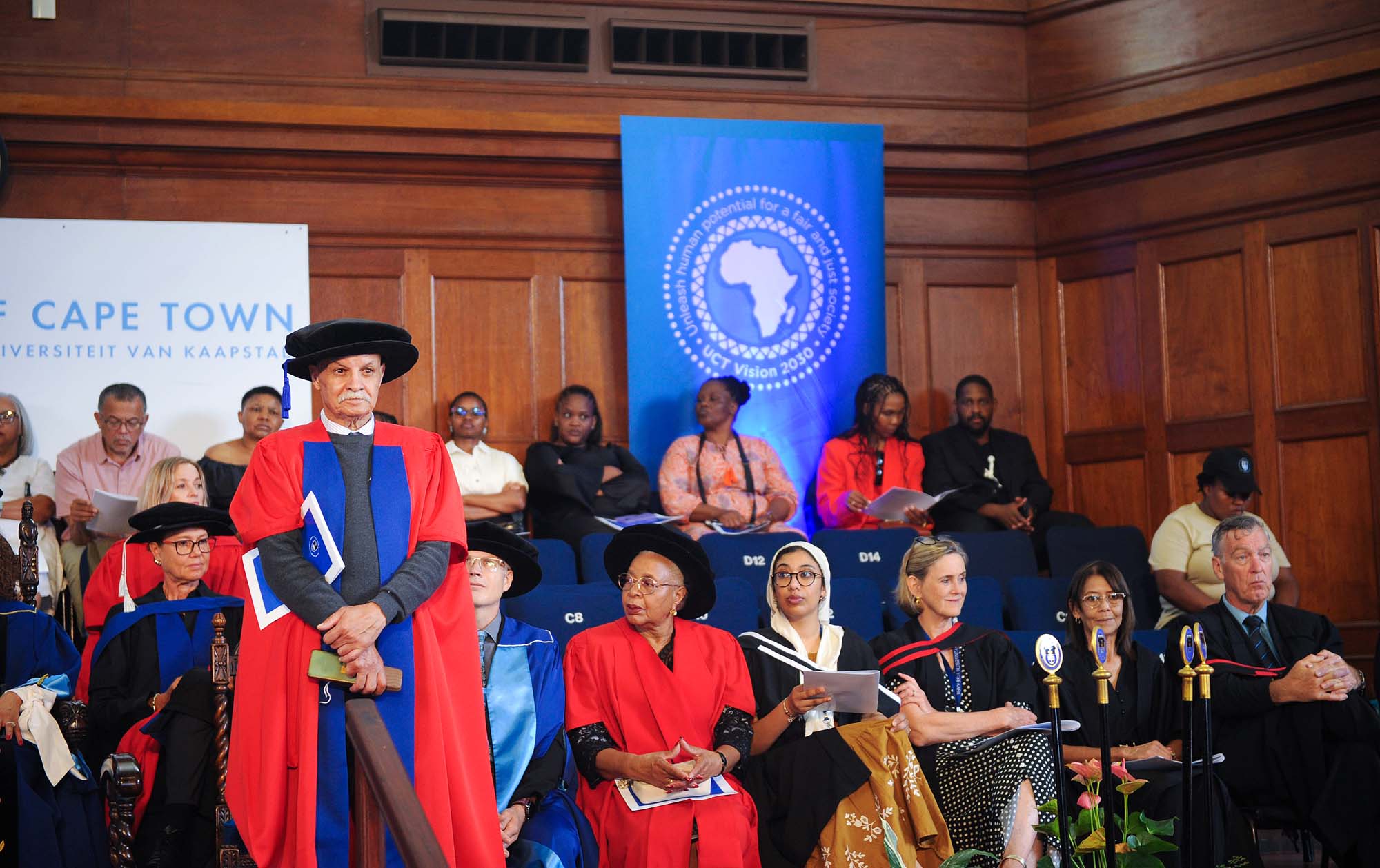
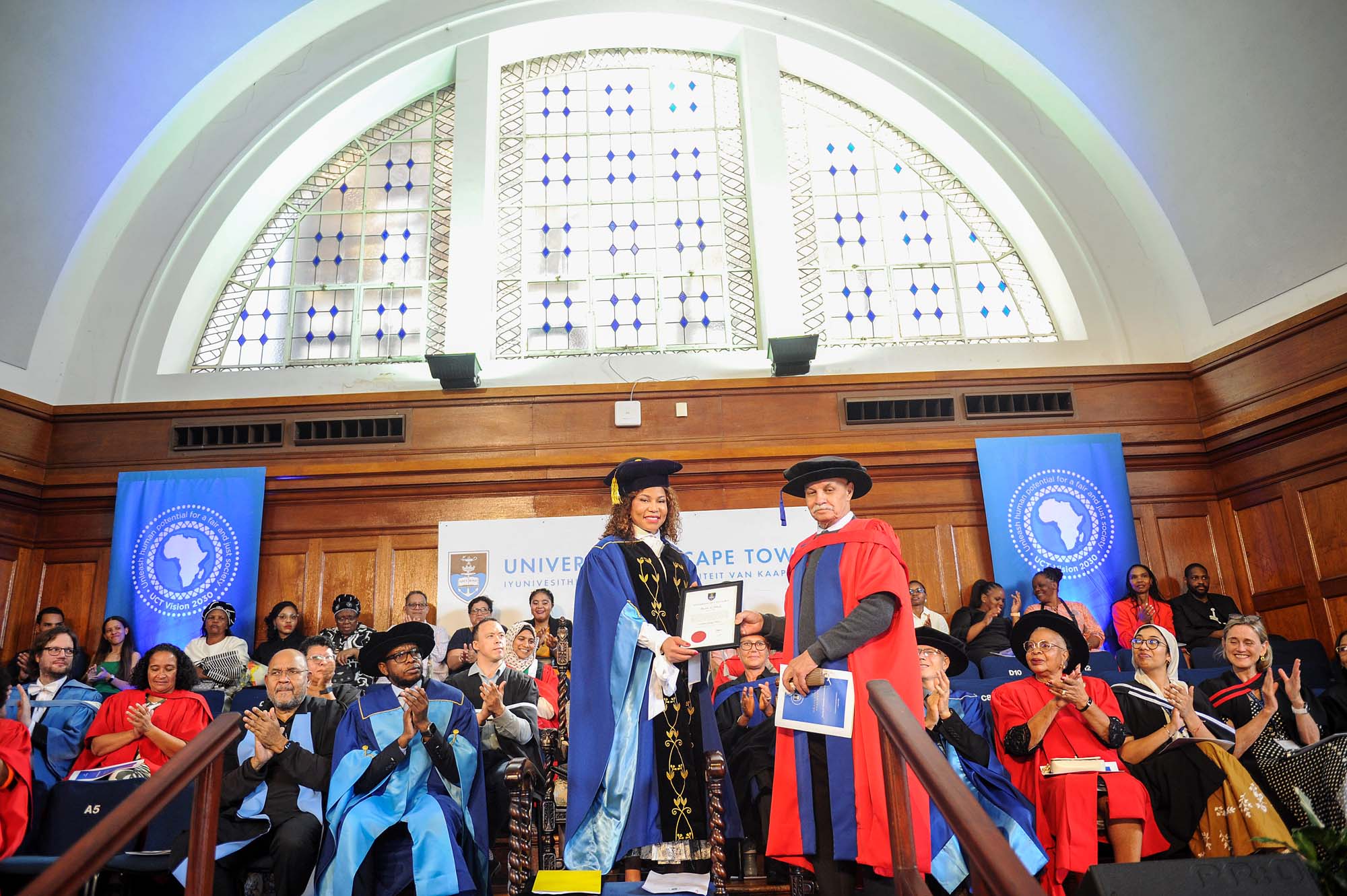
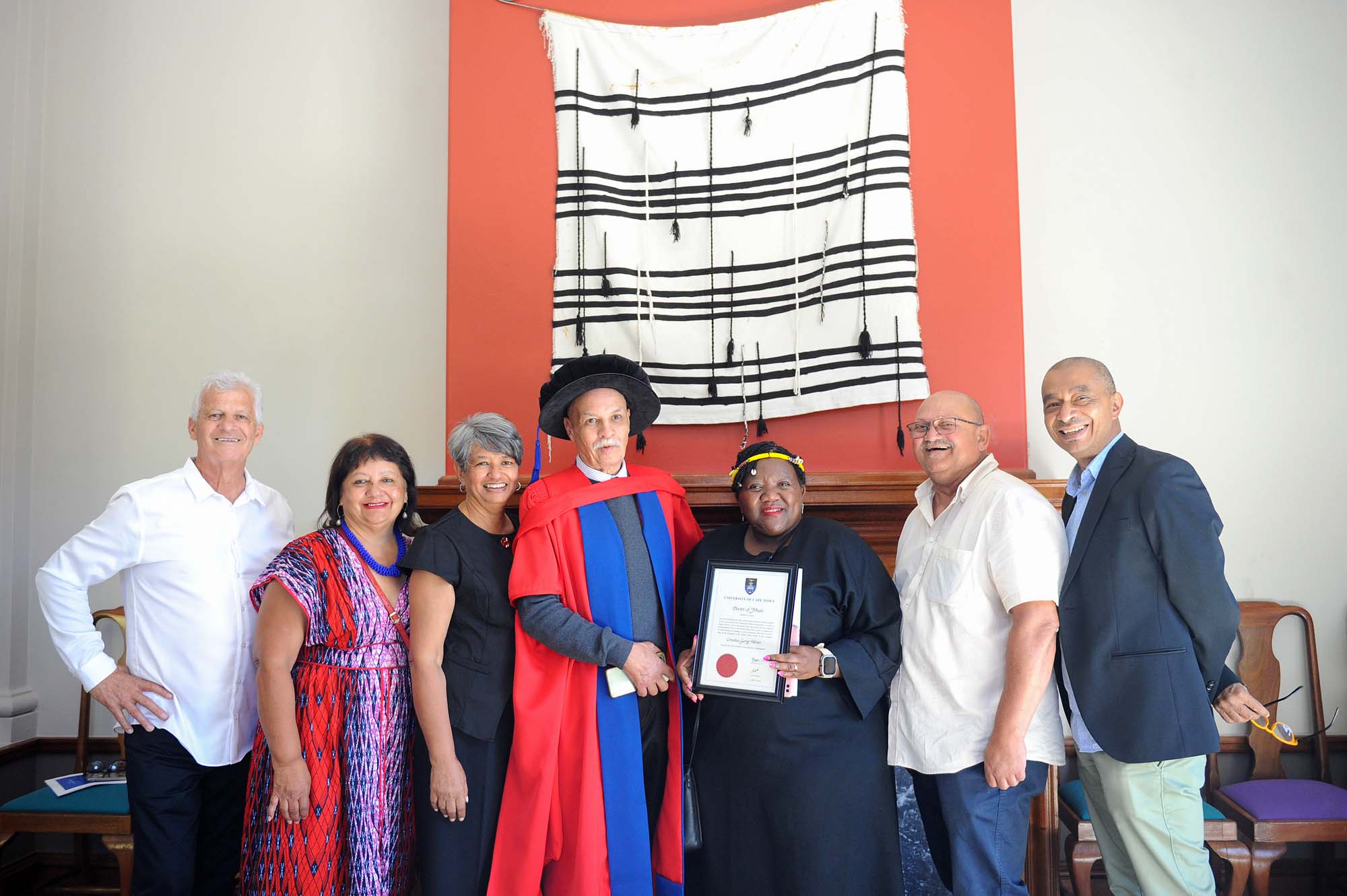
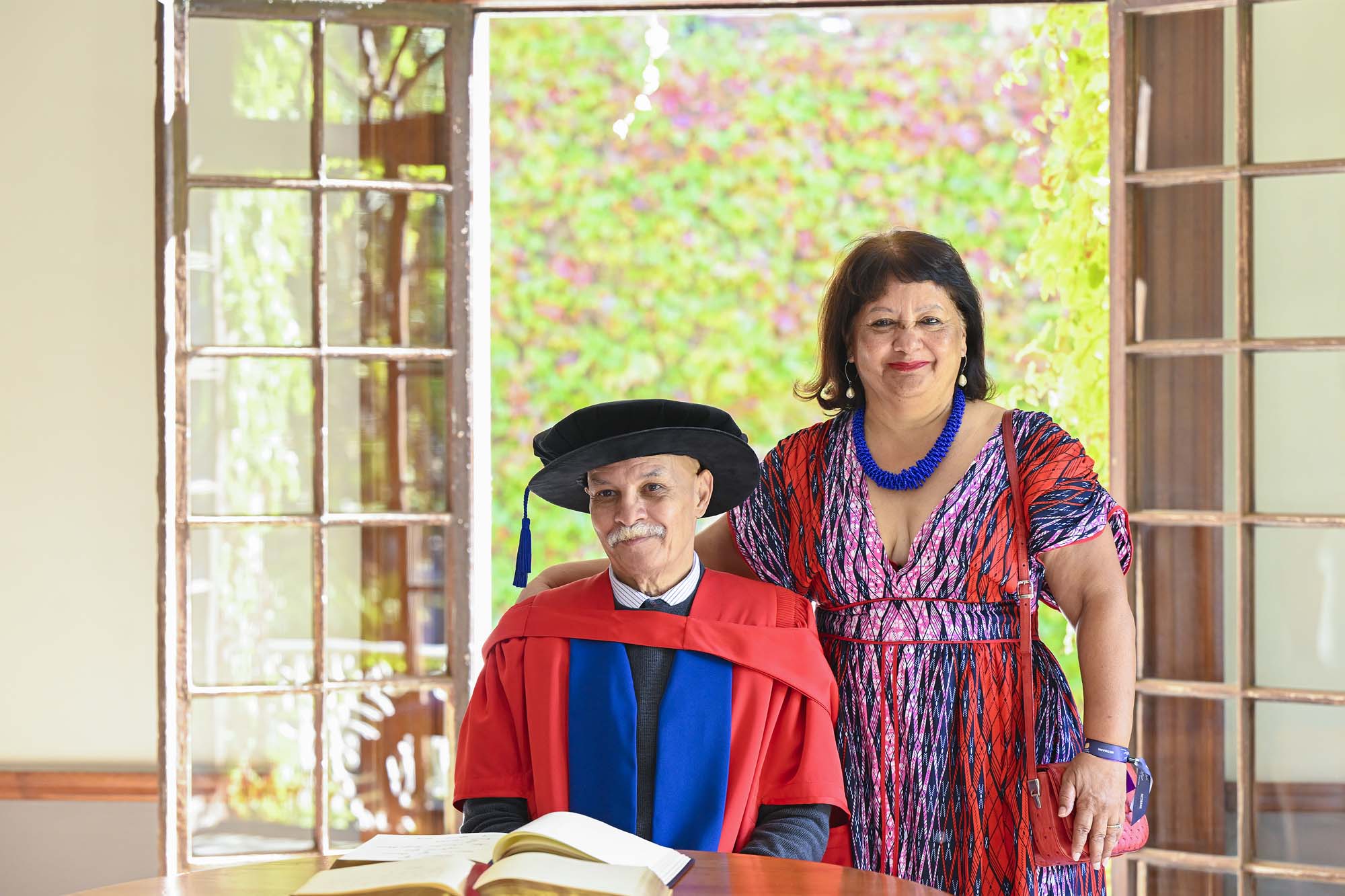
George Werner was conferred the degree of Doctor of Music (honoris causa) from the University of Cape Town (UCT) on 1 April for his decades-old work of nurturing young musicians – particularly from disadvantaged communities. He imparted not only technical knowledge but also the principles of non-racialism, professionalism, and personal conduct within the music industry.
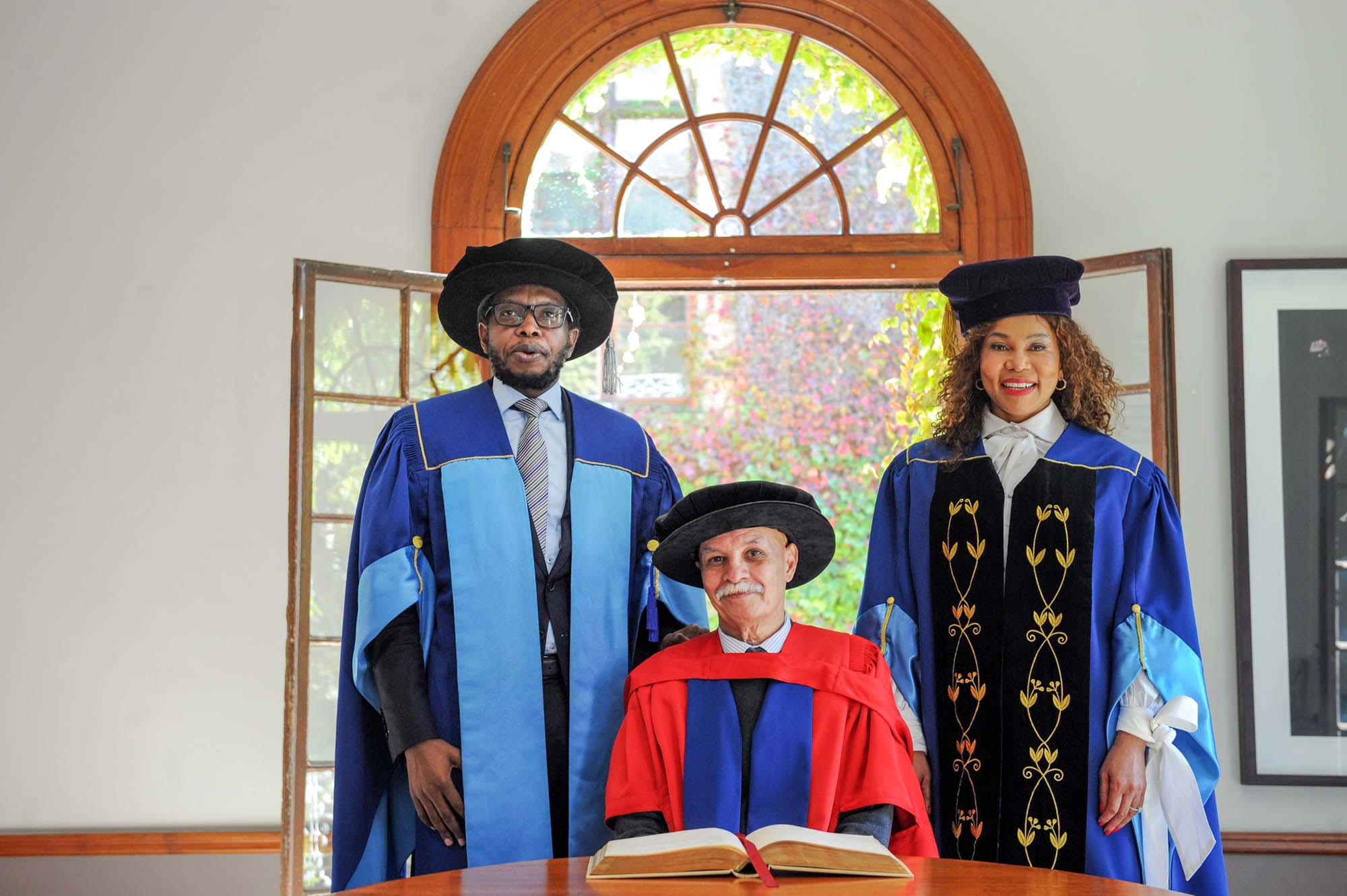
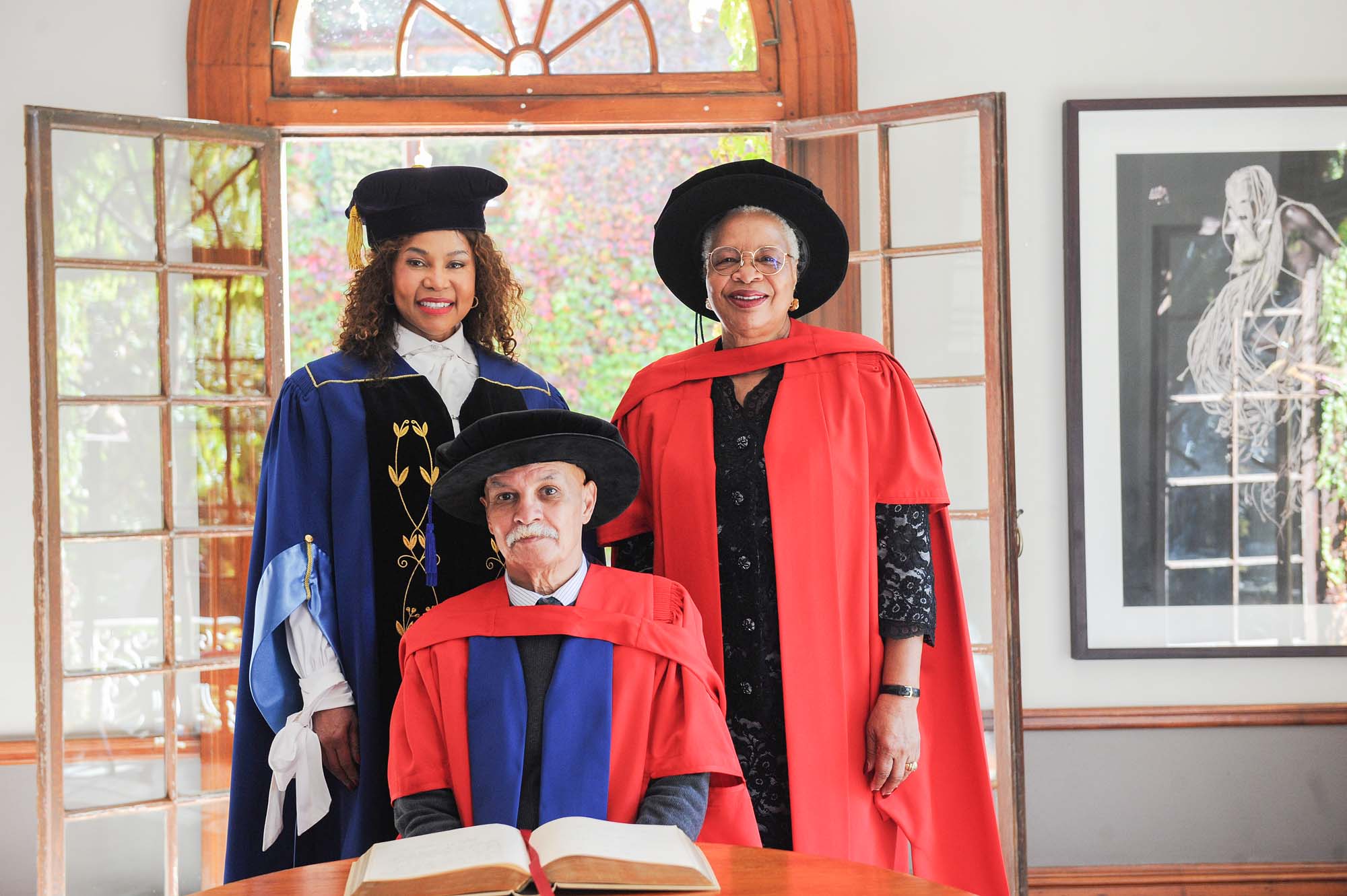
Before the ceremony, Werner interacted and enjoyed light-hearted moments with the UCT leadership, including former chancellor Graça Machel. Dr Precious Moloi-Motsepe, current UCT chancellor, was also present.
“My mother – who had a classical background – was a music teacher and she encouraged us to enjoy music. The first movies we attended were musicals. When I was seven years old, she bought an acoustic piano, so music was always around me. Even though I was born in Mthatha in the Eastern Cape, I grew up in Athlone, Cape Town and there’s always been a music vibe in this city – from church choirs to people starting bands in the area,” he recalled.
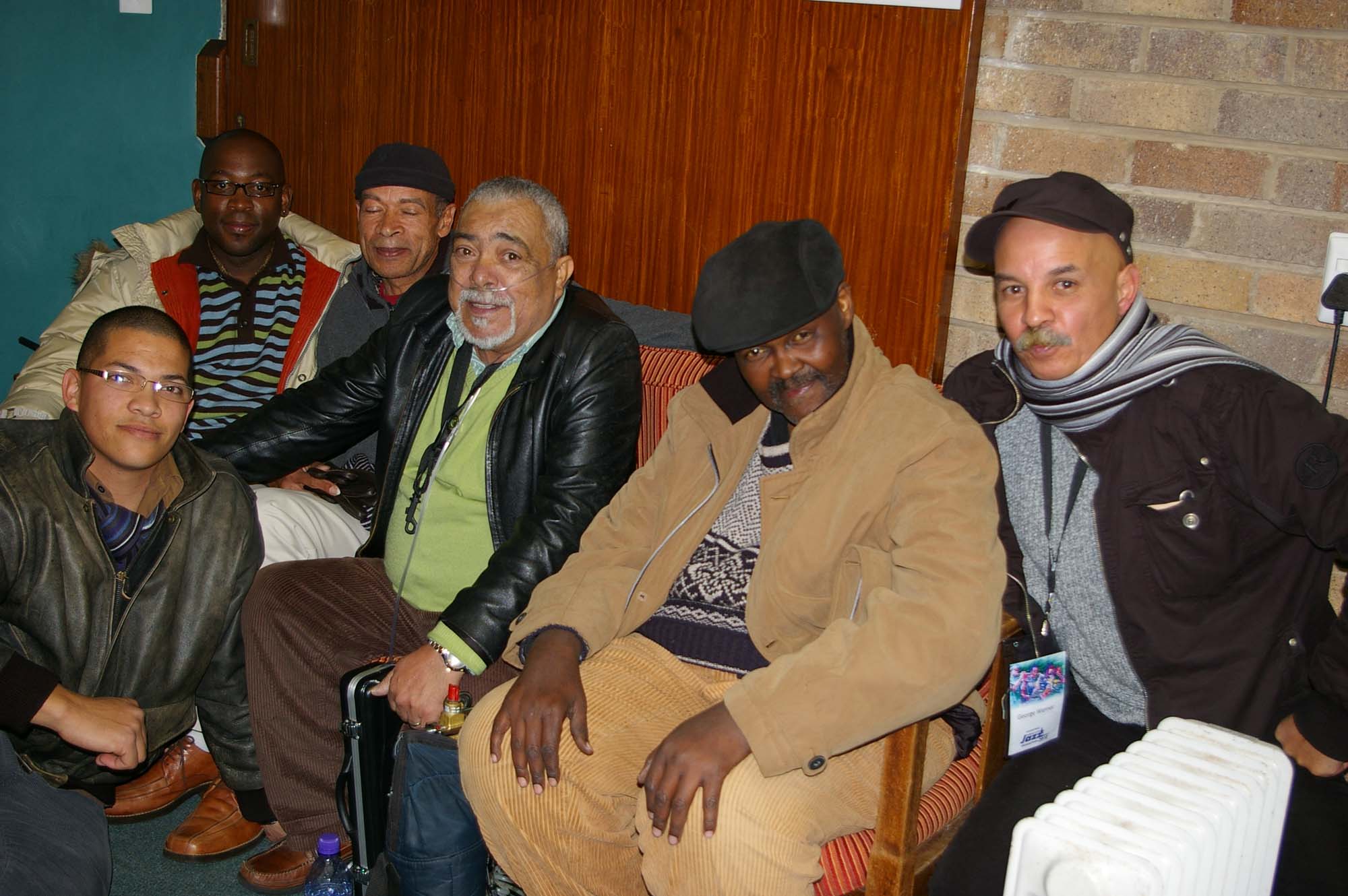
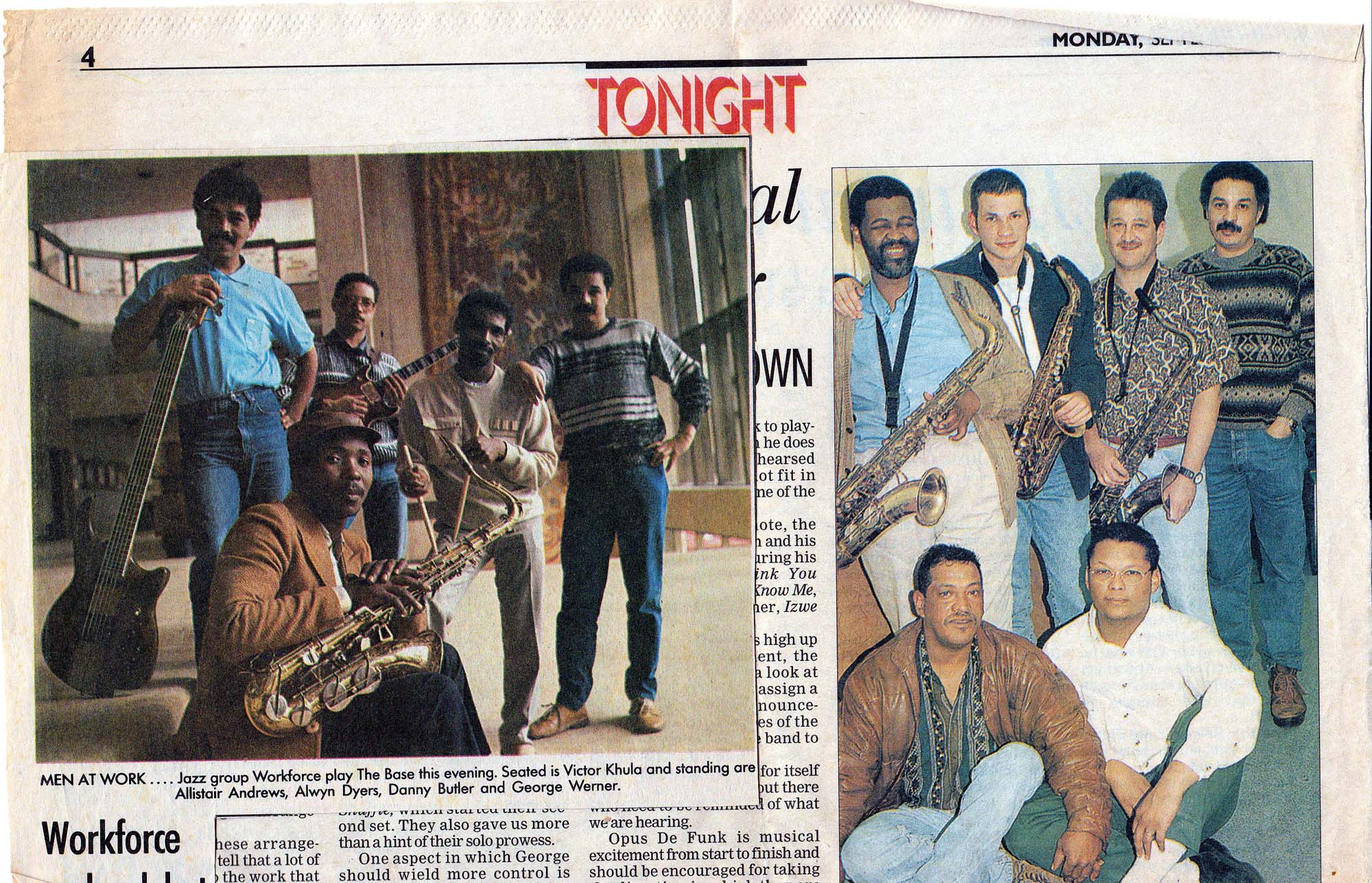
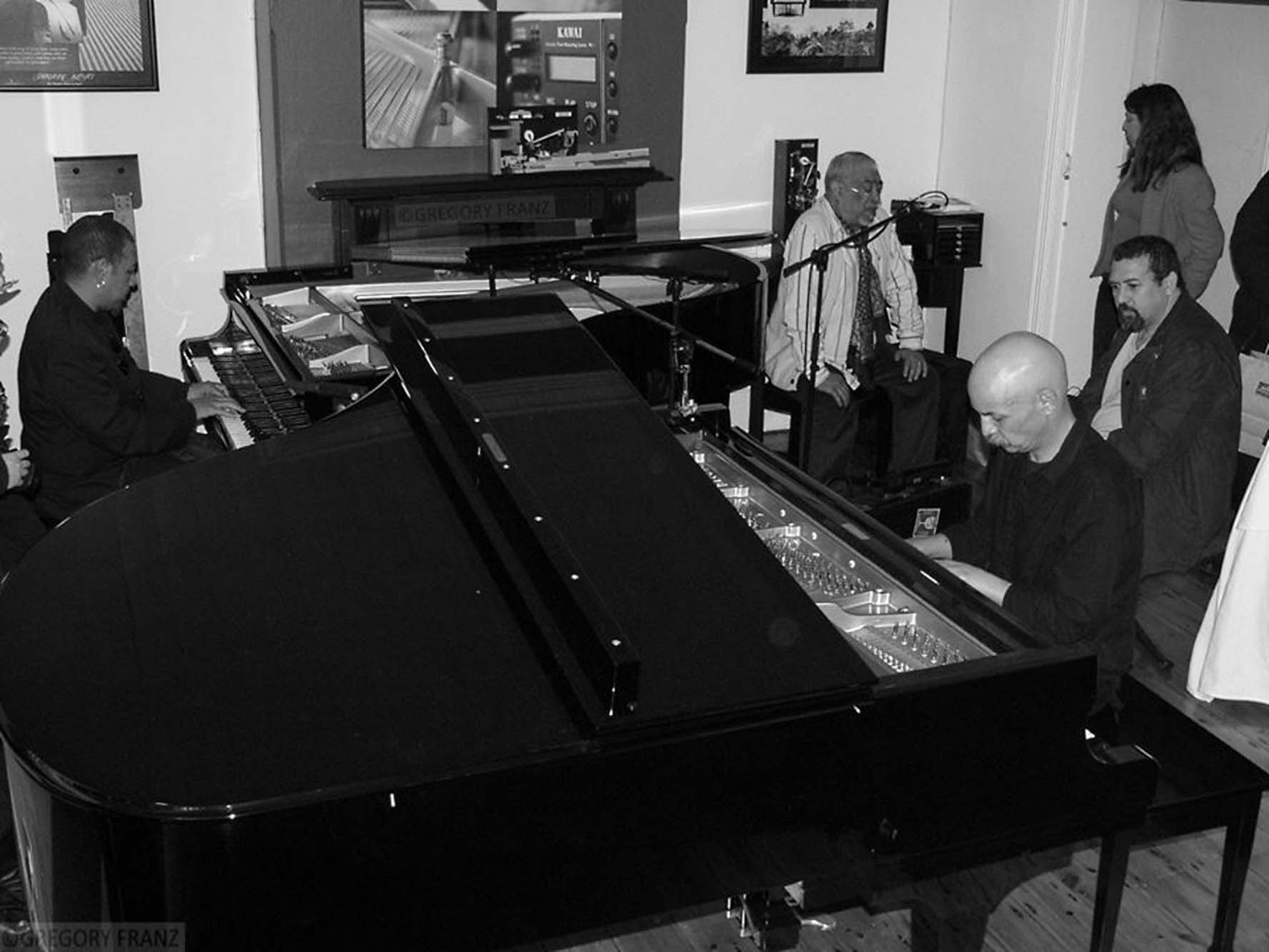
Werner became a self-taught, full-time professional pianist, performing and recording with South African jazz luminaries, including Winston Mankunku, Ezra and Duke Ngcukana, Robbie Jansen, Errol Dyers, Sylvia Mdunyelwa, Tandie Klaasen, and Donald Tshomela. He is an educator, mentor, and community builder.
“When I was in Grade 5, I was still doing classical music. I had a teacher who made the music interesting and fun for us as students. We entered an eisteddfod and we won a special gold, which meant we could perform at the city hall. The big thing was when he took us to a recording studio – and that for me spoke to the notion of outcomes-based education,” said Werner.
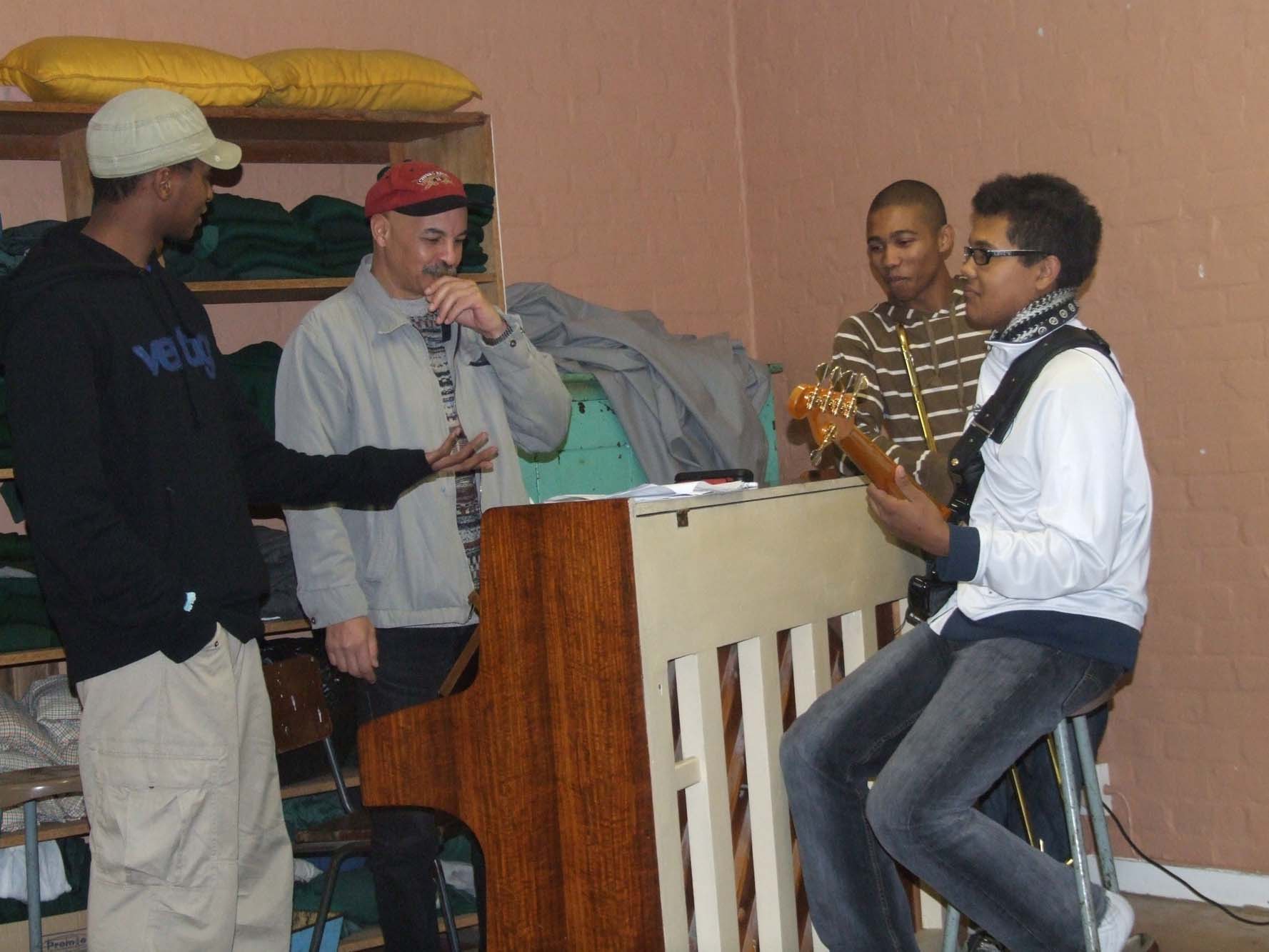
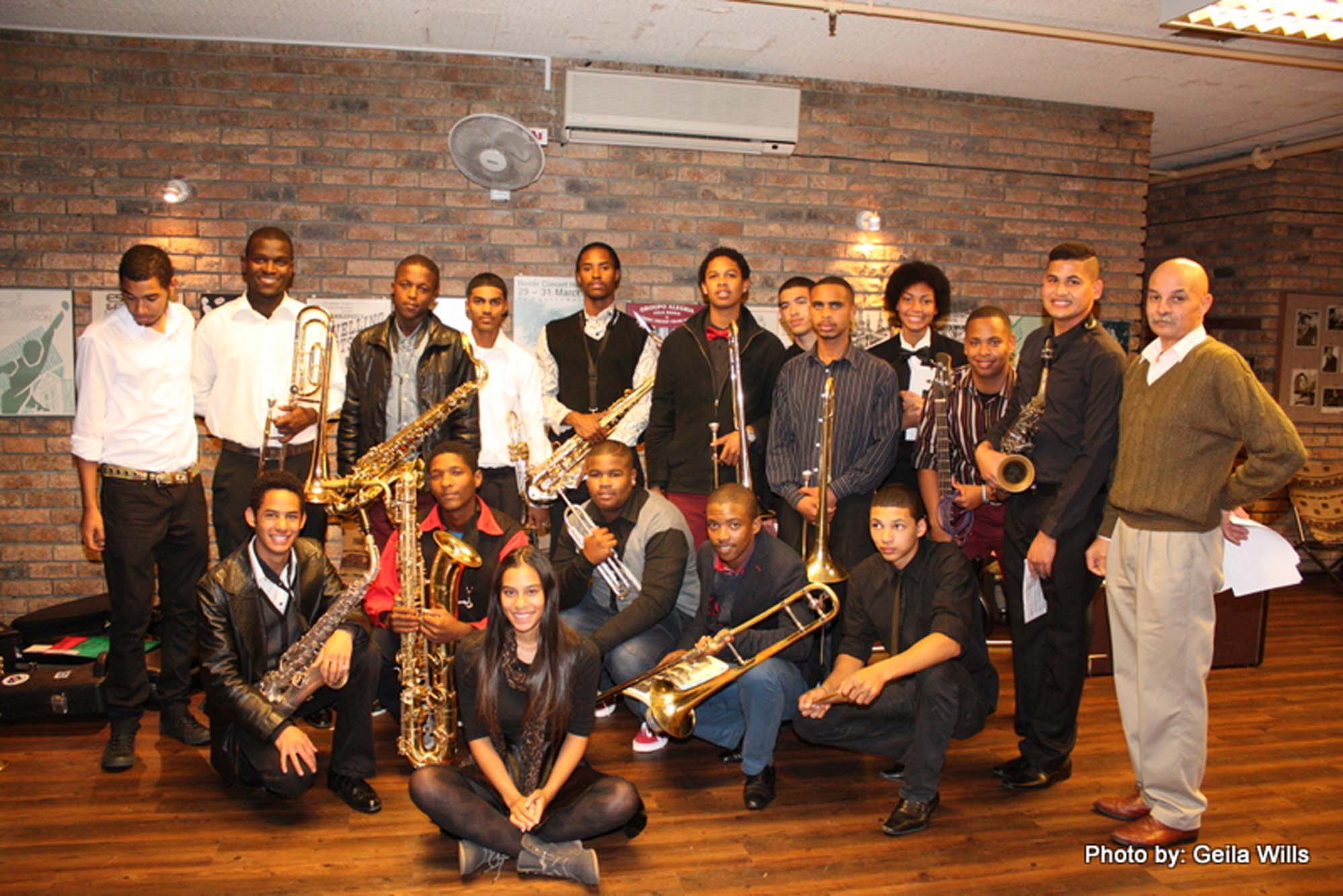
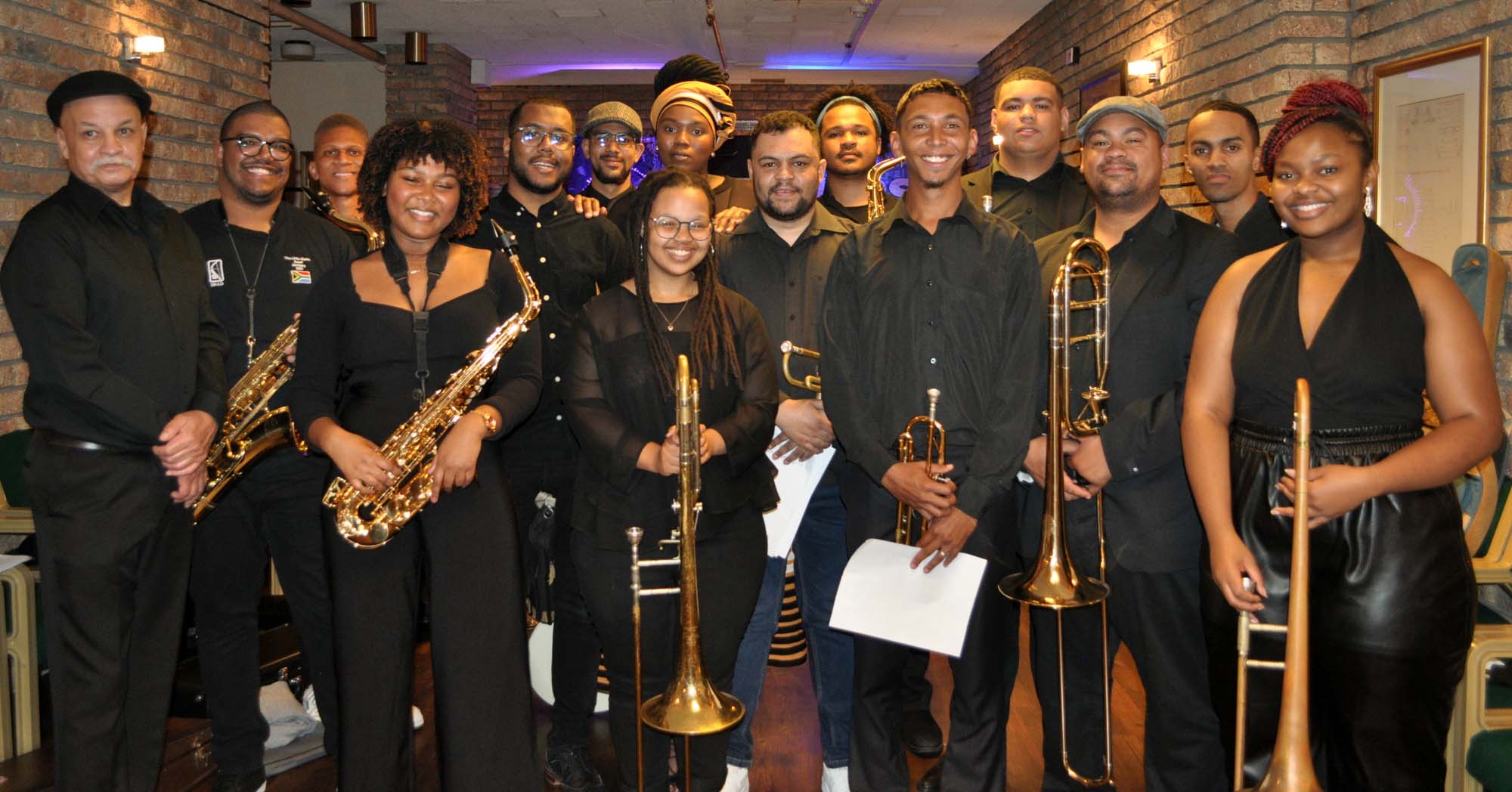
His community-based teaching spans a wide range of locations – from townships such as Langa, Khayelitsha, Nyanga, Gugulethu, Delft, Elsies River, and Hanover Park, to middle-class schools, including the South African College High School (SACS). Through his mentorship, thousands of young musicians – among them Shaun Johannes, Benjamin Jephta, Keenan Arendse, Carlo Fabe, Darren English, Sisonke Xonti, Peter Ndlala, Musa Manzini, Babalwa Meintjies, and Muneeb Hermans – have gained the skills, guidance, and opportunities to pursue professional music careers, tertiary education, and international performance opportunities with artists such as Andrea Bocelli, George Benson, and Johnny Clegg.
“I don’t do things to get honours. I’m about my community.”
In high school, he was playing in music bands, being paid 50 cents per performance. “It was never my intention to continue with music after high school because 50 cents cannot sustain a family, so I went to work for Telkom and I ended up teaching at a technikon. Fast forward, I was at UCT trying to study computer science, but then I became broke. In fact, I was bankrupt and what got me out of that is I went back to music,” he recalled.
“I put my studies on hold because of that. By the way, my studies are still on hold.”

“This honorary doctorate is surprising to me. In a way, I do appreciate this honour; however, I was not working for it. I grew up in a neighbourhood where people (who were my elders) shared their talent. The one guy down the road was a scout master, so he would bring scouts into our area. Another guy played cricket, so he started a cricket team. For me, I had a certain talent, and it’s about sharing. What else am I to do with it? Imagine when I get to heaven with all my knowledge and then be told I’ve brought a lot of baggage because I didn’t utilise my talent on earth.
“I don’t do things to get honours. I’m about my community. As human beings, that is what and who we should be working for: community.”
Currently, Werner is part of Camissa Knights, a Cape Town jazz ensemble. Through his teaching and mentorship, he has produced world-class musicians, teachers, activists, and music academics. His work prioritises South Africa’s musical heritage and contributes to the sustenance and protection of the nation’s unique cultural identity. Beyond music, his guidance fosters social responsibility, global citizenship, and a profound understanding of community and humanity.
 This work is licensed under a Creative Commons Attribution-NoDerivatives 4.0 International License.
Please view the republishing articles page for more information.


