
Wamkelekile, Welkom
UCT’s Research Software Programme innovation strengthens digital research infrastructure
24 March 2026 | STORY SARAH MARRIOTT. PHOTO UNSPLASH. Read time 5 min.
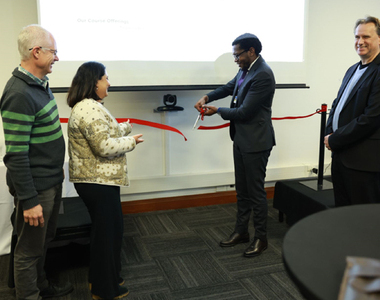
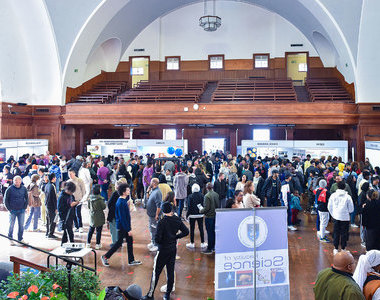
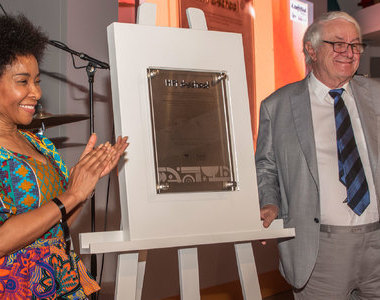
A new programme, led by the University of Cape Town’s (UCT) eResearch Centre, highlights the growing importance of research software for the institution. It aims to build momentum for better research software support, recognition and collaboration. Launched on 16 March 2026, the initiative responds to the increasing role software plays in modern research across disciplines, from data analysis and modelling to artificial intelligence and high-performance computing.
The UCT Research Software Programme aims to strengthen how software is developed to support research and how software, as a product of research, is recognised and encouraged across the university’s research ecosystem. The programme also responds to a growing reality across higher education and the research space: software is no longer peripheral to research – it is increasingly central to how knowledge is produced, analysed, shared and sustained.
Making the invisible infrastructure of science visible
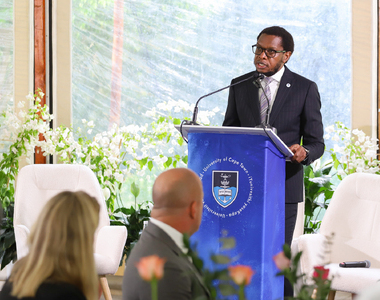
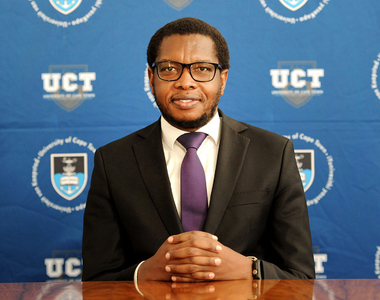
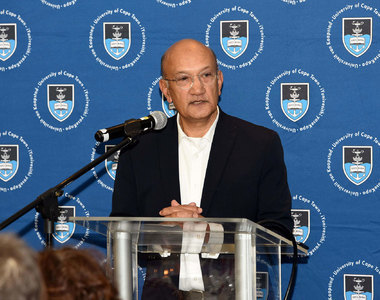
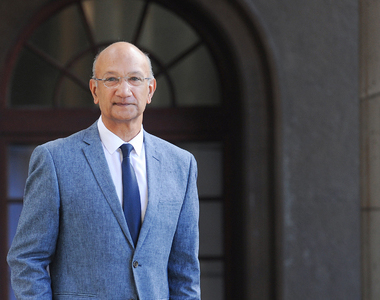
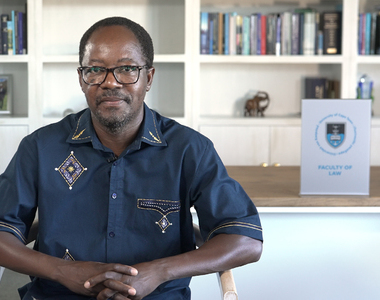
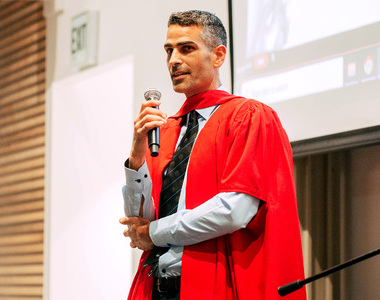
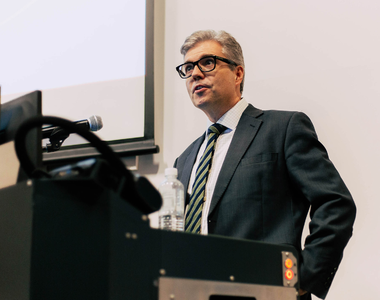
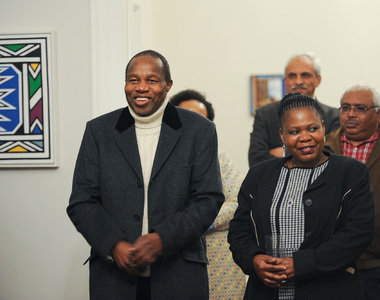
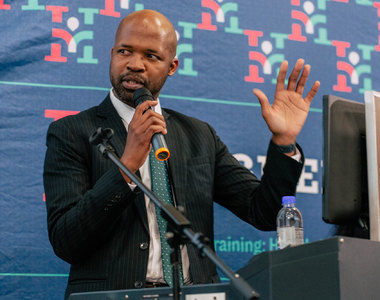
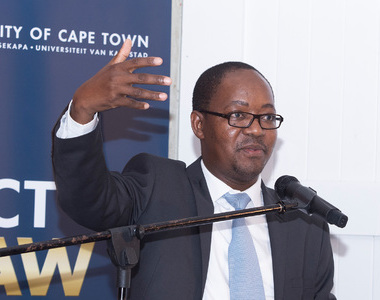
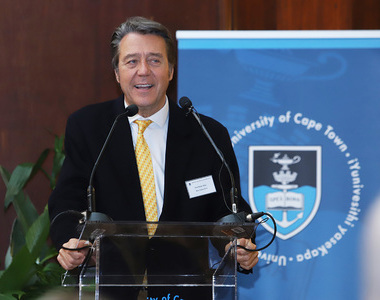
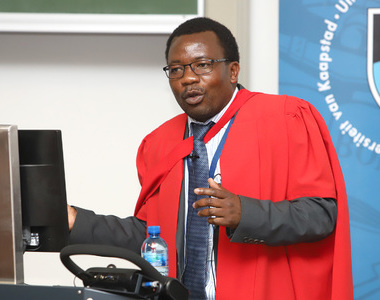
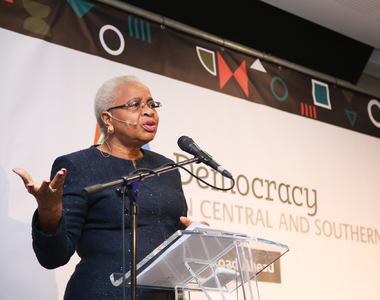
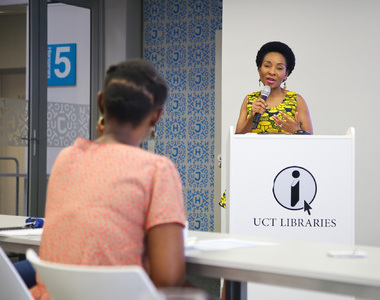
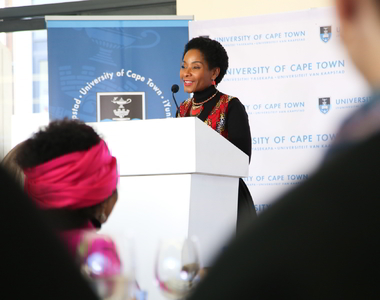
Opening the launch event, Professor Thokozani Majozi, UCT Deputy Vice-Chancellor for Research and Internationalisation, noted how research software is rarely seen, named and rewarded. Referring to it as one of the least visible but most important parts of contemporary research practice.

“The source codes, algorithms, computational workflows, scripts, executables… these are not the footnotes of science. They are increasingly its skeleton,” Professor Majozi said. He argued that research systems often invest heavily in outputs and infrastructure while overlooking the software and expertise that connect them. “We have for too long treated it as unremarkable… [rendering] the very instrument of discovery invisible.”
He observed that research software is everywhere – shaping results, enabling analysis and mediating researchers’ relationship with data. “It is the glue of the digital research ecosystem and without it the layers of modern research infrastructure collapse into disconnected hardware.”
Building momentum at UCT
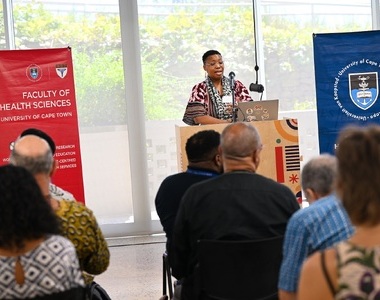
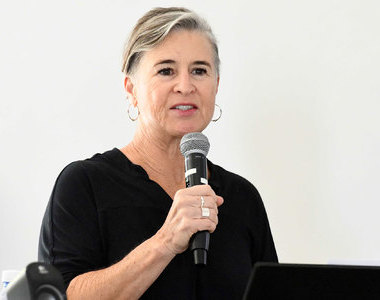
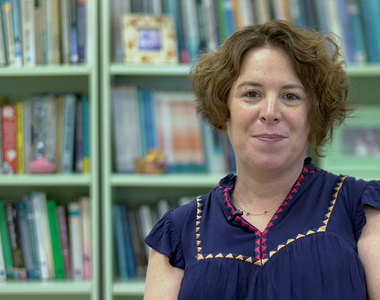
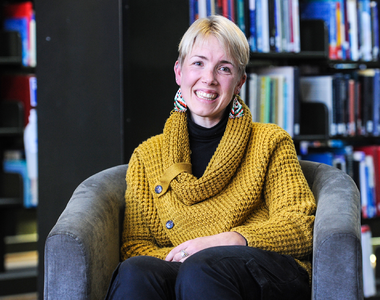
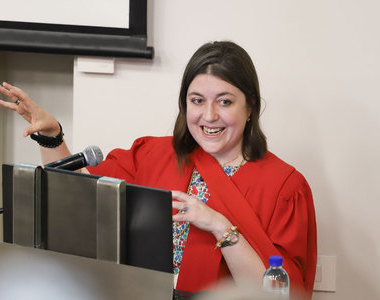
Anelda Van der Walt, a Senior eResearch Analyst at UCT eResearch, remarked that while the global research software movement has grown rapidly over the past decade, there is a significant gap in the African research landscape. The continent has largely been missing from the policy and strategy conversations shaping this space.
Van der Walt explained that software appears across all disciplines, from the humanities and social sciences to engineering, medicine and astronomy, yet it is still often overlooked in institutional planning and funding discussions. “This programme is an opportunity to make sure UCT researchers are visible in that conversation,” she said, “and that our context is part of how the field develops.”
Situated deliberately within the national and international conversations now gathering momentum around research software, artificial intelligence and the future of digital research infrastructure, this UCT initiative has significance beyond the university. The goal is for South Africa and the broader African research community to play a far stronger role in shaping the future of research software.
“Research software is the glue of the digital research ecosystem.”
Majozi agreed: “We are not just building a programme… We are building slowly – and deliberately – a more honest account of how science actually works. I am proud that UCT is stepping forward to take that account seriously.”
Linking local priorities to global momentum
The launch also featured a keynote by Dr Mike Heyns, Technical Programme Manager at Trillium Technologies and a UCT alumnus. He reflected on 10 years of the Frontier Development Lab and the role of research software engineering in facilitating interdisciplinary, AI-enabled science.
Drawing on examples from international collaborations involving AI, Earth systems, heliophysics and lunar exploration, Dr Heyns highlighted the importance of combining subject expertise, data science and software engineering in focused, well-supported teams. “When they work together with the right infrastructure and processes, you create an environment where researchers can do the best work of their lives,” he said.
He also suggested that the speed of technological change makes programmes such as UCT’s especially important. “The future is very much now,” said Heyns. “This initiative cannot come at a better time.”
Opportunities for practitioners
A core aim of the programme will be to better understand how research software is currently used and developed at UCT and what kinds of support researchers need. The programme also reflects a growing recognition that many researchers already develop software as part of their work, often without formal training or support.
“Many of us in academia are effectively self-taught software developers,” Professor Mattia Vaccari, Director of the UCT eResearch Centre, said. “With the rapid emergence of new technologies, and especially AI-driven coding tools, this is an excellent moment to think carefully about how researchers develop code, how they can do it better, and how that code can be reused to advance research across fields.”
“The future is very much now…This initiative cannot come at a better time.”
A low-risk, high-value institutional step
The programme is a deliberately low-cost and low-commitment initiative designed to build evidence and institutional learning. Rather than beginning with large-scale interventions, the focus will be practical activities such as workshops on research software quality, small online sessions on publishing and sharing software, and opportunities for leaders and practitioners to engage with policy and strategy questions.
The intention is not only to offer support, but to listen. “This is the beginning of a conversation,” Van der Walt said. “We want to hear from researchers about what they are doing, what challenges they face and what support they need.”
 This work is licensed under a Creative Commons Attribution-NoDerivatives 4.0 International License.
Please view the republishing articles page for more information.