
Wamkelekile, Welkom
Documentary pays tribute to Diana Ferrus and Sarah Baartman
12 February 2026 | Story Stephen Langtry. Photos Lerato Maduna. Read time 5 min.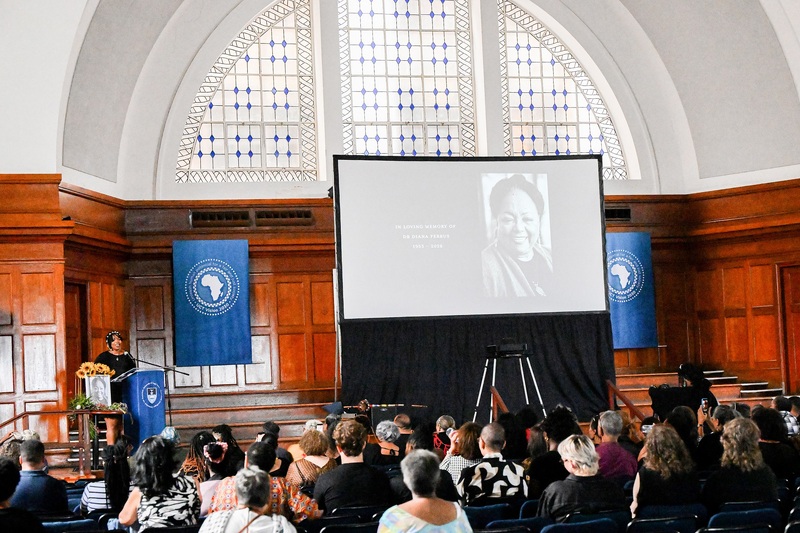
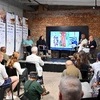
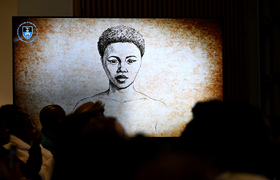
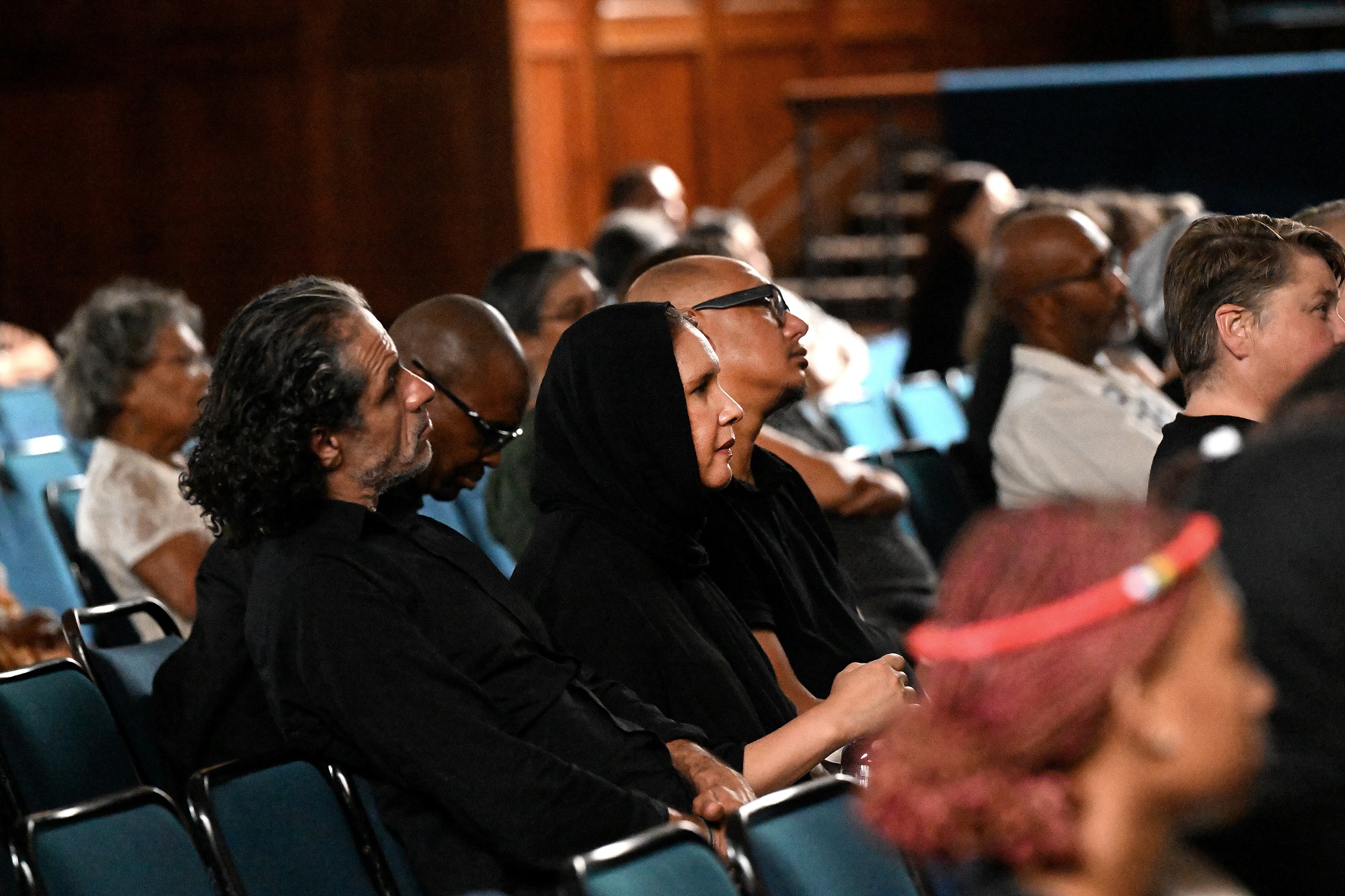
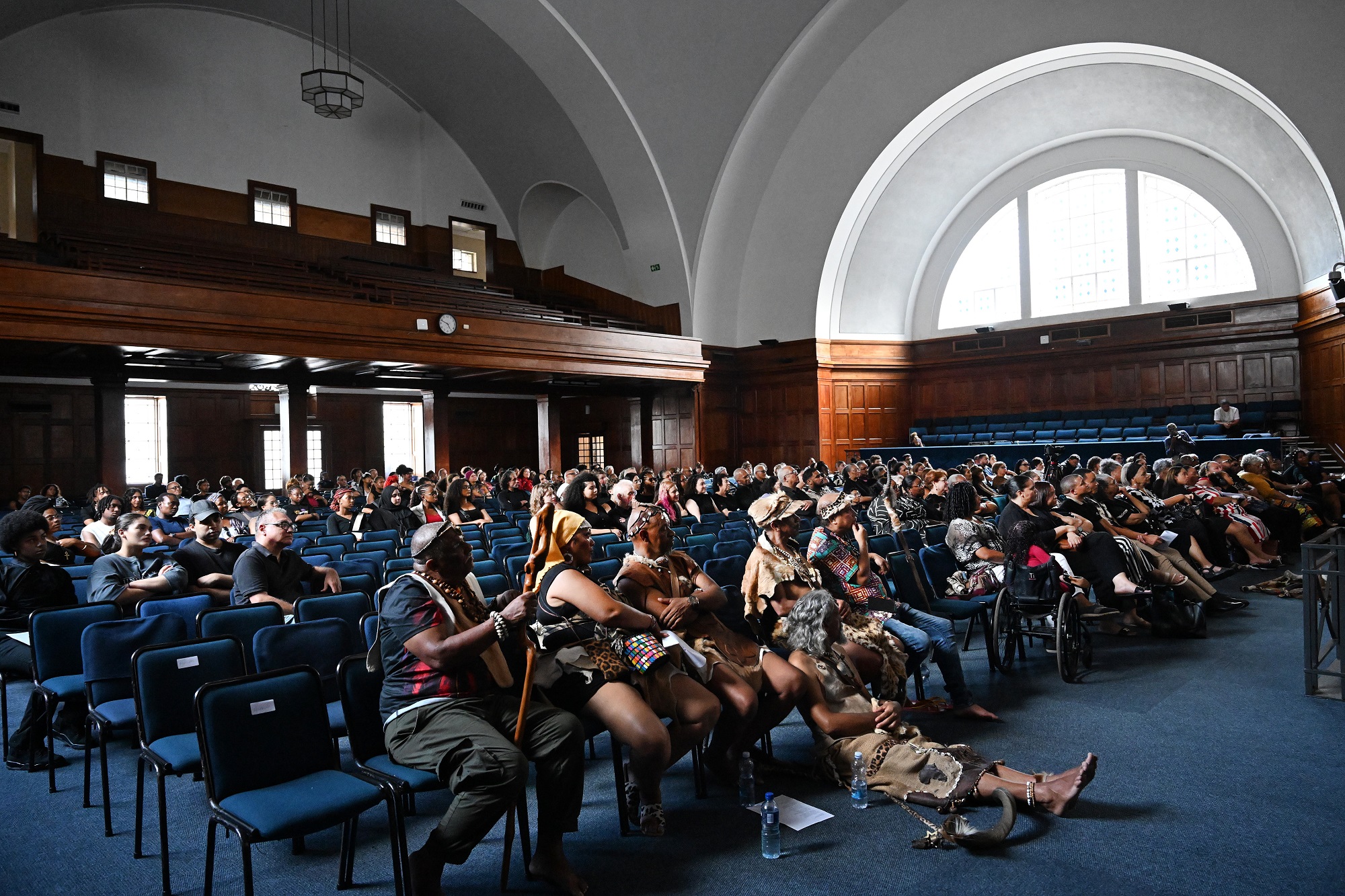
On 7 February, the University of Cape Town’s (UCT) Faculty of Humanities hosted a screening of Bones, a documentary by master’s student Nomandla Vilakazi.
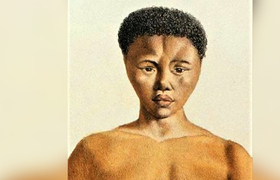
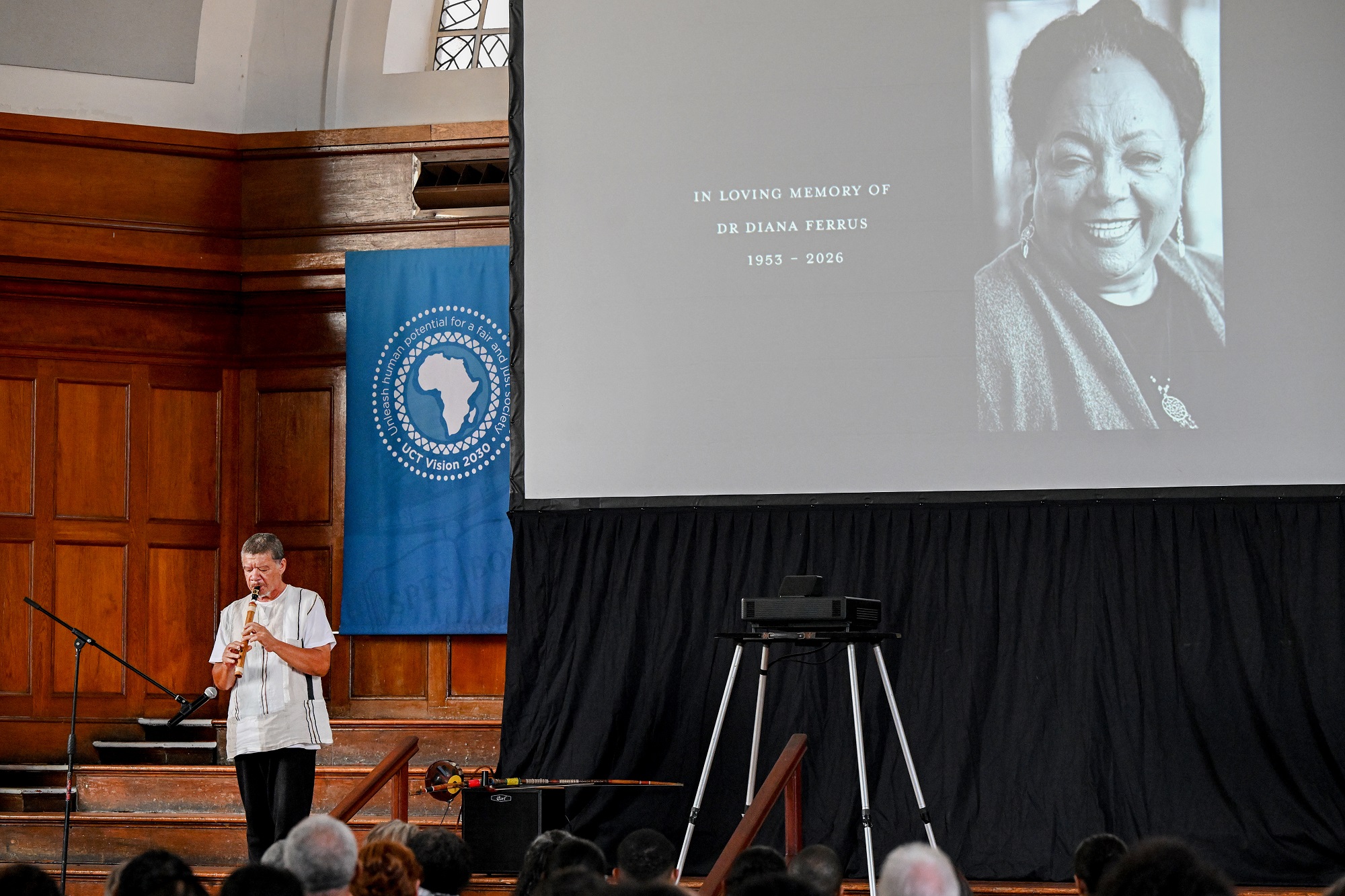
Held at Sarah Baartman Hall, the event formed part of the Sara’s Echo GBV [gender-based violence] Awareness Screening series and doubled as a tribute to the late Dr Diana Ferrus, whose work helped secure the repatriation of Sarah Baartman’s remains from France in 2002.
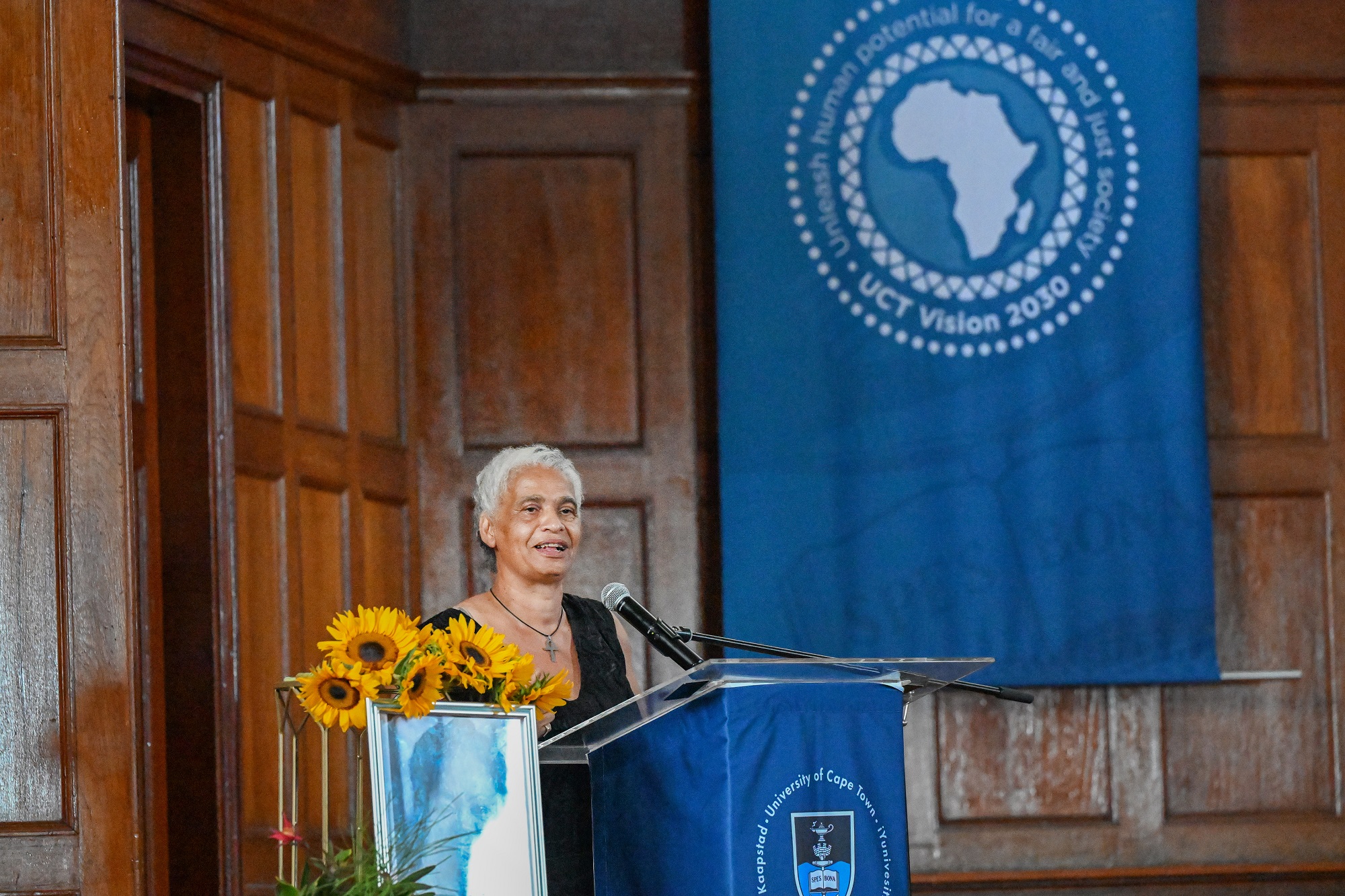
Opening the event, Associate Professor Benita Moolman, the head of the Department of African Feminist Studies, framed the gathering as both a space of grief and resolve. “There are no words at the time of passing. The loss is palpable and still reverberates through our bones and our bodies,” she said.
Associate Professor Moolman situated the screening within a broader feminist and decolonial context, reflecting on her own Khoe ancestry and African heritage. She reminded the audience that Sarah Baartman’s story remains a mirror for contemporary South Africa. “Sarah’s story is, and has always been, a reminder to the community of the way we are dehumanised – in all communities and in the homes that we live in,” she said. “The dehumanisation and brutal violence against women that we still live with in South Africa today has a history that eclipses Sarah.”
“We don’t need to request permission to live. By virtue of being African, we do live. This is our moment. We will write our stories anyway.”
Drawing a direct link between Baartman and Dr Ferrus, Moolman emphasised how Ferrus’s landmark poem, “I’ve Come to Take You Home”, became a catalyst for national reckoning. “Diana reminds us that what they wrote about her, they wrote about us. And the story of us is based on the story they wrote about her.”
The screening, Moolman noted, was not only about looking back but about claiming narrative power in the present. “We don’t need to request permission to live. By virtue of being African, we do live. This is our moment. We will write our stories anyway.”
Art in a fractured world
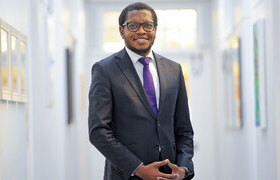
Professor Adam Haupt, the director of the Centre for Film and Media Studies, said, “We live in a context where ethno-nationalism, patriarchy, xenophobia, misogyny, transphobia [and] homophobia seem to be doubly vile.
“This is despite the fact that the South African Constitution prescribes an ideal society.”
In such a climate, he argued, art carries particular urgency. “Art can change the world. We need to seize moments such as these to celebrate artists and activists who bring love into the world.”
Professor Haupt described Bones as a reminder that film is not merely aesthetic expression but a form of ethical engagement – one that can create common ground despite differences. “We need to carefully work to find ourselves and each other in a common humanity. This message of hope is needed now more than ever.”
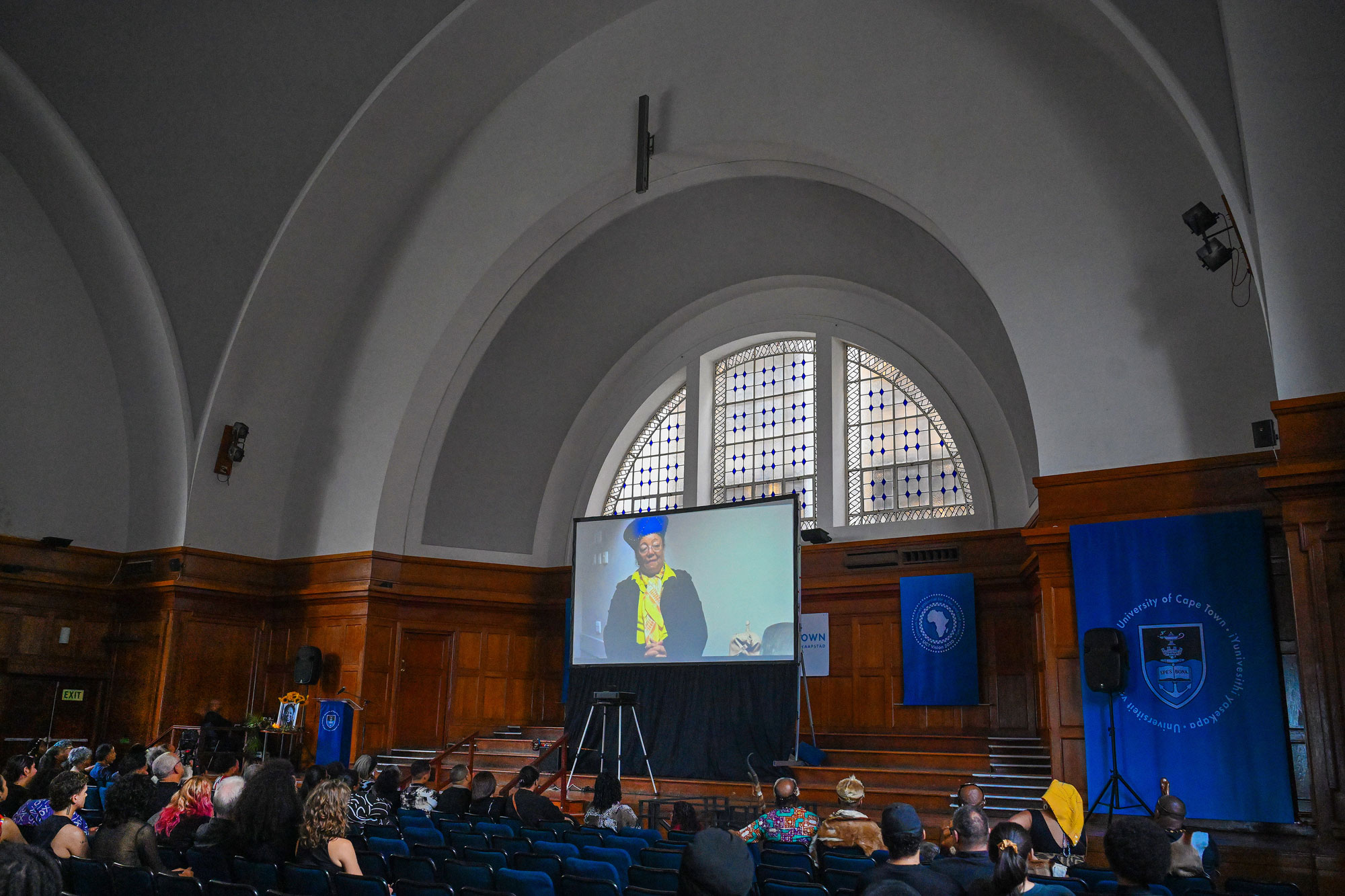
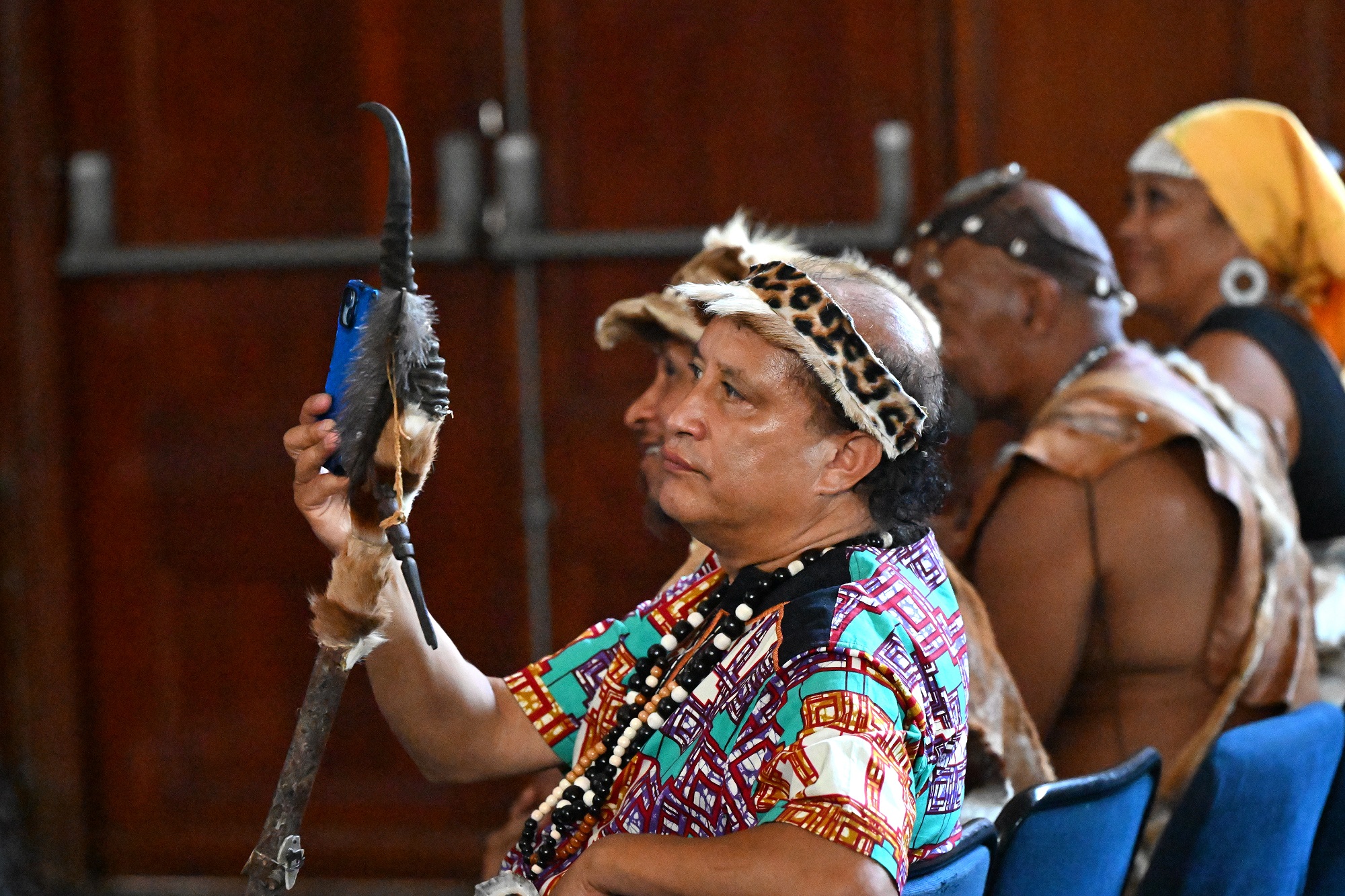
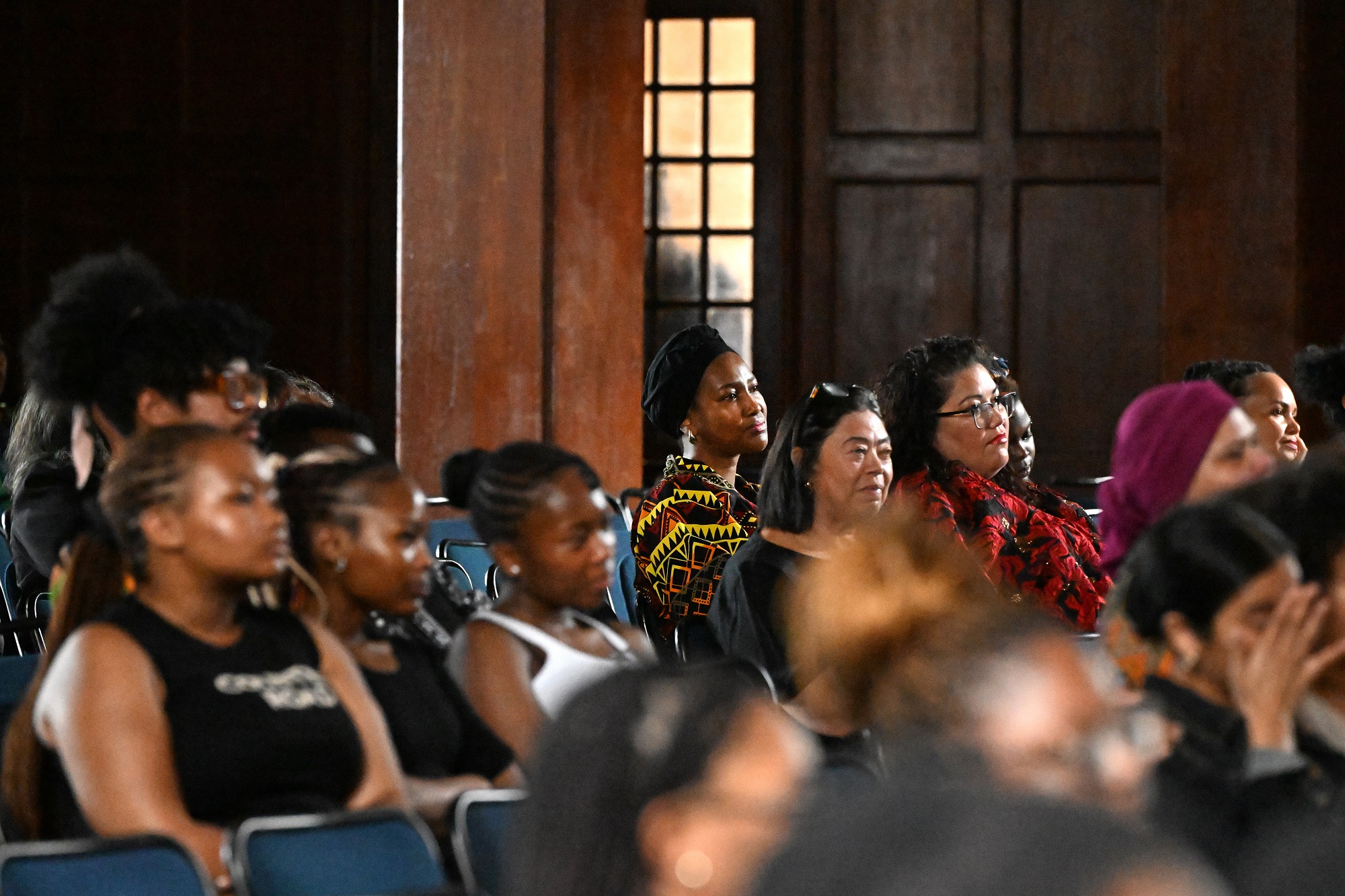
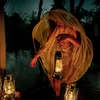
Bones weaves archival footage of Baartman’s repatriation with interviews and reflections on Ferrus’s activism. It also connects historical spectacle and exploitation to contemporary manifestations of GBV and femicide.
“Changing the name of a building can only be the first step in restorative justice,” Vilakazi argued. “We need to start intervening and healing.” Through the Sara’s Echo project, funded by the National Film and Video Foundation’s GBV Awareness Screening Fund, Vilakazi is taking her films into high schools and universities across Cape Town. The screenings are accompanied by workshops addressing consent, bodily autonomy and agency.
Representing the Ferrus family, Laniëlle Hartzenberg spoke about her aunt’s legacy. “She taught people to trust their own voice; to say their stories out loud,” Hartzenberg said. “She made us far more powerful.” Reflecting on the documentary, she added: “This is not the end … You are making her proud.”
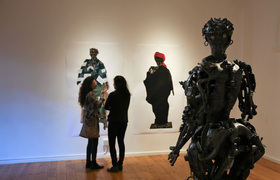
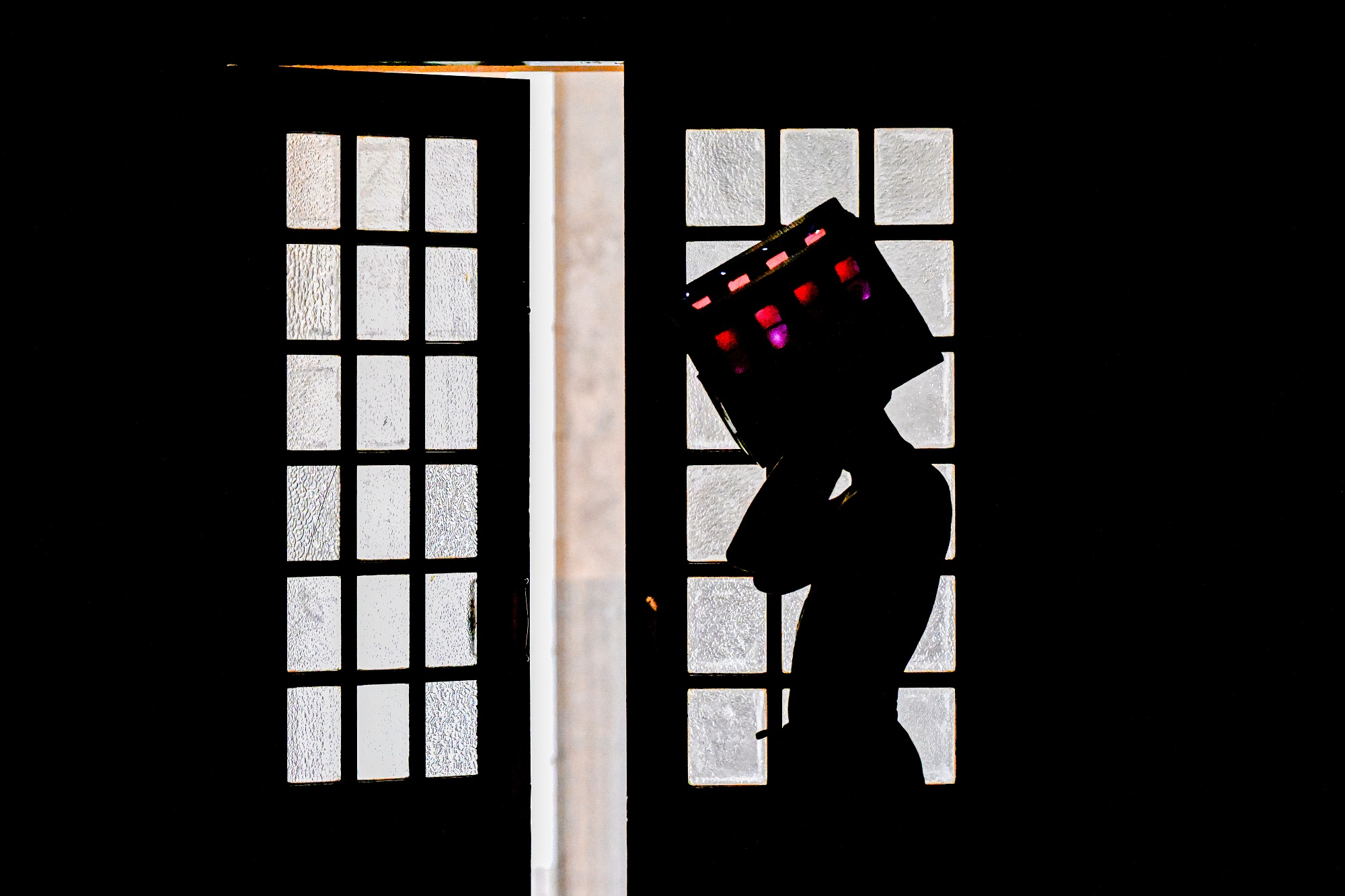
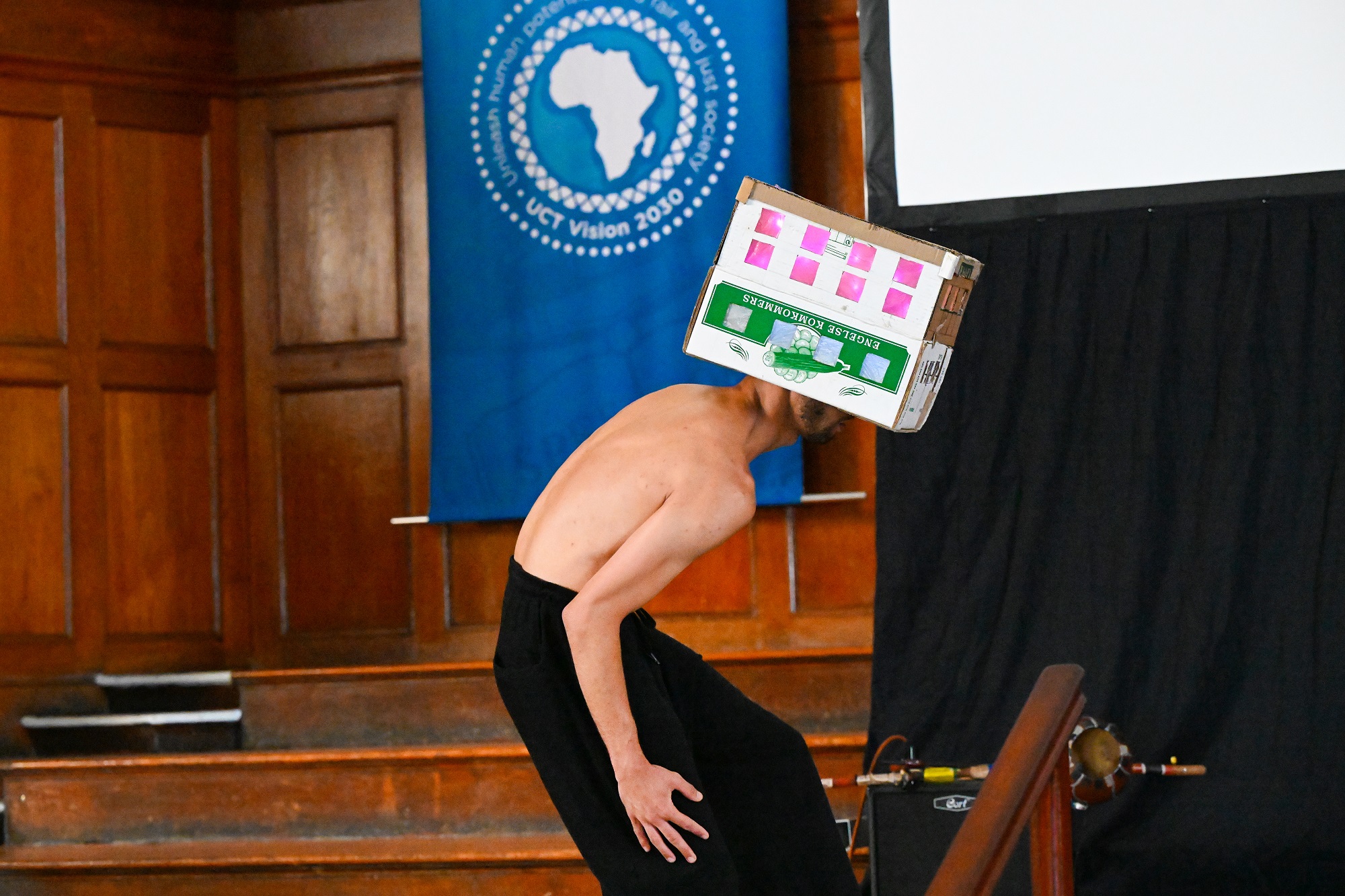
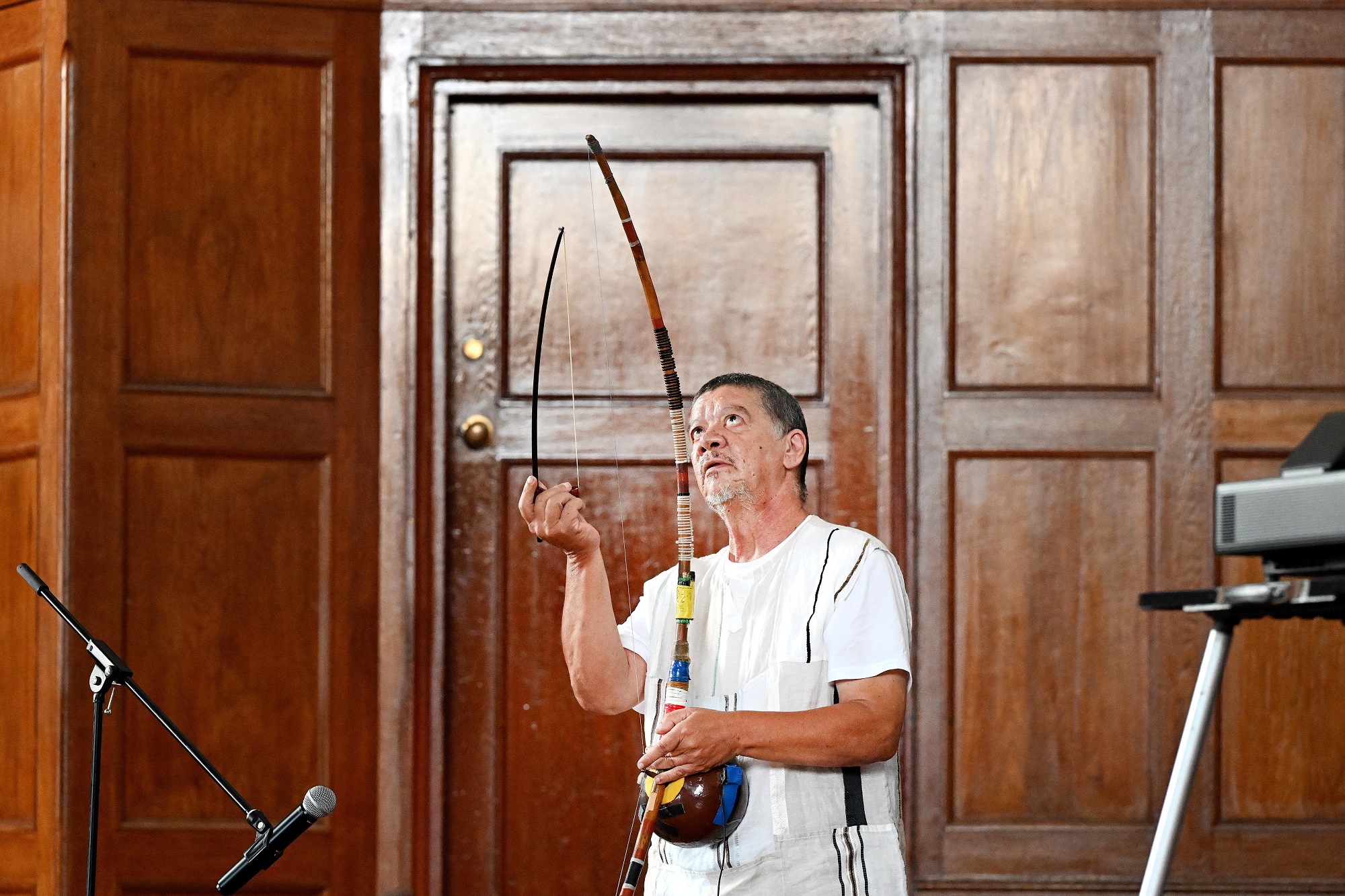
The programme included a dance performance by Ashlynn Erasmus that honoured Krotoa and indigenous women, a musical tribute by Garth Erasmus, and a performance art piece by Darion Adams on homecoming. The Ferrus family also requested a segment titled Behind the Bones, offering a deeper look into Vilakazi’s archival footage of Ferrus.
 This work is licensed under a Creative Commons Attribution-NoDerivatives 4.0 International License.
Please view the republishing articles page for more information.