
Wamkelekile, Welkom
Storytelling as a research skill
18 December 2025 | Story Lisa Templeton. Photo Lerato Maduna. Read time 4 min.
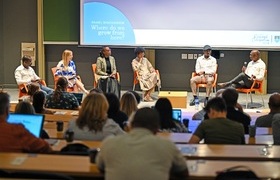
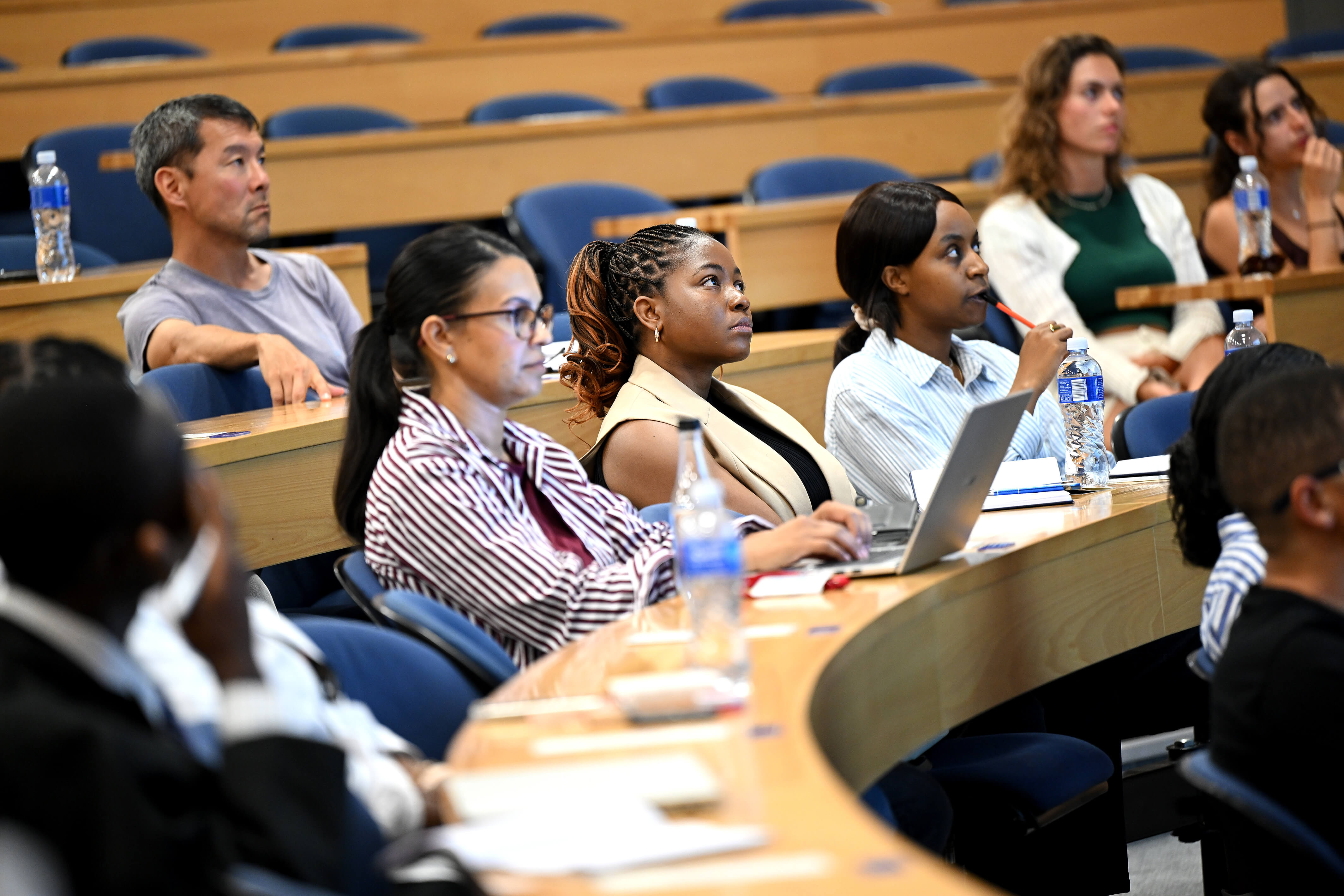
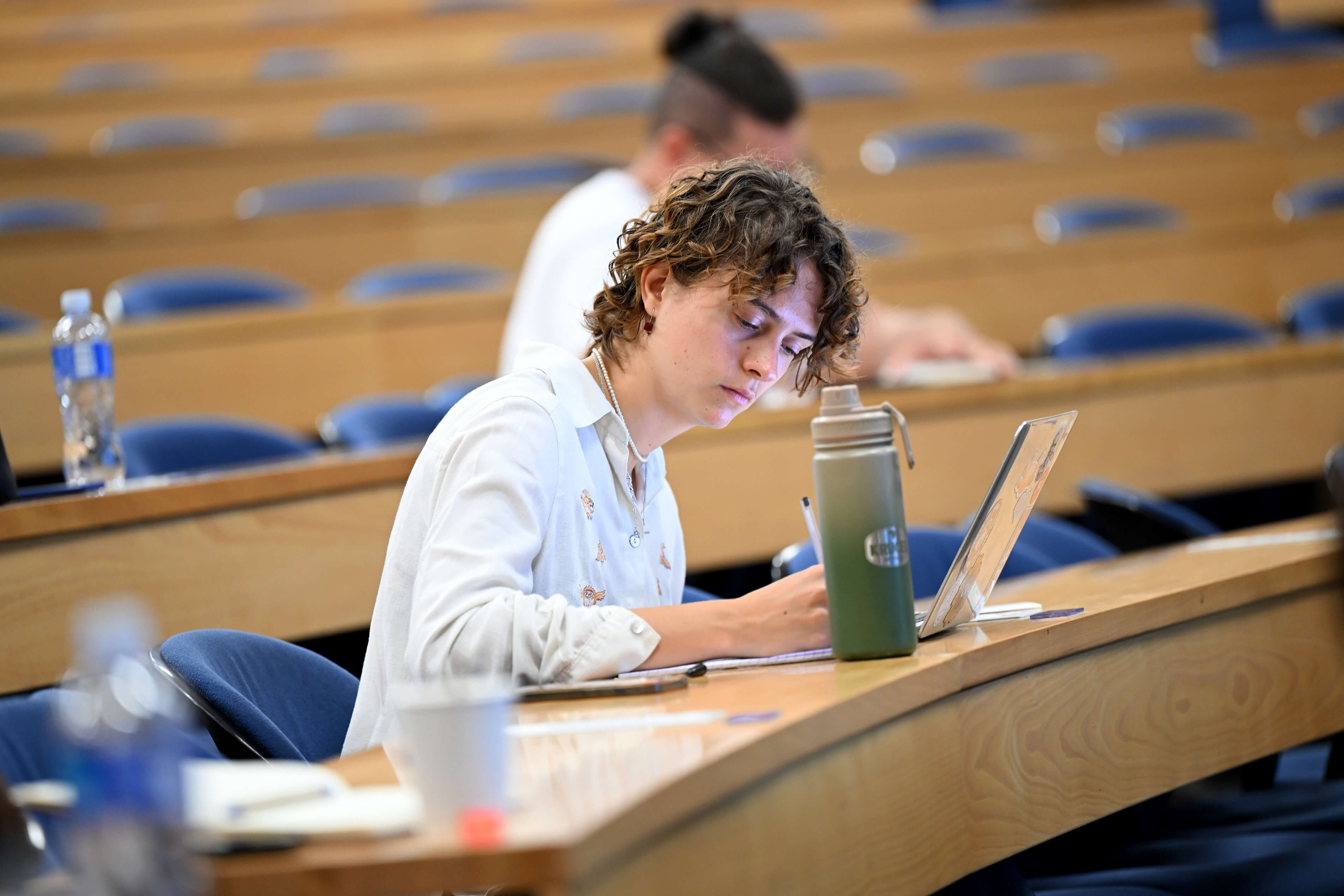
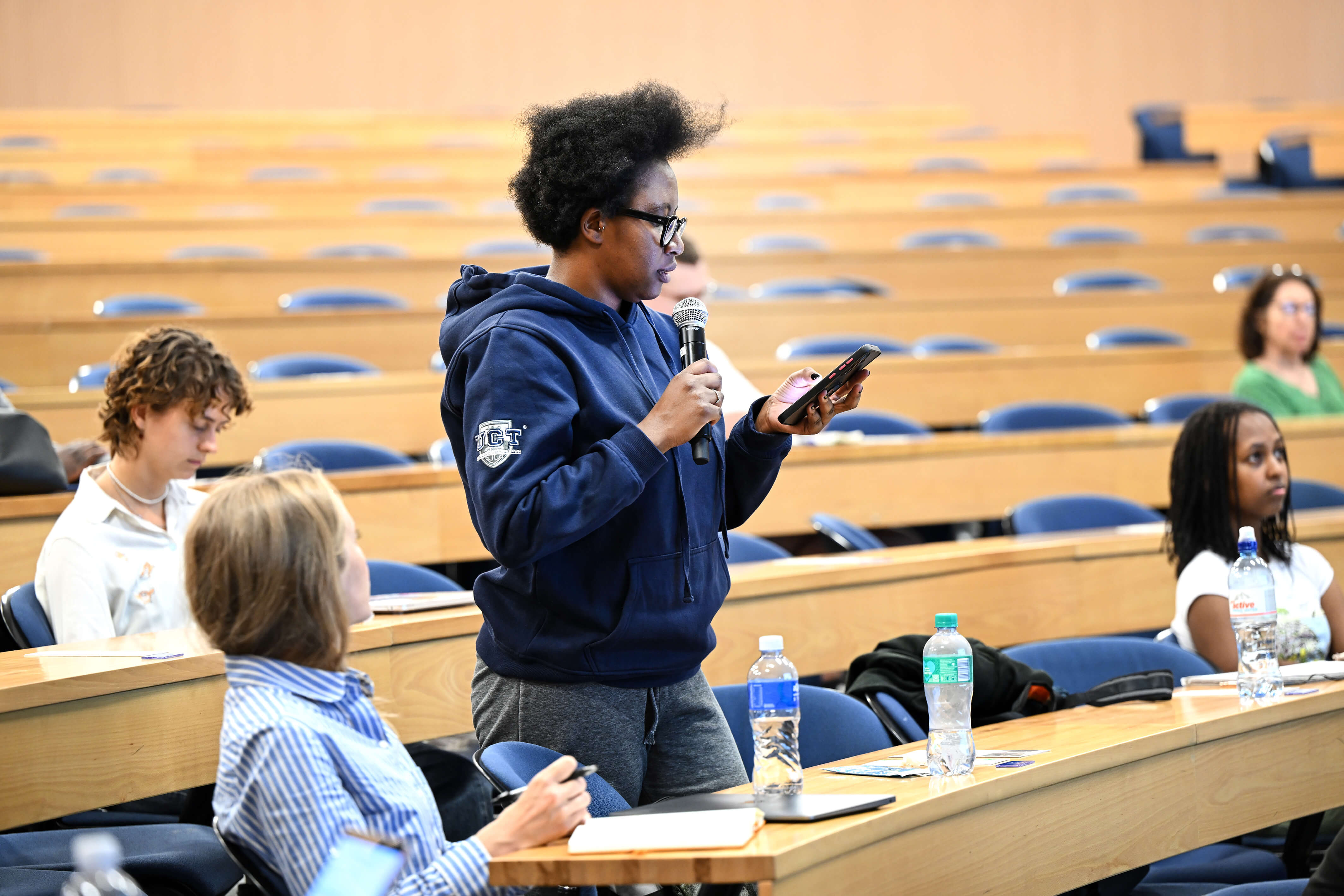
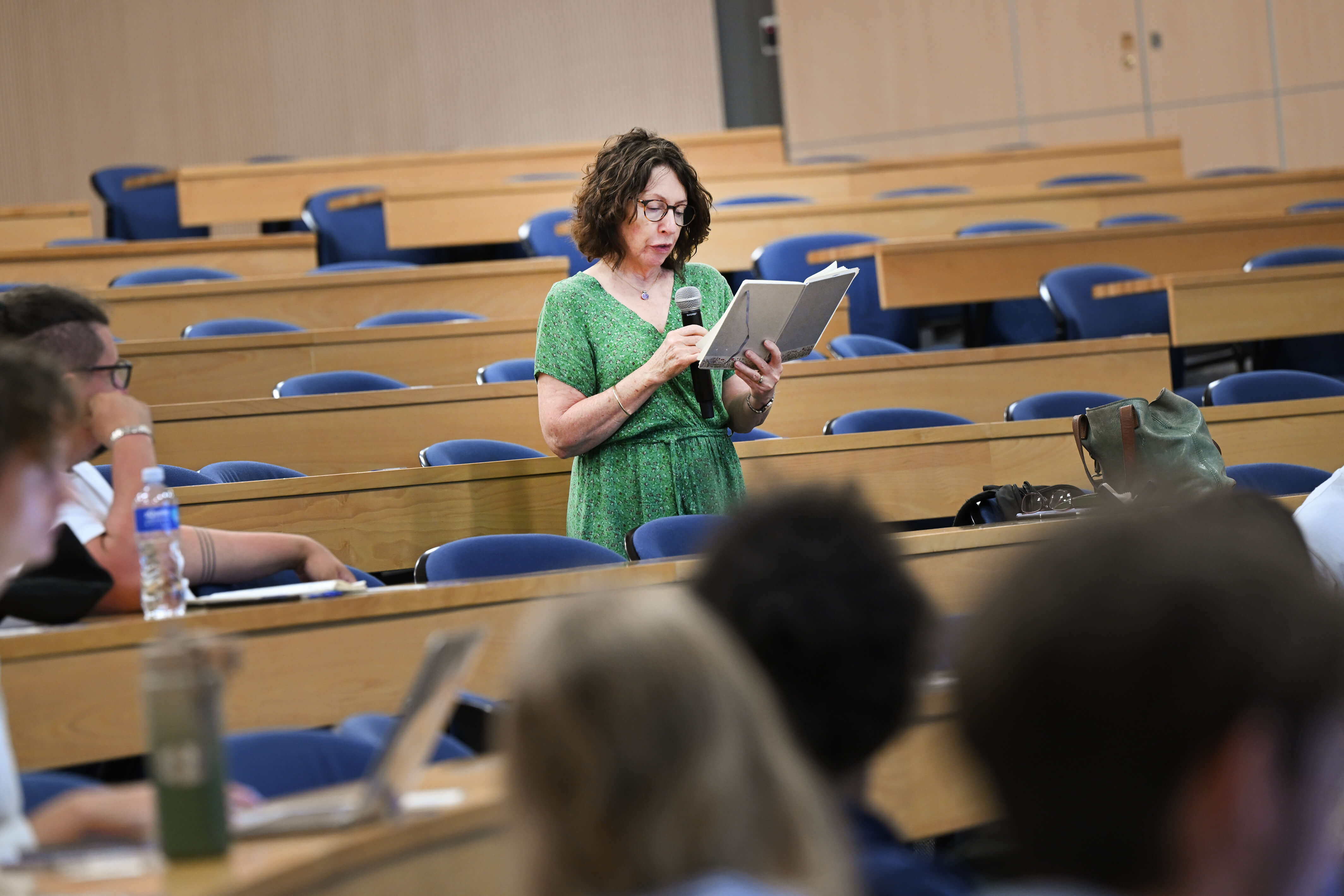
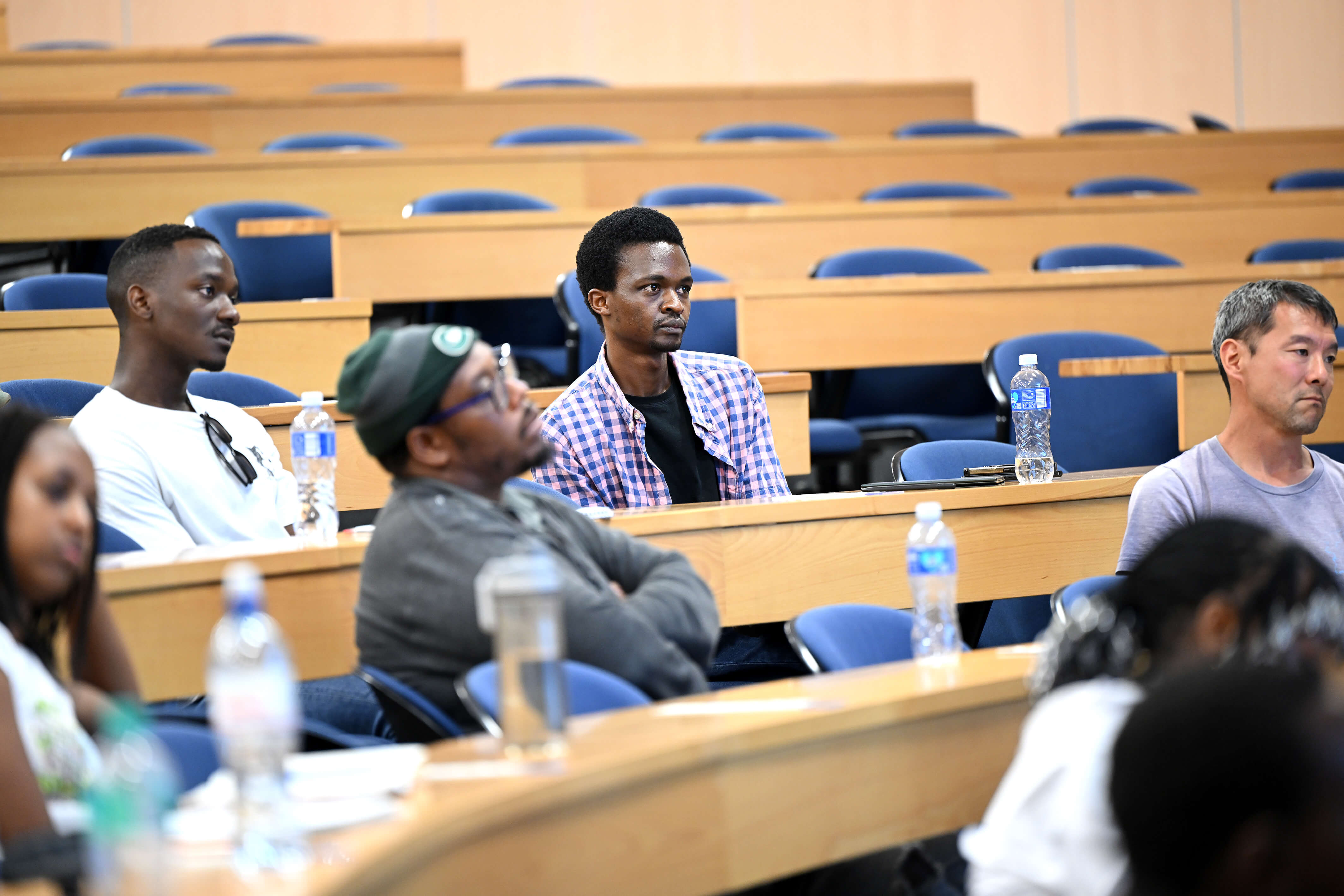
At a seminar hosted by the University of Cape Town’s (UCT) Knowledge Co-op, Renira Narrandes explored how narrative structures can sharpen the communication of research. Speaking to attendees in-person and online, she outlined why storytelling is a vital skill for academics seeking to effectively convey ideas and influence real-world change.
In a session targeted at postgraduate students, cohorts, supervisors, researchers and postdoctoral fellows, Narrandes, founder of KT (Knowledge Translation) Storytelling, explored how storytelling can help researchers pass on knowledge in a way that is clear, easy to understand, and memorable.
A specialist in supporting health and science communicators, she argues that narrative plays a key role in helping researchers convey the significance of their work, connect with diverse audiences, and inspire action.
Powerful tool
“I believe storytelling is one of the most powerful tools we have to connect with others and share knowledge, yet many of us have never been trained in it,” said Narrandes, a South African-Canadian KT expert, storyteller and spoken-word poet. She currently works across two academic hospitals in Toronto, Canada.
“I believe storytelling is one of the most powerful tools we have to connect with others and share knowledge.”
She opened by reflecting on a familiar academic experience: attending a presentation where a speaker reads directly from slides. “This is a person who knows a lot about a topic, who should be passionate, but who parrots what we can already read ourselves, usually at a different speed. This results in us losing focus or attention.”
These kinds of presentations, she noted, often follow the same rigid pattern: introduction, objectives that are never mentioned again, fact after fact, conclusion.
Many researchers assume they won’t be trusted unless they present every detail, said Narrandas. But evidence shows that people absorb information more easily when it is organised as a story. “The human brain is hard-wired to follow threads and stories. It’s how we have passed on information for so long.”
A clear story helps audiences make sense of information, remember it, empathise and stay engaged. Narrative does not replace data: it gives it shape, meaning and relevance.
Influencing audiences
This approach uses stories to share insights and influence audiences towards behavioural change. “If you want buy-in, you need to communicate it in a way that achieves this,” she said.
Roshan Sonday, programme manager of the UCT Knowledge Co-op, agreed. “Knowledge translation is a vital skill for all of us, especially students who need to present and write their research in creative, engaging ways that capture their audience’s attention.”
The co-op brokers collaborations between UCT researchers and other organisations, such as NGOs, government bodies and small, medium and micro enterprises (SMMEs), to co-create knowledge and drive practical solutions with real-life impact.
“Renira’s framework is designed to make research communication clear, engaging and accessible, which can be especially helpful for students who have English as a second language,” said Sonday.
Narrandes outlined four key ingredients of a compelling story:
- emotional connection – the why of the project, often forgotten
- high stakes – the consequence of not securing funding and completing the work
- change – something that shifted during the process, even if the experiment didn’t go as planned
- a clear message – distinct from the conventional conclusion of a study.
Tailor the message
“Story structuring is an important skill,” she said. “The brain needs to hear information in a logical order to make sense of it. Critically, you need to understand the essence of your story before you start putting it together. Once you have the structure, you can tell your story without including every little detail.”
Another essential skill is understanding your target audience and tailoring the message to the listener.
Two attendees, Estelia Mwambene and Akinola Oketoobo, won tickets to attend Narrandes’s full online workshop next year. For Oketoobo, an MSc (Eng) candidate in Civil Engineering, the session was “insightful, well-structured and incredibly engaging”.
“I am truly grateful to the UCT Knowledge Co-op and the institution for putting together such an impactful learning experience. I look forward to applying the knowledge gained,” he said.
 This work is licensed under a Creative Commons Attribution-NoDerivatives 4.0 International License.
Please view the republishing articles page for more information.