

Wamkelekile, Welkom
UCT hosts regional student success gathering
09 April 2026 | Story Luna August. Photos Supplied. Read time 4 min.
The University of Cape Town (UCT) recently convened higher education professionals from across the province for a critical workshop on monitoring and evaluation (M&E) in student success initiatives. The event was the first in a four-part series organised by the Siyaphumelela Western Cape Regional Network.
Translating to “we succeed”, Siyaphumelela is a national initiative managed by the South African Institute for Distance Education (Saide), that aims to broaden evidence-based student success strategies across South African higher education. The Western Cape regional network comprises UCT, the University of the Western Cape (UWC), the Cape Peninsula University of Technology (CPUT) and Stellenbosch University (SU).
Universities worldwide face a common hurdle, while countless student success interventions are rolled out annually. Determining whether these programmes actually work as intended remains a complex challenge. The first workshop was specifically designed to help participants understand why M&E matters in this context, explore how regional universities apply these practices and establish how a strong culture of evaluation can lead to continuous improvements. The overarching aim was to demonstrate how M&E enables institutions to move beyond anecdotal evidence and using rigorous data to strengthen and sustain their initiatives.
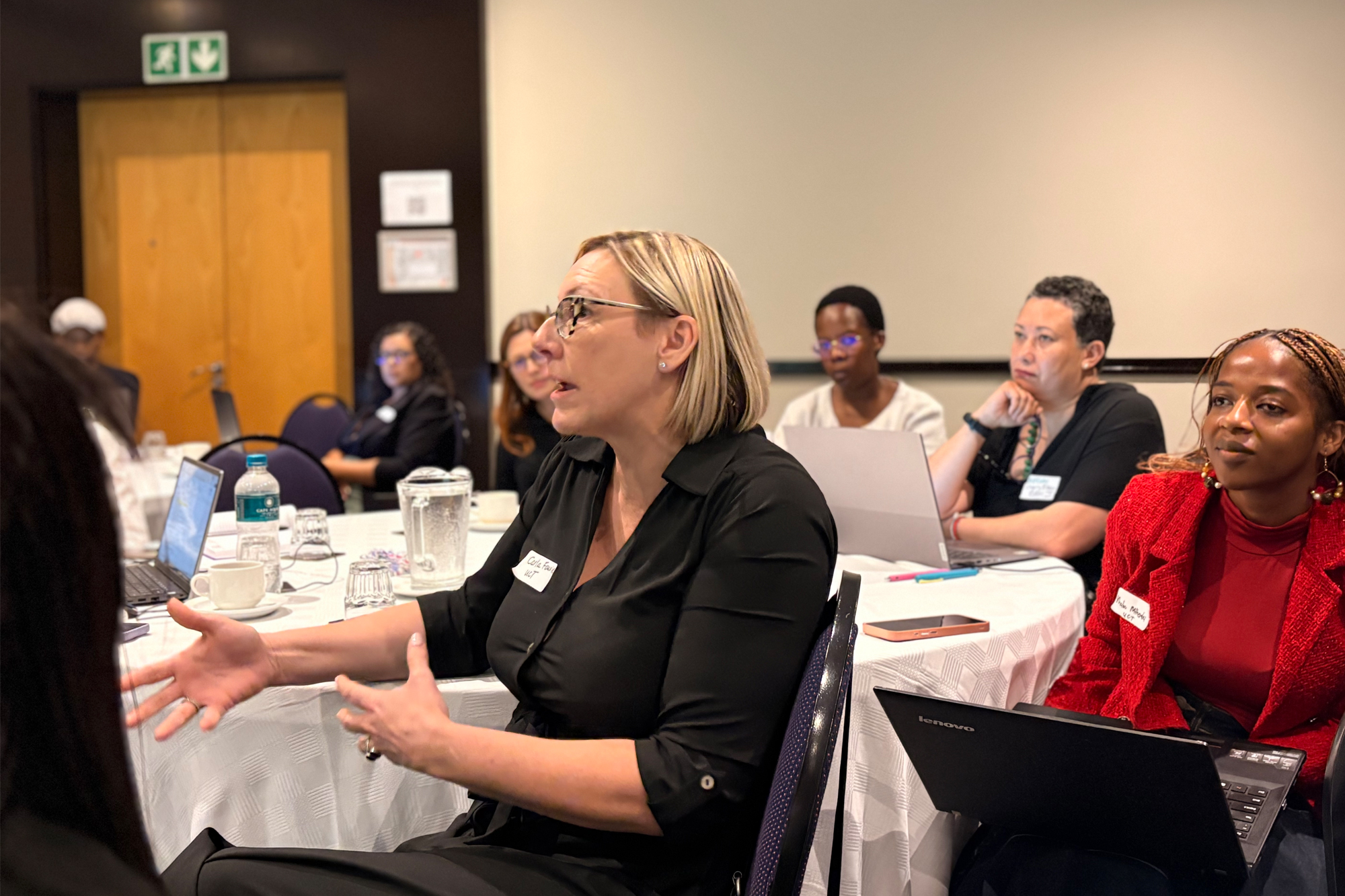
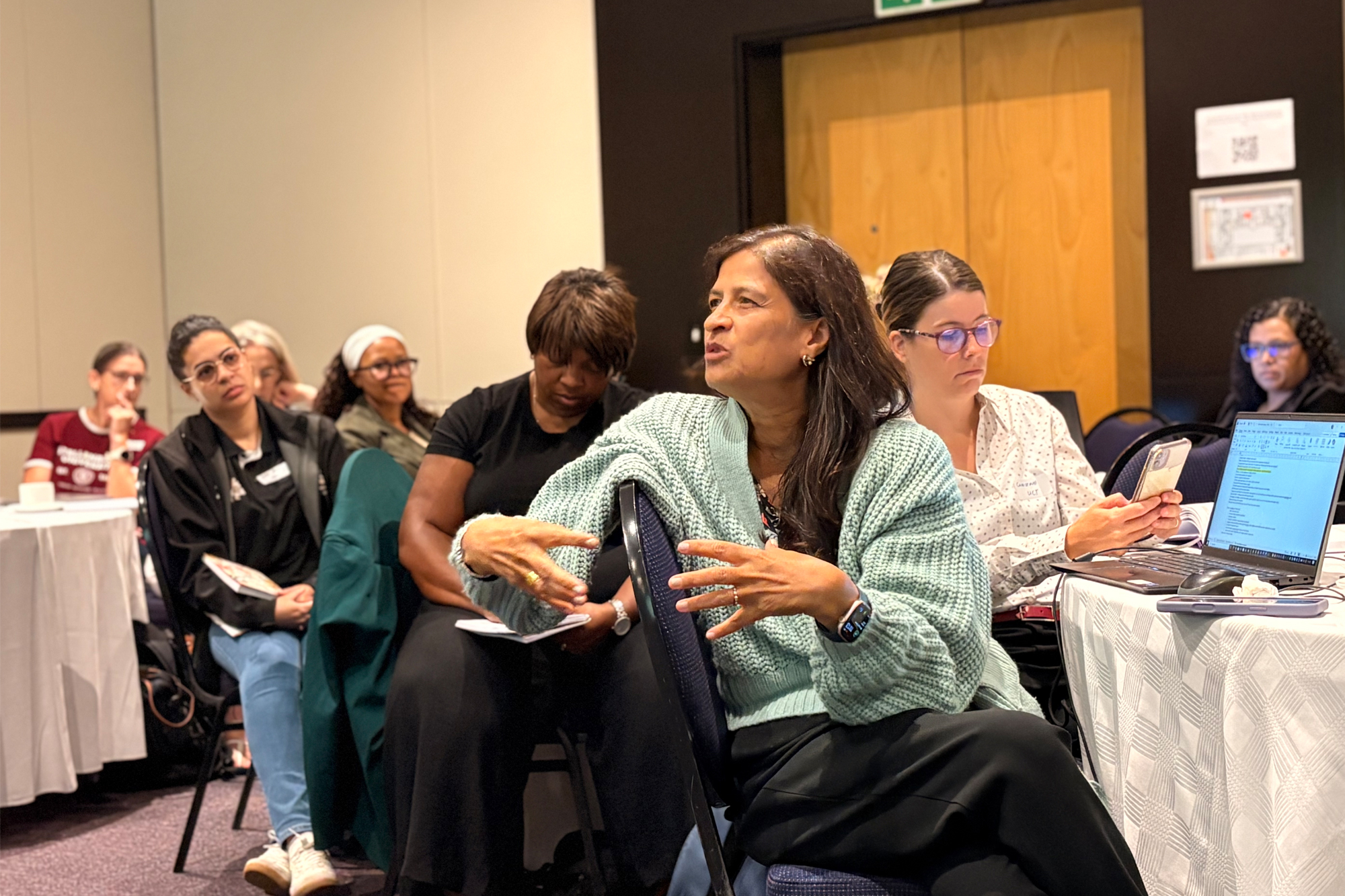
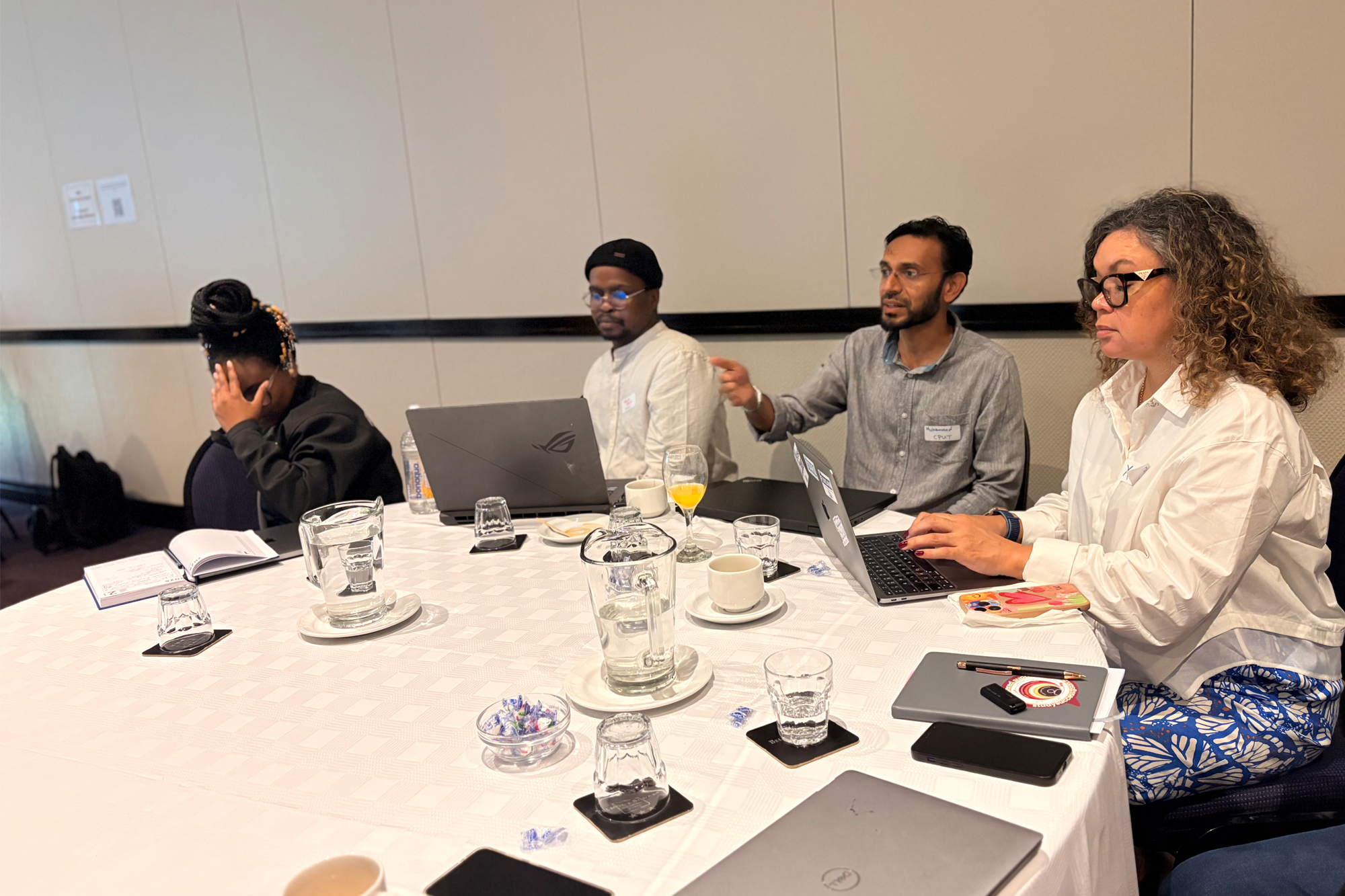
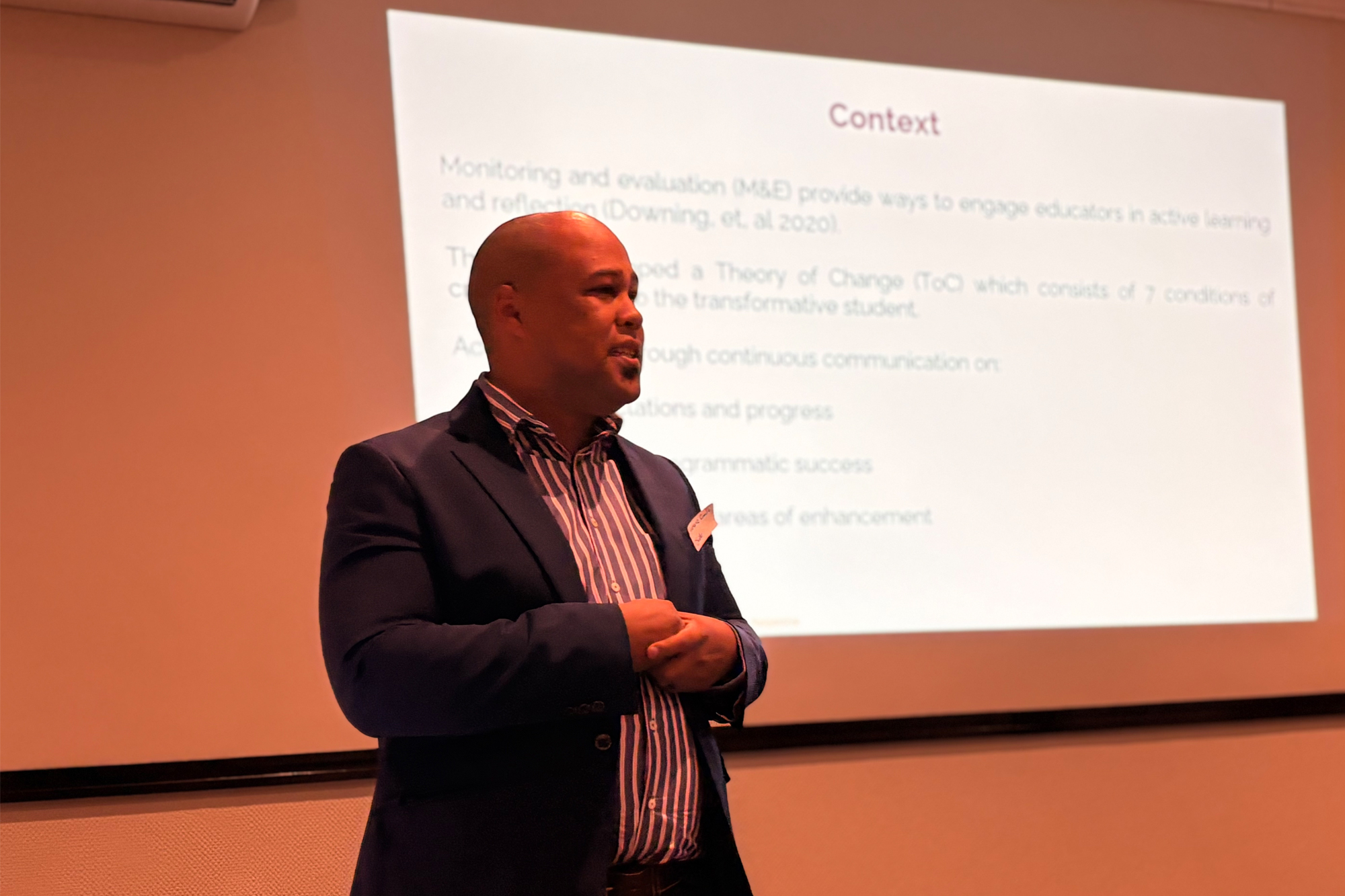
Dr Riashna Sithaldeen, the deputy director in the Institutional Planning Department (IPD) and Siyaphumelela institutional lead at UCT, delivered the opening and closing remarks, and framed the core ethos of the gathering. She challenged delegates to rethink the rigid, often intimidating, terminology surrounding the discipline and find an alternate discourse that really opens up the space of monitoring and evaluation. She urged practitioners to view M&E not as an administrative burden, but as a roadmap to their ultimate destination. “We make magic happen; monitoring and evaluation allows others to see behind the curtain, to show people what you’re doing”, said Dr Sithaldeen.
Sharing regional best practices
The agenda featured a series of practical case studies from the four partner universities, highlighting how deliberate and structured evaluation can inform programme improvements. Highlights from the presentations included:
- UCT’s Khabo Mthembu explored how they used M&E to build a better programme. The Sisonke Student Success Programme is about how to build resilient, self-aware and connected commerce students.
- UWC’s Chantal Dwyer outlined the foundational reasons why M&E is crucial within the higher education sector.
- UWC’s Centre for Innovative Education and Communication Technologies (CIECT) team, which runs a digital academic literacy programme, explained how ongoing monitoring improves operational decision making.
- CPUT’s Dr Nosisana Mkonto shared insights from their First-Year Experience project, discussing how programme monitoring was used for real time programme improvement.
- SU’s Ramone Comalie discussed how data collected from the students engaged in experiential learning improved programme offerings.
- SU’s Dr Elmien Sinclair and Christina Harvett detailed how they use a simple monitoring methodology to connect multiple layers of an academic advising ecosystem.
Agility through continuous feedback
A powerful theme that emerged from the discussions was the importance of alignment and iterative learning. “We learned today to get the basics right before we go to evaluation, to make sure what you’re monitoring is actually going to be able to answer the questions that you want to answer,” Sithaldeen noted. “By constantly monitoring and actually using that as feedback, you are able to be more responsive, more agile, and actually give your students the best service you can – not what you think they need, but the best service that they actually need.”
As the community reflects on these insights, the Siyaphumelela UCT project team is already looking ahead. With three more workshops scheduled to be hosted by the partner institutions across the region, the network is actively building a robust community of practice. By prioritising evidence over anecdote, UCT and its regional partners are ensuring that student success remains at the heart of their institutional mandates.
 This work is licensed under a Creative Commons Attribution-NoDerivatives 4.0 International License.
Please view the republishing articles page for more information.


