

Wamkelekile, Welkom
IARU Presidents’ Meeting: impactful global platform arrives at UCT
13 March 2026 | Story Kamva Somdyala. Photos Nasief Manie. Read time 5 min.
The University of Cape Town (UCT) recently hosted global university leaders for the International Alliance of Research Universities (IARU) Presidents’ Meeting. This occasion brings together heads of some of the world’s leading research-intensive institutions to engage on shared global opportunities and challenges.
Founded in 2006, IARU brings together a select group of universities committed to advancing global research collaboration, addressing complex societal challenges and strengthening higher education leadership across continents.
UCT currently holds the rotating chair and secretariat of the alliance, which includes 11 institutions from nine countries. UCT’s leadership of the alliance also highlights the growing role of African universities in shaping global research agendas and bringing perspectives from the Global South into international higher education dialogue.
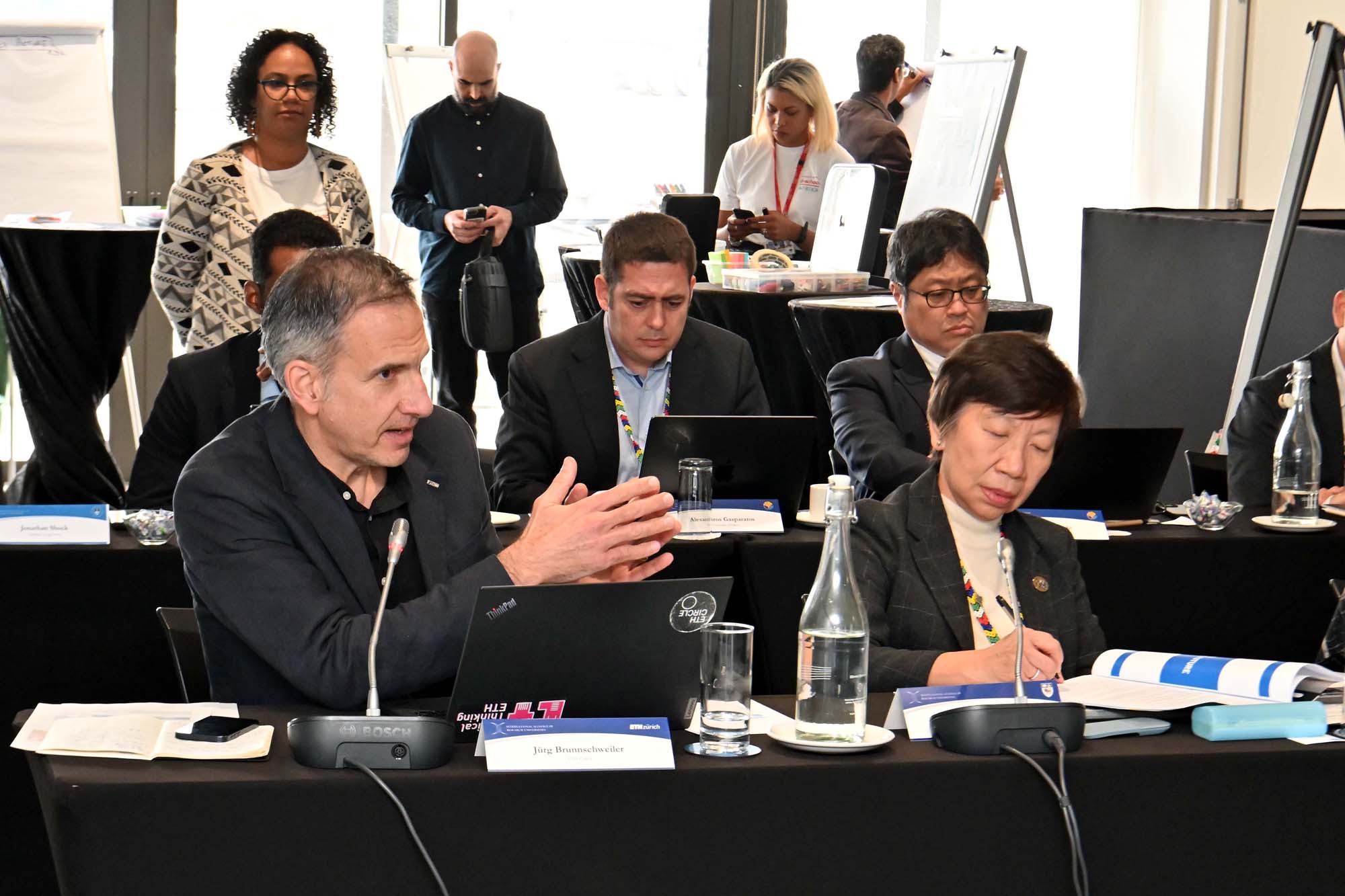
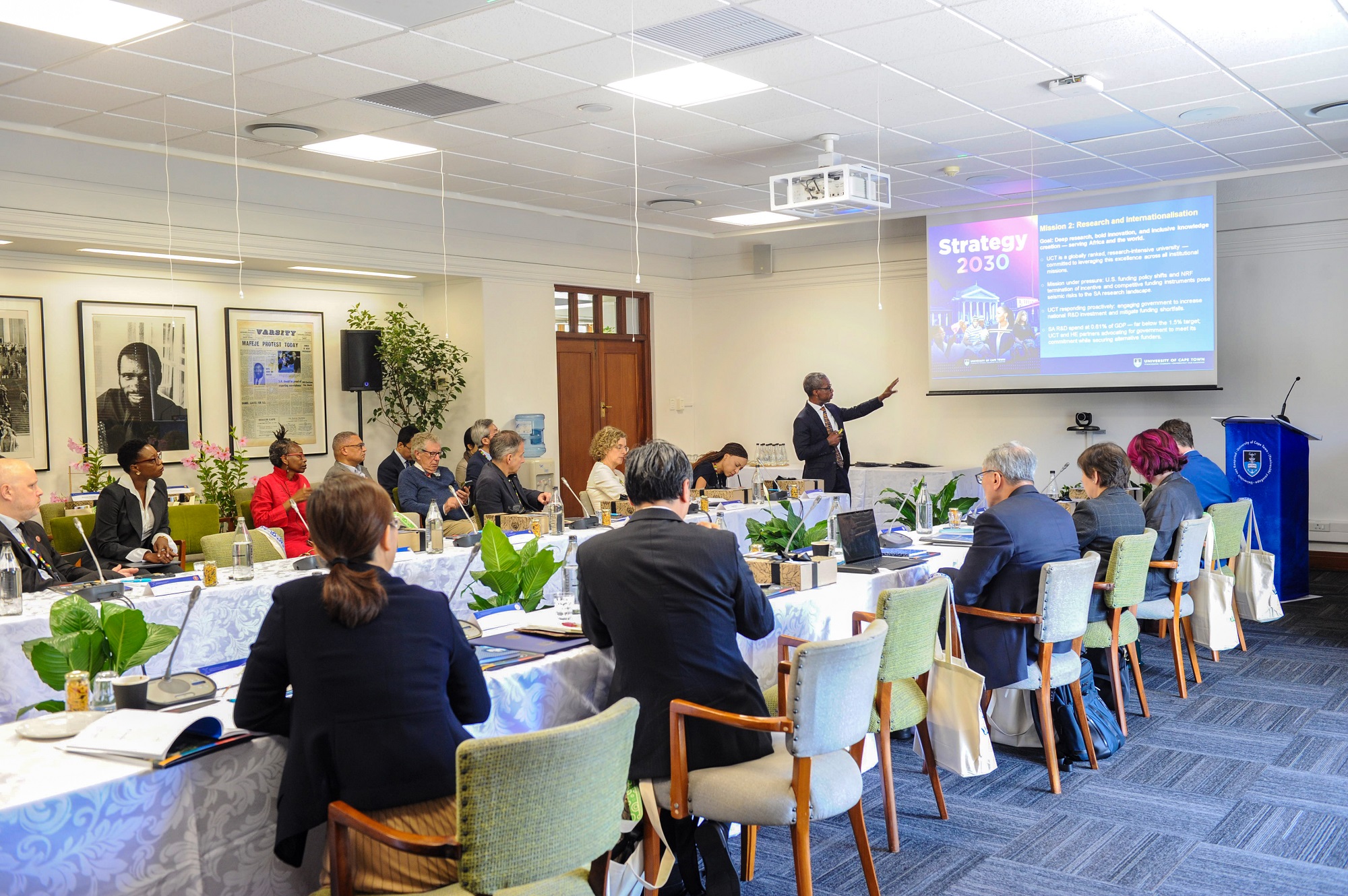
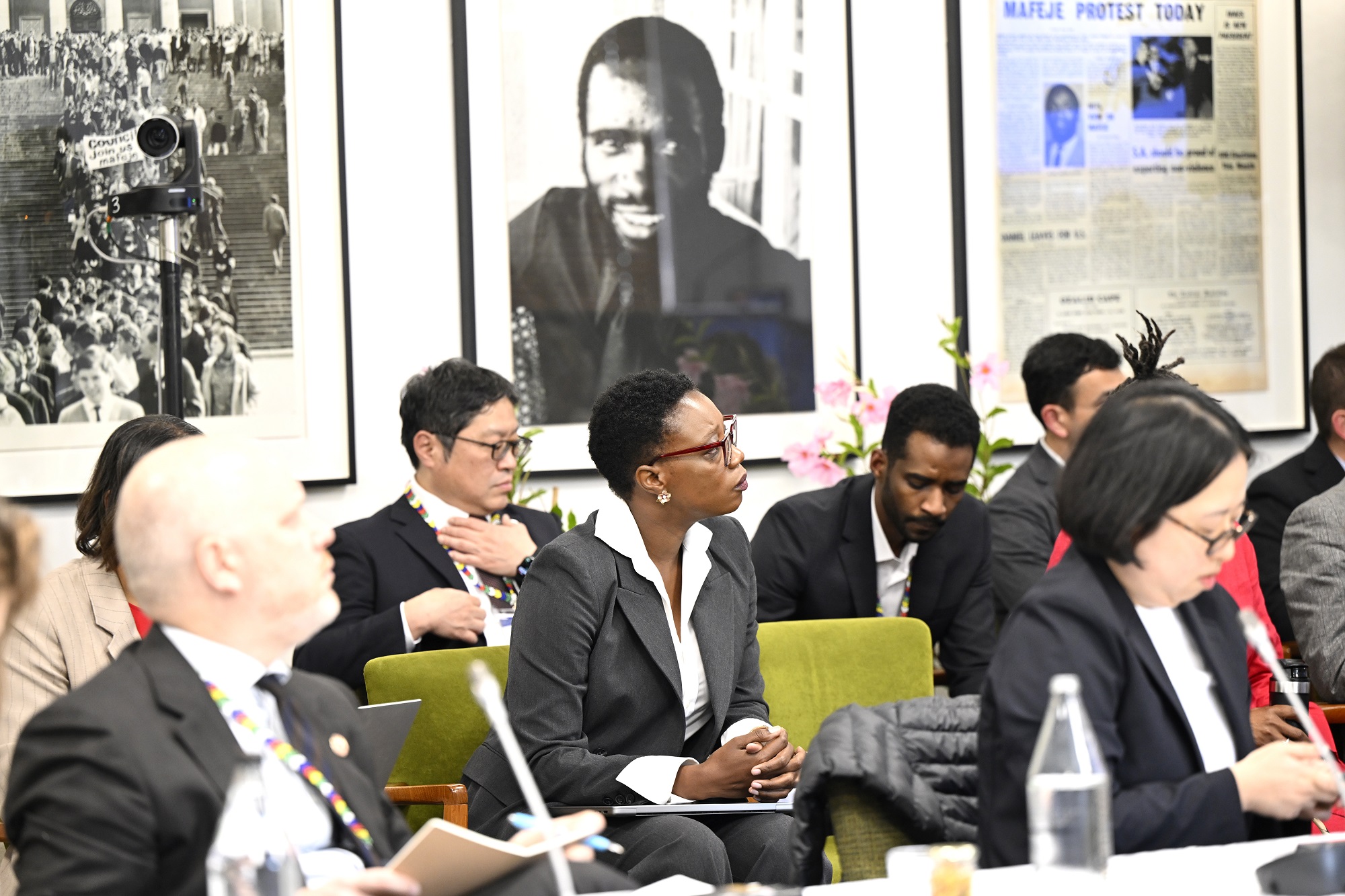
UCT’s vice-chancellor and the chair of IARU, Professor Mosa Moshabela, said hosting the meeting – from 3 to 6 March – reflected the growing responsibility of universities to work collectively across borders to address the defining challenges of our time. “Universities are uniquely positioned to bring together knowledge, leadership and collaboration in ways that can help shape more just and sustainable futures,” he said.
The programme included six strategic sessions, which were convened for university leaders, including a presidents’ roundtable, conversations around artificial intelligence (AI), innovation and entrepreneurship and the United Nations (UN) Pact for the Future.
UCT Global Engagements project manager and IARU secretariat lead, Isha Dilraj, explained the strategic value of IARU to UCT: “IARU is a high-trust, high-impact global platform that accelerates research collaboration and innovation, strengthens leadership diplomacy among universities, and reinforces UCT’s global visibility. It also provides an important platform to elevate African perspectives in shaping global higher education agendas while strengthening institutional value creation.”
She added: “The depth of discussions at the meeting highlighted the critical role universities must play in navigating the current geopolitical moment and a period of global uncertainty and transformation, providing trusted spaces for thoughtful dialogue, long-term thinking and collective leadership on the challenges shaping our shared future.”
UN Pact for the Future
UCT’s current leadership role (as chair and secretariat) ends in September 2026, with a handover to Peking University in October 2026, followed by a six-month transition period ending in March 2027. A key component ahead of this handover is engagement around the “UN Pact for the Future and University Coalition for the Future”.
The pact was adopted unanimously by UN Member States at the Summit of the Future in September 2024. It is structured around five substantive chapters and represents one of the most significant recent efforts to renew multilateral cooperation and strengthen global governance. The five chapters of the pact address:
- sustainable development and financing for development, reaffirming commitments to the 2030 Agenda and the Sustainable Development Goals (SDGs), and calling for reforms to the international financial architecture
- international peace and security, with a focus on prevention, mediation, peacebuilding, and the roles of women and youth in peace processes
- science, technology, innovation and digital cooperation, including commitments to inclusive, rights-based governance of emerging technologies
- youth and future generations, emphasising intergenerational justice and the need to integrate long-term thinking into decision-making
- transforming global governance, addressing the effectiveness, legitimacy and inclusiveness of international institutions.
In 2025, UCT, working with Beijing Foreign Studies University and the United Nations University (UNU), initiated discussions on the creation of a University Coalition for the Future at the request of the United Nations. The intention is not to create a new bureaucratic structure, but to connect and amplify existing academic expertise in ways that are responsive to the needs of pact implementation.
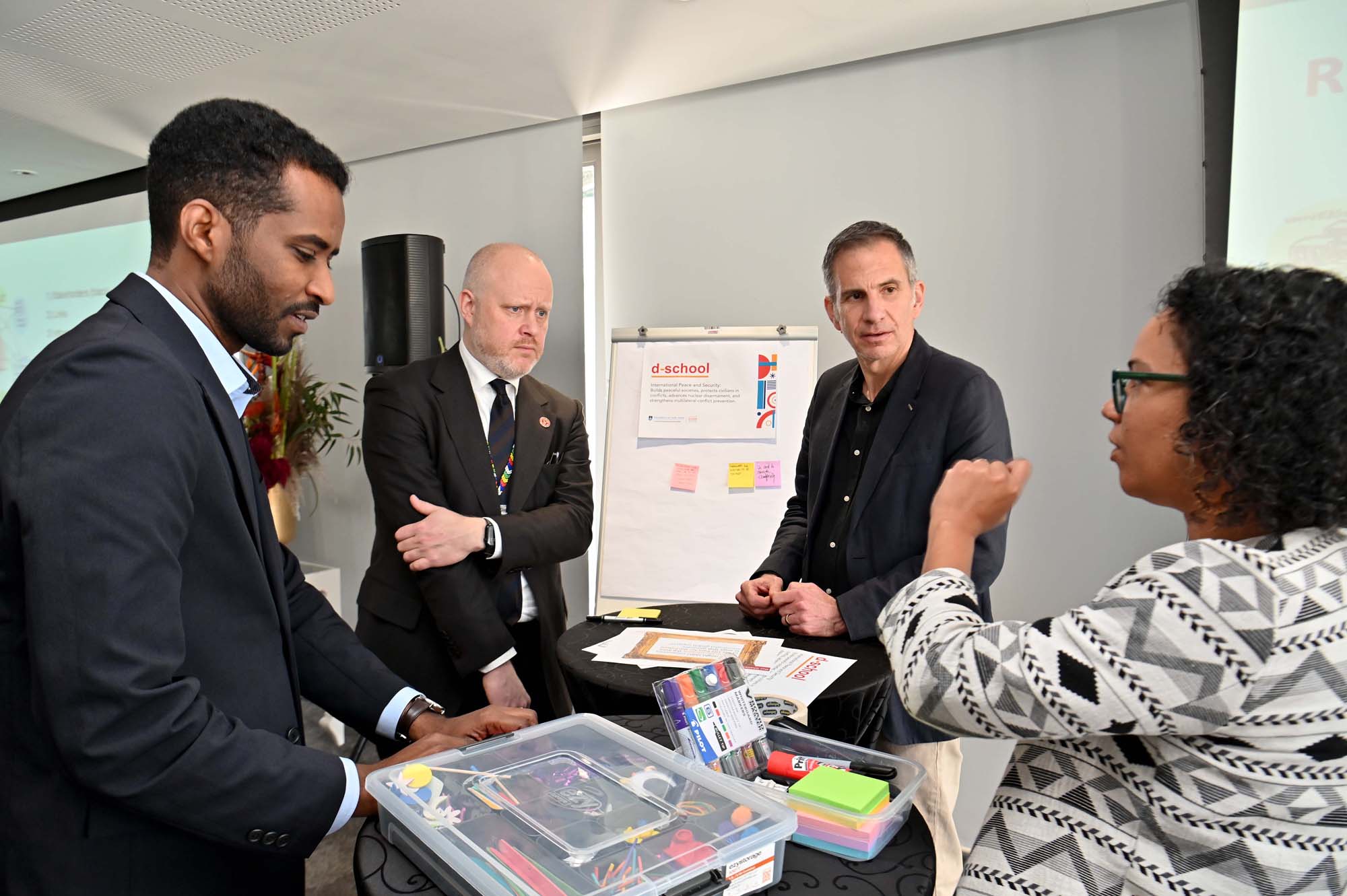
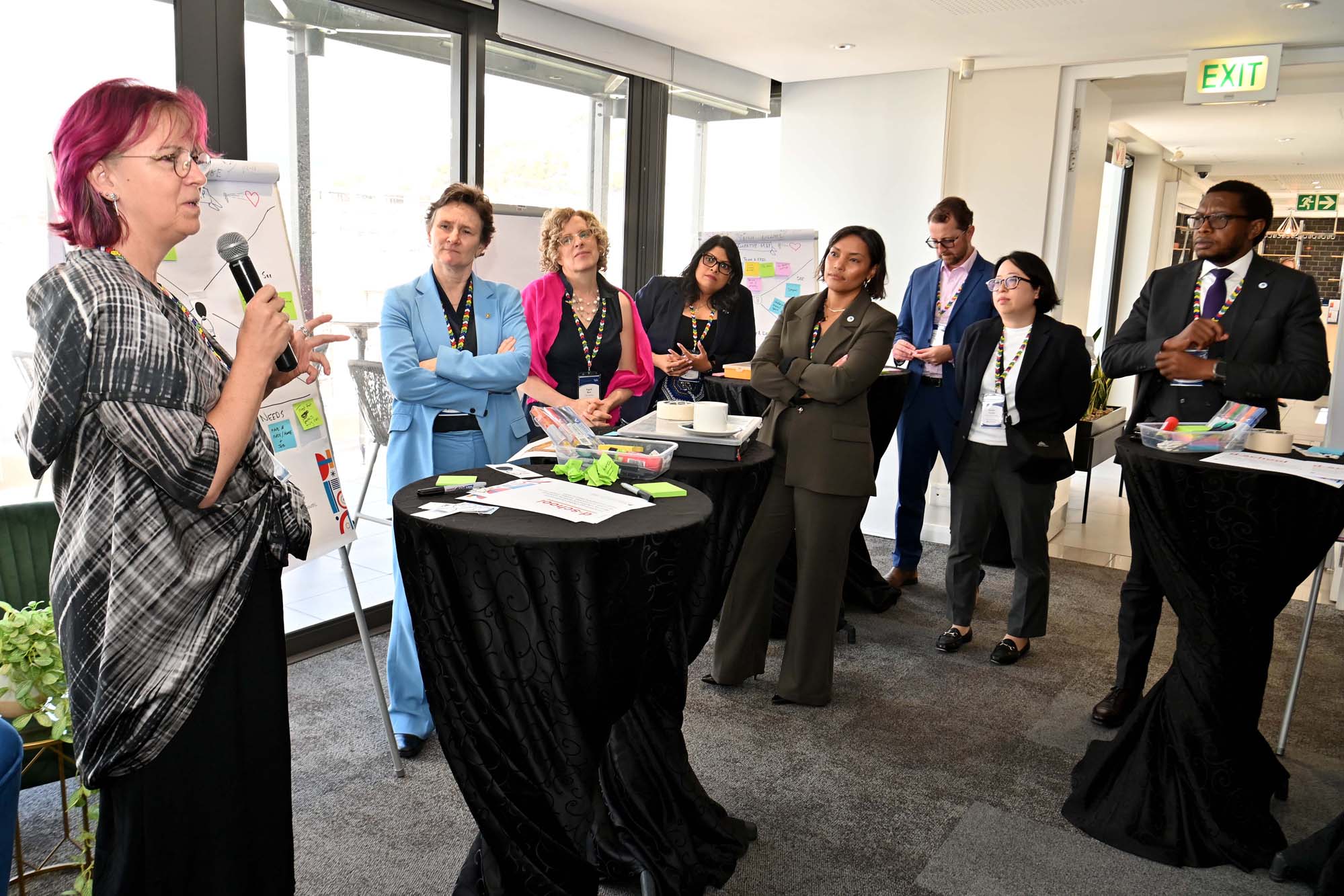
As part of the meeting, delegates participated in a workshop facilitated by the Hasso Plattner School of Design Thinking Afrika (d-school Afrika), where the central question posed was: How might IARU universities collectively advance the aims of the UN Pact for the Future in ways that generate meaningful global impact?
Contested issues
The workshop gave delegates the opportunity to collectively explore how universities can engage meaningfully with this significant multilateral framework. Participants engaged deeply with the pact document and generated key insights, shared among themselves, which will shape future meetings.
“Universities have a unique responsibility to think beyond immediate crises and contribute to long-term solutions.”
“What gatherings like this allow us to do is create a trusted space where university leaders can engage openly with some of the most complex and contested issues facing our world,” said Professor Moshabela. “Universities have a unique responsibility to think beyond immediate crises and contribute to long-term solutions. Through alliances like IARU, we are able to bring together knowledge, expertise and leadership from across continents to imagine and shape the future we want to see.”
The meeting reaffirmed the importance of sustained collaboration among leading research universities at a time when global challenges increasingly require shared knowledge, collective leadership and long-term thinking. As chair and secretariat of the alliance, UCT continues to play a key role in shaping these conversations and strengthening the contribution of universities to global progress.
 This work is licensed under a Creative Commons Attribution-NoDerivatives 4.0 International License.
Please view the republishing articles page for more information.