
Wamkelekile, Welkom
‘English Alive’ celebrates six decades of learner writing
24 March 2026 | Story Stephen Langtry. Photos Je’nine May. Read time 6 min.
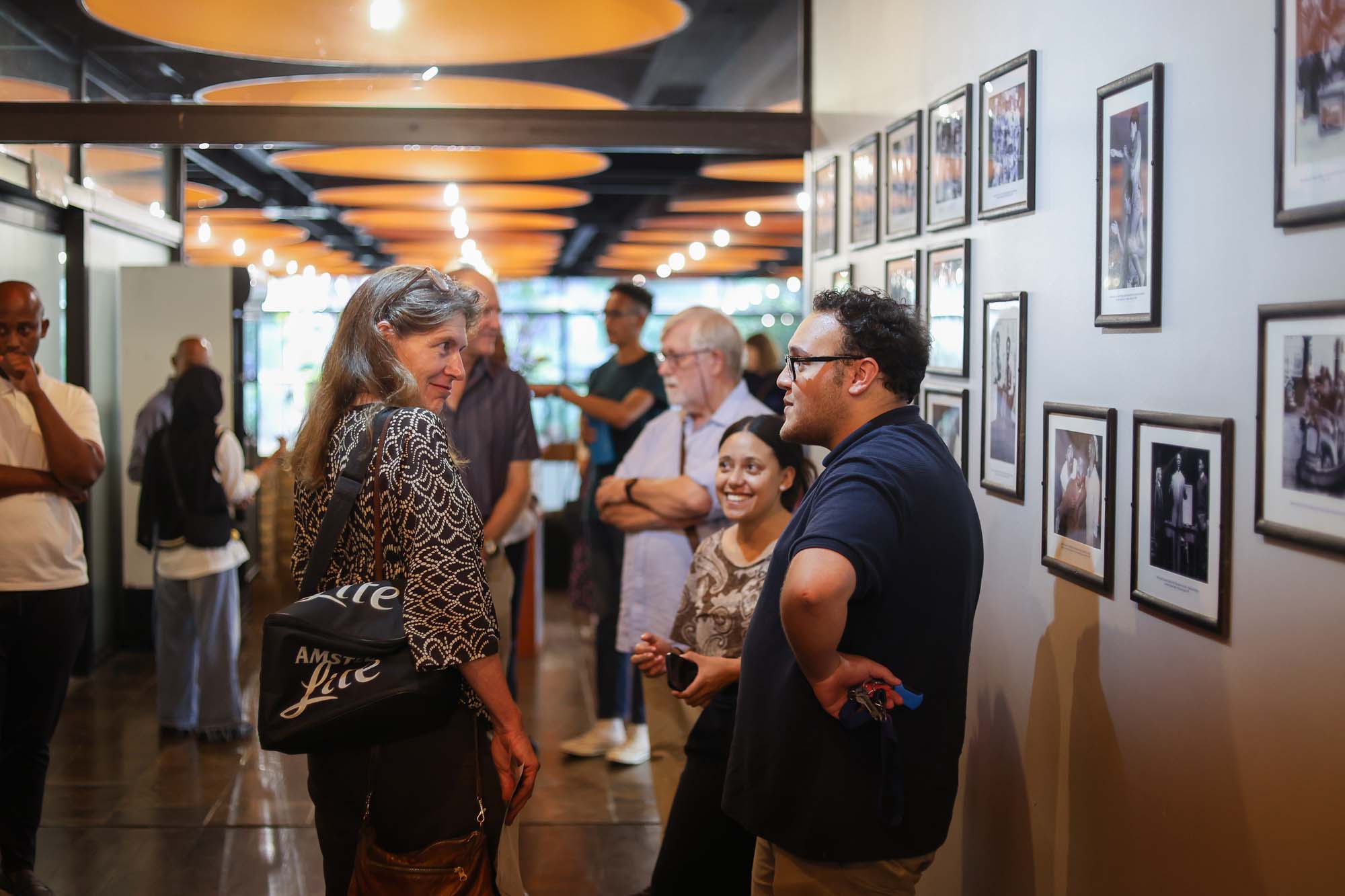
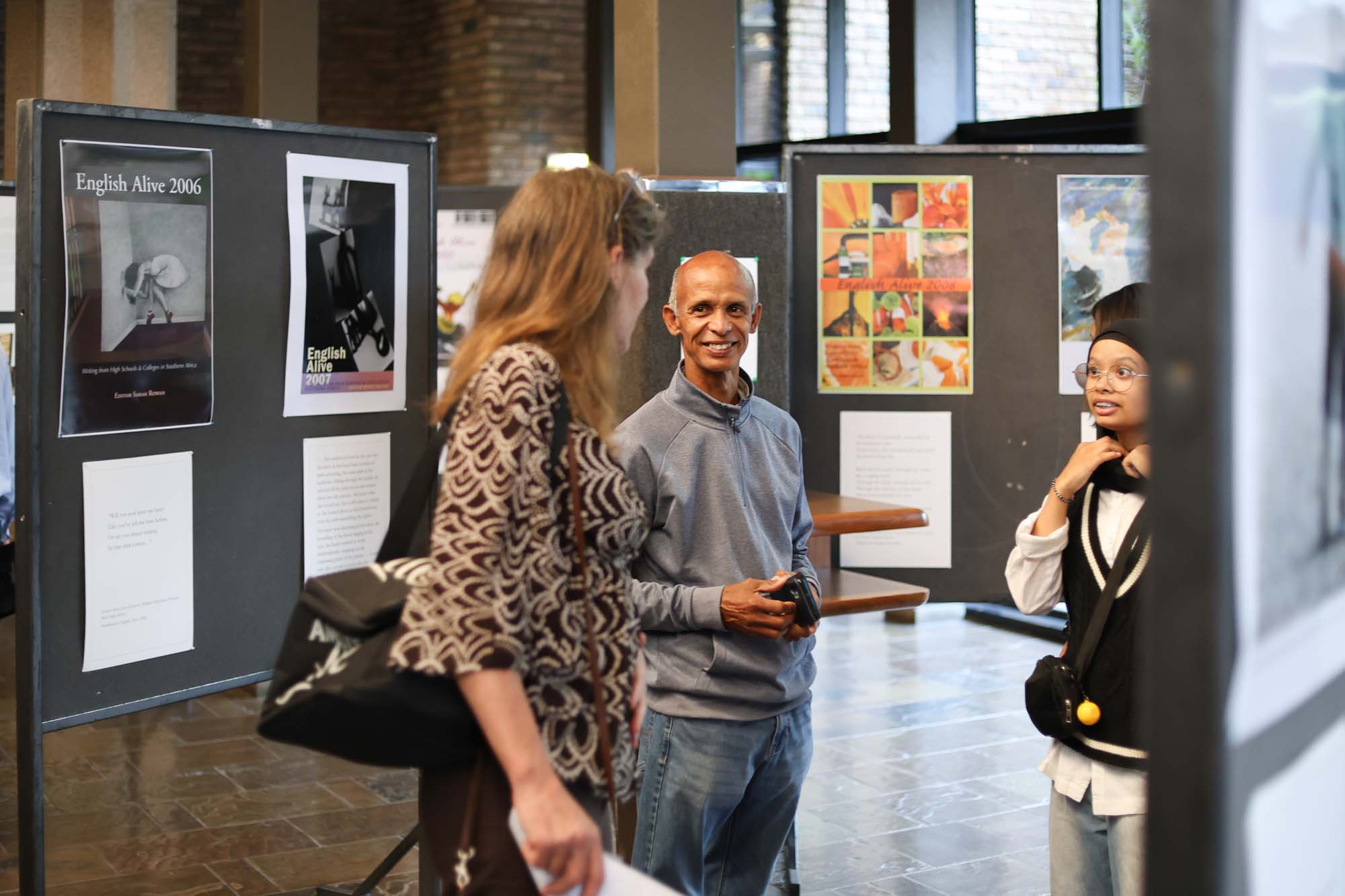
Twenty-five framed covers lined the foyer walls of the Baxter Theatre on the evening of 18 March. Each cover represented a year of English Alive, the annual anthology of creative writing by school learners published by the South African Council of English Education (SACEE).
The exhibition marked the publication’s 60th anniversary. It was conceived and organised by Alison Gwynne-Evans, University of Cape Town (UCT) senior lecturer in Professional Communication Studies and the current chairperson of SACEE Western Cape.
English Alive has been published since 1967. The premise is simple: invite young people across the country to submit their writing, select the best, and publish it. The result, sustained over six decades, is an unbroken record of how young South Africans have made sense of their world. Among those previously published in the anthology are poet and performer Siphokazi Jonas, playwright and novelist Nadia Davids, and poet and politician Jeremy Cronin.
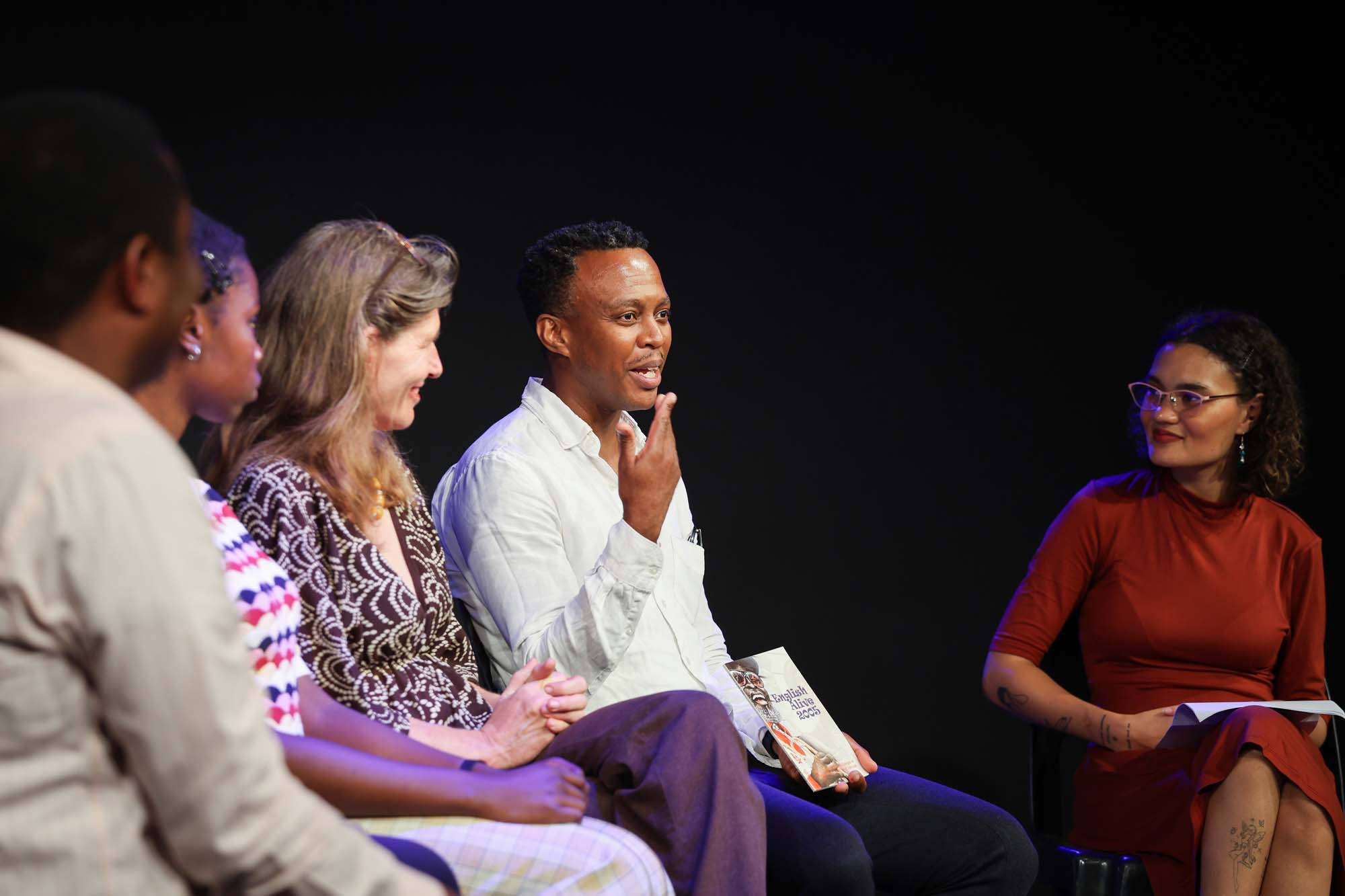
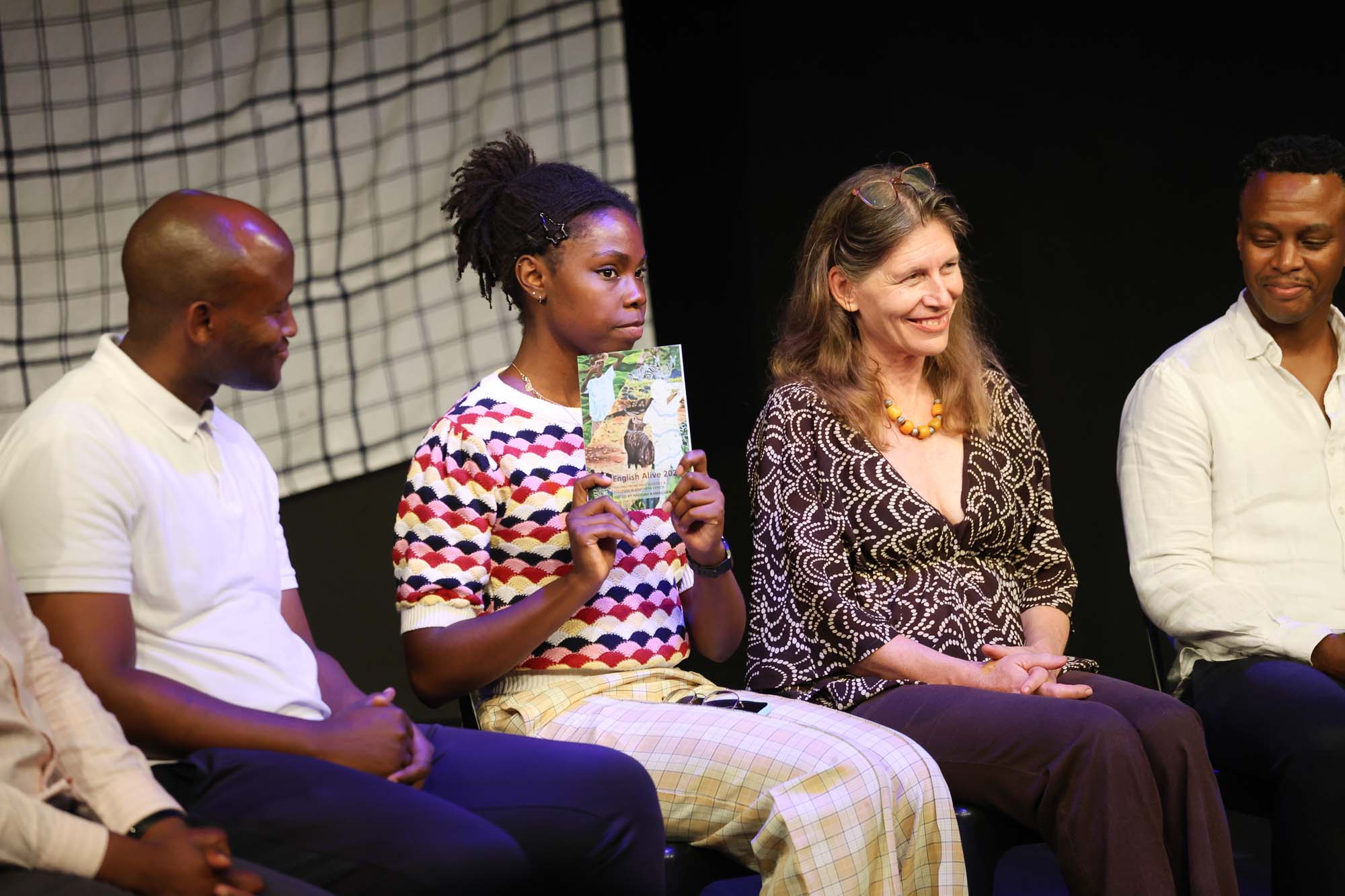
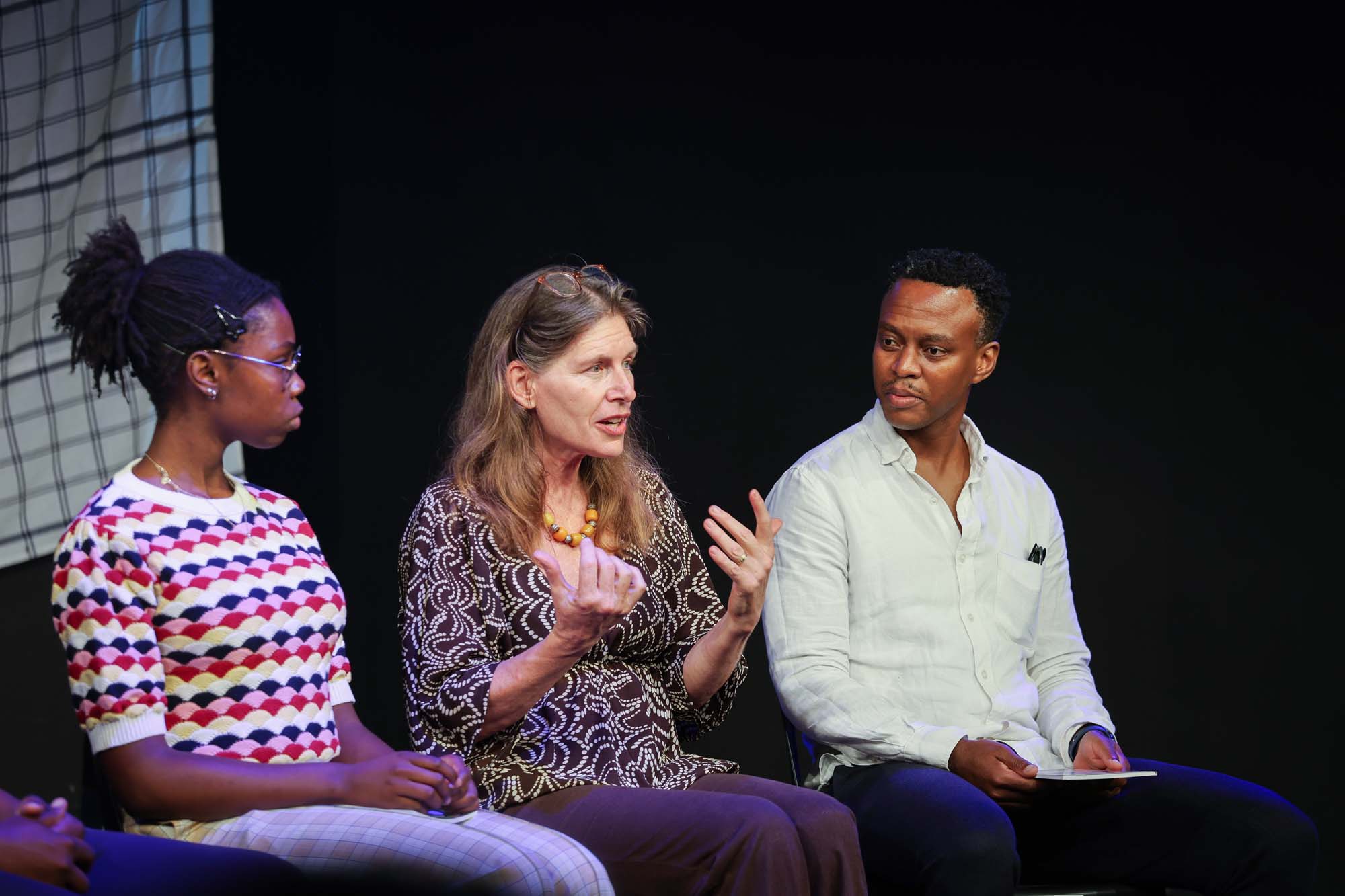
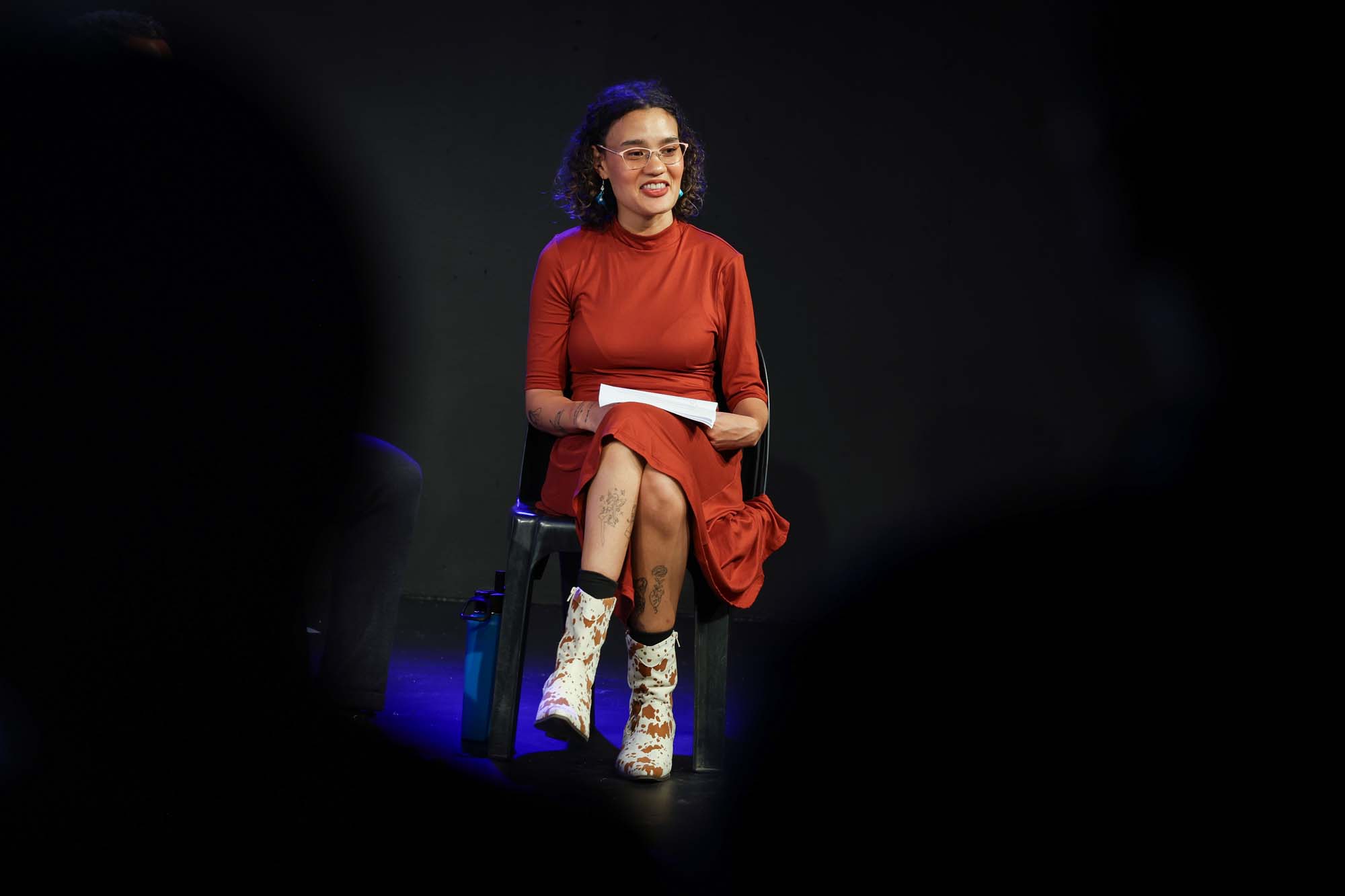
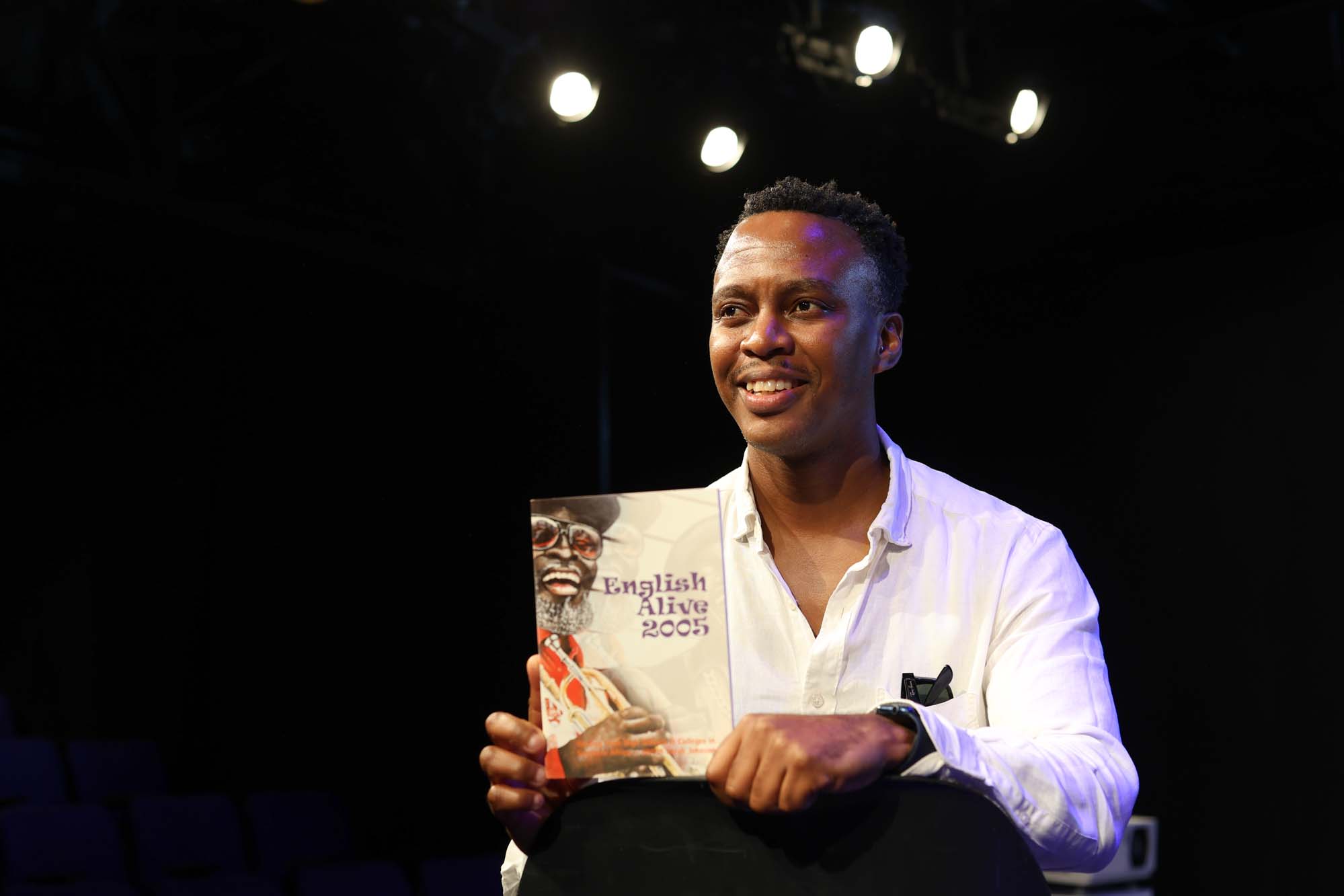
The panel discussion that accompanied the exhibition brought together people whose connection to English Alive spans several generations. Kirsten Deane, the anthology’s current editor, chaired the conversation. Twanji Kalula, the vice-chair of SACEE and a former editor of the publication, joined the panel alongside Masithembe Mqoto, founder of the Nothing Can Stop Me learner support programme, who has worked with SACEE to run creative writing workshops at Iziko Museums. Two former cover artists also participated: Senzwa Gum, whose artwork graced the 2005 edition while a learner at Pinelands High School; and Lukonde Mwanza, the 2024 cover artist from Clarendon Girls High School.
A door and a platform
What emerged from the conversation was a sustained argument for the necessity of giving young people space to articulate what they are living through. Mqoto, whose work with teenagers in under-resourced communities has taught him what adults often miss, put it plainly. The young people he works with are not lacking talent or ideas. They are lacking safe spaces, platforms, and adults willing to listen without prescribing what should be said. His programme started with four participants. It now reaches considerably more, and began simply by opening a door and letting young people walk through it on their own terms.
“I just purely enjoy art because it’s an outlet and an option for me to express myself.”
Gum, now working in urban design and public space development, reflected on what it meant to have his artwork selected for the cover nearly two decades ago. He did not become a professional artist. “I just purely enjoy art because it’s an outlet and an option for me to express myself,” he said. “English Alive plays an important role at a young development stage in giving agency and a sense of recognition to people who otherwise wouldn’t get it.” As you move out of high school, he observed, those opportunities become smaller and smaller.
Mwanza described the moment her art teacher showed her an email confirming that her work had been selected for the 2024 cover. She was unaware that she had been entered. “I was filled with so much excitement,” she said. “It really affirmed my ability as an artist. It showed me that my art took a lot of different faces, so I’m not just confined by my art.” She is now studying architecture, and the connection between creative practice and design thinking is, for her, anything but incidental.
Deane framed the anthology’s significance in terms that extended beyond creative writing. “Young people are innovative; they’re creative; they’re refreshing; they’re open to seeing things differently; they’re willing to drive the world forward,” she said. “And that’s been consistent throughout the 60 years.” English Alive, she argued, functions as a record of how young people feel across time and across the divides that shape South African society. A learner at a township school and a learner at an elite private school may occupy vastly different material realities, yet the anthology reveals that the emotional terrain they navigate is often remarkably similar.
A pen, a poem, a plumber
Gwynne-Evans spoke about SACEE’s broader programme of public speaking competitions, forum discussions, and creative writing workshops; activities that build on one another. The public speaking develops individual confidence; the forums teach young people to listen, respond, and function as a team. It is, she suggested, about using language to be part of a community.
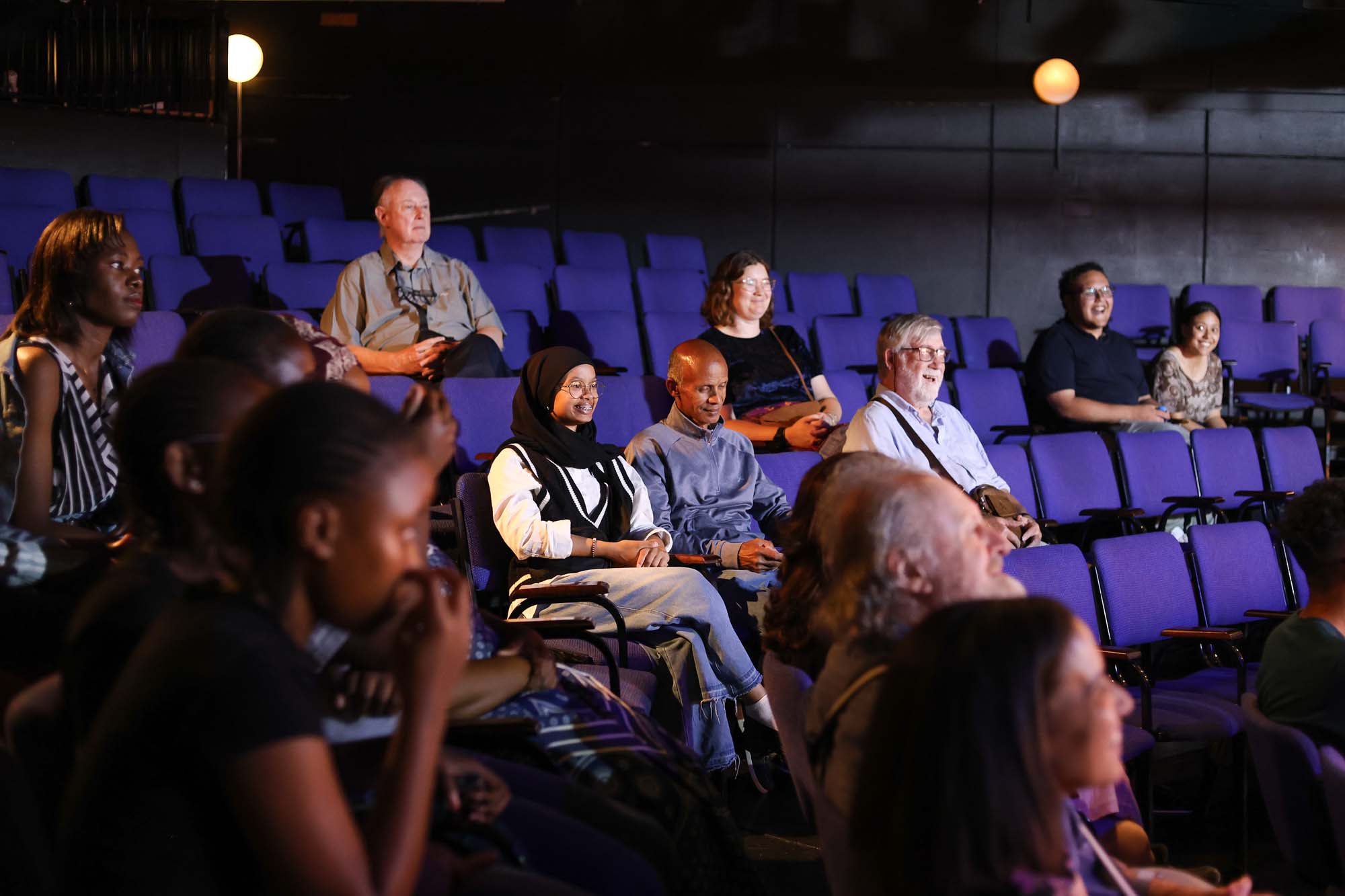
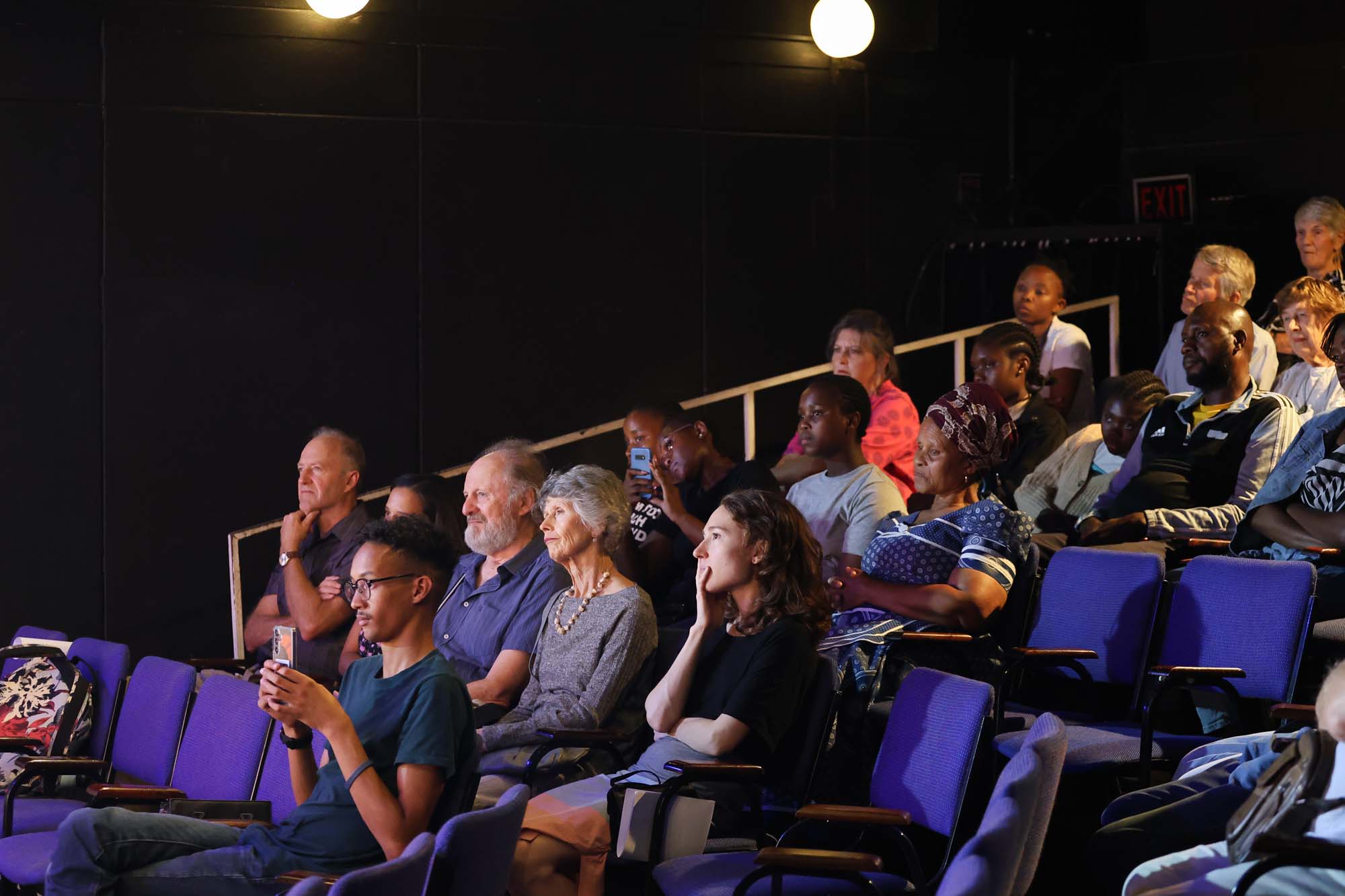
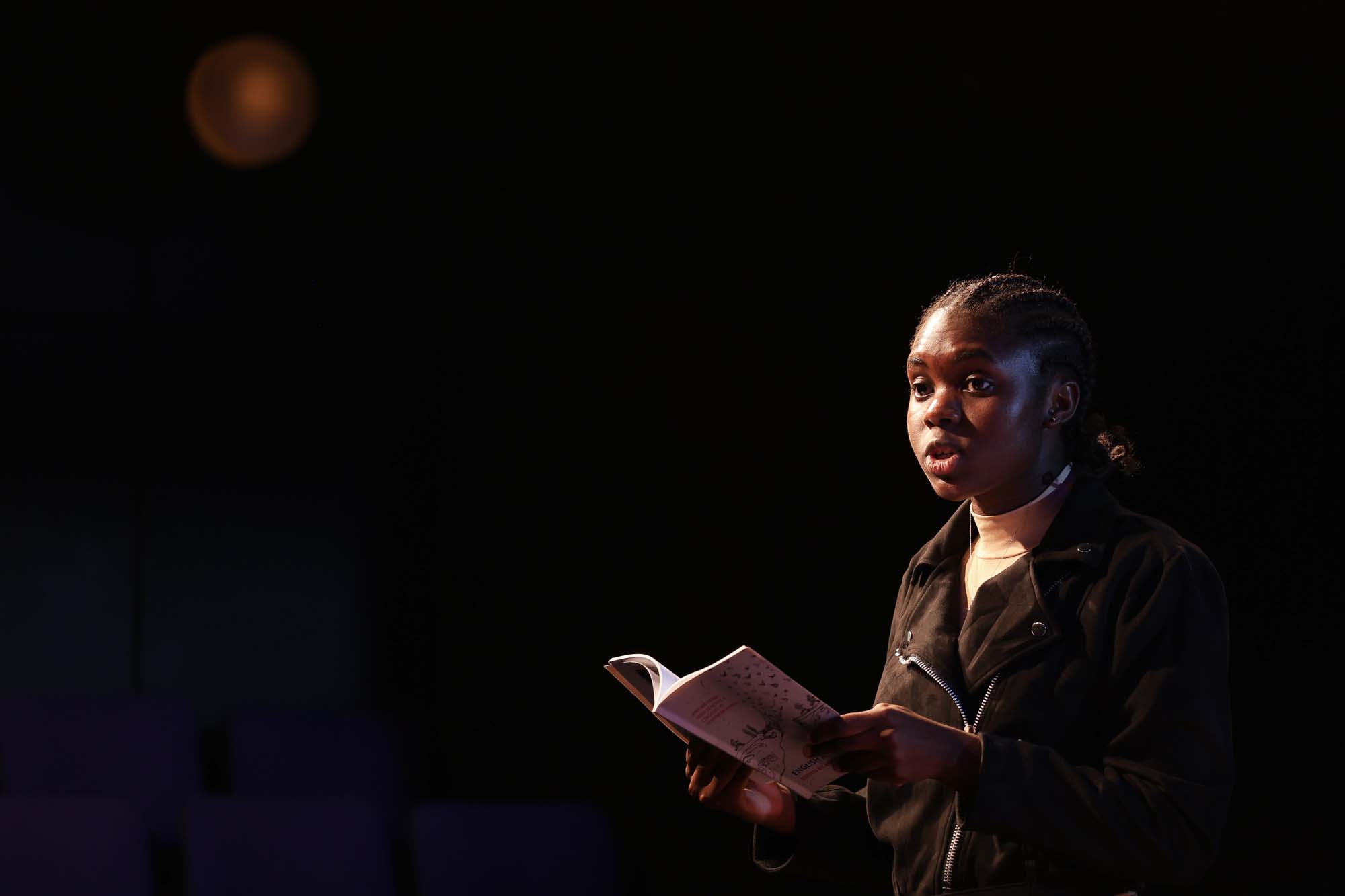
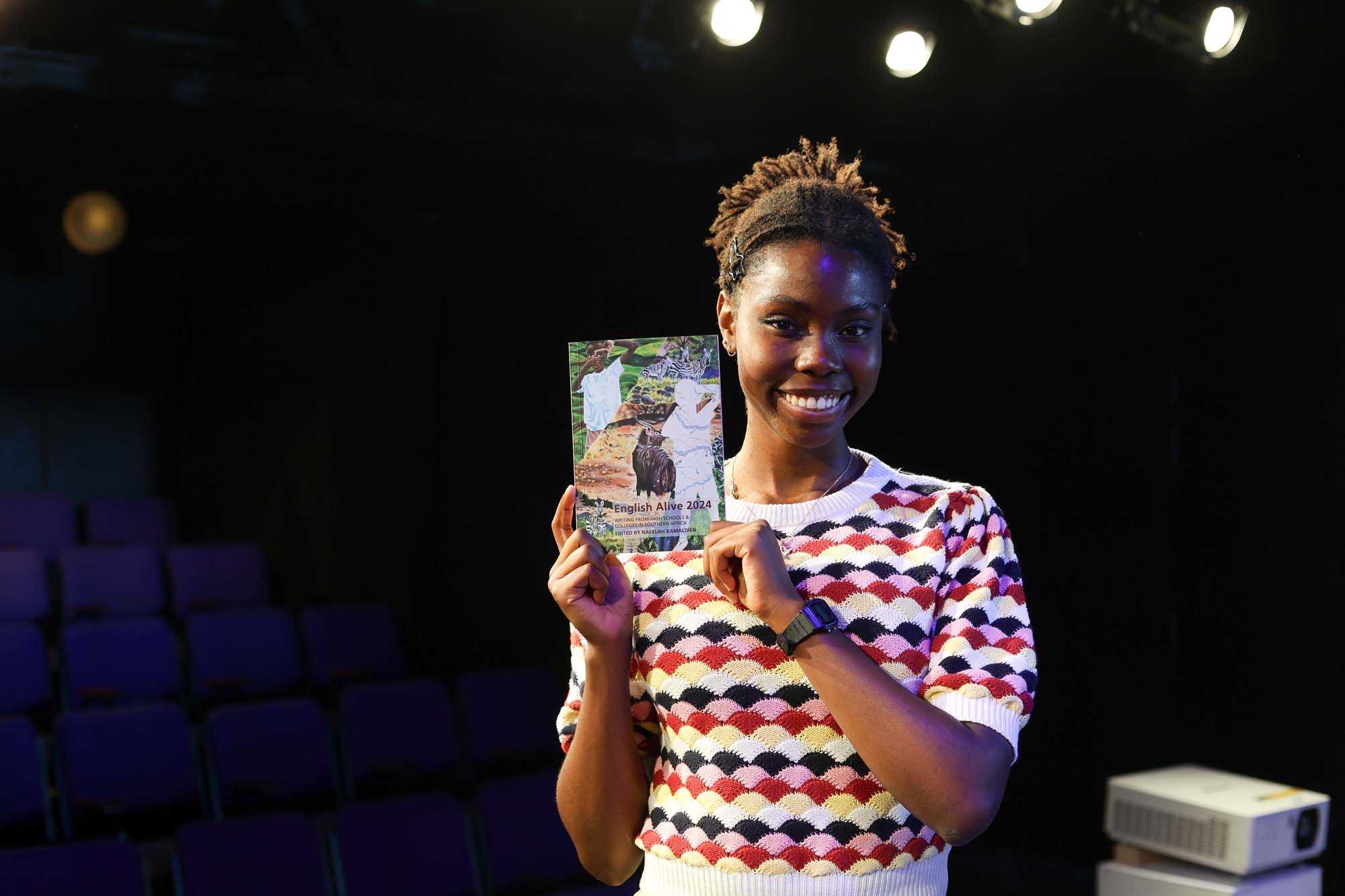
The evening closed with a reading by Vicky Massamba, a current learner at Claremont High School, whose poem “My Father the Plumber” was published in the 2025 edition of English Alive. The poem is a tribute to a father who came to South Africa as a young man, who works long hours in a physically demanding trade, and whose labour is too often dismissed by a society that measures worth by profession.
Robin Malan, who founded English Alive and remained part of its editorial team for much of its sixty-year existence, passed away in September 2024. He was co-editor as recently as 2023. His name was invoked several times during the evening. What he set in motion six decades ago continues to do what it was always meant to do: place a pen in a young person’s hand, publish what they write, and tell them their voice matters.
 This work is licensed under a Creative Commons Attribution-NoDerivatives 4.0 International License.
Please view the republishing articles page for more information.