
Wamkelekile, Welkom
Practise the spirt of ubuntu to achieve social accountability
09 April 2026 | Story Niémah Davids. Photos Lerato Maduna. Read time 6 min.
Amplifying the voices of people living on the margins of society is an ethical imperative for scholars in healthcare. It helps them to understand the needs of the people they serve to improve their quality of life.
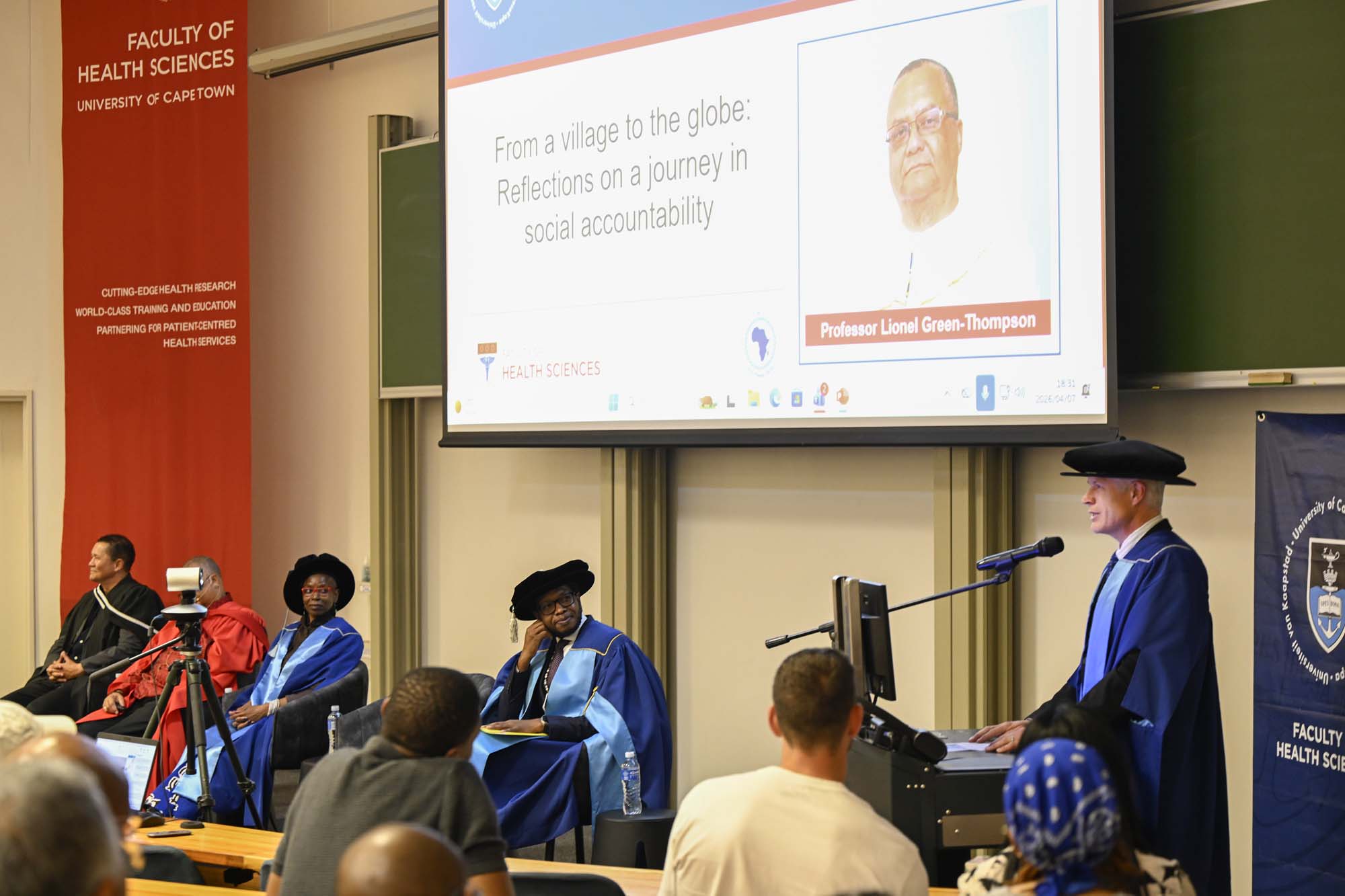
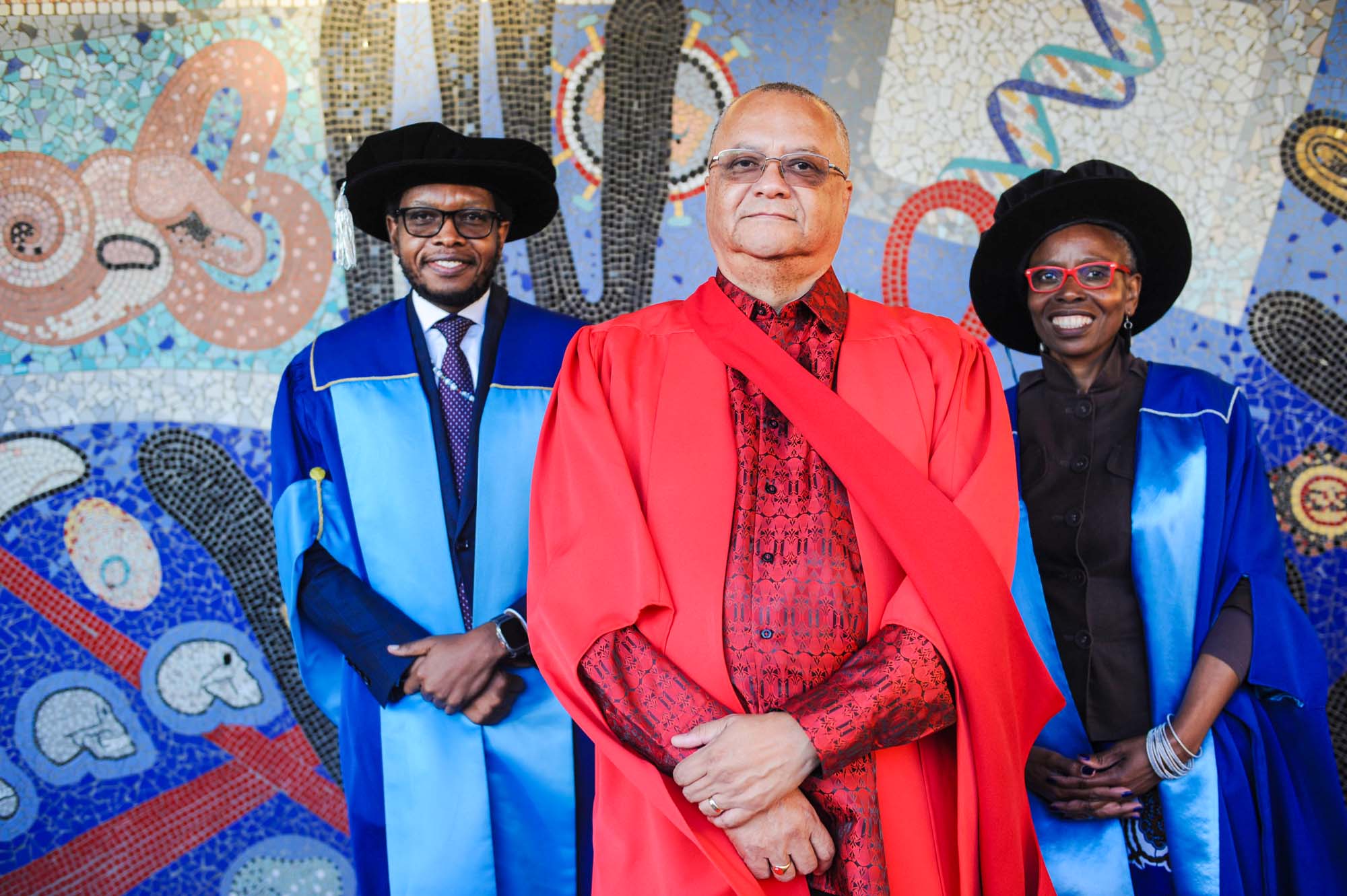
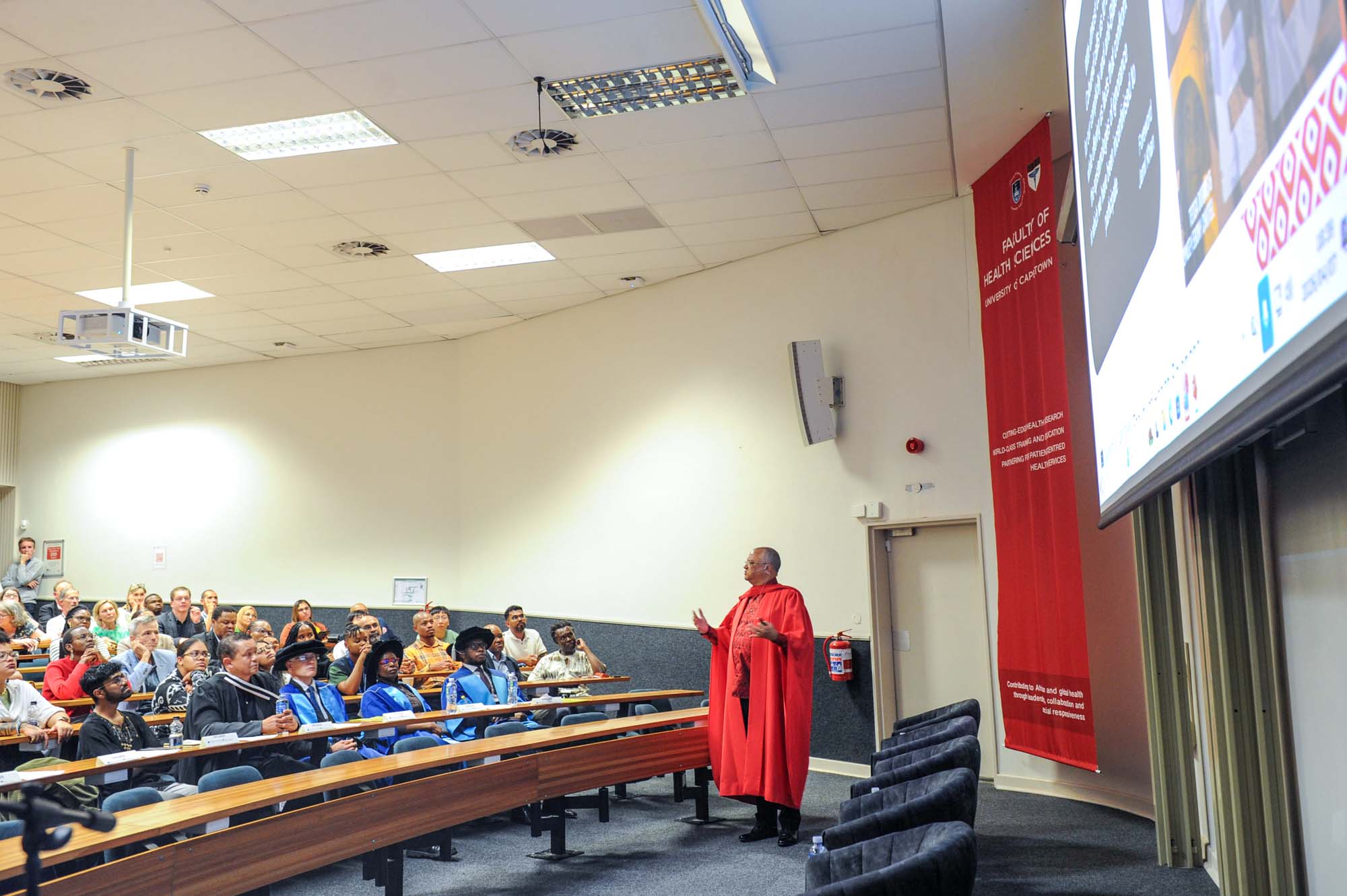
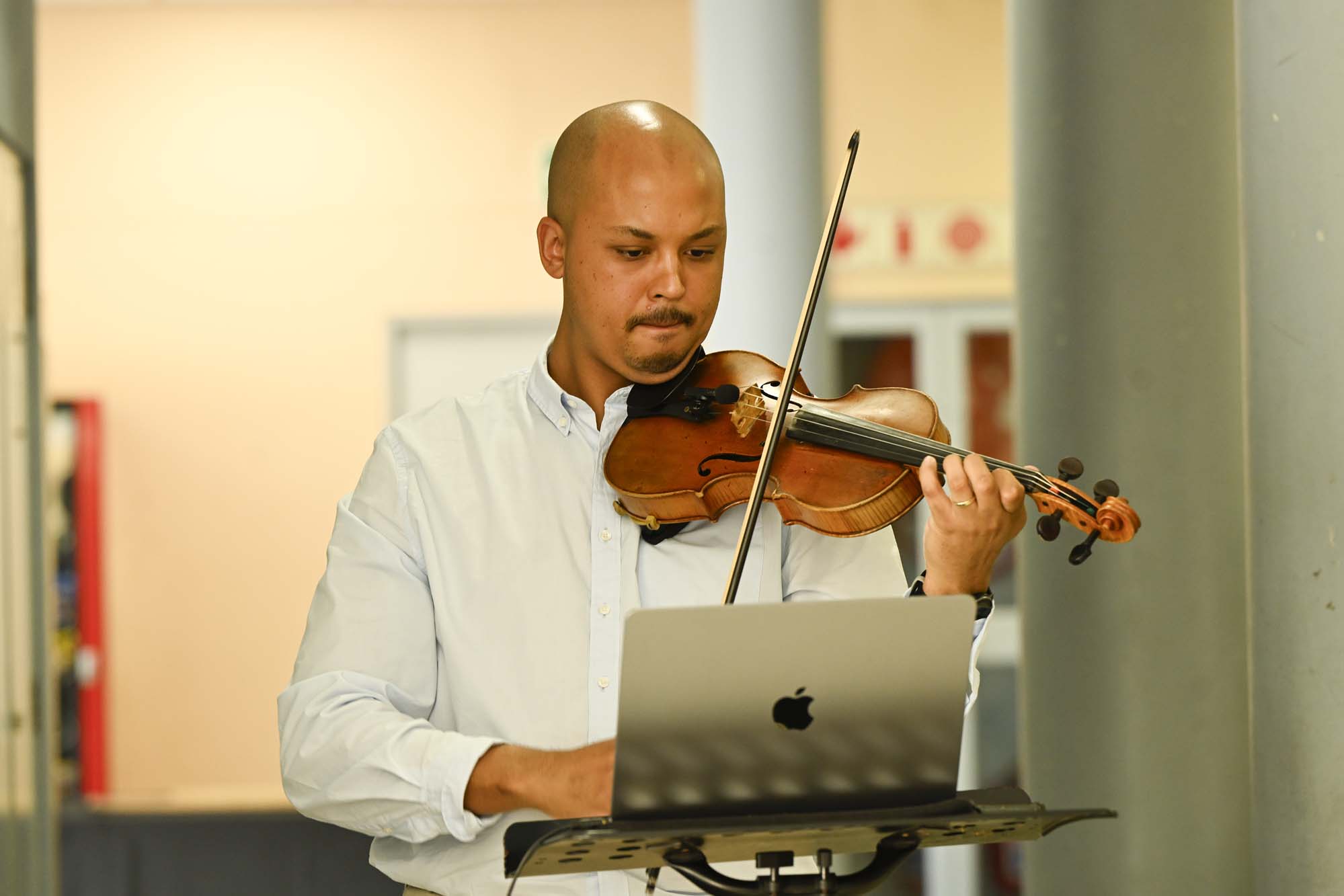
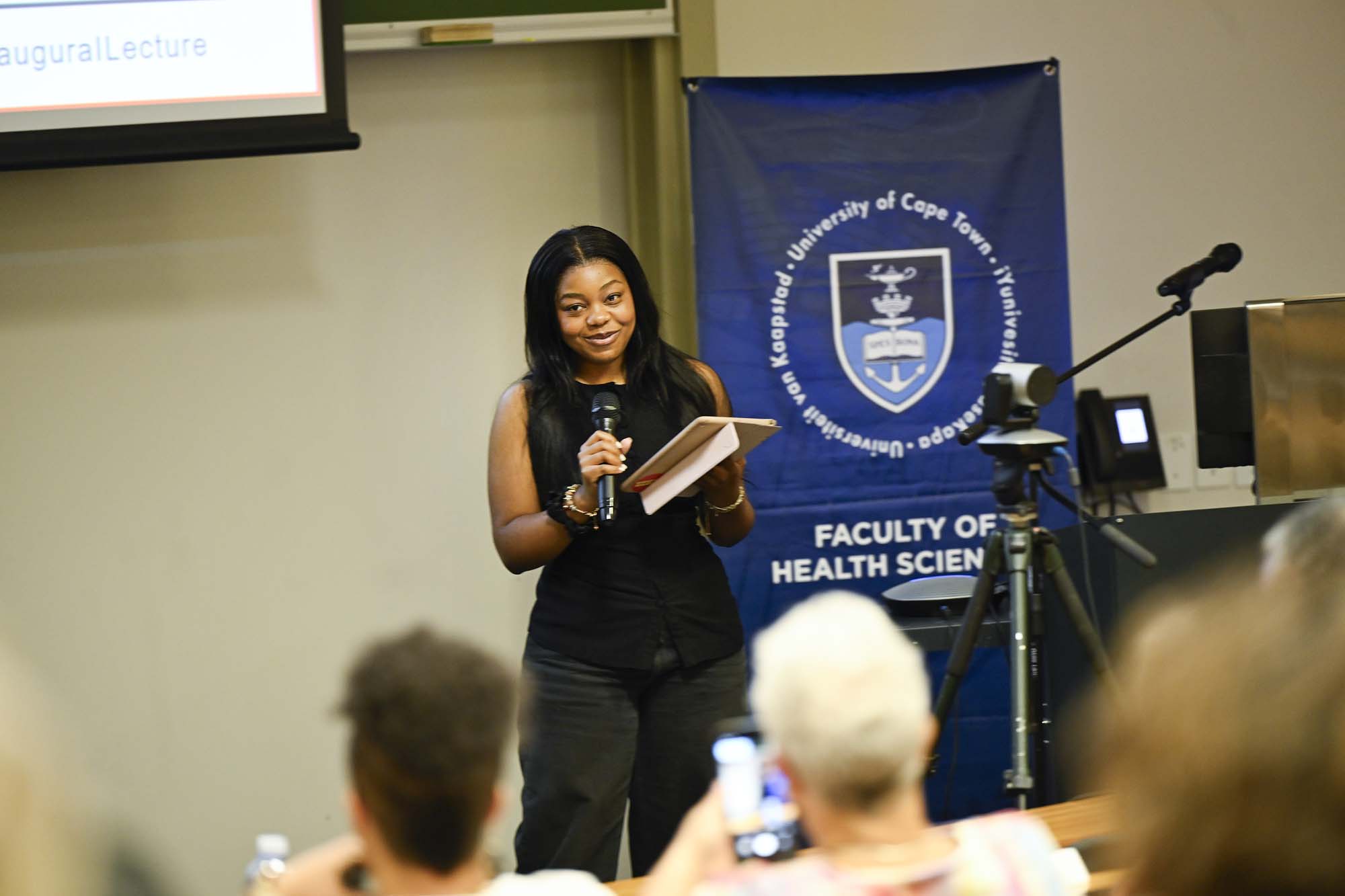
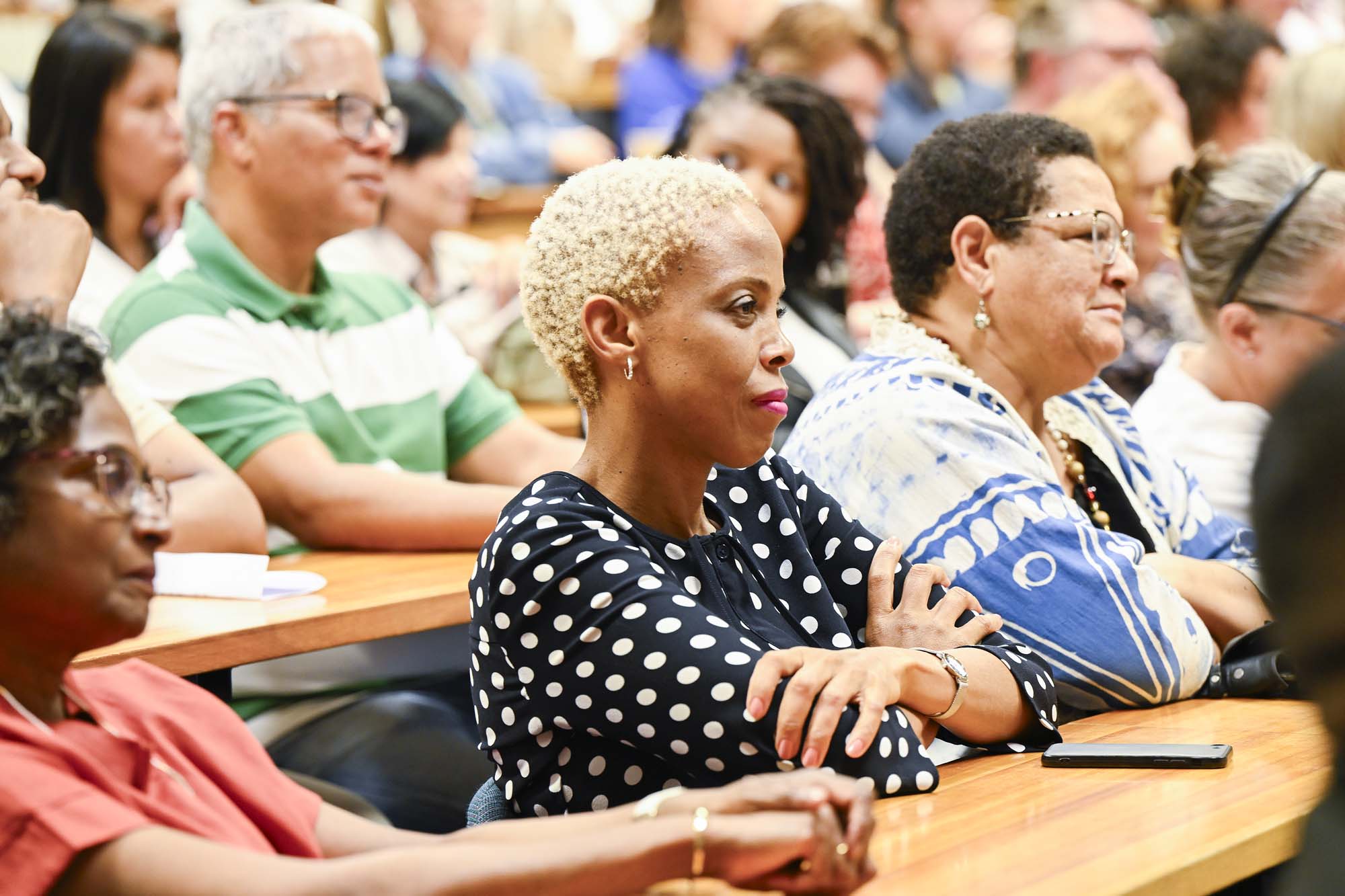
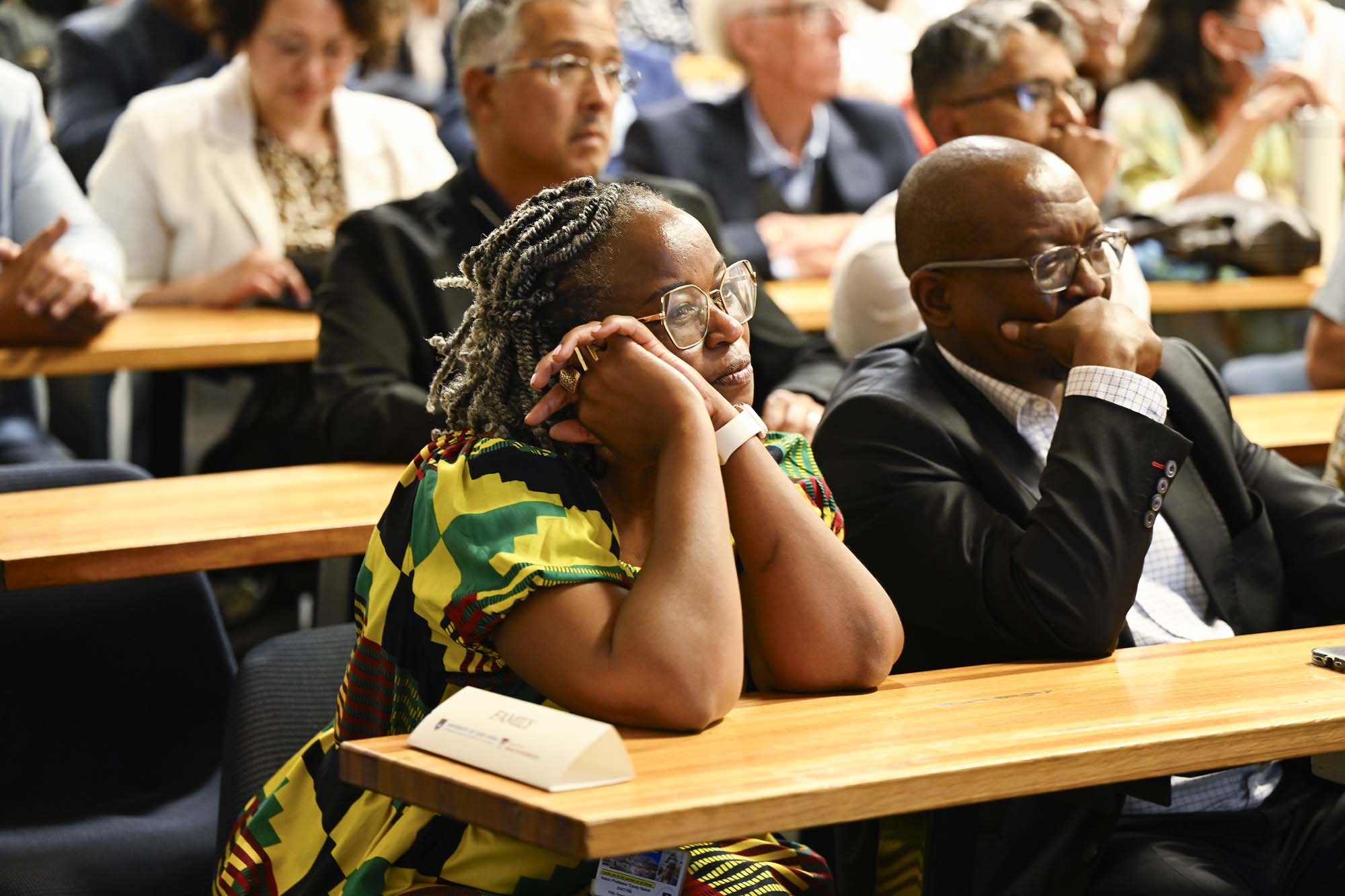
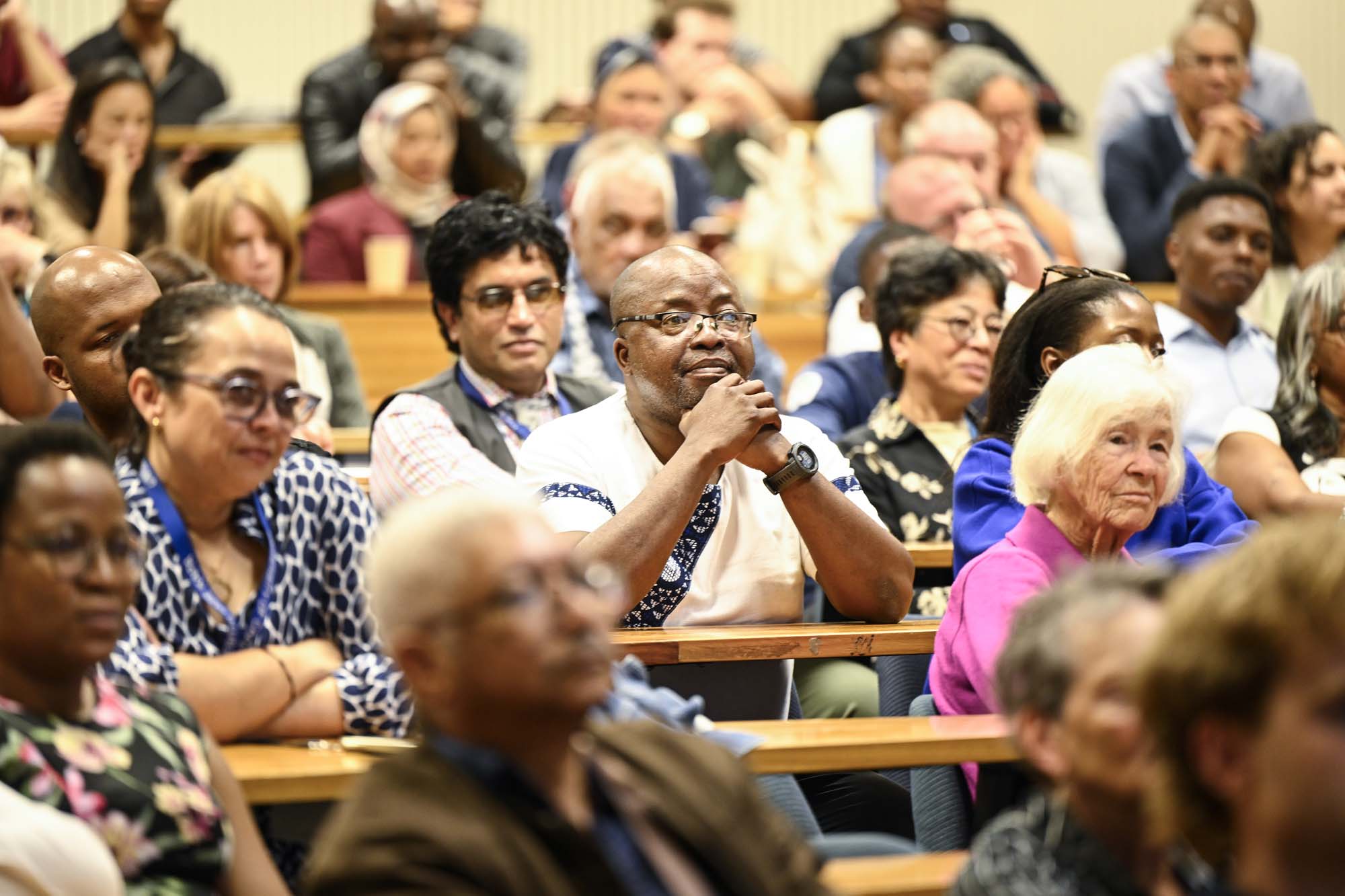
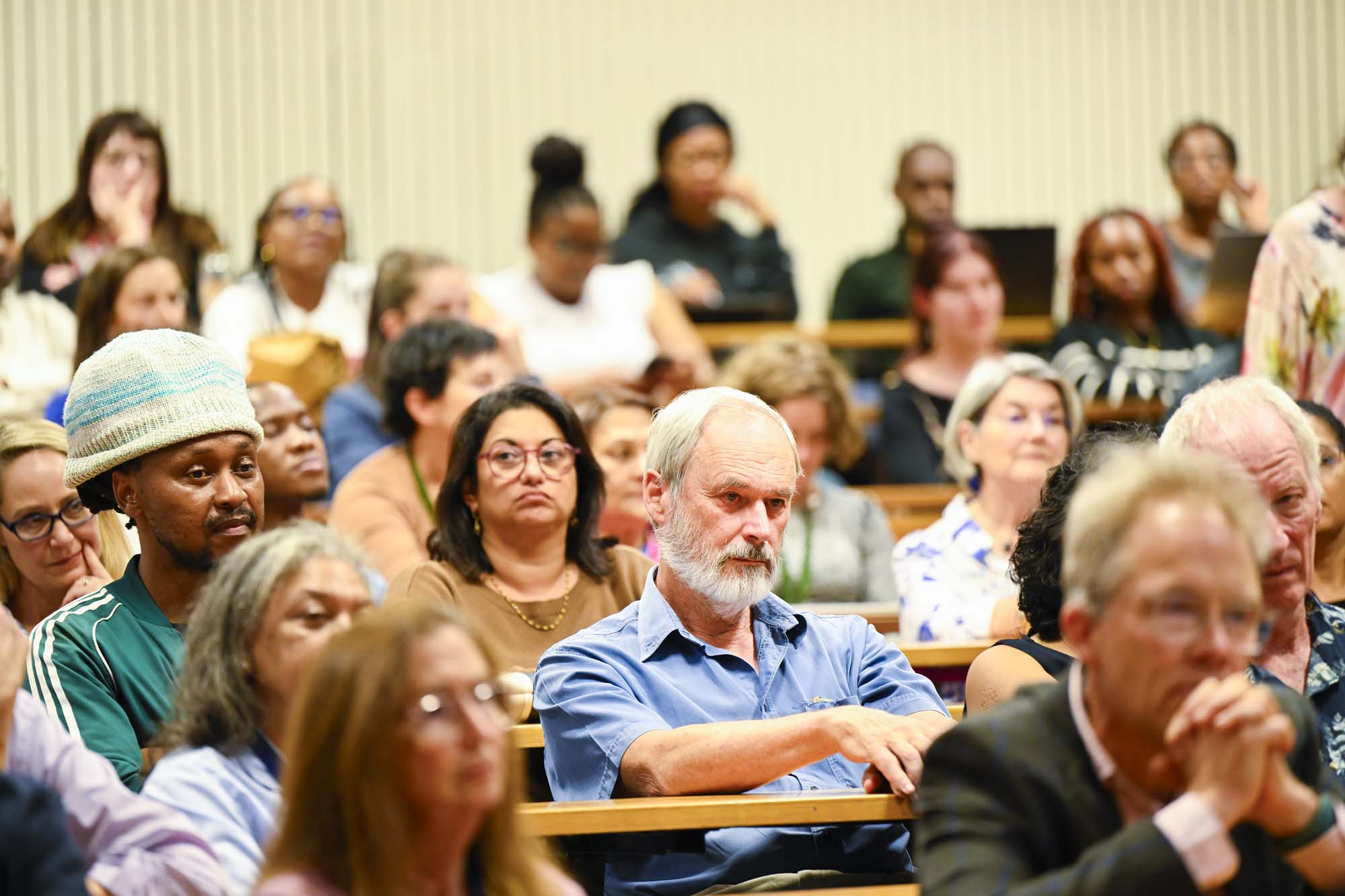
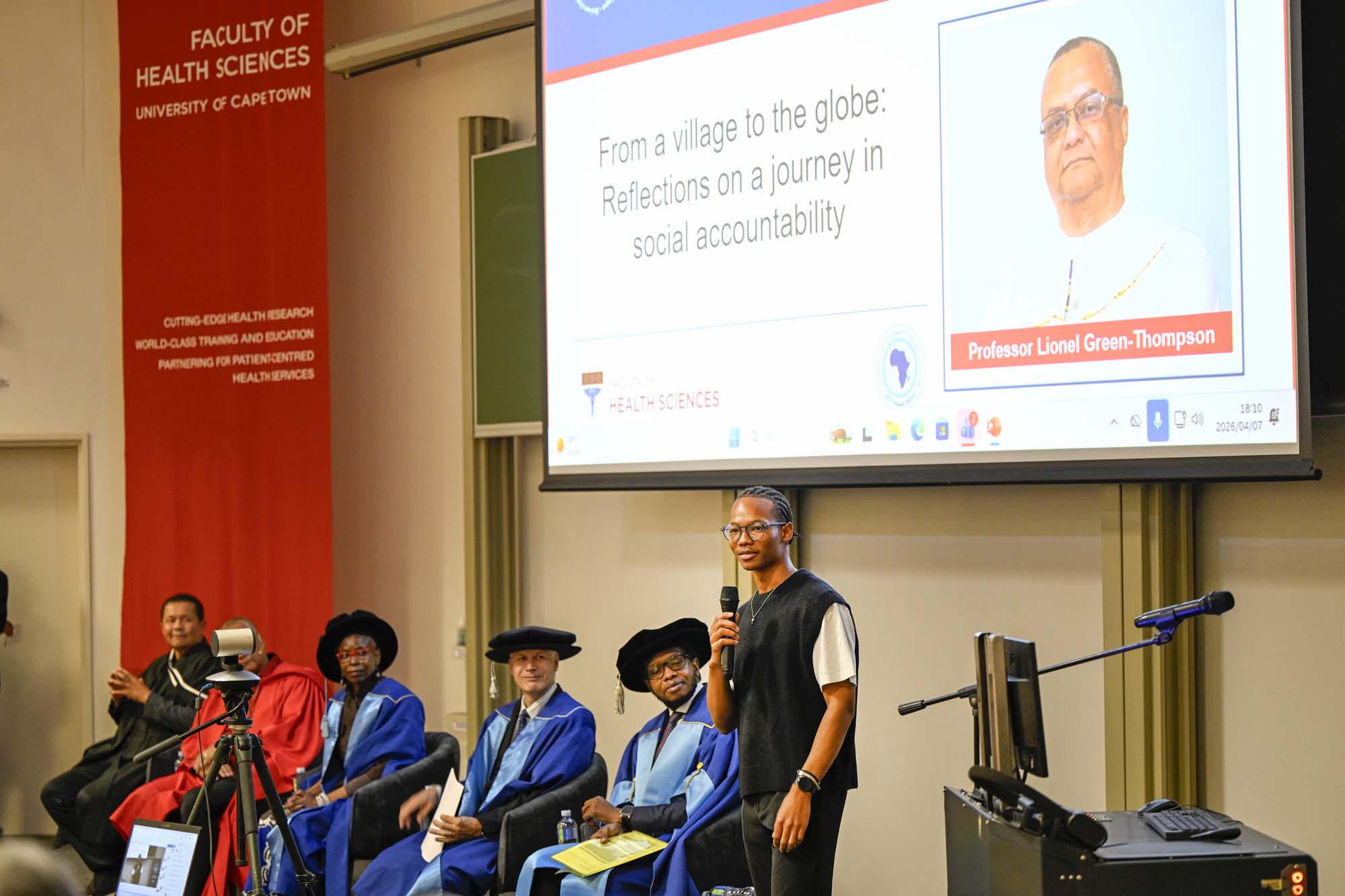
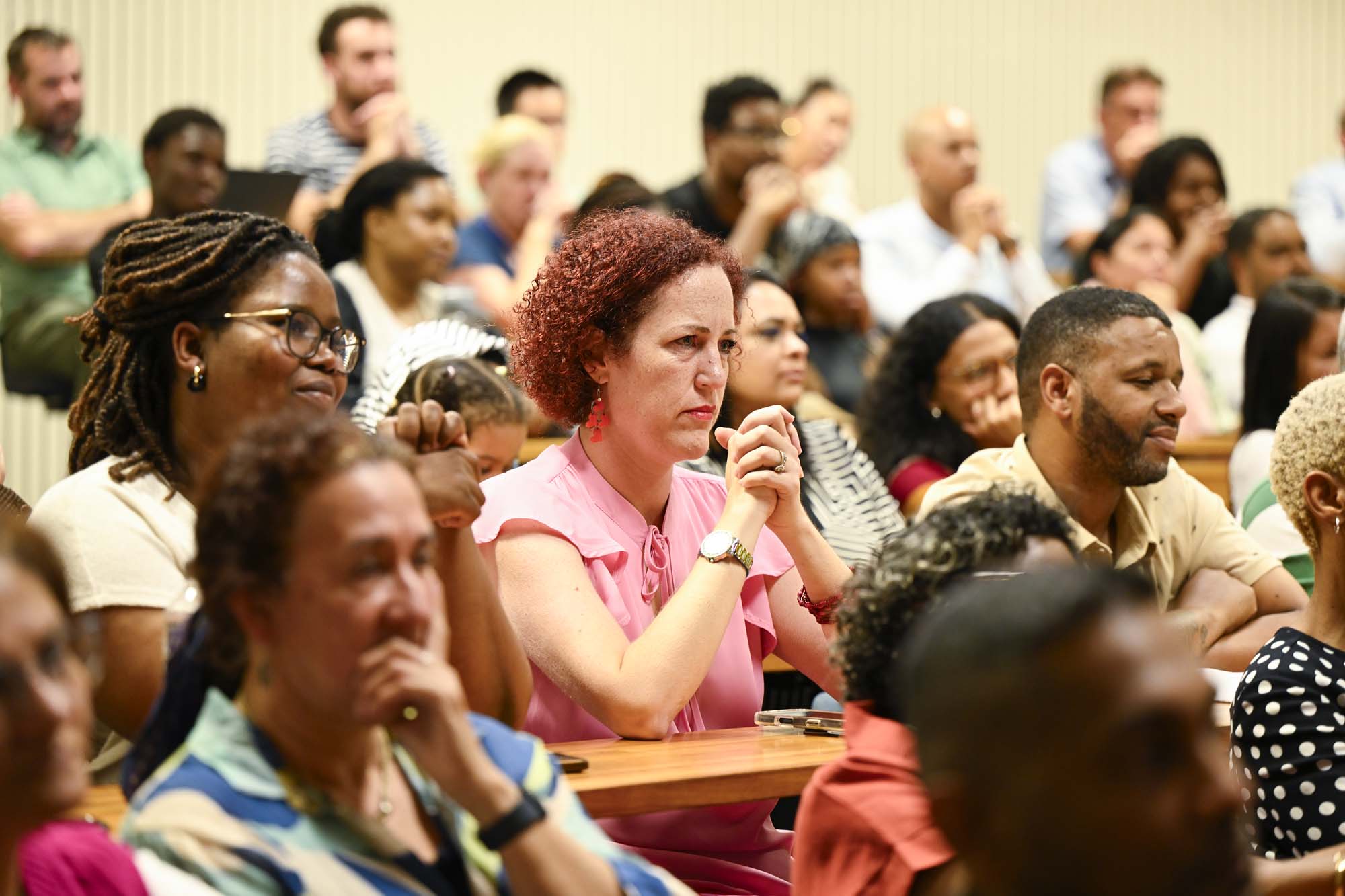
This opening statement underpinned an impactful inaugural lecture delivered by the University of Cape Town’s (UCT) Professor Lionel Green-Thompson. Professor Green-Thompson is the dean of UCT’s Faculty of Health Sciences (FHS). On Tuesday, 7 April, his loved ones, friends, colleagues and students packed a lecture theatre on the FHS campus to celebrate his ascent to full professor – marking a significant milestone in his career.

“It [the inaugural lecture] is not a moment of triumph in the traditional sense. It’s the culmination of a mosaic of different experiences over a long career, [and] these last years have been characterised by accounts that have brought me a great sense of joy,” he said.
A misunderstood concept
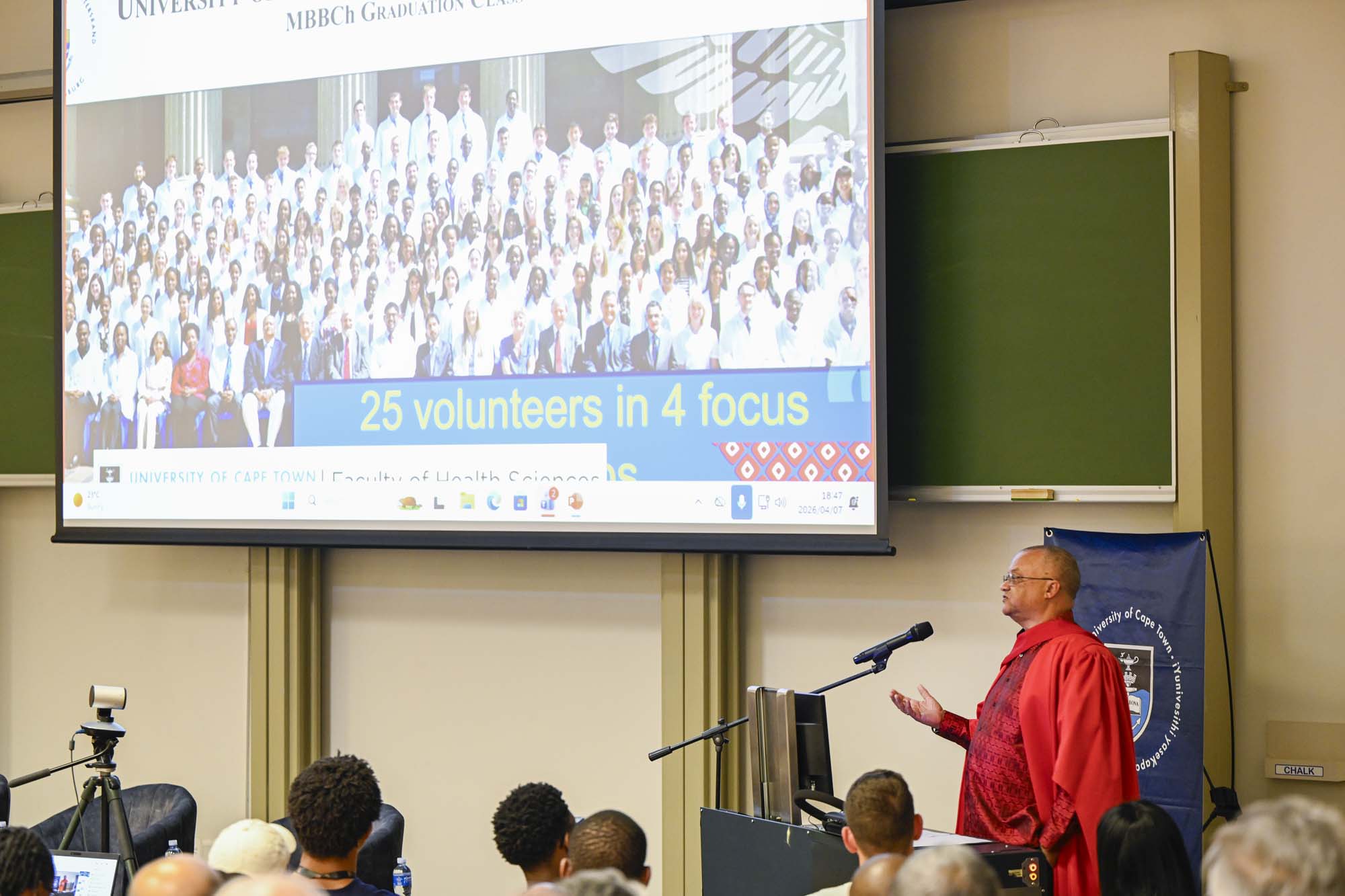
His lecture was titled: “From village to the globe: reflections on a journey in social accountability”. It explored social accountability in health professions education and underscored the important role institutions play with aligning teaching, research and service with the priority health needs of the communities they serve.
Often, he said, the term social accountability is misunderstood. Scholars believe that the institutions they represent have an obligation to direct its teaching, research and service endeavours towards the priority health concerns of the community. Yet, this doesn’t aid social accountability. What’s at the heart of it is co-creation – between institutions of learning and the agencies who govern people.
“We have an obligation to sit together and craft what the solutions should look like.”
“We don’t always agree that it is true. But we have an obligation to sit together and craft what the solutions should look like,” Green-Thompson said.
How we become accountable
He told the audience that adopting social accountability and service to the people requires that health education institutions work from within the partnership pentagram – a collaborative framework used in healthcare and social sectors to engage five to six key stakeholder groups.
“The partnership pentagram is an essential lens with which to look at how we become accountable,” he said. “Policy makers, health administrators, health professionals, communities and academic institutions are all part of this continuous moving cycle of partnerships and relationships, which are integral.”
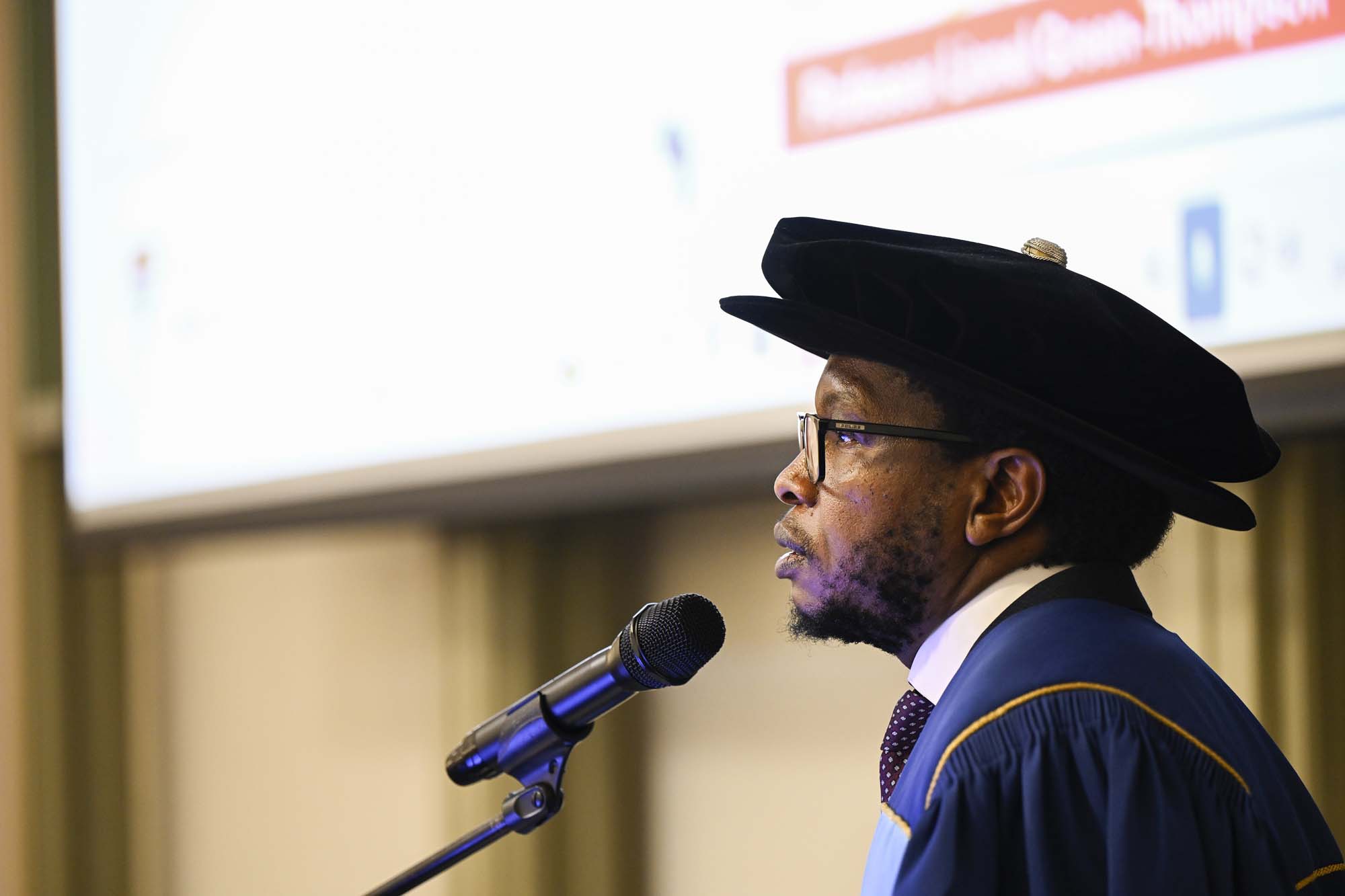



Emphasising the importance of social accountability, Green-Thompson referenced an article by an academic at Makerere University in Uganda. He said the piece highlighted the importance of moving from responsiveness to accountability, especially for institutions of learning. This, he said, is a “real thing” for institutions like UCT that work closely with communities.
“But I am not sure we can account for what these communities think of us,” he said.
What communities need
Staying with how communities perceive healthcare professionals, Green-Thompson gave colleagues in the room some food for thought: “If we left Vanguard [Community Health Centre] tomorrow, would the people be better off?”
“I think we don’t know.”
Why? Because the mechanisms – to ensure that healthcare workers understand what patients in communities need – are missing. Therefore, it’s crucial that doctors understand their patients’ needs and what their presence (as doctors) has on the people they serve.
“For me, that’s the nature of this. Accountability means that our aims are defined by society,” he said.
Social accountability as a heuristic
For Green-Thompson, social accountability has become a heuristic, and it should also be used as one to assist health workers with judging their contexts, as well as their behaviour in response to these contexts. He stressed that the concept does not apply only to primary healthcare; every discipline in healthcare requires social accountability.
Referring to his PhD, he said he interviewed community members to understand what they need and want from the doctors who treat them. And while they did not explicitly use the term social accountability, their response spoke volumes. What they said they need is for doctors to practise the spirit of ubuntu.

“What they could say is that if you’re a doctor who has ubuntu, you would know how to treat me. Because in that spirit of ubuntu, you would know that I am a real person,” he said.
Deepen notions
As he prepared to conclude the lecture, Green-Thompson reminded the audience of a letter he wrote to students and staff in the faculty at the onset of the COVID-19 pandemic (on the eve of Level 5 lockdown). In the letter, he acknowledged the uncertain time the faculty, the university, the country and the globe had entered. And as the university prepared to make continency plans, he committed to listening with compassion, walking with humility and acting with justice.
“We really have to deepen the sense that compassion means we have to engage deeply with the community’s needs.”
Now is the time to deepen those notions, he advised.
“We really have to deepen the sense that compassion means we have to engage deeply with the community’s needs; humility means we foster equal partnerships, whether they’re in the university, with province, or with the community,” he said.
“And perhaps, the next step for us is achieving systemic change.
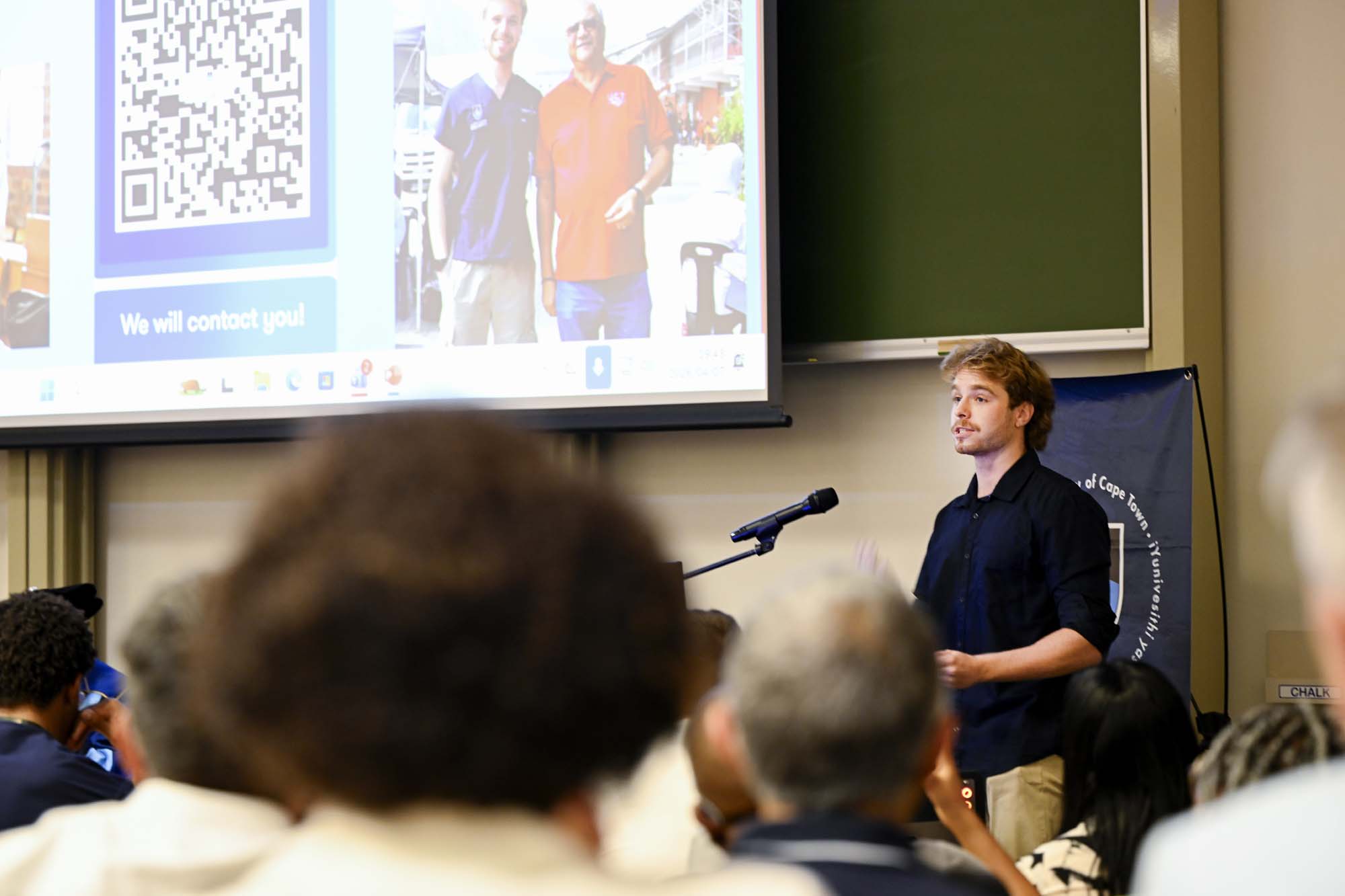
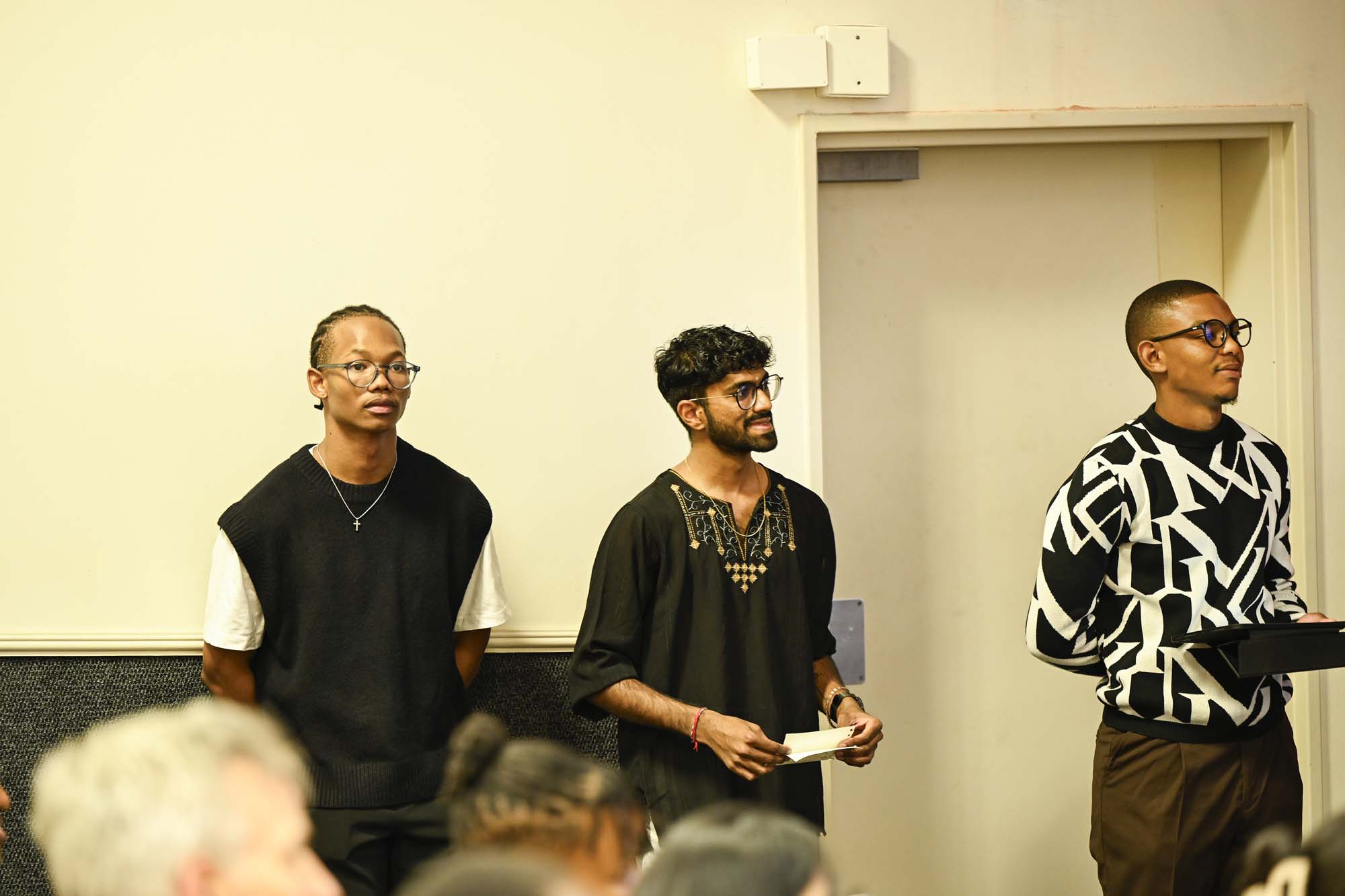
Part of the evening’s programme included reflections by students in the faculty that highlighted their relationship with Green-Thompson. Others who contributed sentiments on the night include Prof Mosa Moshabela, UCT vice-chancellor; Prof Brandon Collier-Reed, deputy vice-chancellor for Teaching and Learning; and Dr Keith Cloete, the head of the Western Cape Department of Health.
 This work is licensed under a Creative Commons Attribution-NoDerivatives 4.0 International License.
Please view the republishing articles page for more information.