
Wamkelekile, Welkom
MSc student builds pilot house with soil, waste material
10 February 2026 | Story Niémah Davids. Photos Supplied. Voice Cwenga Koyana. Read time 6 min.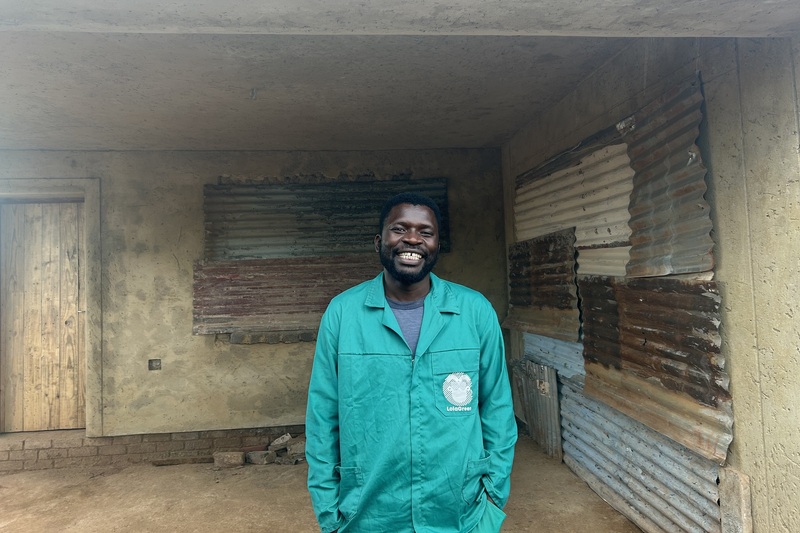
University of Cape Town (UCT) MSc student Matimba Mabonda and his team have recently completed construction on a three-bedroom house, built using soil and other waste material.
South Africa generates approximately 122 million tonnes of solid waste per year. Imagine putting that waste to good use and building a brand-new house from the ground up? It’s doable and Mabonda has proved it. The result is a cozy three-bedroom house constructed from natural soil and plastic and glass waste, and it’s any eco-conscious homeowner’s dream.
Executing a building project of this kind had always been on Mabonda’s to-do list. And once he graduated with his degree in chemical engineering from UCT, he joined forces with his contractor dad, Ben, who’s built hundreds of houses in the past, to make it a reality. By then, Mabonda, who’s now completing his MSc, had already set up his start-up, LolaGreen, to provide an innovative solution to building. Part of the business’s offering includes collecting waste found at landfills and other parts of the environment and converting it into durable building material.
“Sustainable building has always been an area of interest for me, and after graduating with my degree it made sense to venture into how to make it work and that’s what I did,” he said.
A dream come true
Growing up in a shack in Grasmere in Ennerdale, Johannesburg, and witnessing the country’s housing shortage and the challenges that come with it, Mabonda made it his mission to find an alternative, eco-conscious and affordable building solution that would yield the same comfort as a brick-and-mortar home.
“I always wanted to improve things for my family.”
“I always wanted to improve things for my family. We also have a massive housing crisis in South Africa. So, I thought if I could contribute to solving this crisis while keeping sustainability top of mind and changing circumstances for my family and others out there, that would be great and make me so happy,” he said.
Mabonda got his dad on board and the duo buckled down to build their pilot house. The plan, he said, was to use what they termed “lolabricks”, made from plastic and industrial waste with no cement or water. But securing the funds to purchase the industrial machinery for production proved to be their biggest challenge. But with challenge comes opportunity. As an alternative, Mabonda started exploring how to work with earth build technologies (sustainable construction techniques using raw soil), and the rest is history.
Building sustainably
Readying the soil for building is a lengthy one and involves closely analysing and testing it to determine its suitability, which includes establishing the soil ratios fit for building outputs. Mabonda explained that different size homes in different areas would require different soil ratios – and depending on the size of the house, builders would need to blend various soil compositions to achieve the desired outcome.
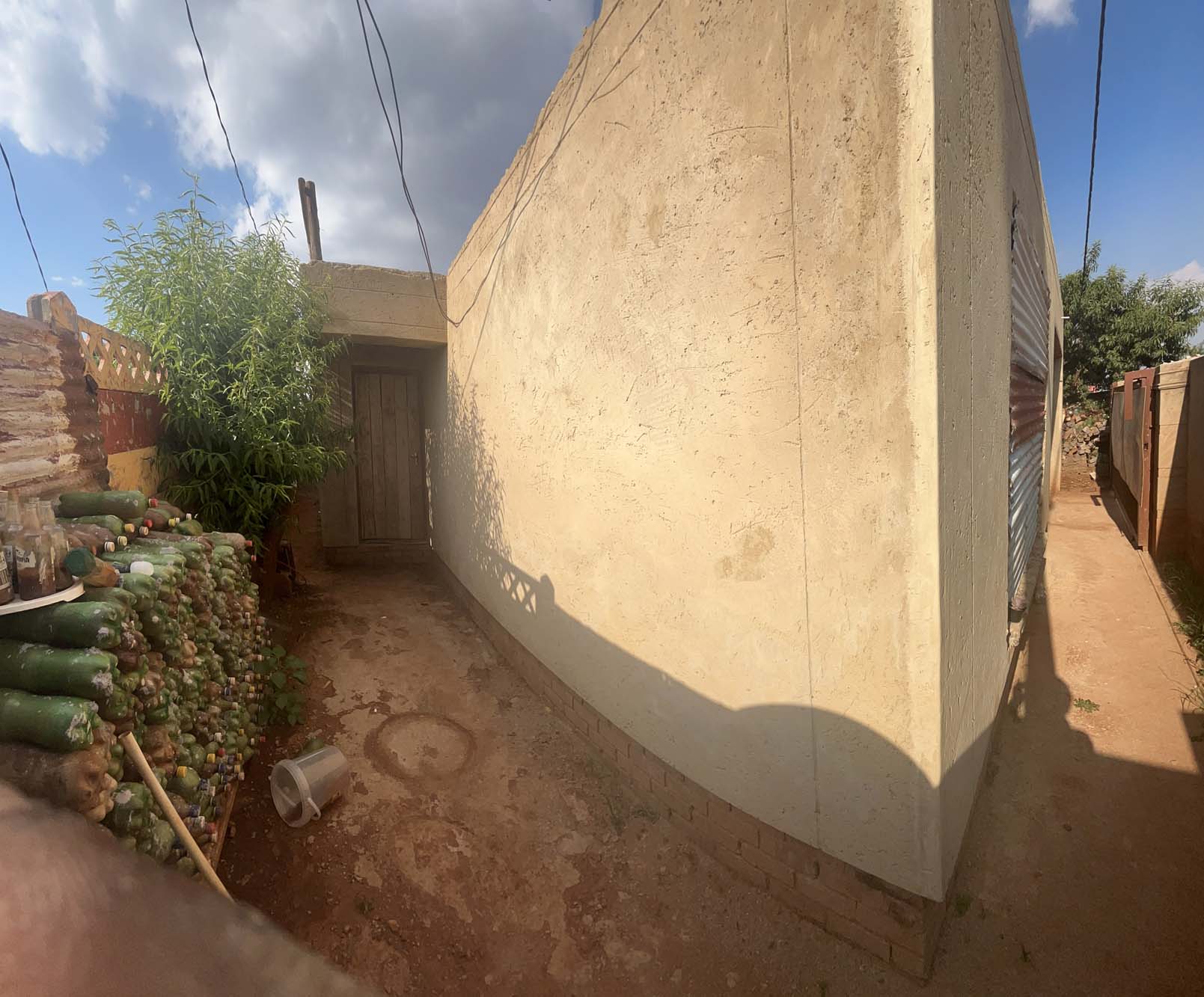
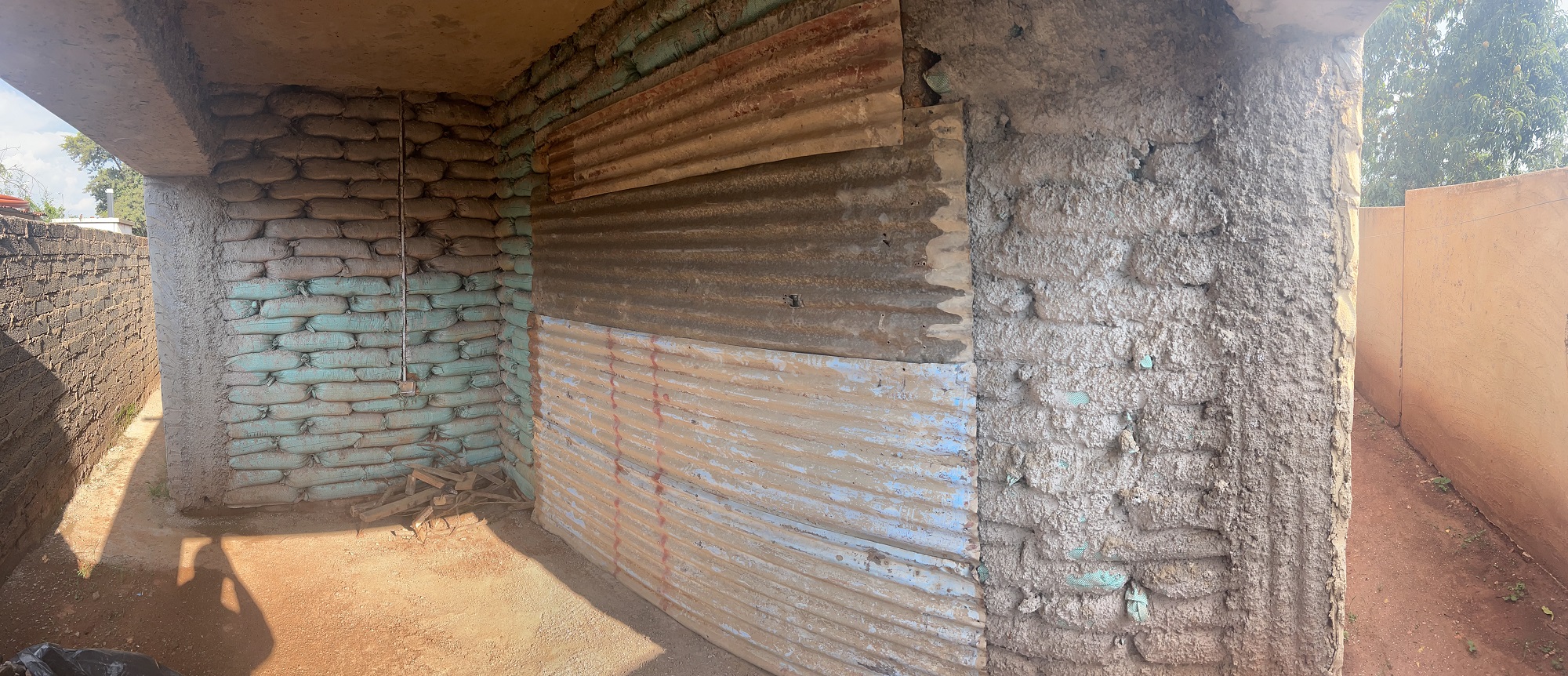
For the pilot house, he said, the team added plastic waste to the raw soil and were careful not to compromise the house’s structure as building got under way.
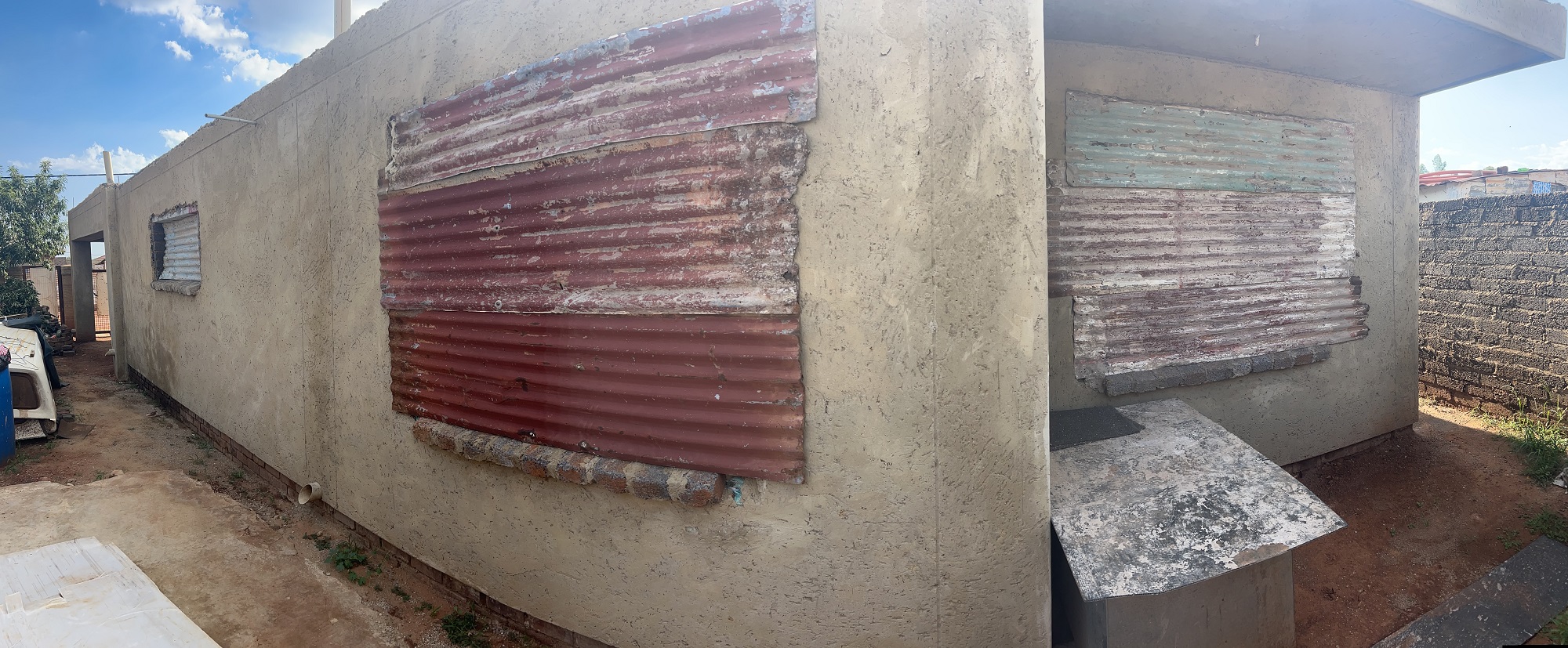
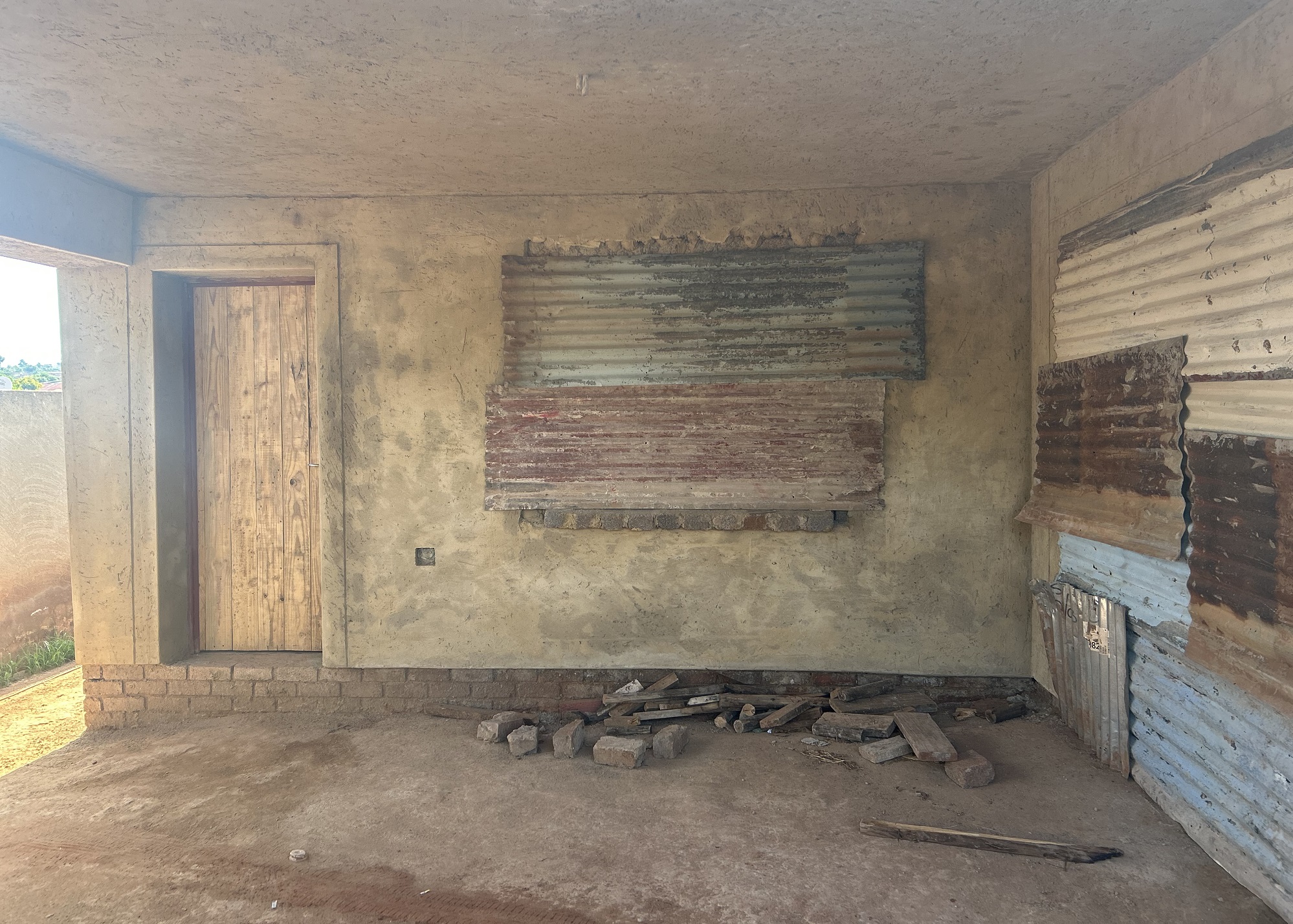
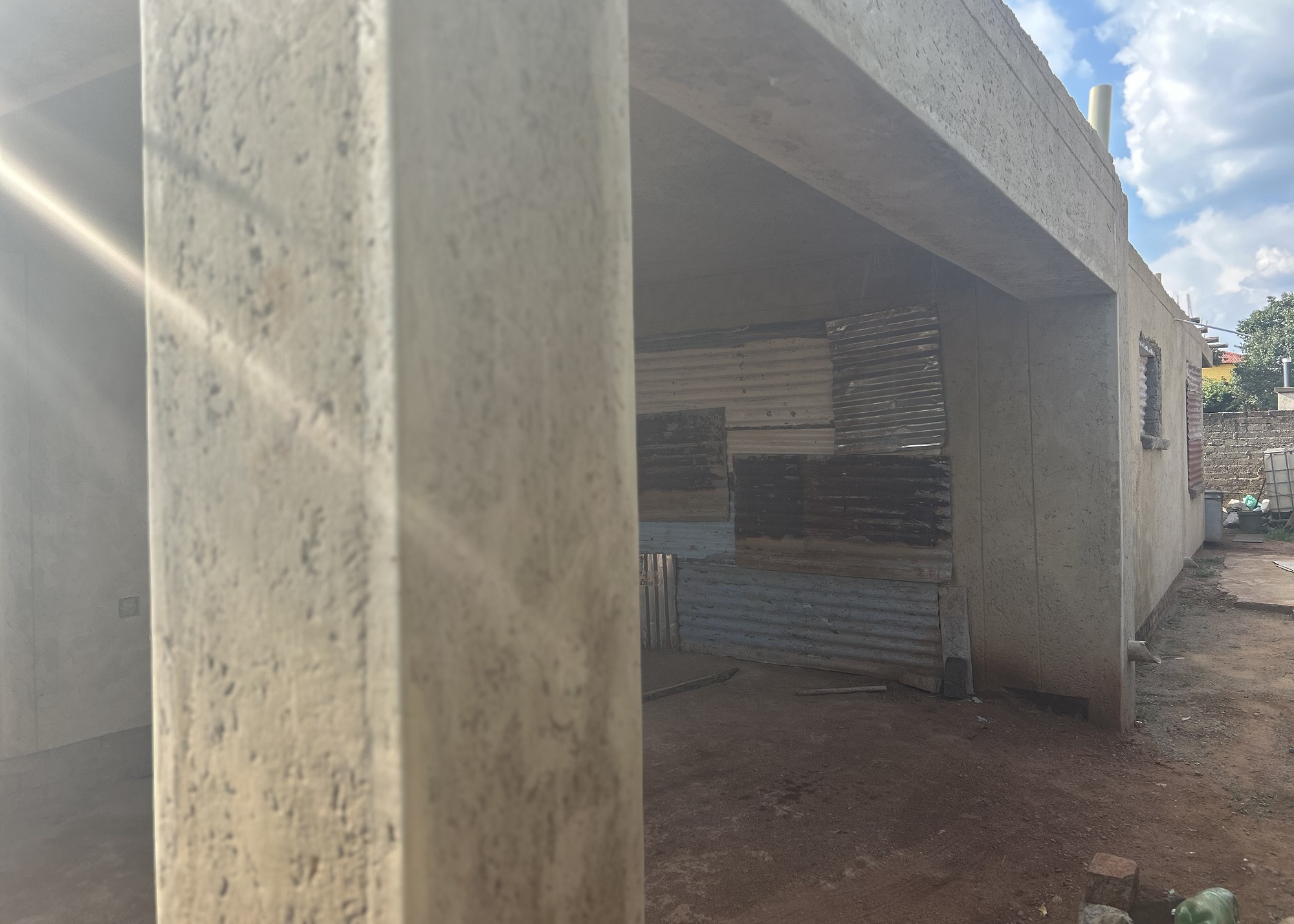
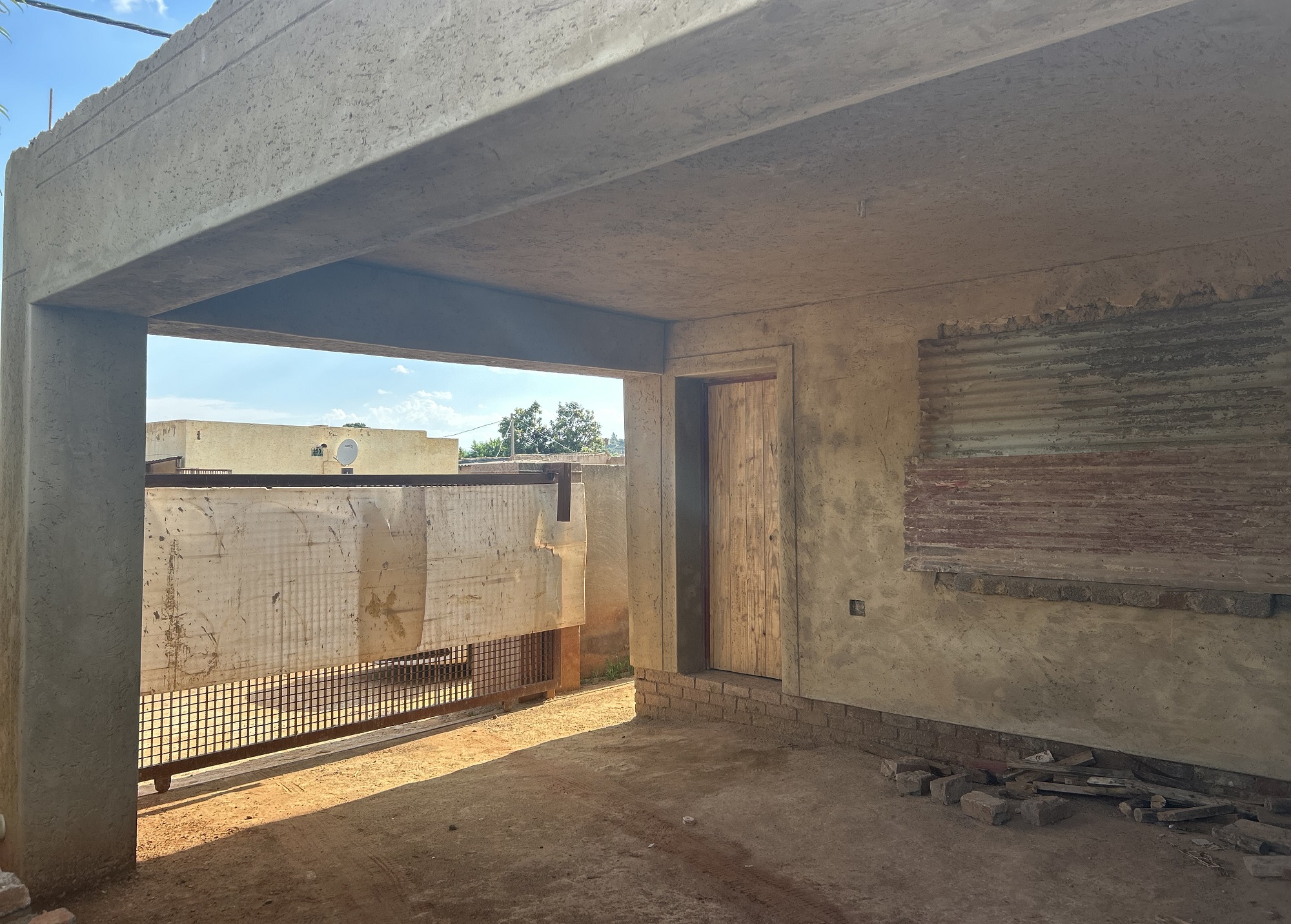
He said he hopes this innovative building technique will revolutionise the construction industry and, because it’s considered more affordable, that it will contribute to providing affordable housing to those in need.
“More than 90% of our walls were made from earth materials, as well as plastic waste. Our house is comfortable. It’s warm in winter and cool in summer – making it the ultimate living space and there’s no need for expensive air conditioners either,” Mabonda said.
No difference
The three-bedroom house, which also boasts a living space, kitchen, bathroom and garage is located in Ennerdale and took less than a month to build. And the house looks exactly like one of the others on the street.
“Until someone tells you that this house was built using soil and other waste material, you’d never say that this is not a brick-and-mortar house. It looks the same,” he said.
Since the success of LolaGreen’s pilot house, Mabonda said the team is ready to build as many houses using waste materials as they can and the requests are streaming in.
“We’ve already had a significant number of requests for us to build houses, because our option is not only sustainable – it’s cost-effective, compared to a traditional brick-and-mortar structure. It also requires a much shorter timeline. All this is very appealing,” he said.
Decarbonising the construction industry
Long-term, Mabonda said his aim is to decarbonise the construction industry and to educate the public on what is possible without the use of conventional construction materials, while serving his clients with distinction.
“We are incredibly proud of where we are at; it’s a massive milestone in our journey.”
He also hopes to prove to construction certifying bodies like Agrement South Africa – an organisation that evaluates the fit-for-purpose of non-standardised construction products and materials, that a building project of this kind is feasible. And this process has already started. He’s currently in discussions with the Council for Scientific and Industrial Research to obtain the necessary certification to take his business offering to the next level.
“We are incredibly proud of where we are at; it’s a massive milestone in our journey. Gaining a bit more traction and obtaining the necessary certification will take us to the next level, which is another step towards truly transforming the construction industry and contributing to solving South Africa’s housing crisis,” Mabonda said.
The house was built with the Mabonda family in mind and as soon as builders completed construction, the family moved in.
 This work is licensed under a Creative Commons Attribution-NoDerivatives 4.0 International License.
Please view the republishing articles page for more information.