
Wamkelekile, Welkom
Ubunye’s student volunteers ready themselves for 2026’s educational outreach
17 March 2026 | Story Lisa Templeton. Photos Nasief Manie. Read time 7 min.
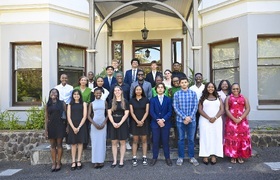
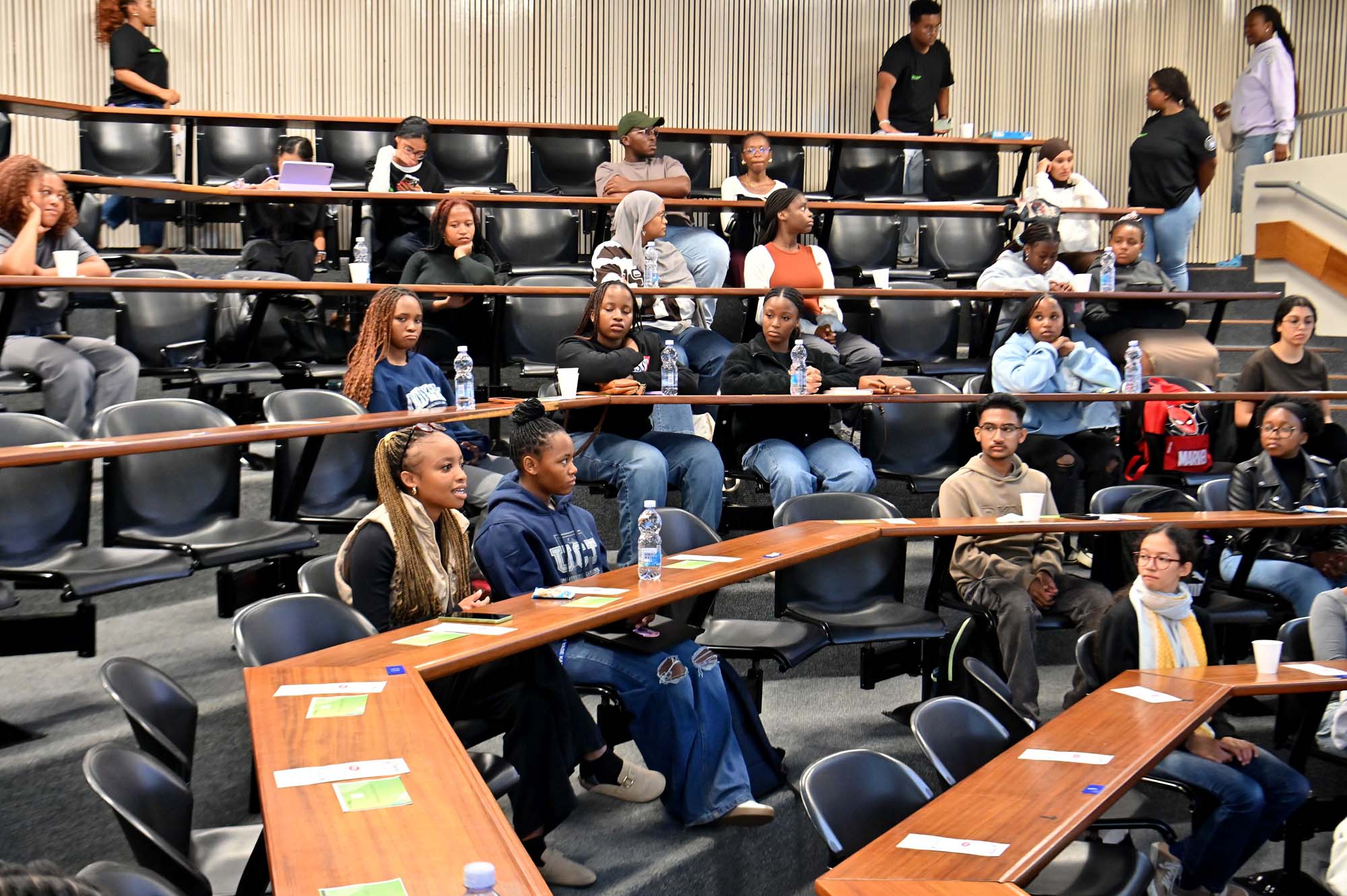
On a Saturday in early March, 32 new and 14 returning volunteers gathered in the quiet of Leslie Social 2B for a day’s induction and training. These are students looking to give up their Saturdays to help uplift peers in high schools through academic tutoring and by passing on debate skills. In a country where the dark shadow of apartheid-era education inequalities couple with a critical lack of resources to significantly impact learners in under-resourced schools, Ubunye volunteers set out to help.
“Our vision is to empower young people from disadvantaged communities to help them recognise their full potential,” said Oshiannahy Rakgoale, the deputy chairperson of Ubunye, in a welcome address.
“Most of us know through personal experience or friends how hard it can be to get a good education. Through academic support and tutoring, we can play an active role in helping learners towards academic achievement and career development. Through debate coaching we empower learners with the ability to create a sound argument, express themselves confidently and use their voice.”
Working under the theme: “UCT students and the basic education crisis in SA”, the primary focus of 2026’s induction was to get new volunteers ideologically acclimated to the realities and inequalities of post-colonial/post-1994 basic education in South Africa – something with which many are already familiar.
Giving back on Saturdays
Ubunye, which means “unity”, operates through two organisations. The first, Teach Out, provides free, quality tutoring to learners at Usasazo High School in Khayelitsha and Beautiful Gate Centre in Philippi, with a focus on English, mathematics, mathematical literacy, accountancy, and physics. The second is the Thethani Debating League (TDL), a student-lead debating league developing critical thinking and language skills among schools in Cape Town.
“Debate fosters critical thinking,” said Thando Kambule, the finance director of TDL. “Many schools don’t have a culture of speaking about contemporary issues. Debate allows learners to grow their knowledge base along with fostering critical thinking.”
Skill and confidence in English also stand learners in good stead in terms of university and job prospects, added Jonathan Shiferaw, the secretary of Ubunye.
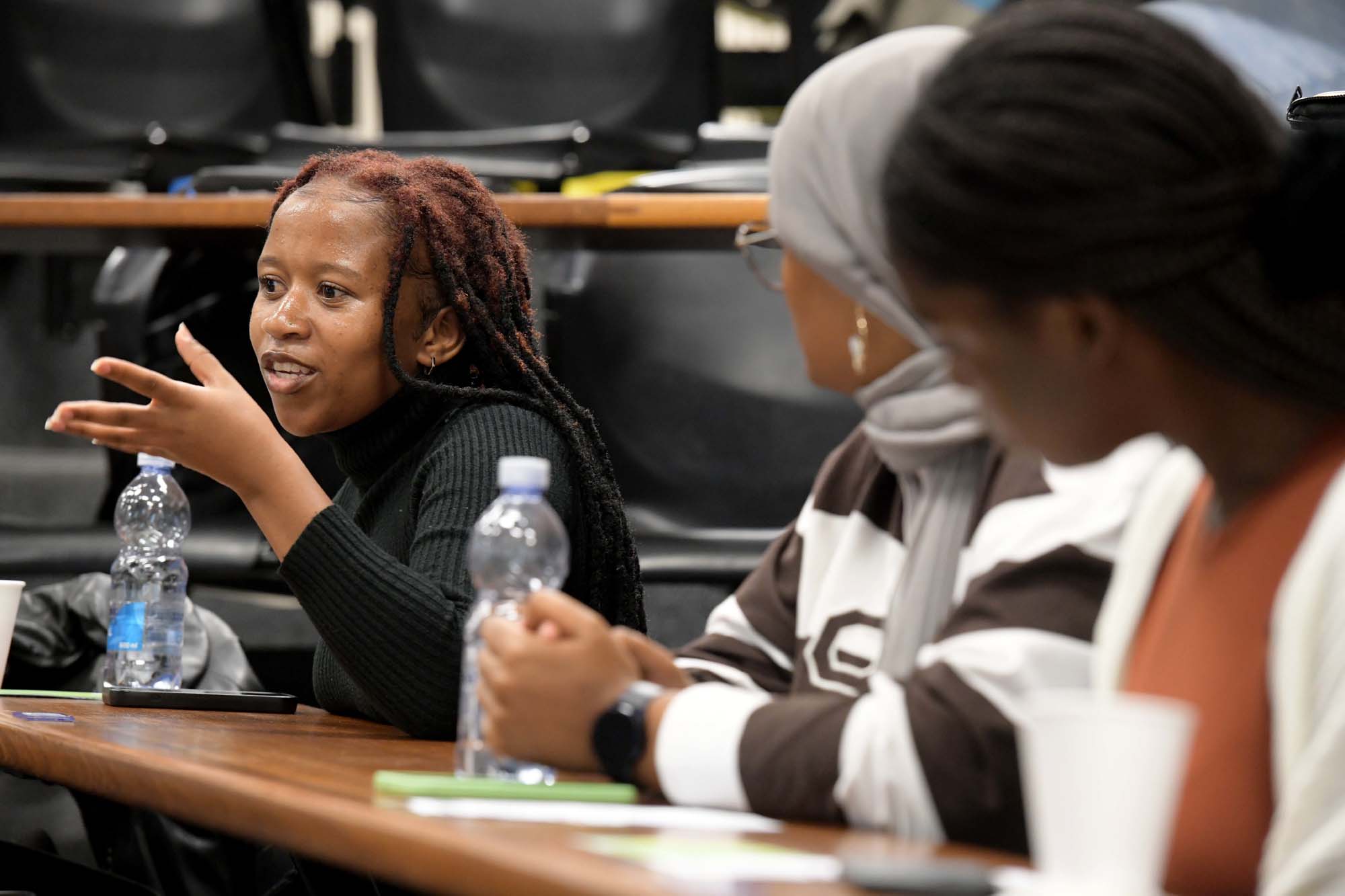
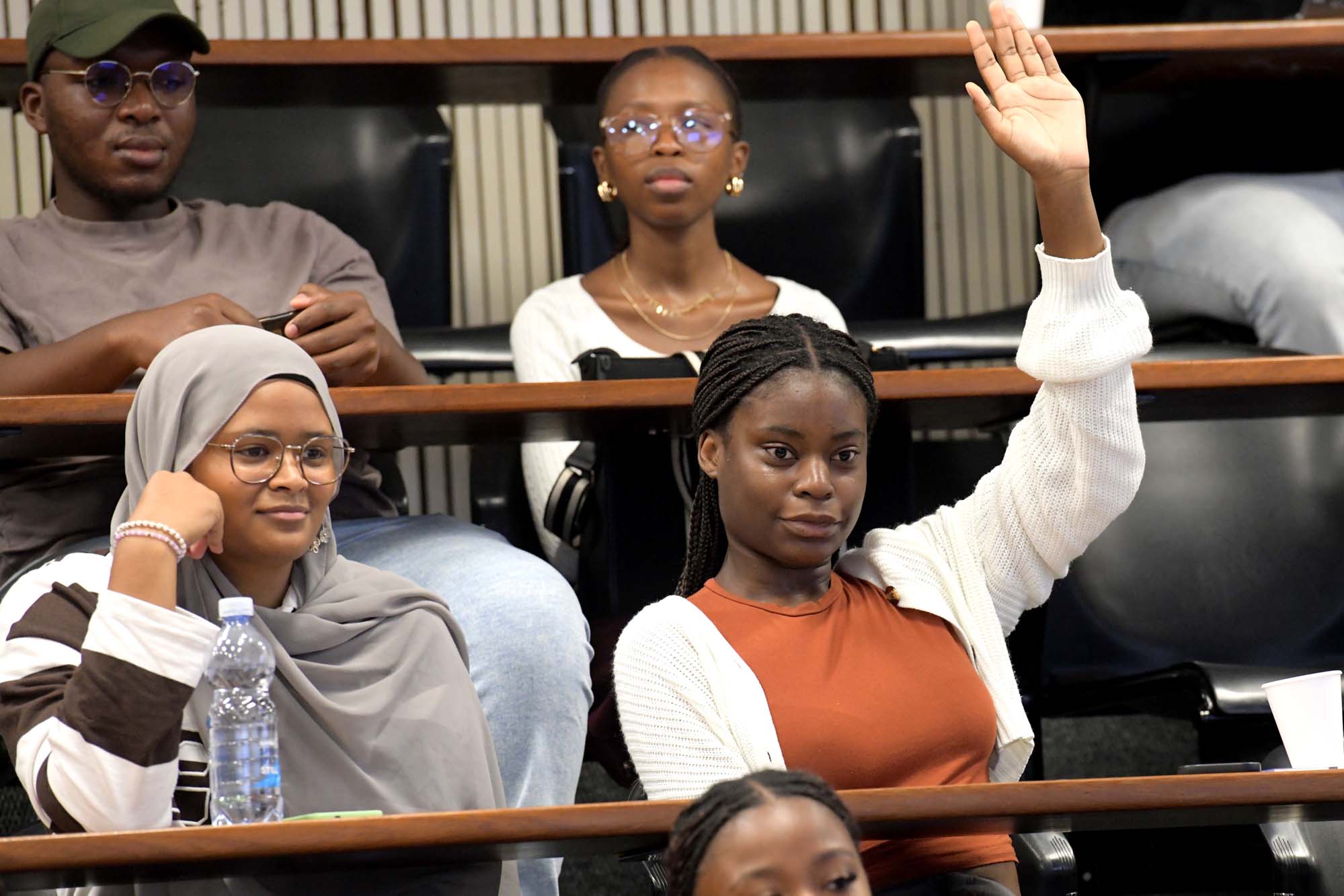
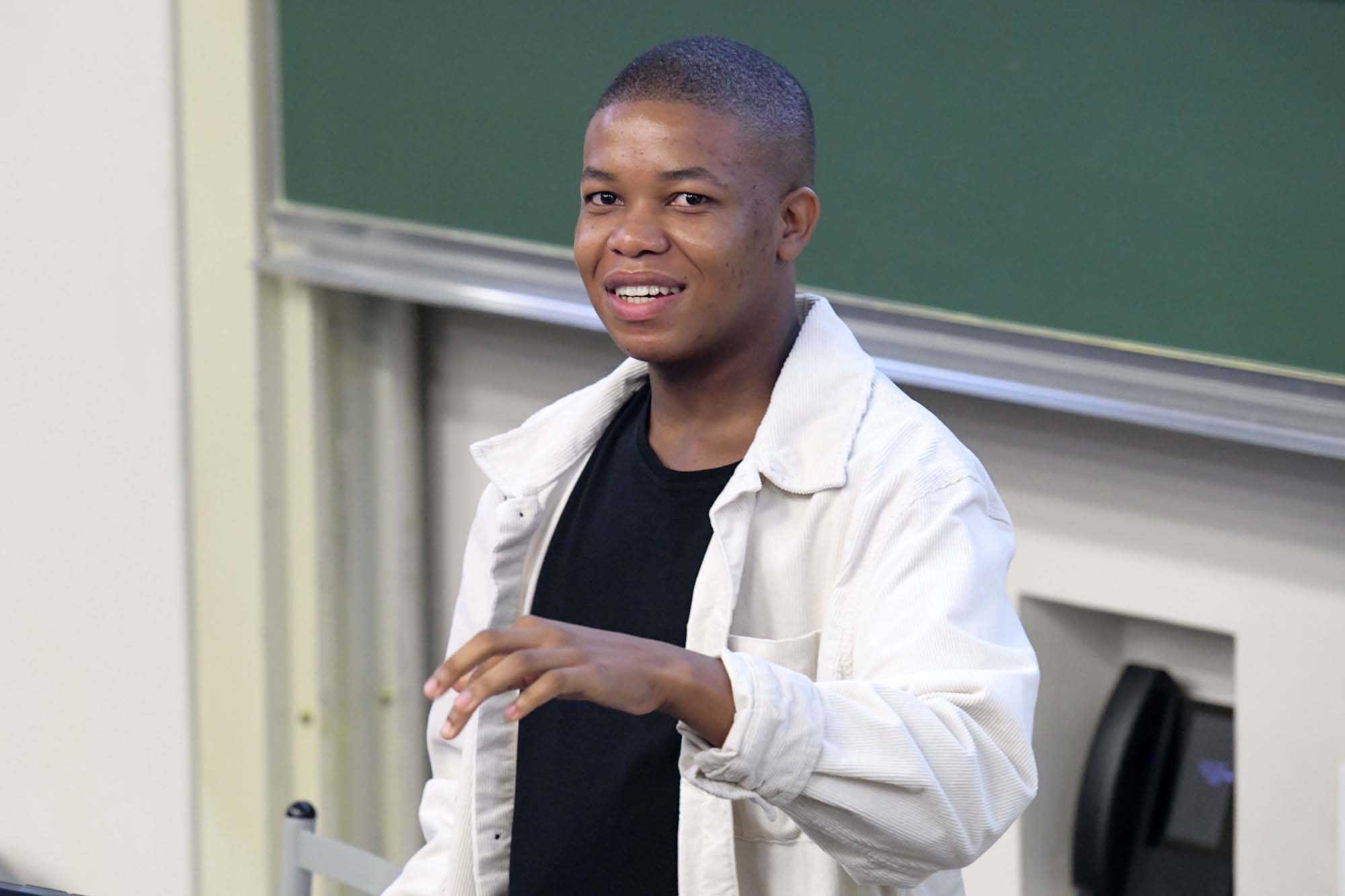
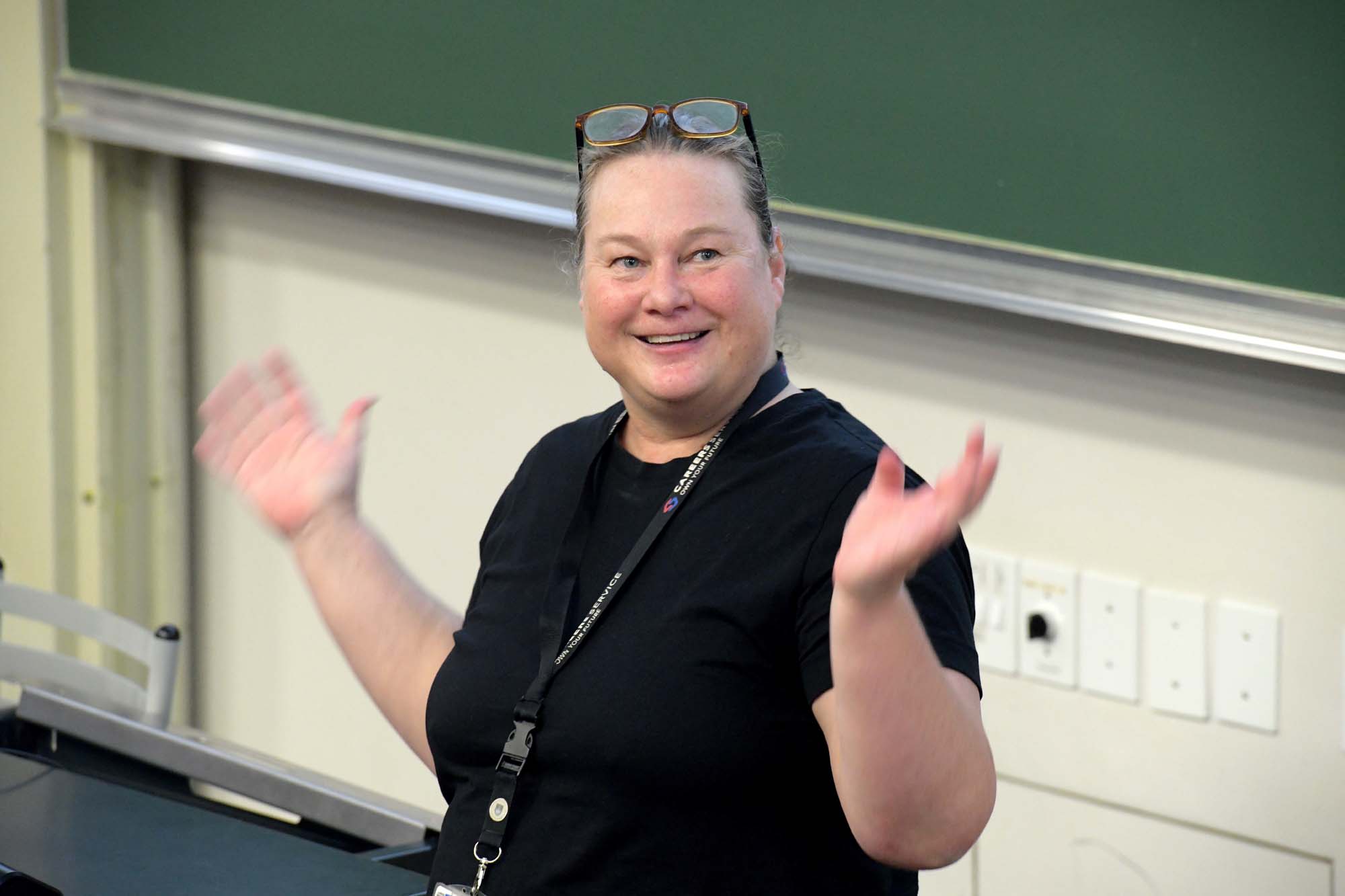
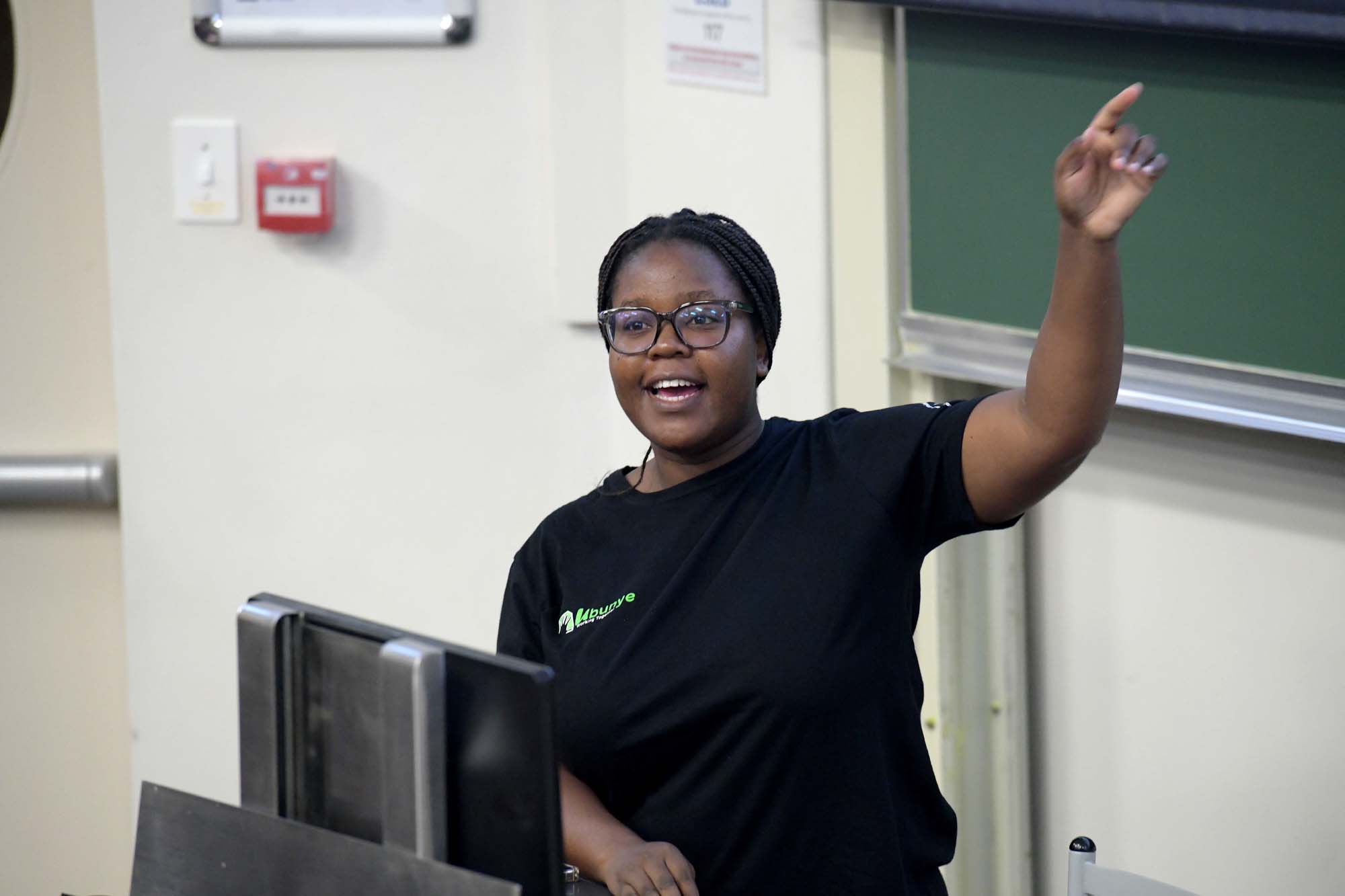
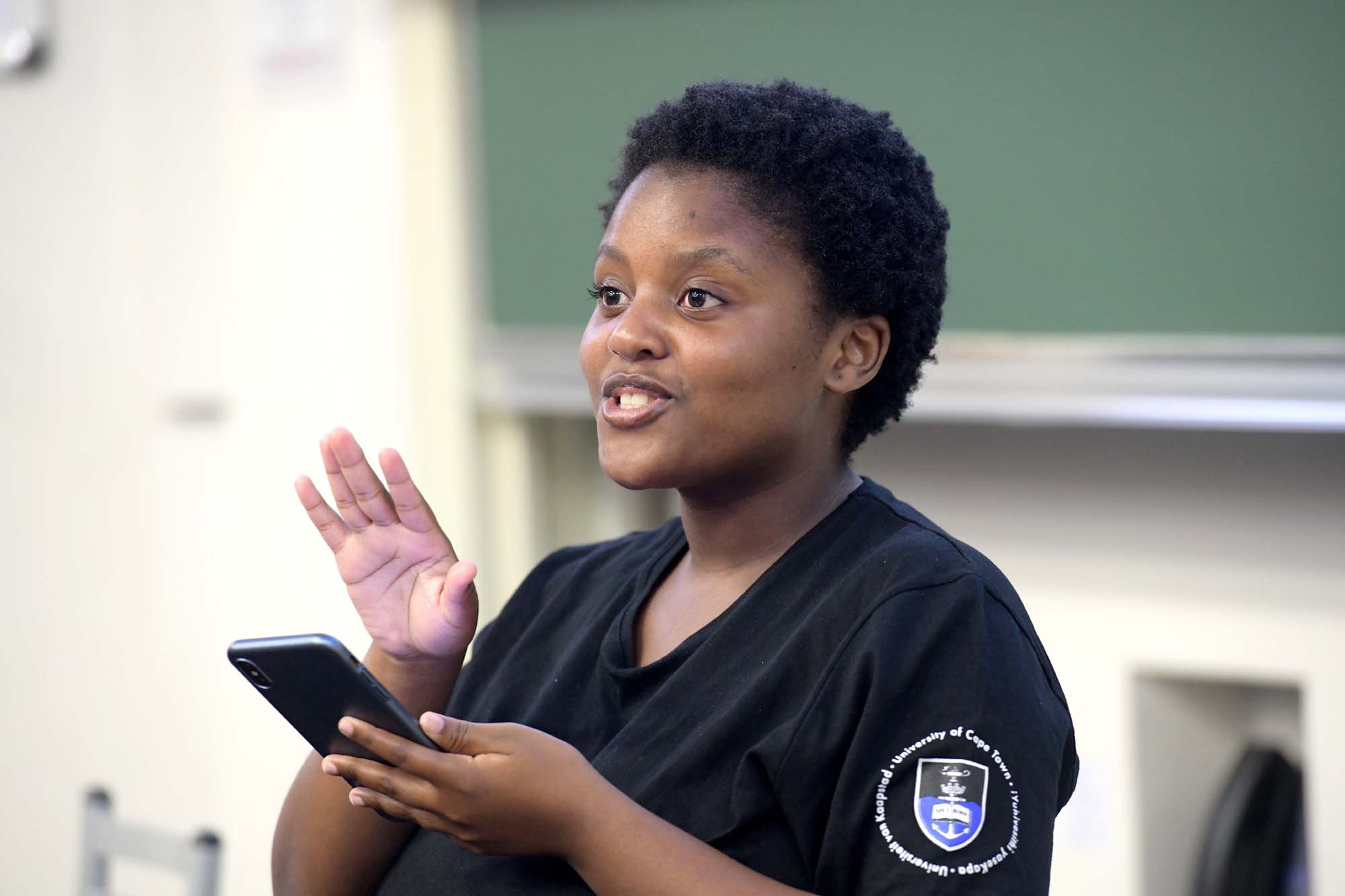
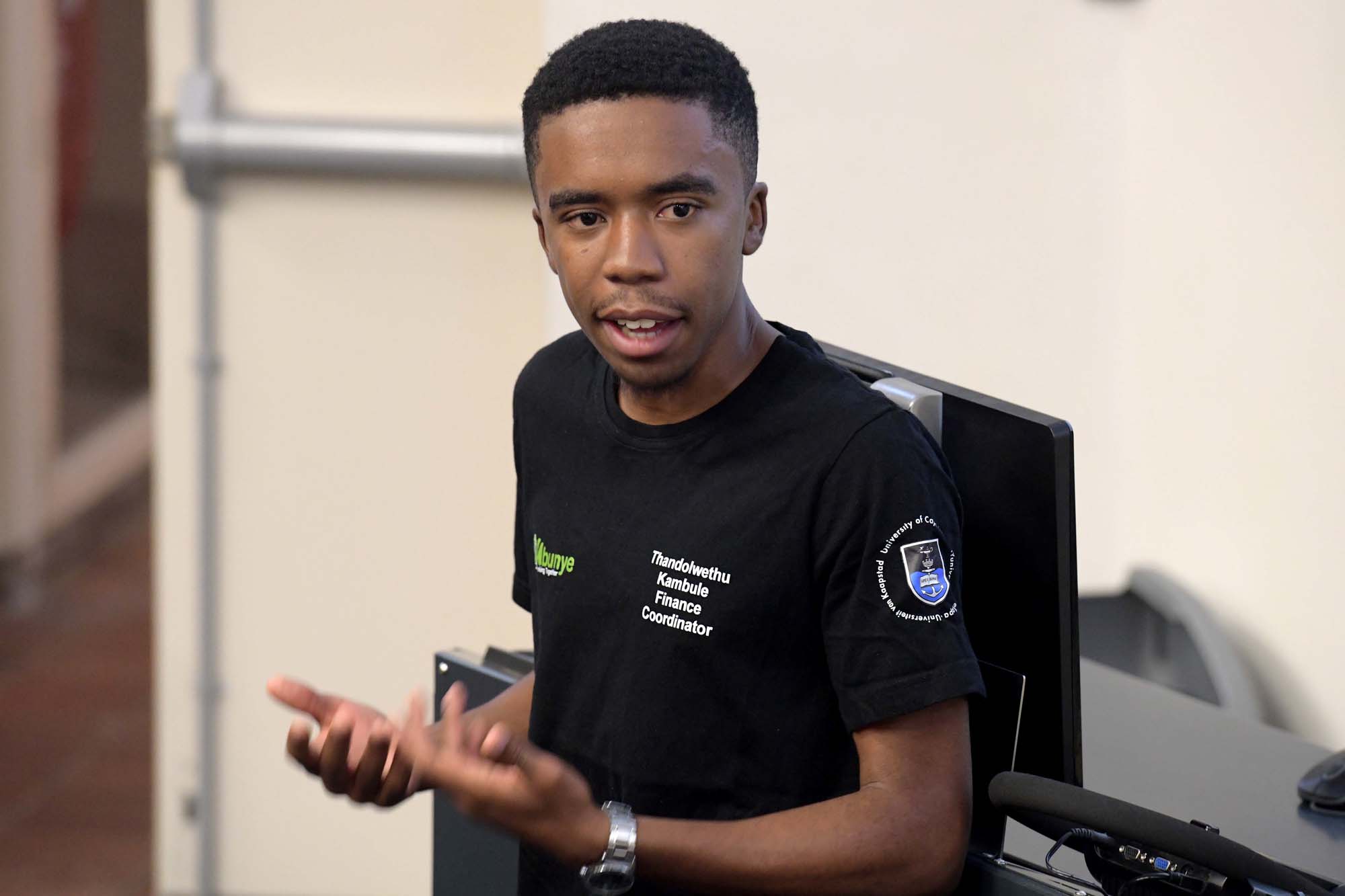
“By joining us on a Saturday, you can help someone not far from you in age figure things out with the time, patience and intentionality they may not be getting in a large classroom. A lot of us know what it is to come out of a system of privilege. This is a chance to give back.”
Countering historic exclusion
Jack Hartman from the UCT Politics Society said: “We have a history of basic education grounded in exclusion on the grounds of race, gender and wealth. It is a system that fails a vast proportion of our population.” Rooted in more than 300 years of extreme, intentional, systemic inequality, it is geared towards repression and labour creation.
“We are only 32 years into changing 300 years of racial and gender exclusion.”
“Education begets education. If your parents were not taught reading and maths skills, you can miss out on early development basics. We are only 32 years into changing 300 years of racial and gender exclusion.”
Couple this with R1.5 trillion pilfered from public funding, and the 3 050 schools deemed to be in poor or very poor condition, 506 of which need urgent repair or replacement.
“You are all here today because you recognise the power of education as a means to change. Too many focus on university, but one can get meaningful work with a piece of paper. Let’s start with the basics: getting people to matric.”
Win-win: Ubunye benefits students too
Volunteering in this way comes with challenges. Saturdays are a big commitment, and tutors can turn up to a dishearteningly empty classroom, as one alumna pointed out.
To this end, Liza Hitge, UCT Careers Service Head: Strategic Projects & Programmes, was invited to tell volunteers what they get out of their experience, beyond altruistic fulfilment and enrichment.
Through 35 or more tracked hours of service, which includes preparation time, volunteers qualify to fill in a UCT Plus Assessed Reflection on their experience, which helps them distil and articulate what this experience has taught them and how it built leadership skills.
“At UCT Plus, we want you guys to go out and pour your skills into this, really great cause.”
Time spent on Ubunye is recorded on volunteers’ graduate transcript as a UCT Plus Leadership Role in Community Service. Those with 60-plus hours are awarded UCT Plus Gold status.
“You are doing this because you want to give back and make a difference, but it is also nice to be acknowledged for how you have personally developed through this experience and what you can now offer the world,” Hitge said.
“At UCT Plus, we want you guys to go out and pour your skills into this, really great cause.”
Managing time and well-being
“I am not here to tell you to get eight hours of sleep,” said Bonani Dube, Tugwell Hall warden, whose mandate was to discuss time management, as volunteers juggle student life with volunteering. “Your wellness and well-being are dependent on how you manage your time.”
Dube described holistic well-being as including all aspects of ourselves, not just the student. “Your spiritual, physical and emotional health all need attention and balance,” she said.
“Always ask: is this filling my cup, or taking away from it?”
“Chase that childhood feeling of enthusiasm.”
Dube advocated for enjoyable exercise three or four times a week. “Do things you actually like. Chase that childhood feeling of enthusiasm.”
She added: “Sleep is vital, as is a healthy diet. Do not skip breakfast, maintain your social connections with family and friends, exercise spirituality, mind your mental well-being, and identify and manage your time wasters.
“I always say to my students at Tugwell: ‘This is the time of our lives’. That happens if you are paying attention to everything in your lives. You are already taking a step. You have taken an extramural, and you will be better off than someone who has not.
“This is very close to my heart. I, myself, mentor students from Langa. Remember, you are changing lives.”
 This work is licensed under a Creative Commons Attribution-NoDerivatives 4.0 International License.
Please view the republishing articles page for more information.