
Wamkelekile, Welkom
Breaking the classroom language barrier
11 March 2026 | Story Myolisi Gophe. Photos Katherine Rainers. Voice Cwenga Koyana. Read time 8 min.
Classrooms are often filled with learners who speak more than one language. During the lesson, a teacher explains a concept in English and clarifies it in isiXhosa to help learners make sense of what she is teaching. For years, this practice happened informally, sometimes quietly and orally only, while assessments had to be taken in English only. This has affected many children’s performance in assessments in South African schools.
Now, the practice of translanguaging and code-switching is moving to the centre of education policy to align with children’s emergent bilingual languaging practices.
Lead teachers from across the Western Cape recently gathered at the Cape Teaching Leadership Institute in Kuils River for a workshop aimed at reshaping how language is used in Grade 5 classrooms. The two-day training was led by Dr Xolisa Guzula and Professor Carolyn McKinney from the University of Cape Town’s (UCT) School of Education; and Gilbert Dolo and Tholisa Matheza from the Schools Development Unit, in collaboration with the Western Cape Education Department (WCED) and Professor Margaret Probyn, Dr Robyn Tyler and Dr Babalwayashe Molate from the University of the Western Cape (UWC), among others. It focused on preparing teachers to implement Mother Tongue-Based Bilingual Education (MTbBE) in schools.
The initiative follows a directive from the Department of Basic Education encouraging schools to move away from strictly monolingual teaching towards bilingual and multilingual education by implementing MTbBE.
According to Dr Guzula from UCT’s School of Education, the shift marks an important change in how learners engage with knowledge.
“We are here because the Western Cape Education Department has organised training of teachers for the implementation of Mother Tongue-based Bilingual Education,” she said.
Ending the Grade 4 language switch
For decades, many learners in South Africa have experienced a sudden shift in the language of instruction. After learning in their home languages in Grades 1 to 3, they often switched abruptly to English-only teaching in Grade 4.
The new approach aims to change that.
“There should be no switch in Grade 4,” Guzula explained. “Children who started learning in their home language in Grade R, 1, 2 and 3 should continue using it from Grade 4 while gradually adding English as a second and complementary medium of instruction.”
About 60 teachers attended the workshop, many of them mathematics and science educators selected as “lead teachers” by the WCED. Their role will be to champion the approach within their schools and support colleagues in adopting bilingual teaching methods.
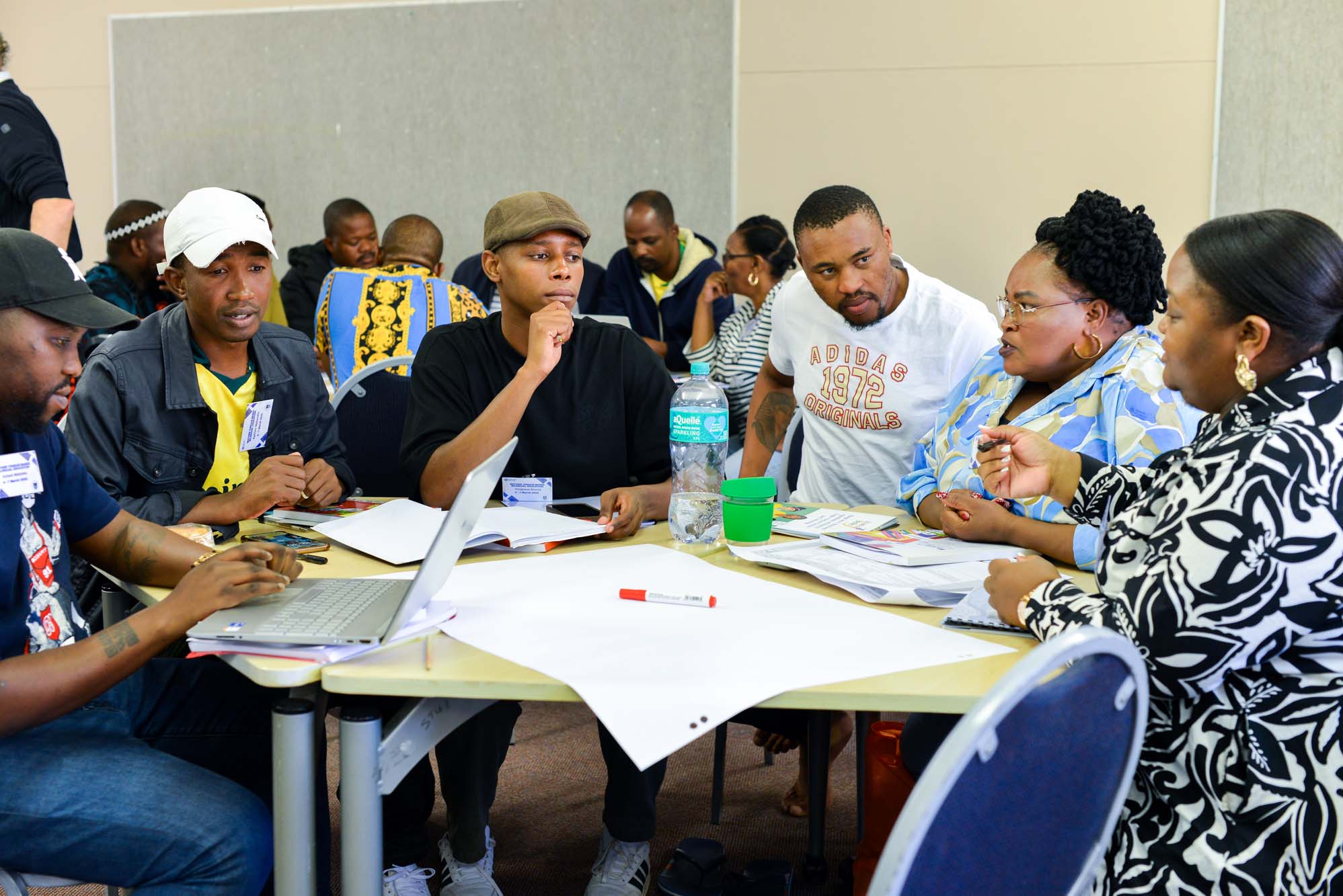
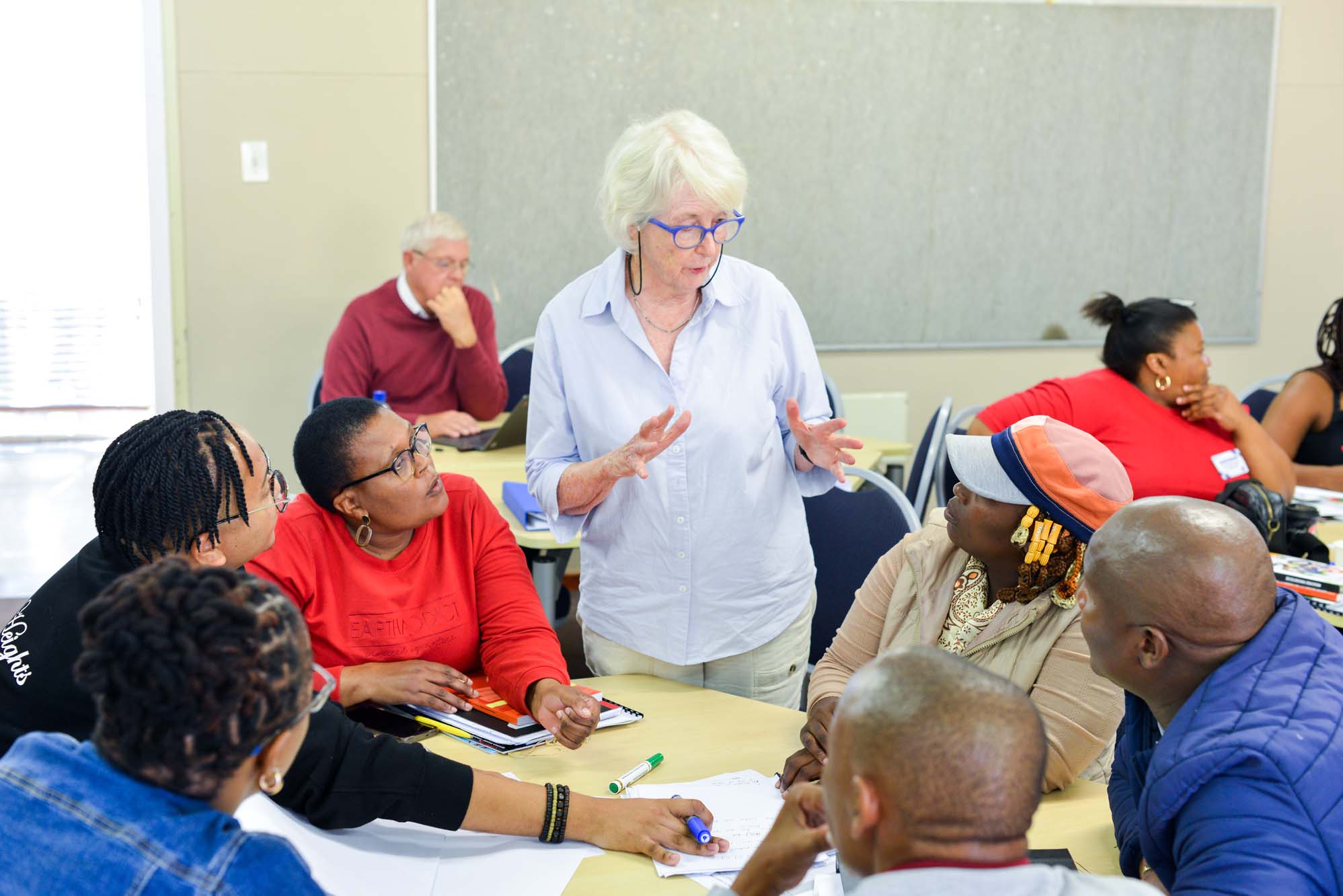
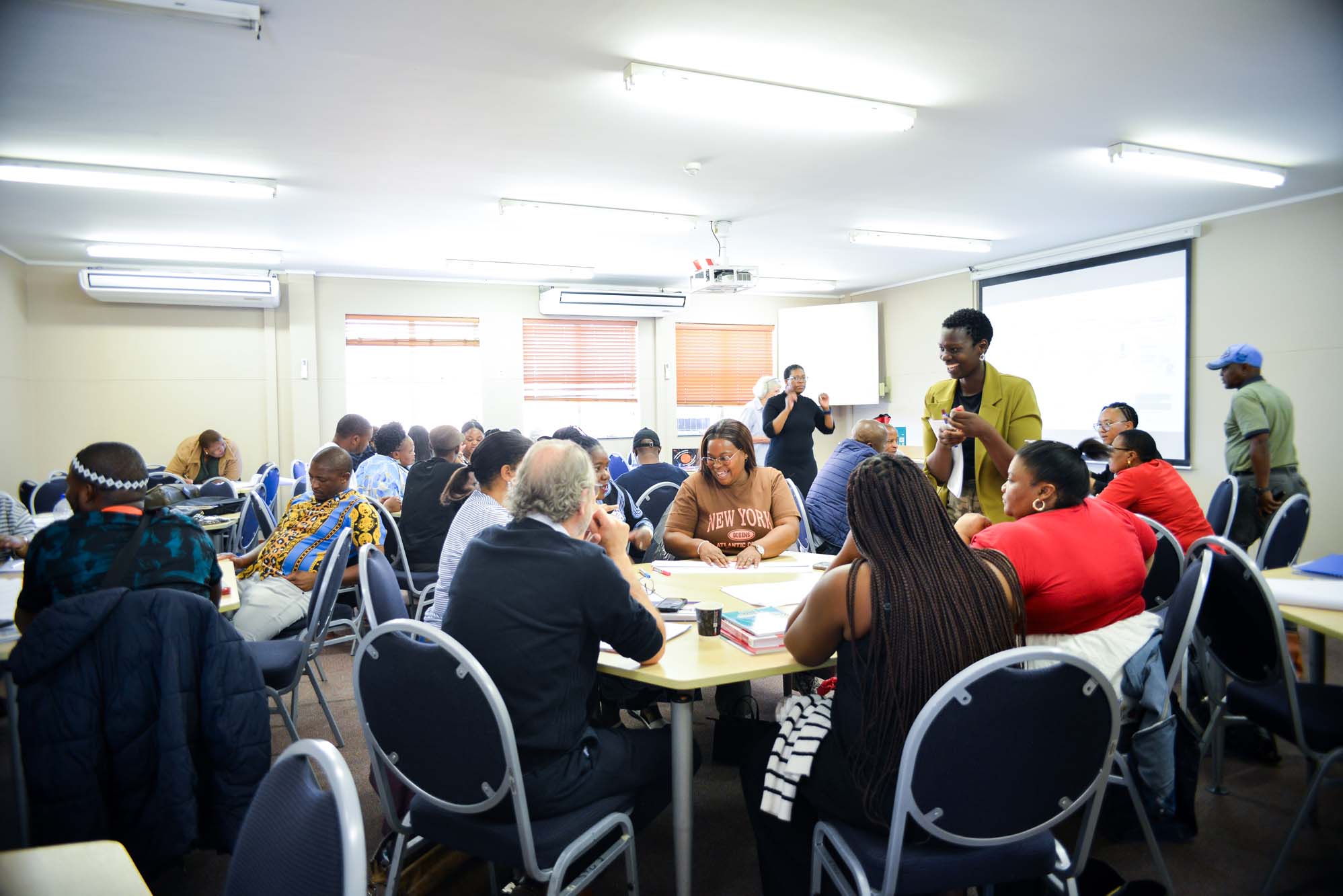
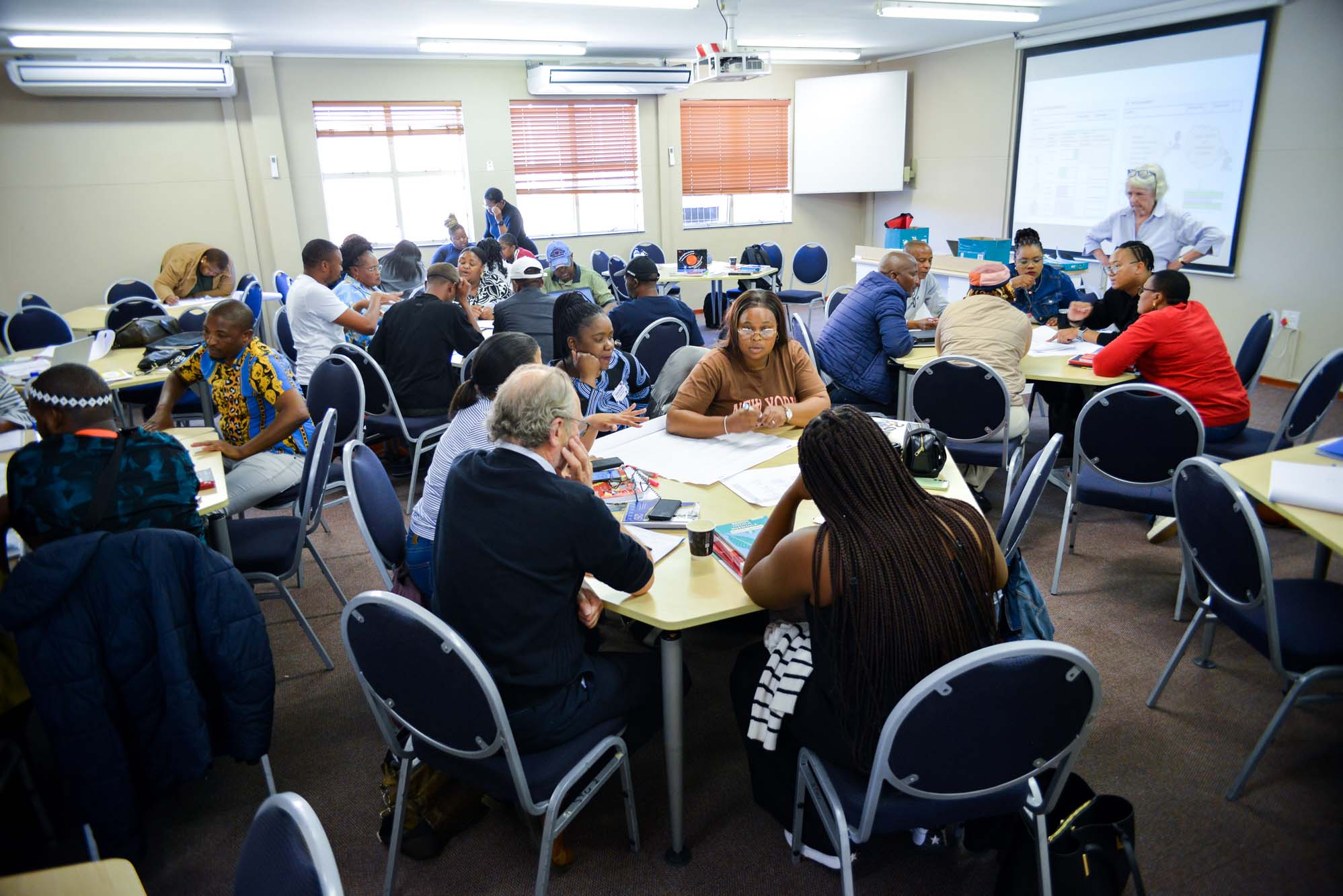
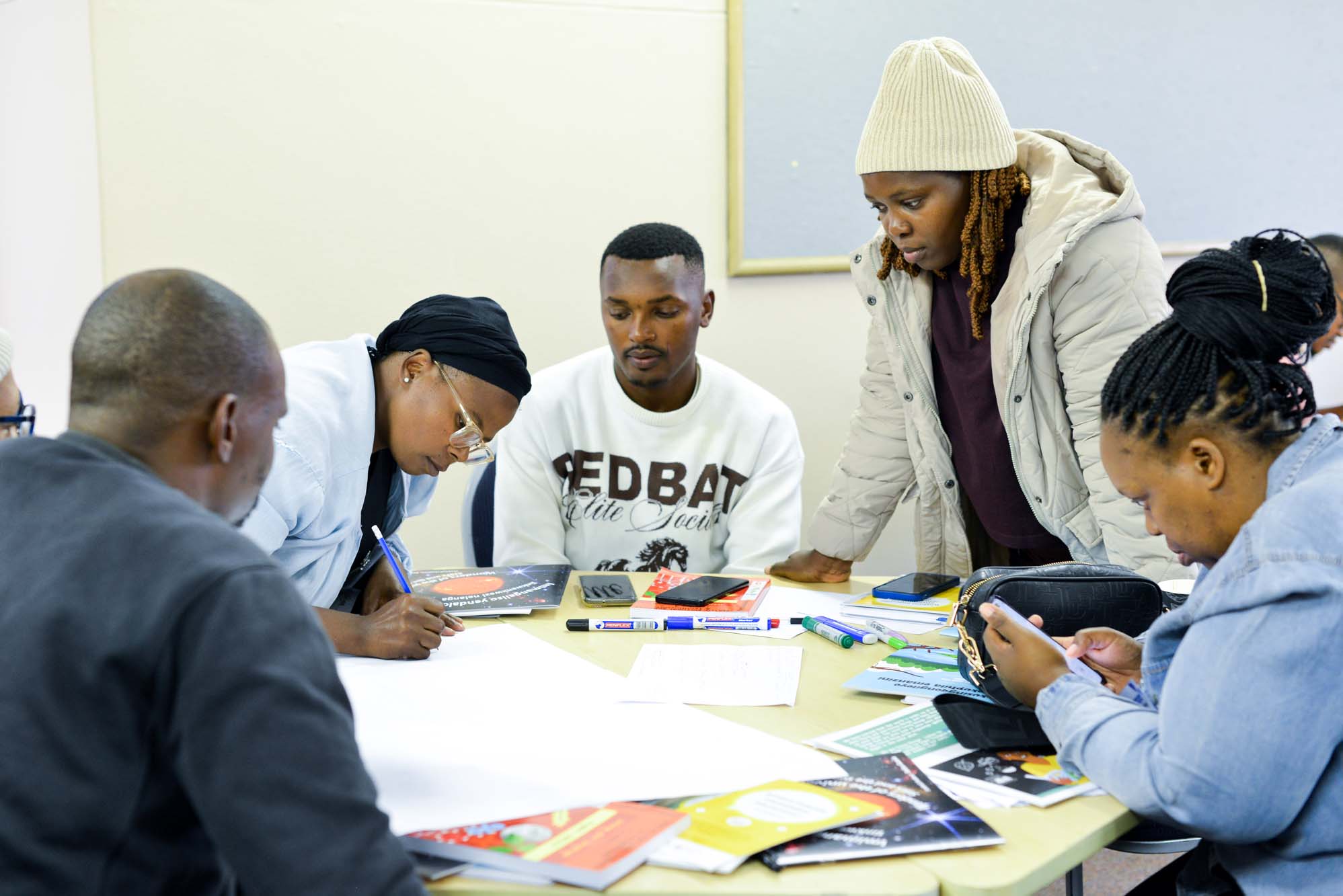
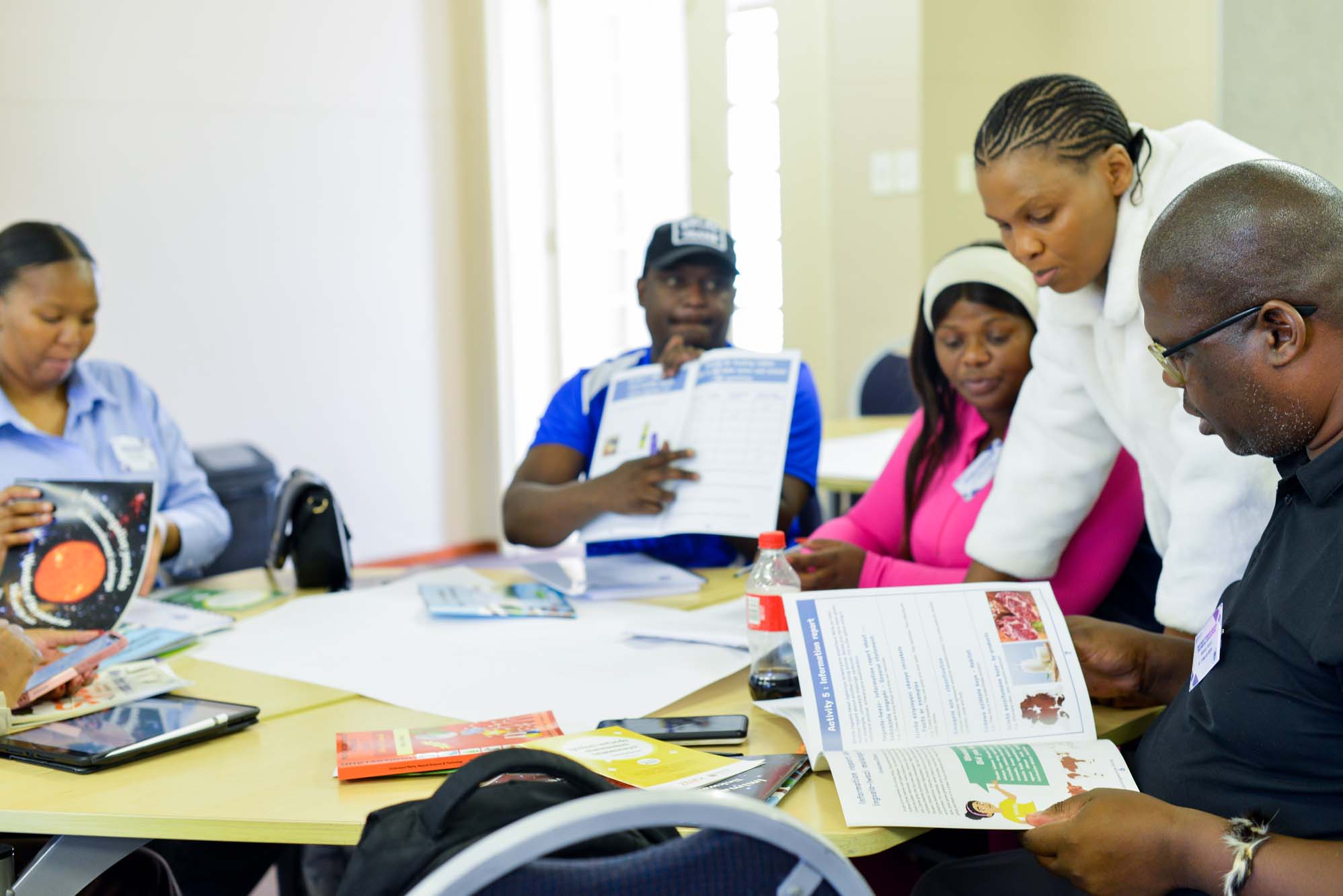
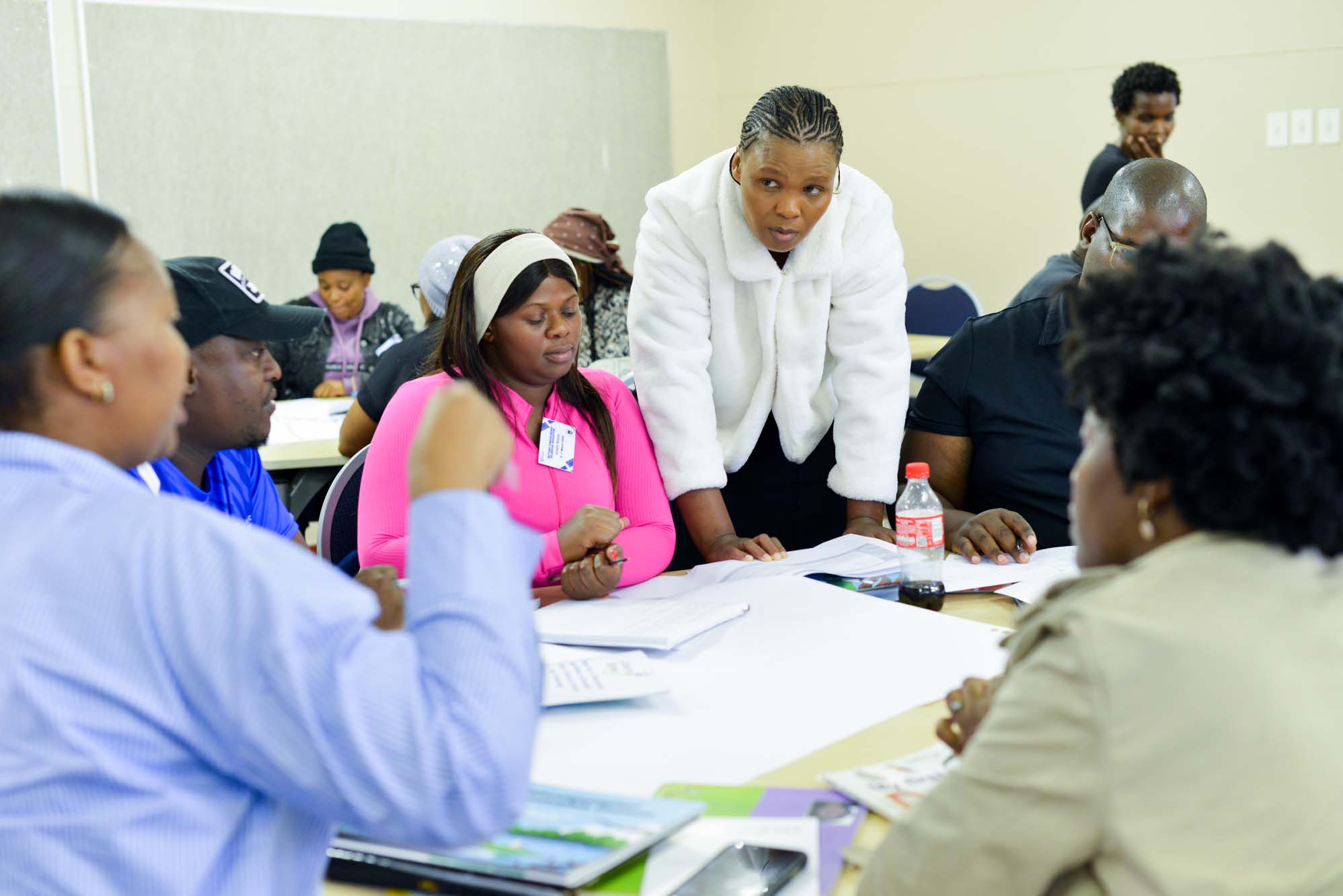
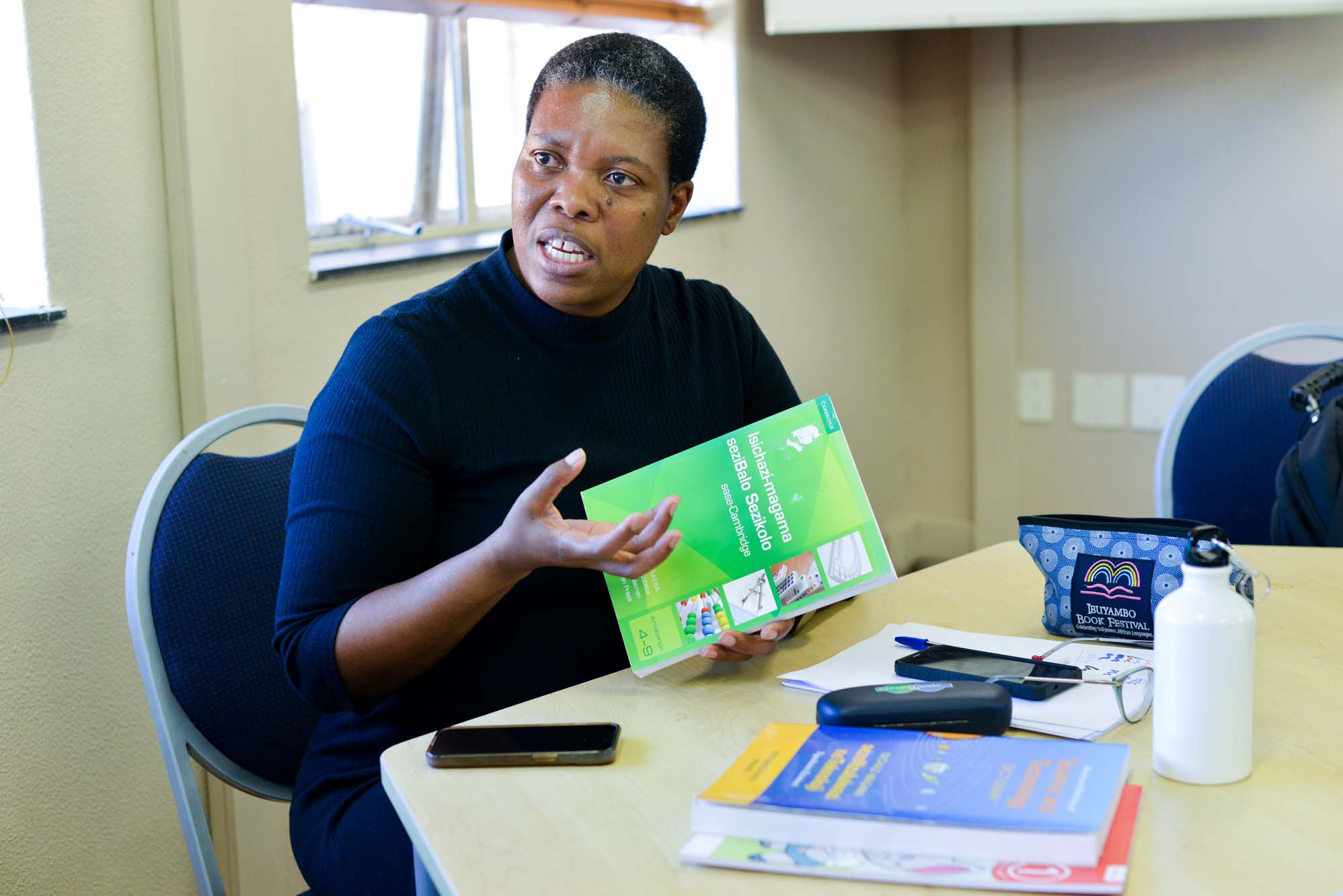
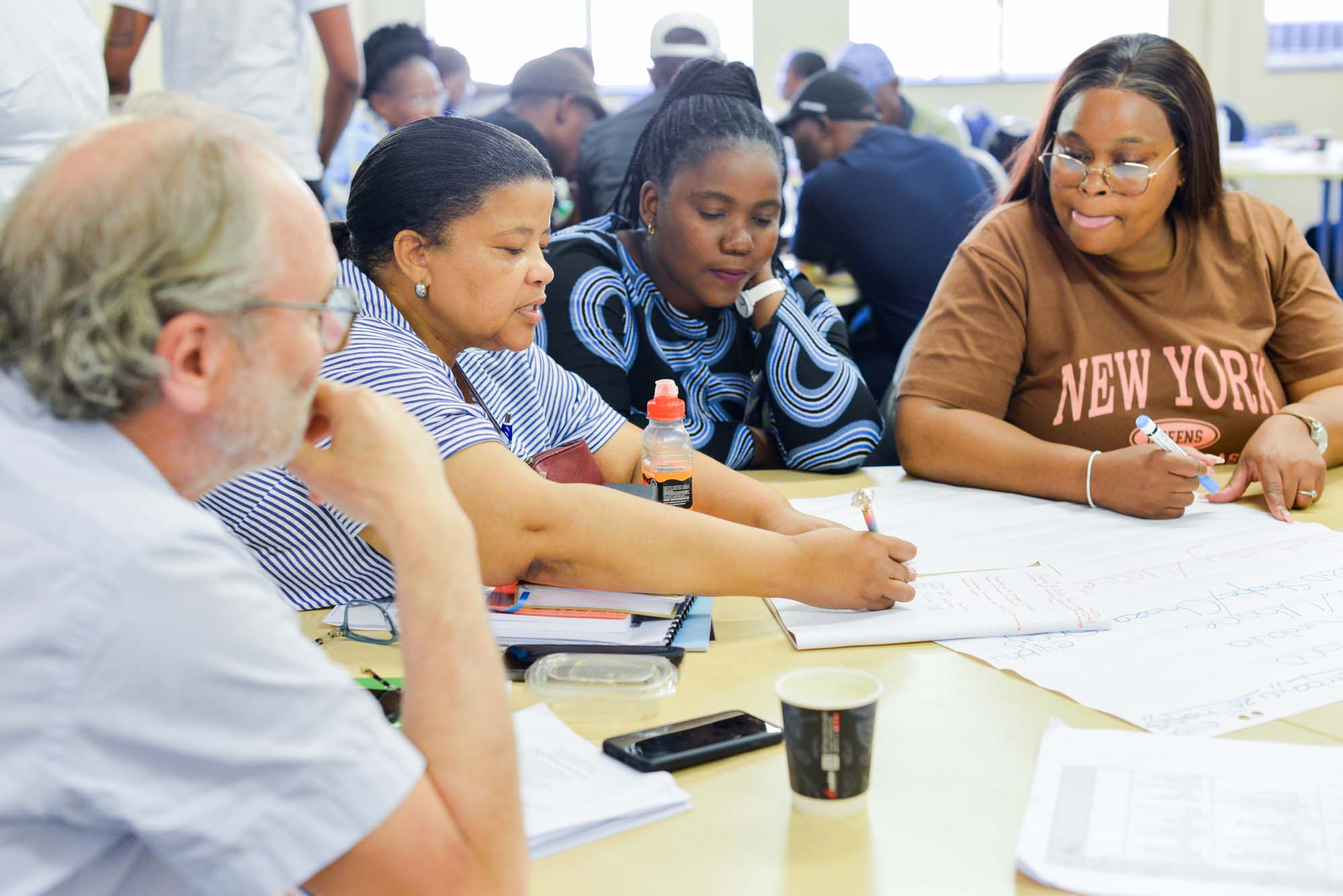
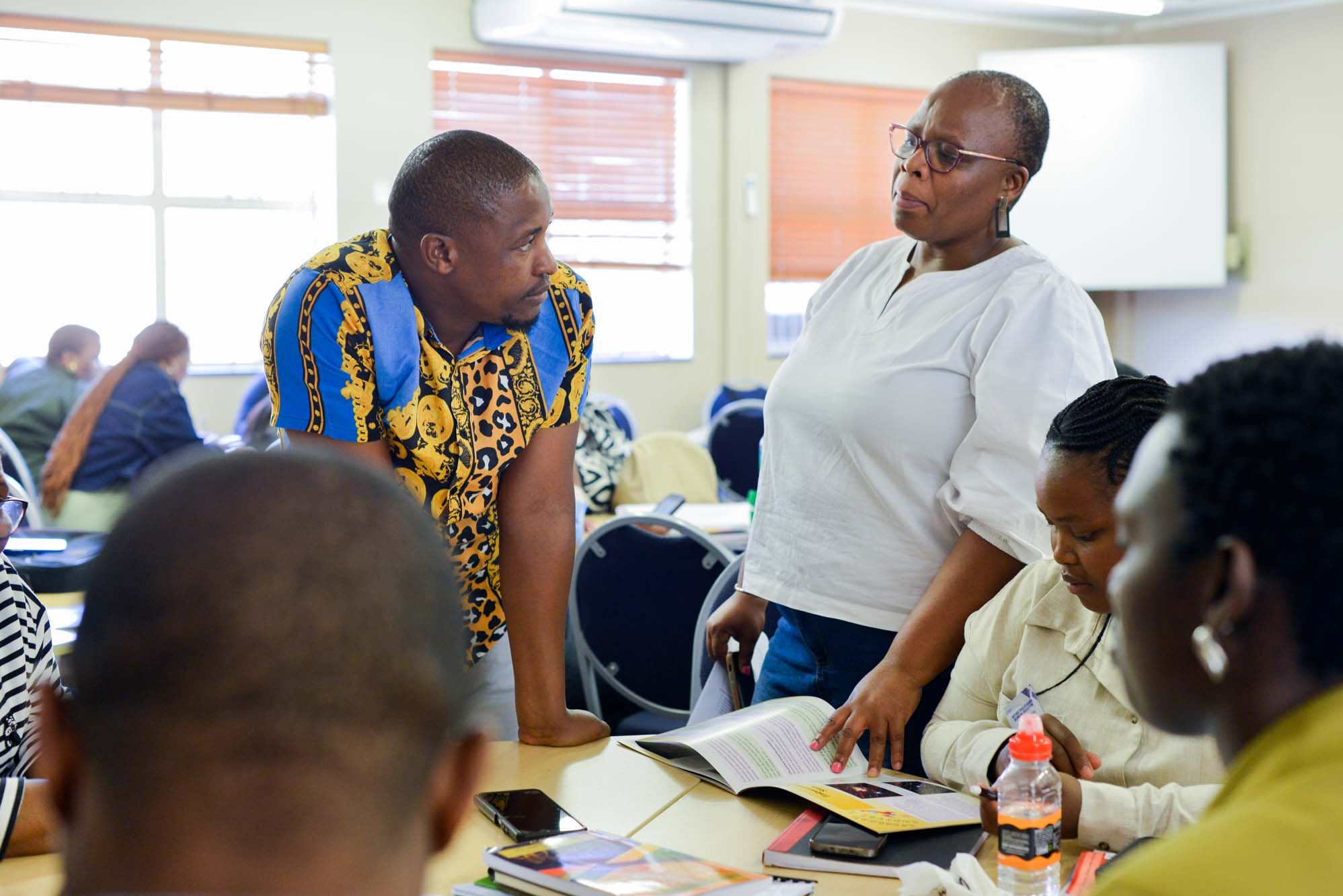
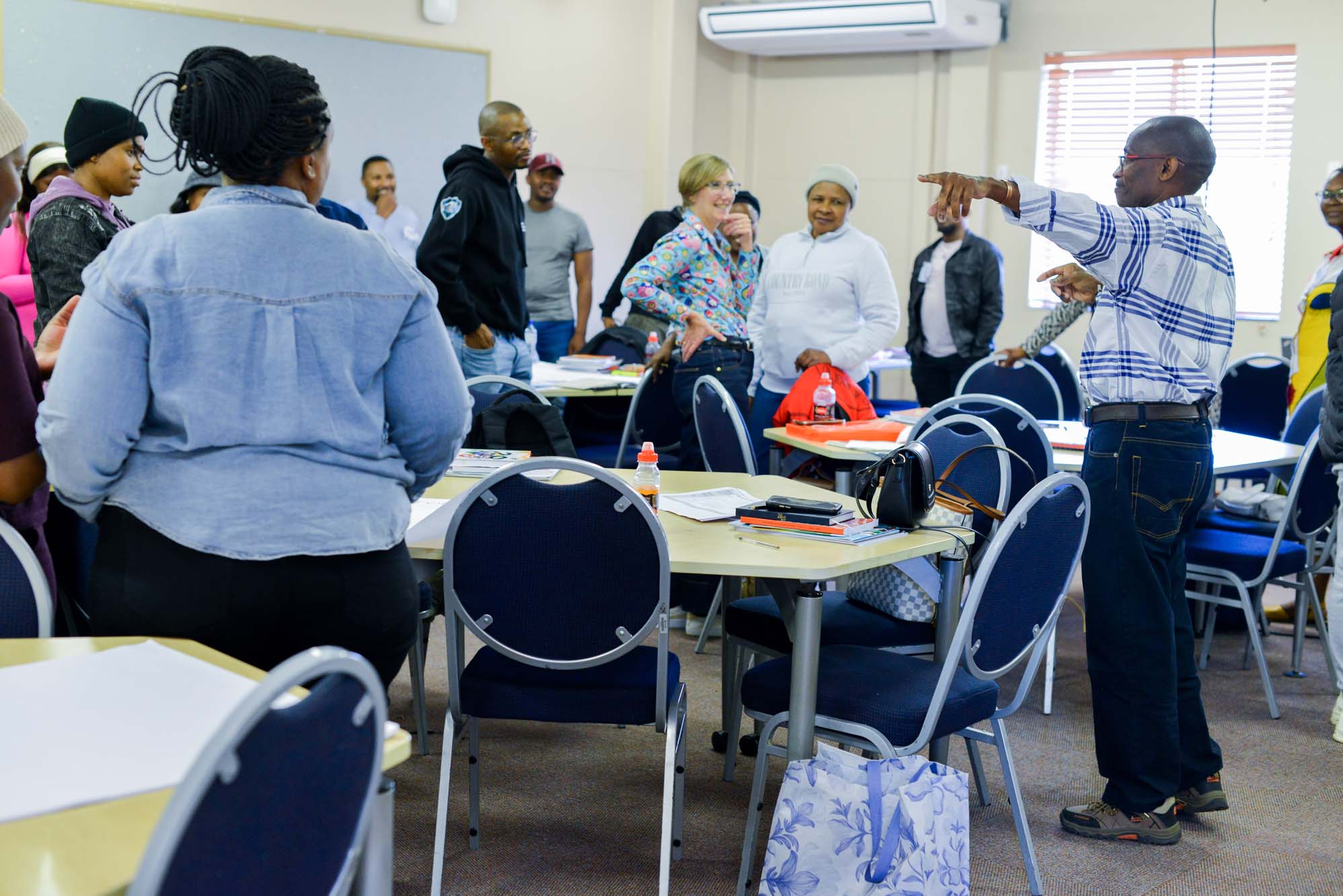
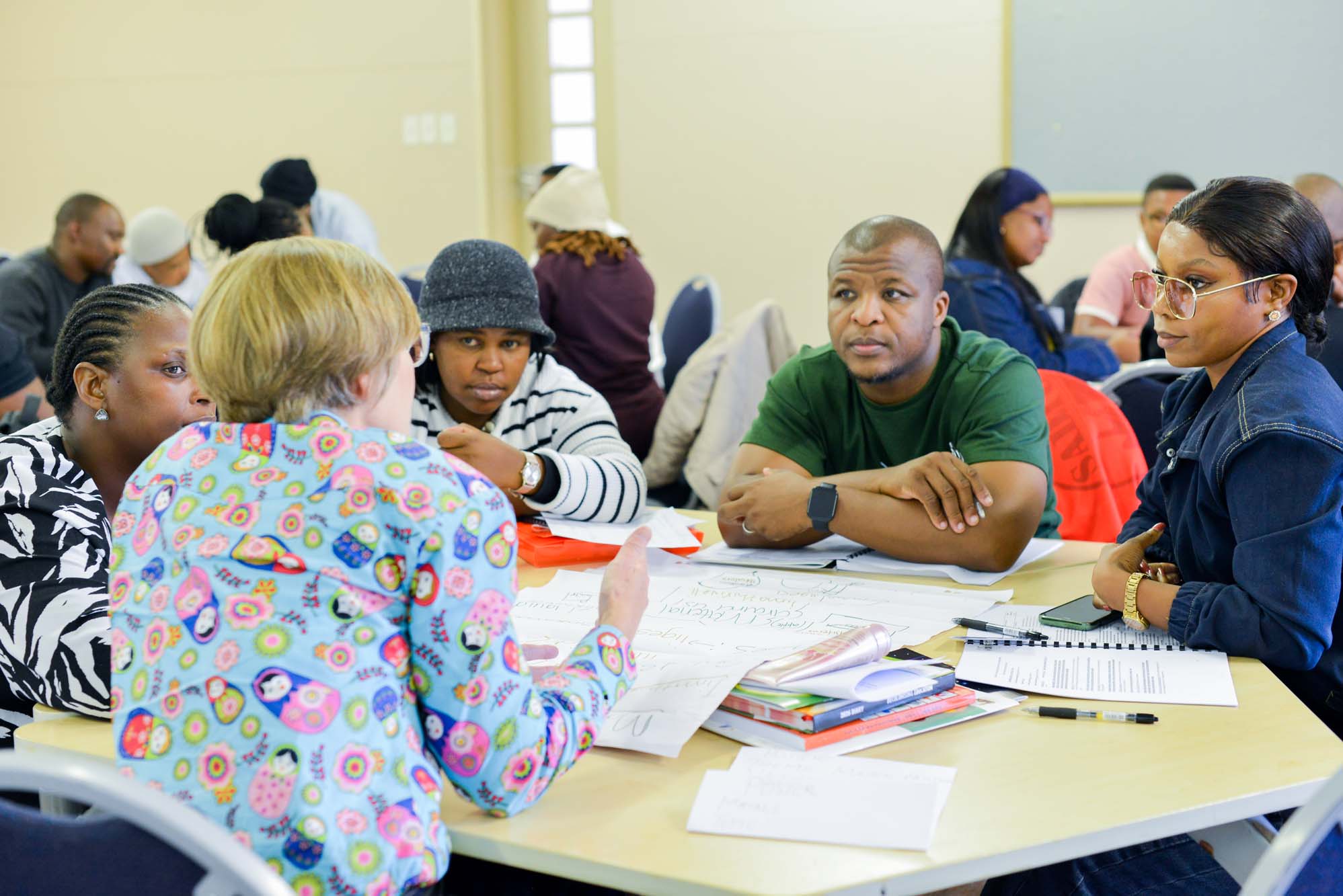
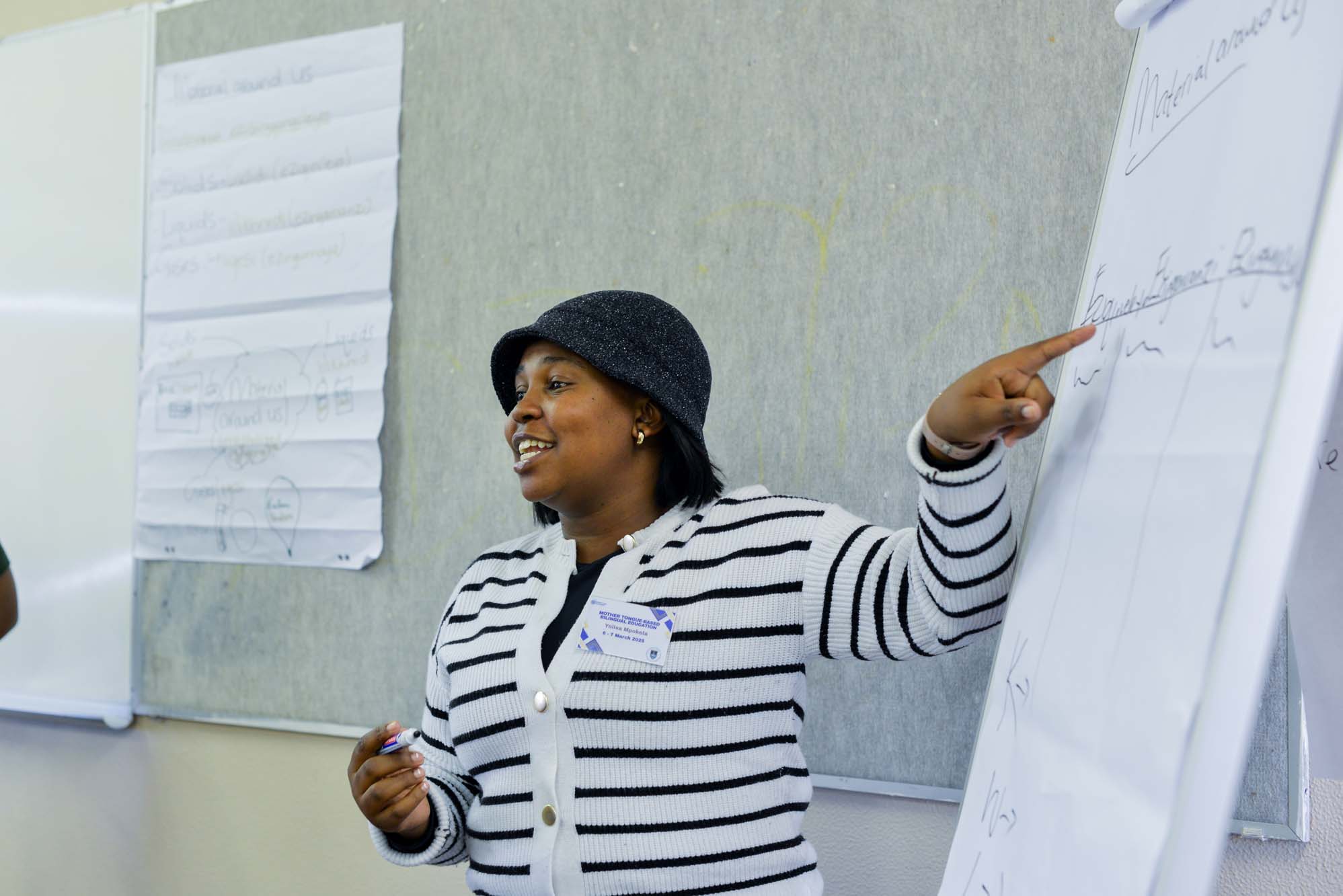
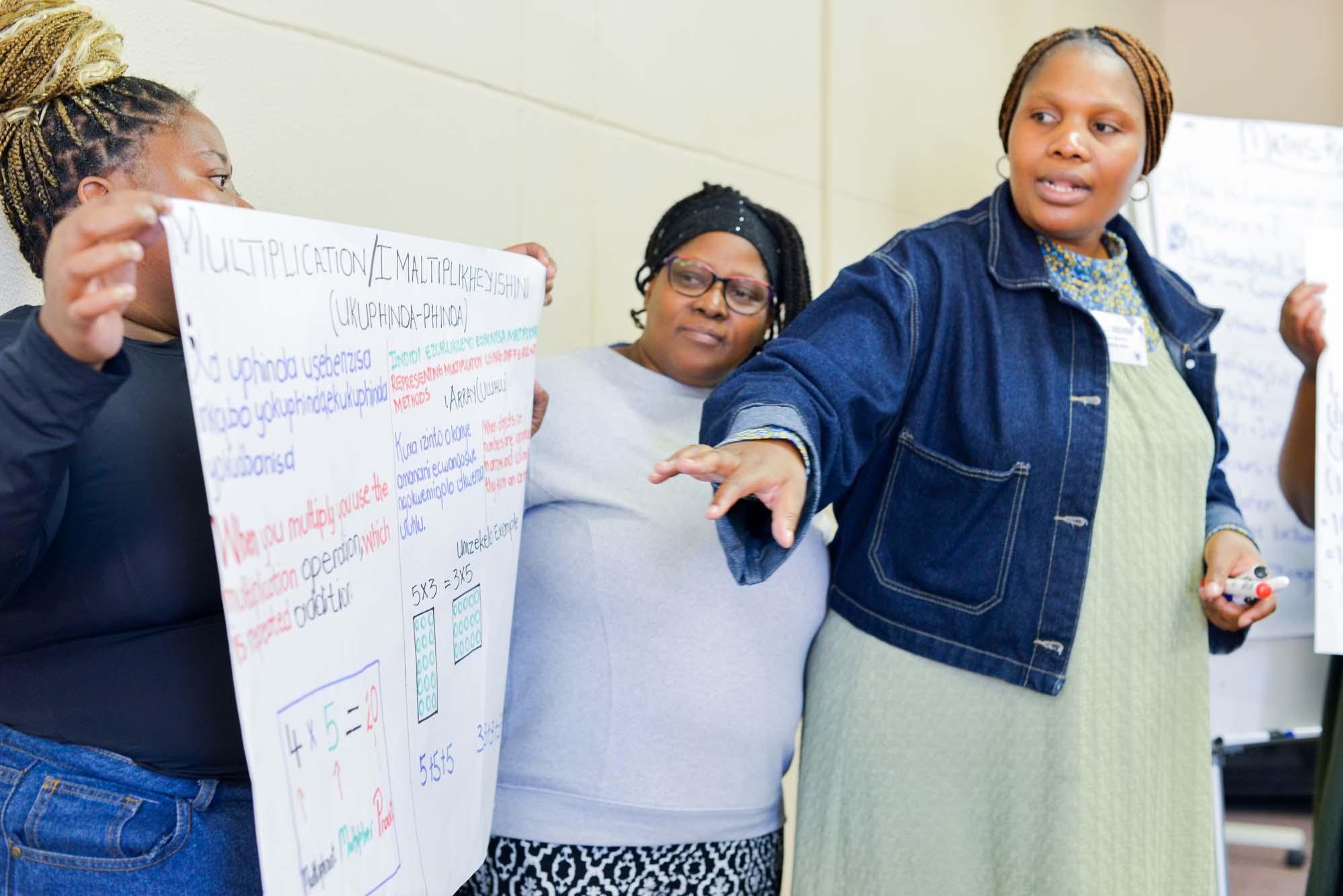
“They have been chosen by the department to be champions of MTbBE,” Guzula said. “Their job is to help teach their colleagues what this approach is at the school level.”
UCT has been preparing for this policy shift for some time. Guzula said the university had already developed short courses to support teacher development in bilingual and multilingual education, covering both the theory and practical implementation of the approach.
“We set up two short courses to help with continuing teacher professional development – introducing MTbBE and implementing it,” she said. “For this workshop, we combined the best of both to help the department implement the programme.”
One of the most striking aspects of the workshop, Guzula said, was how openly teachers engaged with the concept.
“One shock is that the teachers are very open to this,” she said. “They recognise that they have already been using two languages in the classroom, but mainly for spoken communication rather than for written work or textbooks.
“Afrikaans and English have long dominated as mediums of instruction, which has marginalised African languages.”
Teachers also raised deeper questions about language and power in education.
“They recognise that Afrikaans and English have long dominated as mediums of instruction, which has marginalised African languages and their speakers in schools,” Guzula said. “Some teachers say they feel that the dream of using African languages properly in education is finally starting to come true.”
At the same time, discussions revealed lingering concerns among educators who have spent years working within a monolingual system.
“If you have been trained and conditioned to teach in only one language, it can be difficult to move to a bilingual approach,” Guzula said. “So, some resistance is understandable.”
Changing perspectives in the classroom
For many teachers, the workshop helped reshape their understanding of the policy.
Khulasande Mlondolozi, a teacher from Masiphathisane Primary School in Vredenburg near Saldanha Bay in the West Coast, said the programme addresses long-standing imbalances in the education system.
“I believe this approach addresses barriers to learning and the imbalance we have in education,” he said. “Language is part of identity. When language is taken away, identity is also affected.”
He added that seeing others show interest in African languages during the workshop was particularly meaningful.
“What stood out for me is that some people who do not speak isiXhosa are also eager to learn it. It shows the richness of our language.”
Nomandithini Javu, a departmental head and Grade 5 teacher from Chris Nissen Primary School in Knysna in the southern Cape, admitted she initially opposed the idea.
“I always believed that MTbBE would damage our language or take learners backwards,” she said. “But now I understand that it is about extending learners’ vocabulary in both languages.”
After more than three decades in the profession, Javu said the workshop has changed her perspective.
“This has opened my eyes. It makes it easier for learners who struggle to express themselves in English because they can use both languages.”
“This has opened my eyes. It makes it easier for learners who struggle to express themselves in English because they can use both languages.”
Another teacher, Nomasomi Dalasile-Biko from Ukhanyo Primary School in Masiphumelele near Fishoek, said the bilingual approach could help learners grasp subjects like science more effectively.
“When we teach science in both English and isiXhosa, learners understand concepts better, and their marks can improve,” she said.
Guzula believes the initiative also aligns with UCT’s Vision 2030 strategy, which emphasises transformation and engagement with society.
“Our work as lecturers is to train teachers for the education system,” she said. “We cannot train them only for English when the system itself is moving towards multilingual education.”
Universities, therefore, have an important role to play in supporting policy changes through research, teacher training and curriculum development.
“At UCT, we are showing what is possible – developing dictionaries, note packs and teaching resources that use African languages in subjects like mathematics and science for the kind of in-service training we are doing,” Guzula said.
For her, the teachers’ enthusiasm during the two-day workshop was one of the most encouraging outcomes.
“The highlight has been the questions the teachers raised and the energy they brought,” she said. “They are eager to learn and to take these ideas back to their schools.”
 This work is licensed under a Creative Commons Attribution-NoDerivatives 4.0 International License.
Please view the republishing articles page for more information.


.jpg)