
Wamkelekile, Welkom
‘Die Fledermaus’ – a masquerade of style, wit and Cape Town Flair
17 November 2025 | Story Myolisi Gophe. Photos Lerato Maduna. Read time 5 min.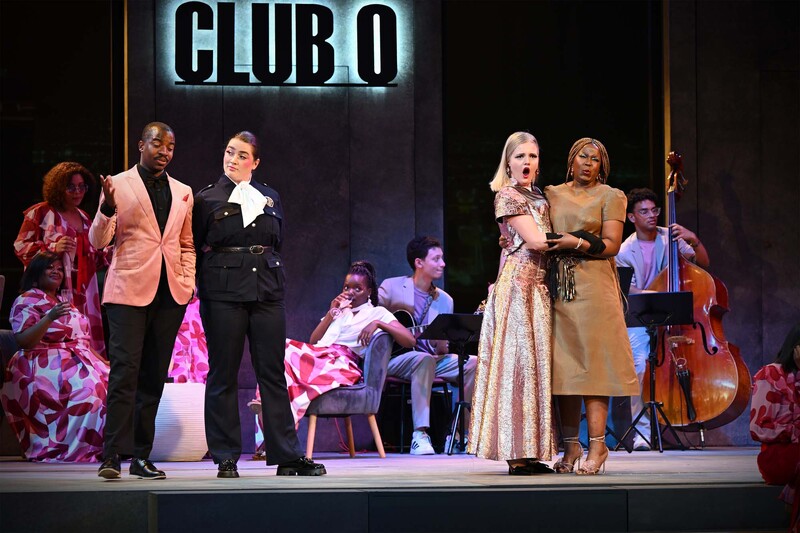
There are nights at the theatre that feel like a party you never want to leave – and Opera UCT’s Die Fledermaus was exactly that. From the first note to the last laugh, the performance dazzled with youthful exuberance, sharp humour, and jaw-dropping style.
The audience was swept up in the fun – giggling, cheering, and clapping in rhythm with Johann Strauss II’s effervescent score, masterfully conducted by Jeremy Silver and brought to life by the Cape Town Philharmonic Orchestra.
Under the assured direction of Christine Crouse, Strauss’s 19th-century operetta of mistaken identities and champagne-fuelled revenge was reinvented for a new generation. Vienna’s grand salons gave way to the sultry pulse of Cape Town’s nightlife, with each act unfolding like a scene from the city’s most exclusive club. It was an inspired setting that made the operetta’s themes of flirtation, disguise, and social satire feel completely at home in the Mother City’s cosmopolitan rhythm.
Fashion meets opera
Fashion designer Gavin Rajah’s costumes were the star attraction even before the curtain rose. True to his promise of “upcycled couture with street-smart swagger”, Rajah turned the Baxter stage into a living runway. Satin and mesh shimmered under Josh Lindberg’s vibrant lighting, while modern tailoring and deconstructed details gave the show its distinctive contemporary flair.
The effect was electric – a marriage of sustainability and spectacle that transformed Strauss’s ball into a 21st-century masquerade of style and confidence. Allegra Bernacchioni’s clean, modern set design complemented Rajah’s vision beautifully, evoking the textures and colours of Cape Town’s coast and skyline.
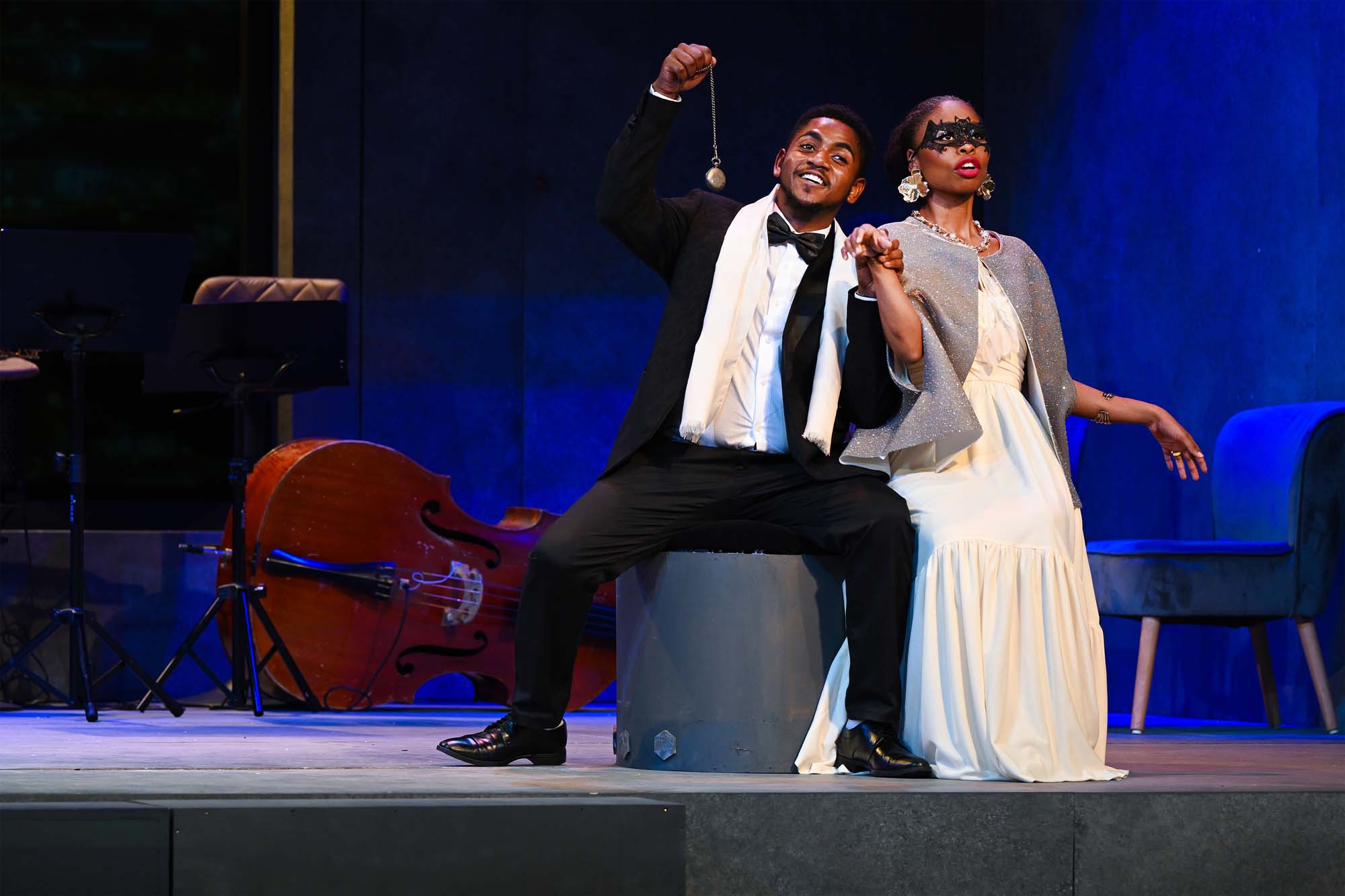
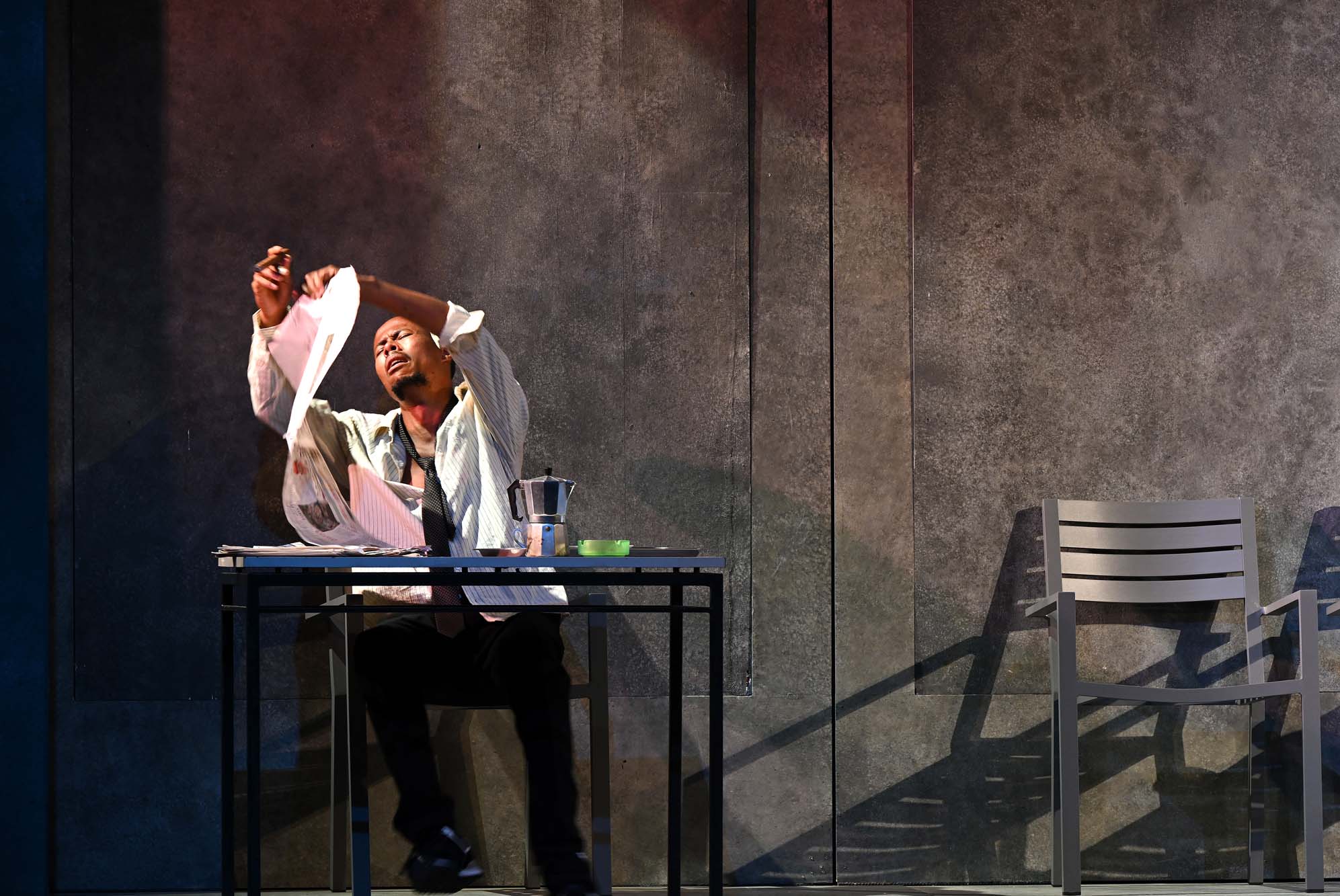
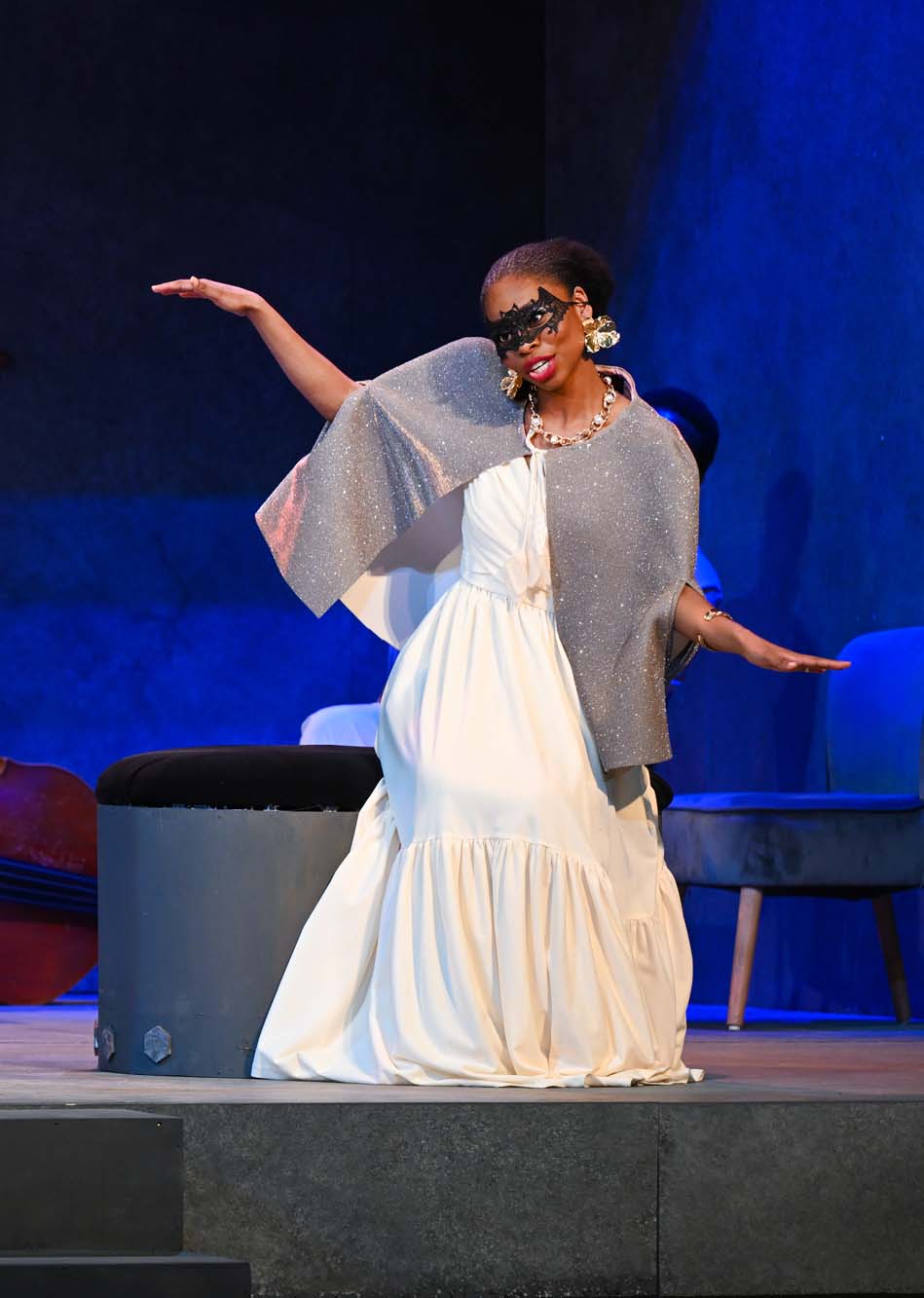
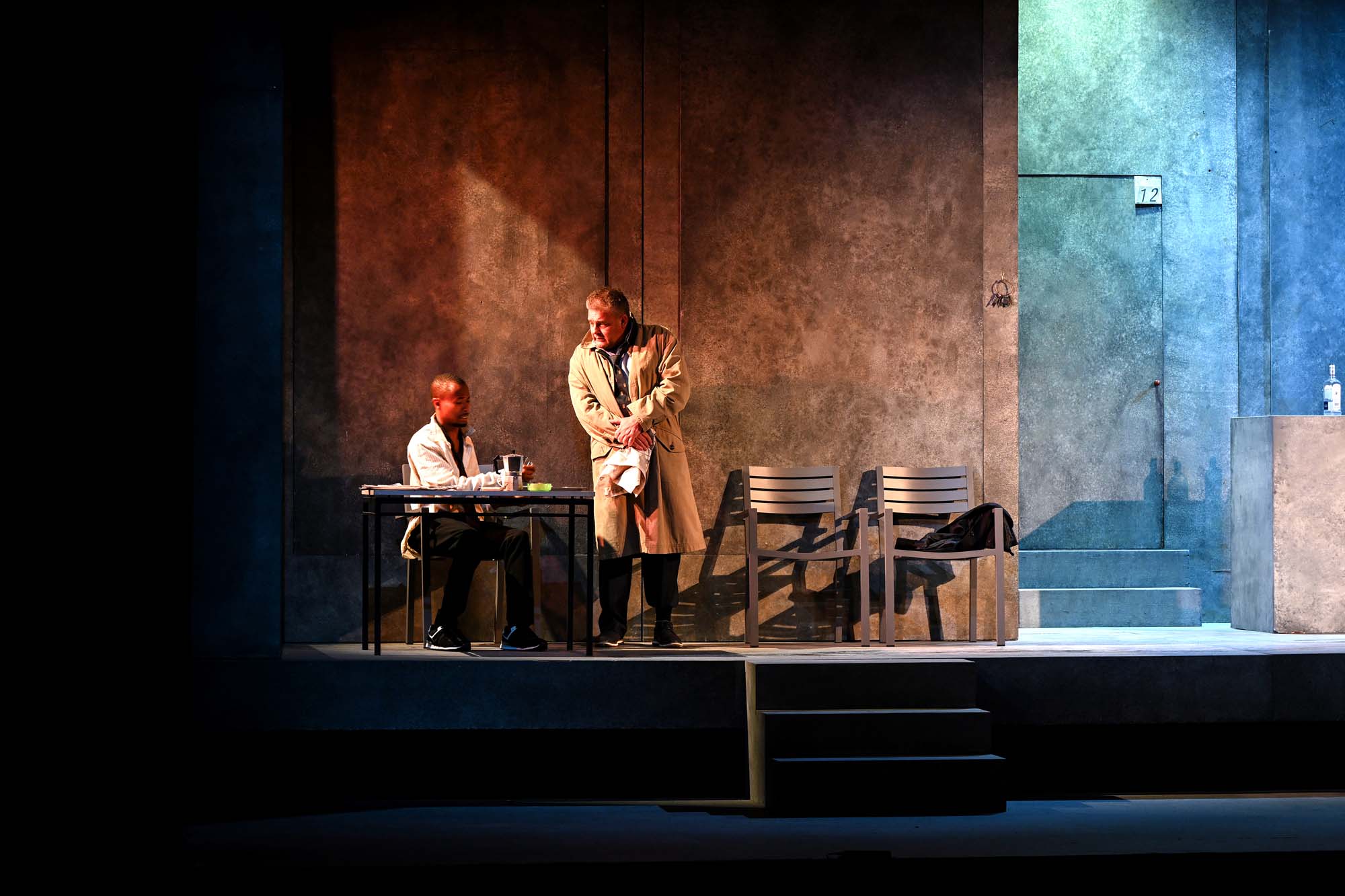
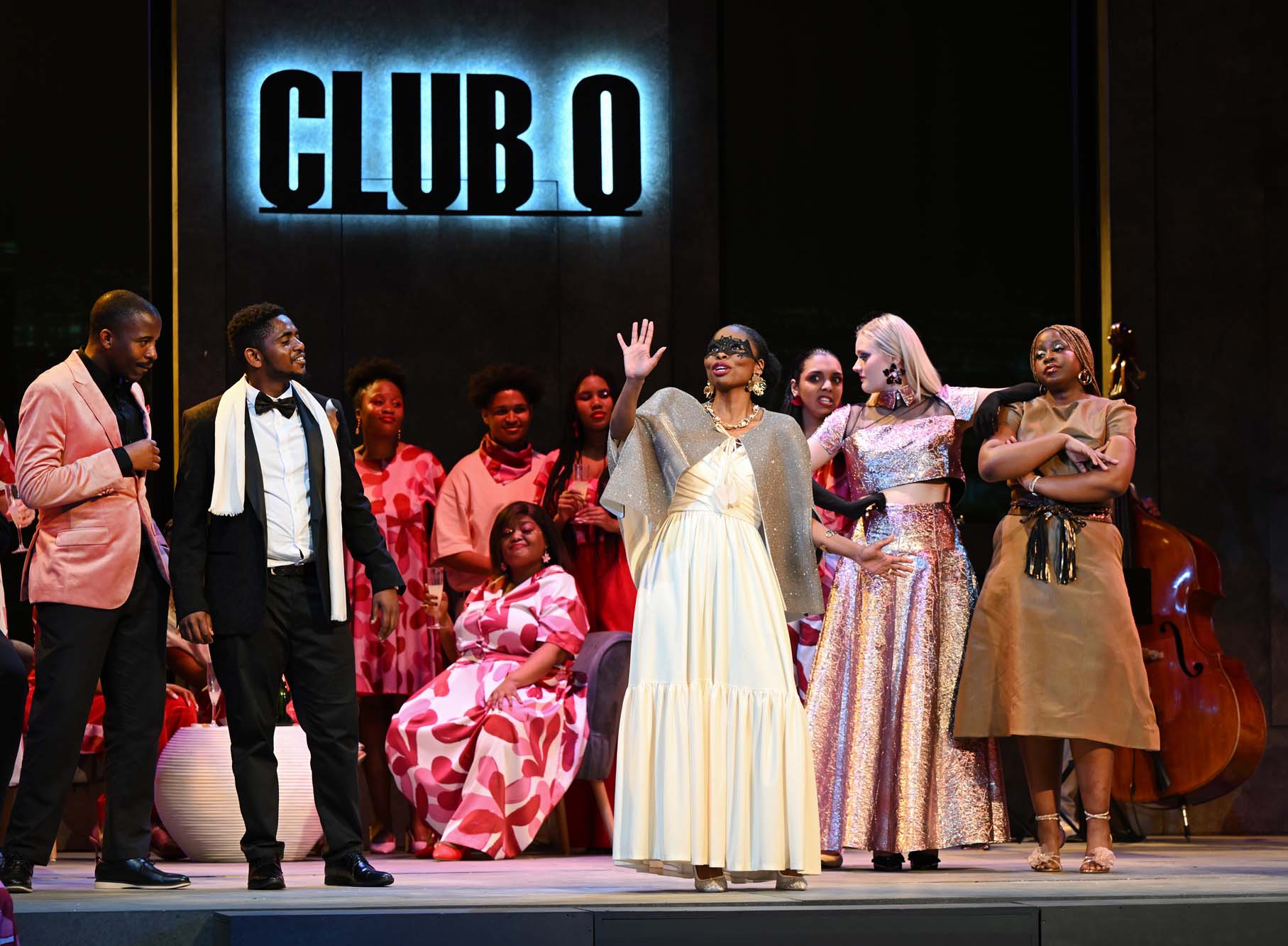
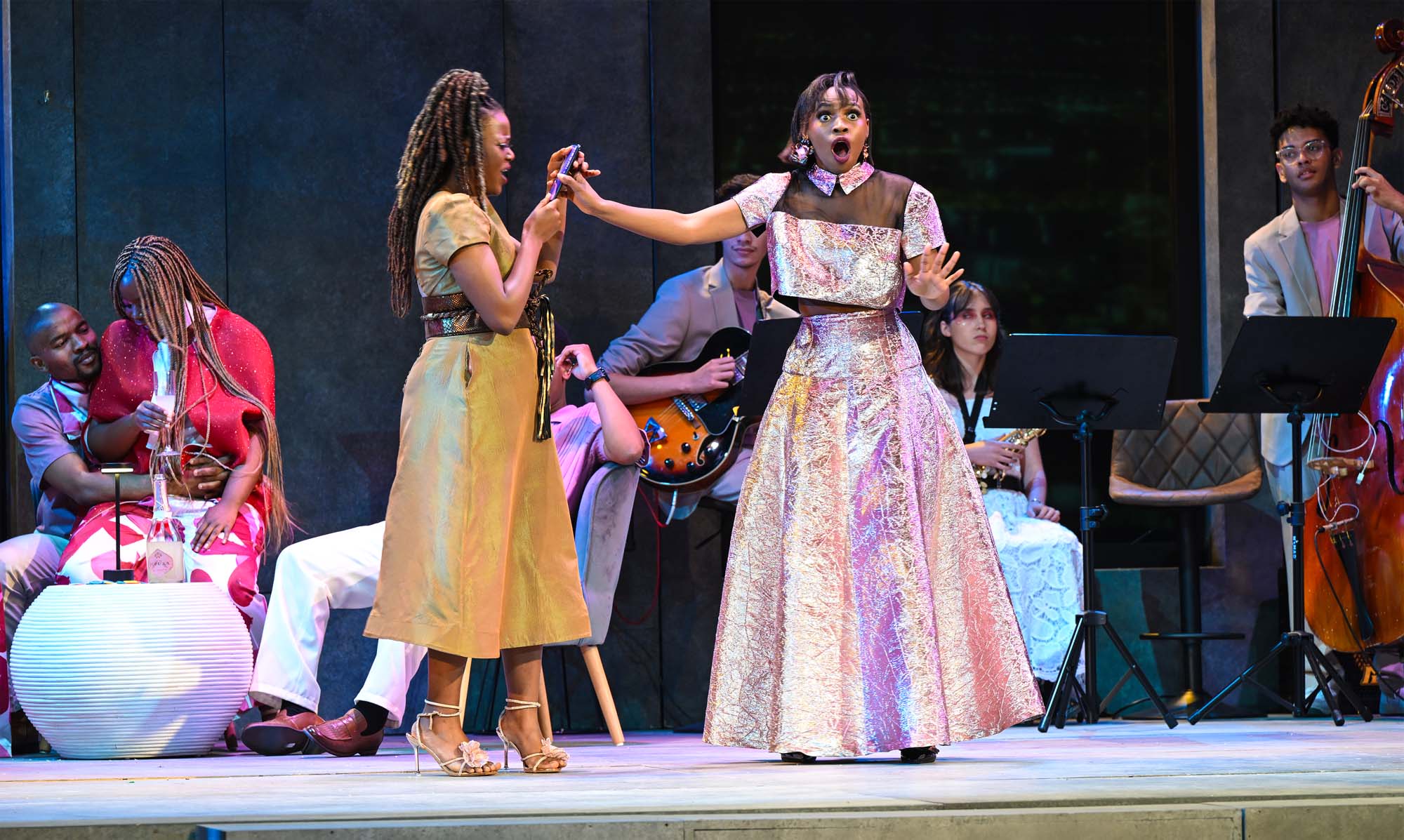
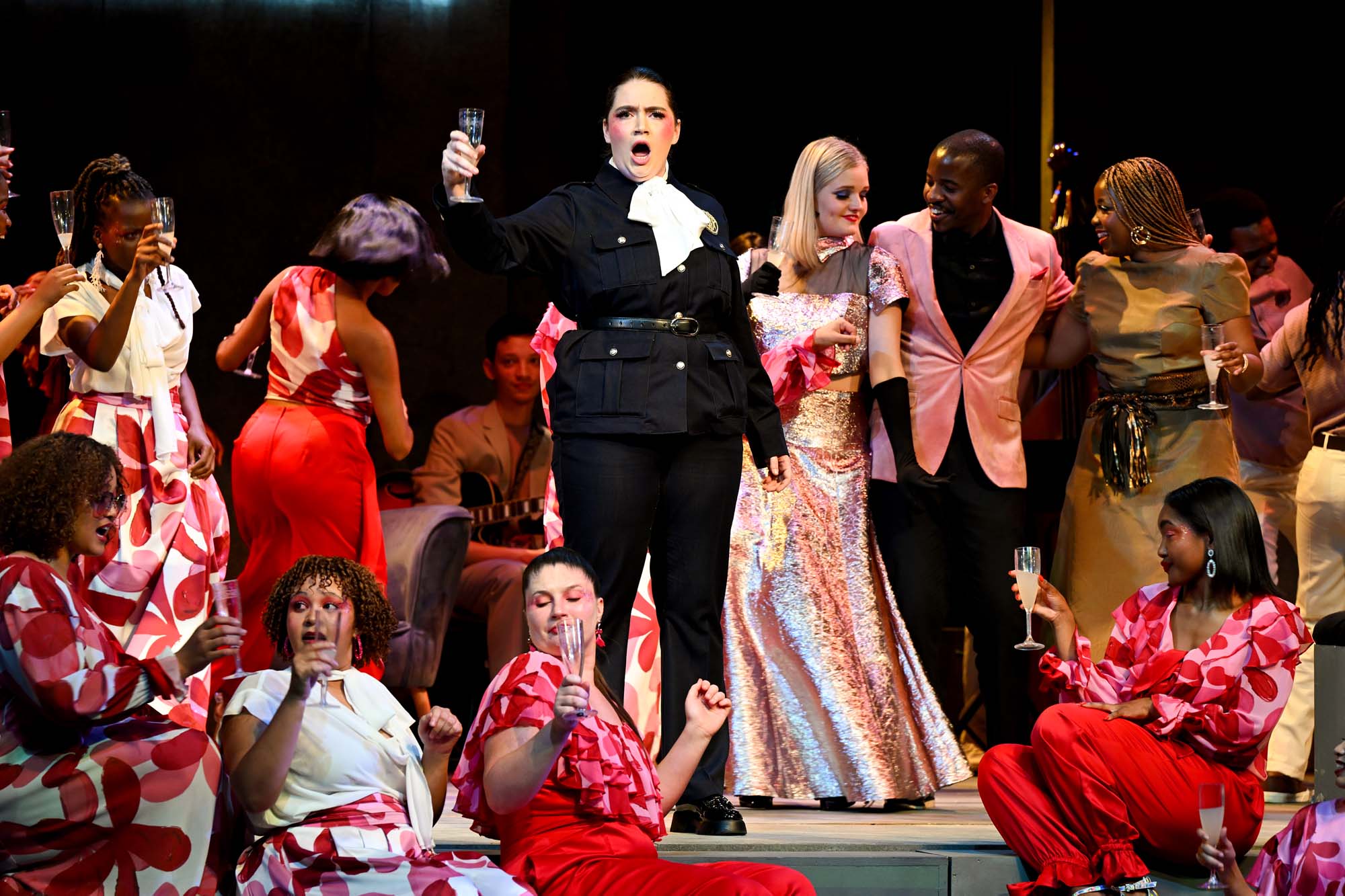
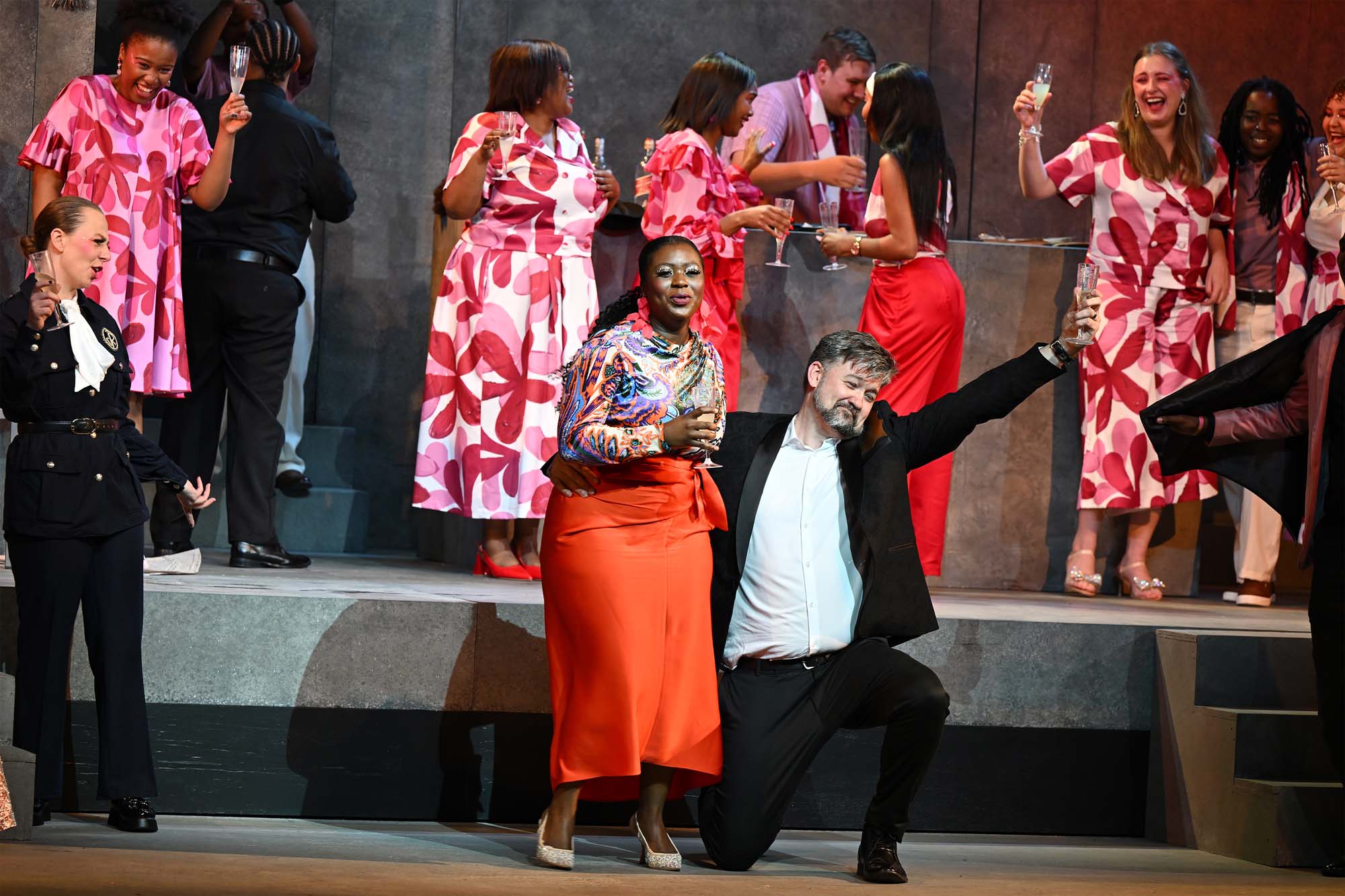


Opera UCT’s young cast seized the opportunity to shine. On the night UCT News attended, Themba Mdlalose was a commanding Dr Falke – smooth, mischievous, and vocally assured. His chemistry with Sisa Mjekula’s Gabriel von Eisenstein and Setsoane Ntseki’s Rosalinde anchored the comedy in a believable domestic chaos that delighted the audience. Mjekula was especially engaging as the blustering Eisenstein, his expressive acting perfectly tuned to the operetta’s farcical tone. Ntseki’s Rosalinde grew in confidence as the evening progressed, culminating in a radiant “Czardas” that drew enthusiastic applause.
As Adele, the feisty maid who dreams of a better life, Carmen Traut nearly stole the show. Her sparkling coloratura, impeccable timing, and impish charm made her second-act aria a highlight – one of those moments that stops time in the theatre. Nica Reinke’s Prince Orlofsky, draped in gender-fluid glamour, balanced ennui and allure with admirable control, while Jaco Koegelenberg’s Frank delivered comic relief with easy confidence.
Laughter, lyricism and local flavour
And then came Alan Committie. Known for his quick wit and impeccable comedic timing, Committie’s portrayal of Frosch, the hapless jailer, brought the house down. His improvised humour, peppered with topical Cape Town references, provided a riotous finale that had the audience in stitches. It was a clever touch by Crouse – a reminder that opera can be irreverent, responsive, and alive to the world outside the theatre walls.
Silver’s conducting provided the production’s heartbeat. He drew a lively, polished performance from the orchestra, maintaining a buoyant tempo without ever overshadowing the singers. The dance-like quality of Strauss’s score – full of waltzes, polkas, and teasing rhythms – was captured with finesse, making the music as infectious as the laughter it accompanied.
But what made this Die Fledermaus special wasn’t just the music or the costumes – it was the spirit. Opera UCT’s young artists performed with joy and conviction, clearly relishing the chance to play, flirt, and entertain. The production blurred the lines between opera, fashion, and nightlife, creating a vibrant sensory experience that felt both celebratory and fresh. It was opera without pretence. Glamorous but grounded; funny yet musically precise.
For many in the audience, this may have been their first taste of operetta; for others, a reminder that classics endure precisely because they can be reimagined. By rooting the production in Cape Town’s urban culture and infusing it with sustainability and inclusivity, Opera UCT has shown how the art form can evolve without losing its essence.
As the final notes faded and the cast took their bows to thunderous applause, one couldn’t help but think that Johann Strauss himself – the master of the waltz and the wink – would have approved. In a world that sometimes takes itself too seriously, Die Fledermaus offered a delicious dose of laughter, glamour, and grace.
 This work is licensed under a Creative Commons Attribution-NoDerivatives 4.0 International License.
Please view the republishing articles page for more information.