
Wamkelekile, Welkom
The Motherload: Supporting care work in communities
30 September 2025 | Story Ameeta Jaga and Fiona Ross. Photo Unsplash. Read time 5 min.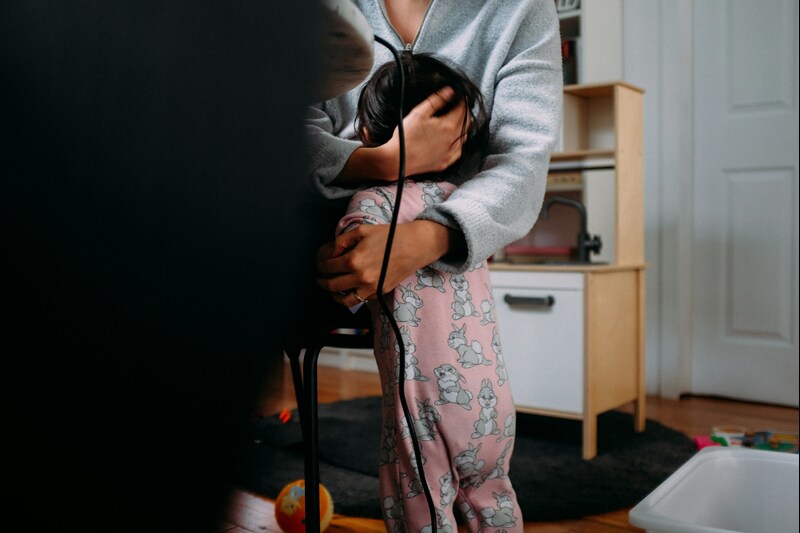
Around the world, women continue to shoulder the majority of unpaid care work – labour that is essential to social and economic life, yet so often invisible and undervalued. Mothers in particular take on some of the heaviest care loads. While society frequently idealises motherhood, it rarely invests in the time, resources, and infrastructure required to support it.
As a result, many mothers – particularly those in low-income communities – find themselves carrying a heavy load with little to no structural support. They are expected to manage caregiving responsibilities without dignity, safety, or even the most basic forms of relief. But care is not only the responsibility of mothers, nor is it only women’s work. Care is a collective responsibility. When care is shared, supported, and integrated into the design of our communities and institutions, everyone thrives.
Since 2023, the Motherload has brought together low-income mothers, academic researchers, civil society organisations, government partners, and – more recently – low-income fathers, in a multi-year project to explore the lived realities of unpaid care work. Through photovoice and other arts-based methodologies, the project co-developed the concept of “the Motherload” to describe the highly gendered, often invisible, undervalued work that individuals performing mothering undertake and which hinders their economic security, safety, and well-being.
“The project sharply brought into focus the need for communities that support mothering and care.”
The project sharply brought into focus the need for communities that support mothering and care. Mothers described the lack of safety for women and children, jobs that do not recognise unpaid care demands, community health services that do not uphold mothers’ dignity, facing shame and gossip for their poverty, having their mothering practices constantly placed under surveillance and judged, and being taken advantage of by money lenders. They also described the growing commodification of life, including of the forms of care that previously were considered part of neighbourliness. In such environments, determined efforts to thrive are thwarted.
These are not just individual challenges; they are structural failures that make flourishing nearly impossible.
Reimaging caring communities
We asked the mothers, as experts of their lived reality, to imagine what caring communities could look like; that is to imagine the forms of care that would create nurturing environments. They offered powerful images to symbolise communities rooted in trust, shared responsibility, dignity, and accessible spaces of care. They described the importance of having caring neighbours and family members they could rely on to look after their children, even for a short time, without expectation, judgment, or payment. Without this kind of informal, mutual support, many mothers found themselves unable to attend a job interview, visit a clinic, or even run a simple errand.
Mothers need revitalised public spaces where they can develop skills, access resources and online information, Wi-Fi, and support groups. Given the high rates of endemic violence, they also imagined safe houses for mothers and children, and playgrounds where children could play without fear, giving mothers time and breathing space. They called for economic opportunities to be located closer to home, so that paid work and care responsibilities could be more compatible.
These ideas challenge the prevailing belief that care belongs in the private realm. They offer a counter-narrative to neoliberalism’s privatisation of space and responsibility. Instead, the mothers advocate for a vision of society where care is recognised, valued, visible, shared, and integrated into public infrastructure.
“Recognising the Motherload includes shifting the way we think about care, community and collective responsibility.”
Recognising the Motherload includes shifting the way we think about care, community and collective responsibility. We are invited to reflect on how, within our families, our neighbourhoods, and our institutions, might build communities that make it possible for care to be valued and mothers to live with dignity. This means thinking differently about how we design public services; how we support unpaid care work; how we share resources; and how we create spaces for mutual aid, safety and opportunity. It means recognising that maternal well-being is essential not only for women themselves, but for the health and future of entire communities.
The mothers’ call to action on creating caring communities can be seen at the Motherload Project’s public photovoice exhibition, which was launched on 20 September.
 This work is licensed under a Creative Commons Attribution-NoDerivatives 4.0 International License.
Please view the republishing articles page for more information.