
Wamkelekile, Welkom
Reflections on urban innovation and governance
01 April 2026 | Story Nicole Forrest. Photo Nasief Manie. Read time 8 min.
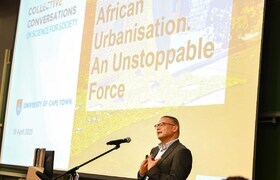
The University of Cape Town’s (UCT) African Centre for Cities, Stellenbosch University’s Centre for Sustainability Transitions and Utrecht University’s Urban Futures Studio celebrated four years of the African Urban Futures project on 24 March 2026 with an evening of illuminating conversation around how African cities can be reimagined as centres for social justice and sustainability.
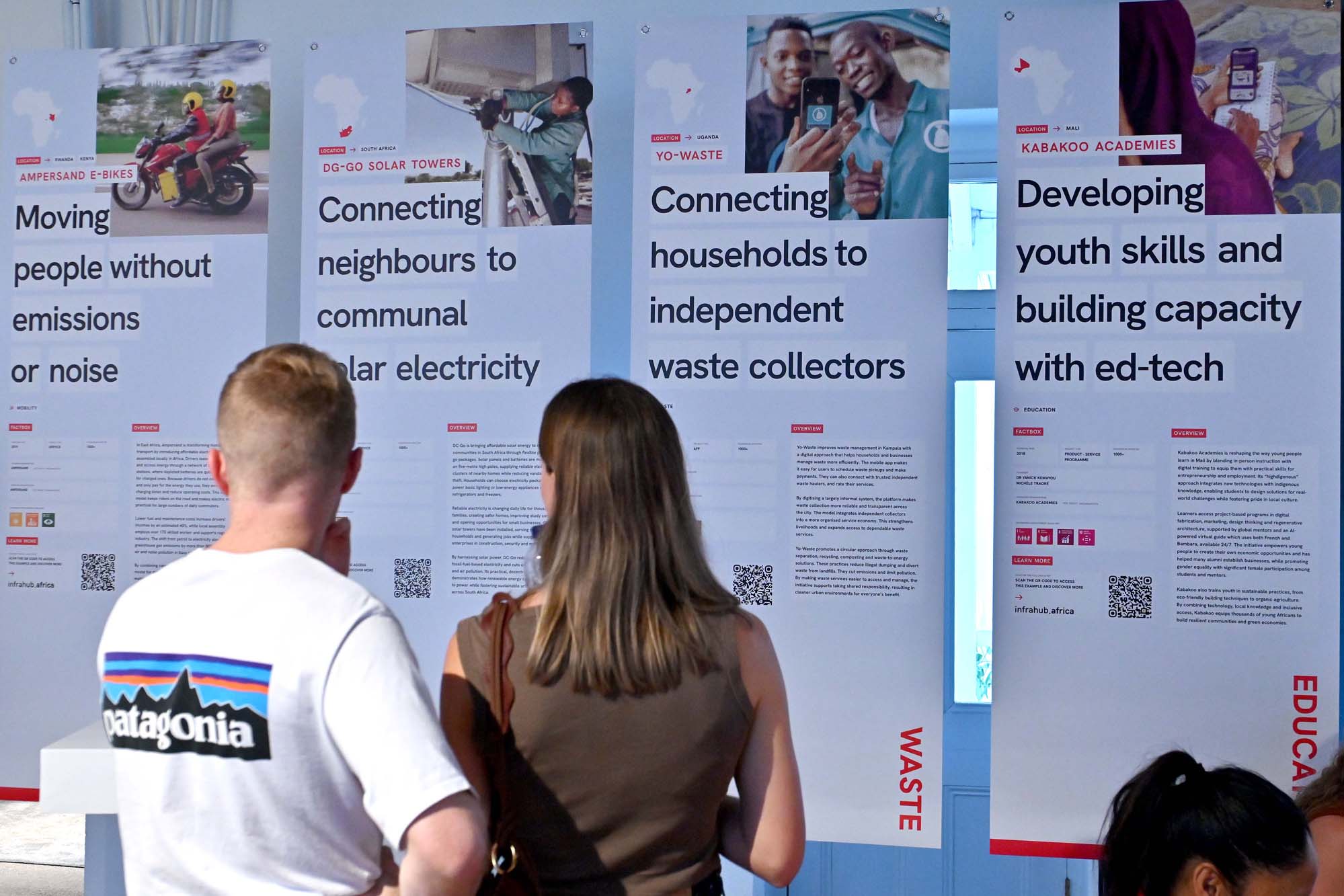
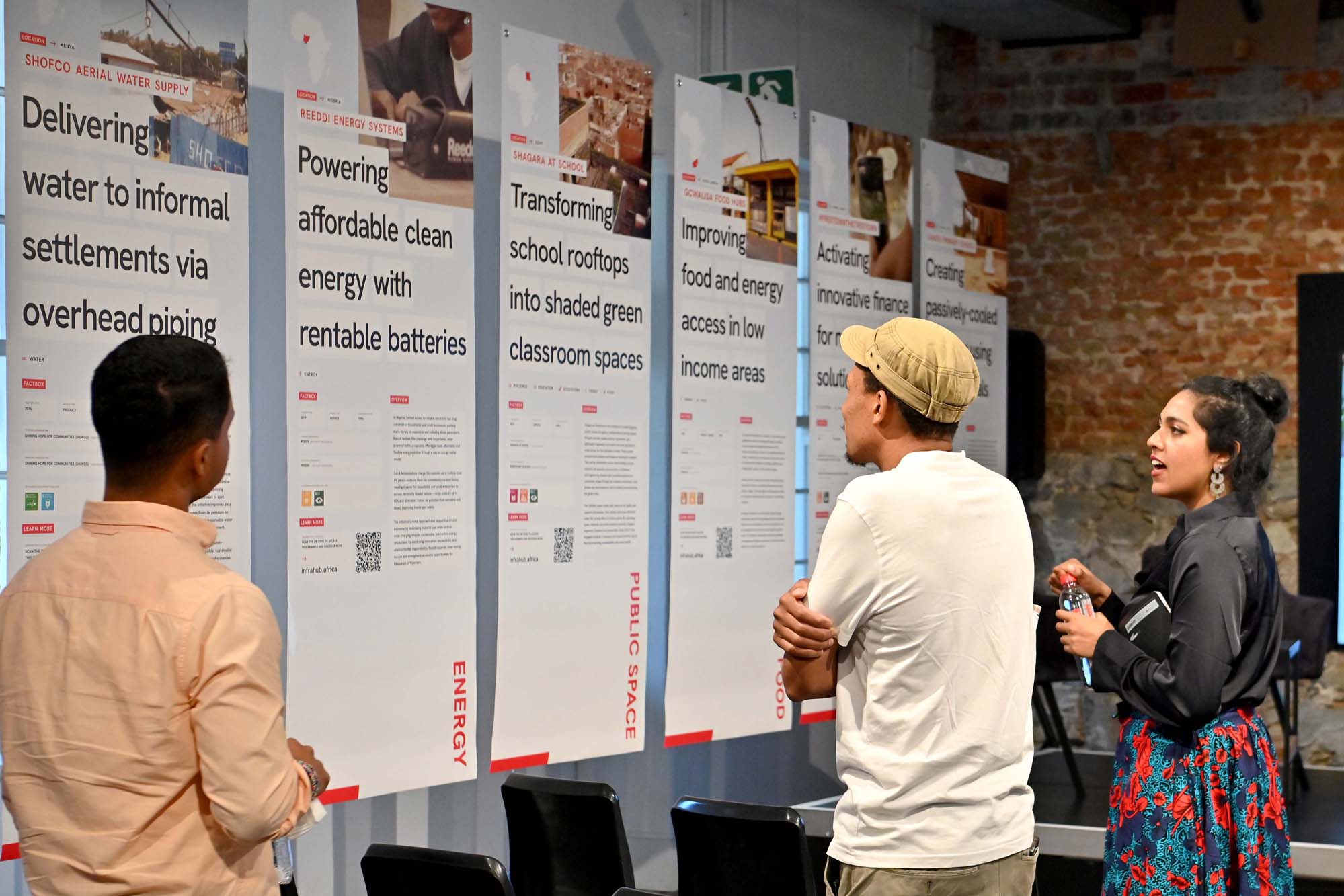
A major output of the project, infrahub.africa, explores how inspiring infrastructure initiatives from Africa might support the imagination of more just and sustainable cities. Since its launch in May 2023, researchers from the three partner universities have documented more than 70 case studies across the continent that contribute to justice and sustainability by serving those experiencing poverty, creating local livelihood opportunities and reducing or reversing ecological harm.
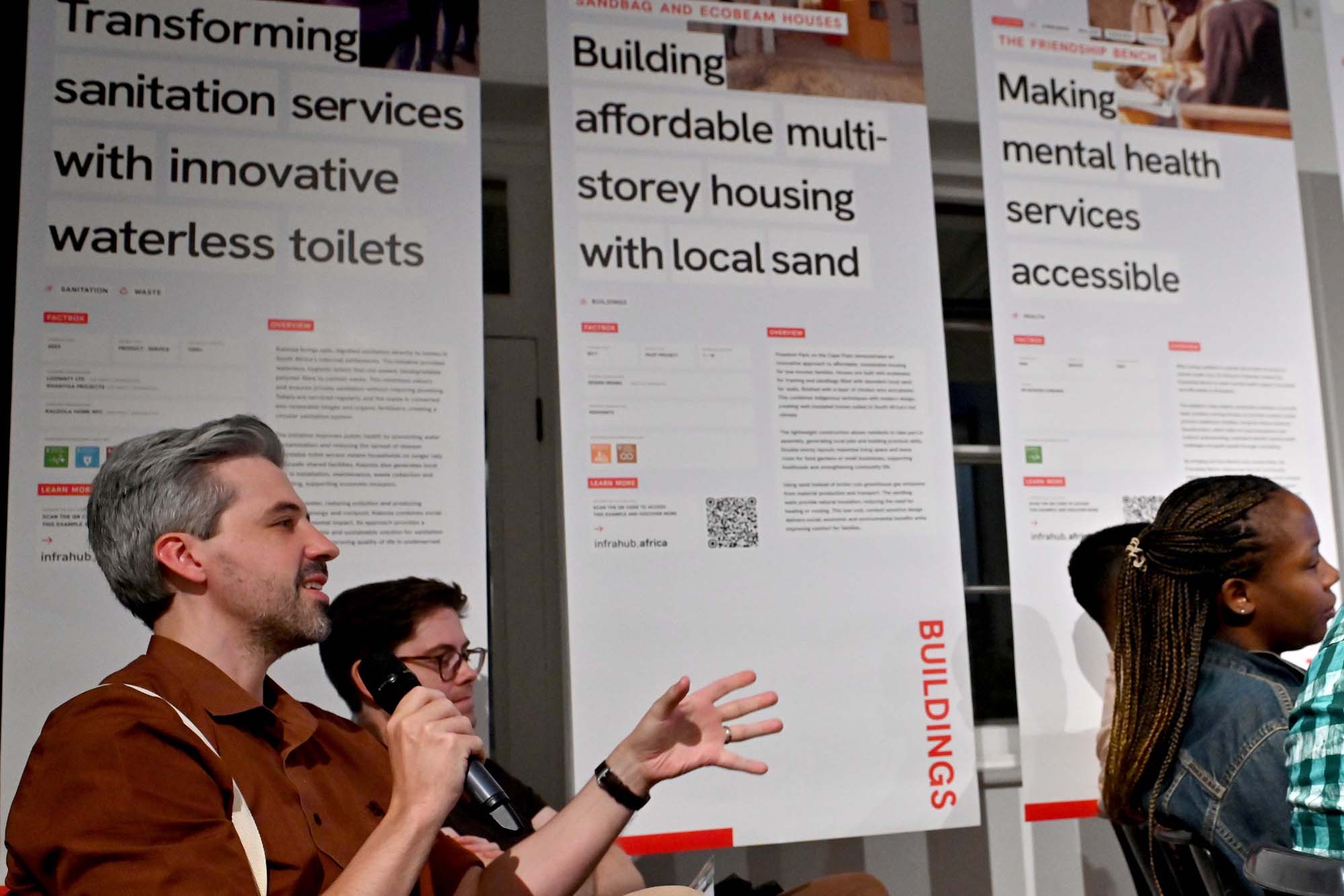
Initiatives include waterless sanitation solutions, sustainable building methods, rentable solar-charged batteries, outdoor mental health services and a variety of other innovative interventions that serve as reference points for how alternative approaches might play a role in achieving universal service delivery in the face of unprecedented urbanisation.
“Service delivery in popular neighbourhoods across the continent is often highly improvised and highly adaptable. The practices that enable this service delivery are indeed generative, but they can also be extremely disruptive,” said the director of African Centre for Cities, Professor Edgar Pieterse.
“There isn’t a clear normative line to be taken, but it was obvious to us as African scholars that we needed to document these practices to build an archive that can spur the imagination and drive conversations about alternative possibilities rather than focusing on modernist ideas of how urbanisation should be solved. And so, the infrahub.africa portal was born.”
A reference point for urban development in Africa
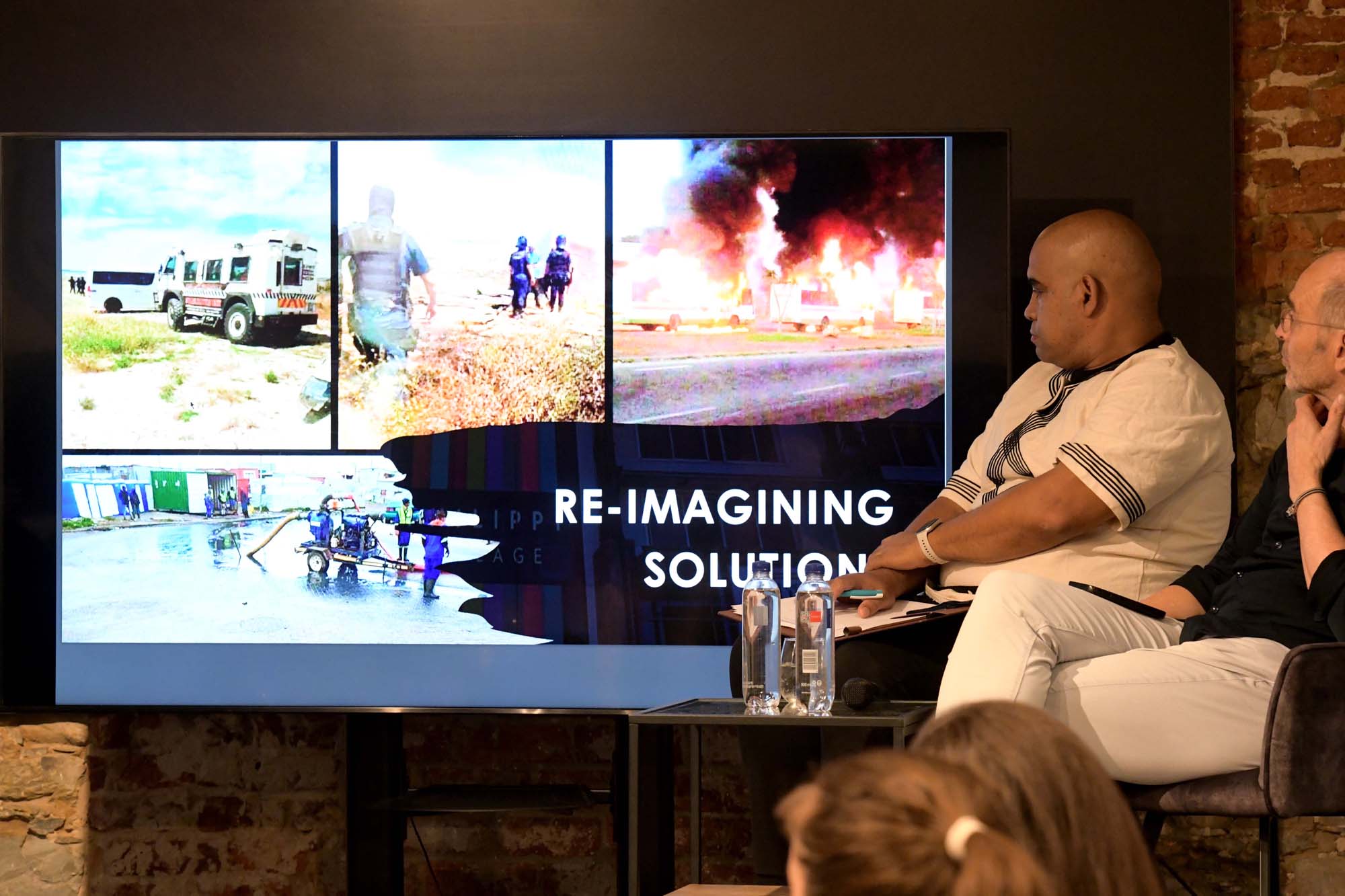
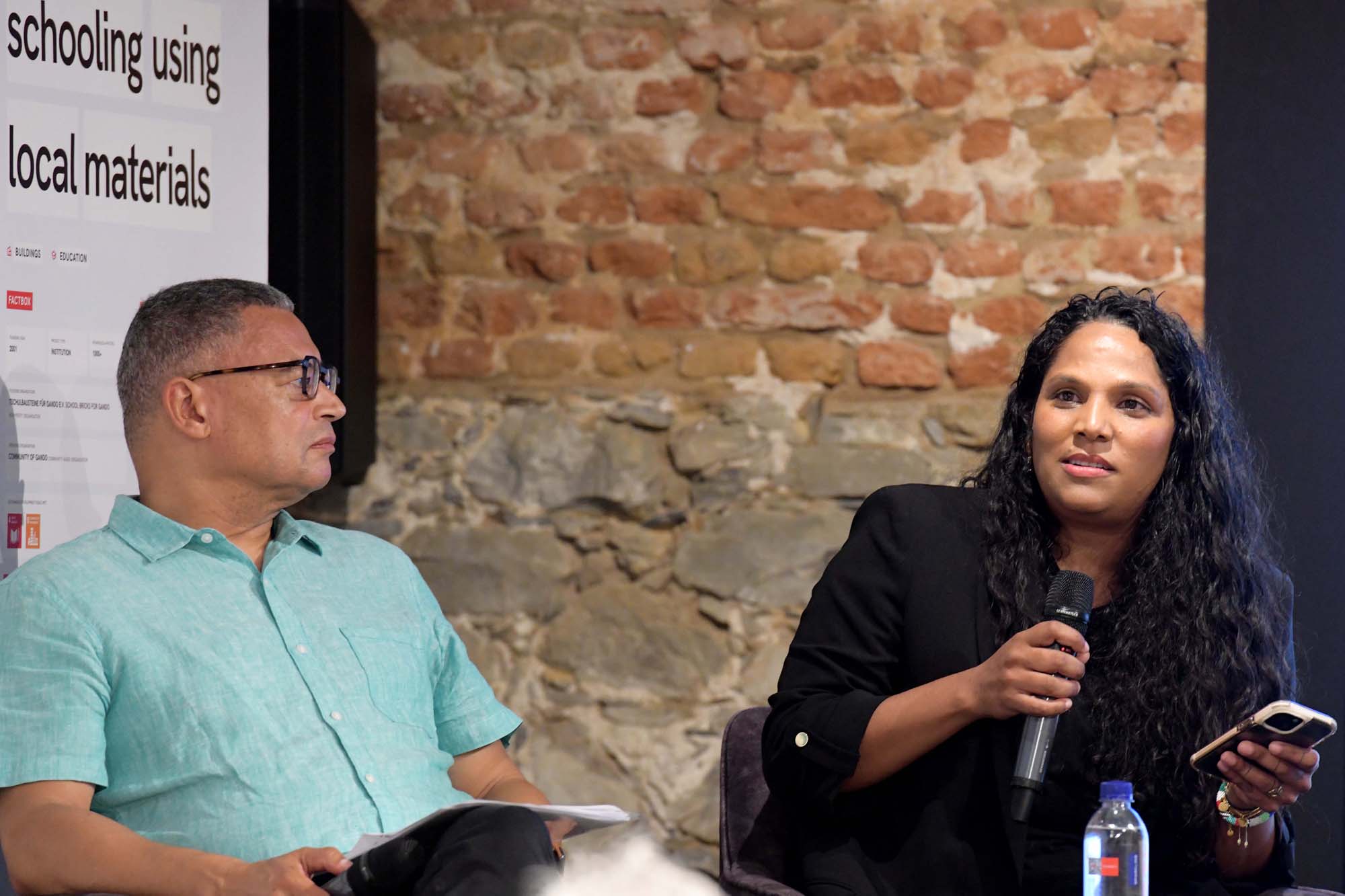
Bushra Razack, former chief executive officer of Philippi Village, highlighted how decaying urban areas can be transformed into thriving community spaces through community engagement and innovative programming.
“Philippi Village is a place that is often defined by challenges, not by the opportunities or by the resilience or untapped potential that it presents,” she said.
The development is centred around an old cement factory on the Cape Flats. While the vision of an integrated, mixed-use development that would house a diverse community of entrepreneurs and small business owners has now been realised, creating the space came with its challenges.
“Proximity to challenges has shaped how we work and the successes that we’ve seen in the village.”
From predicaments with improving the safety and security for the tenants occupying the facilities to understanding what services, spaces and other solutions would best serve the community, Razack highlighted that community engagement and relationship-building have been the two most valuable tools in reimagining this once abandoned area.
“Proximity to challenges has shaped how we work and the successes that we’ve seen in the village. We were able to engage with the community around us and have conversations with them, which meant that they began to see us as allies and were then willing to work with us,” she explained.
“Philippi Village has been an ongoing experiment shaped by people, by persistence and by failure as well. It’s a great example of urban renewal as a collaborative endeavour that’s about the collective, and it requires us to be creative in our approaches.”
Government and community in collaboration
Building on this idea of a collaborative approach to urban development, City of Cape Town Deputy Mayor Alderman Eddie Andrews noted that the best possible urbanisation outcomes are arrived at when there is a combination of strong political will and proactive collaboration.
One example of this, he said, is the Potsdam Sustainability Campus, which the City “envision[s] to be a cross-departmental, practical learning environment where … sustainability can be unpacked in an experimental and transversal manner”.
“Potsdam campus sits alongside Dunoon, an area that is alive with activities and possibilities. As government, it provides us with a space where we can understand all of the various contexts and challenges faced by the people of Cape Town and how we can respond to them,” Andrews remarked.
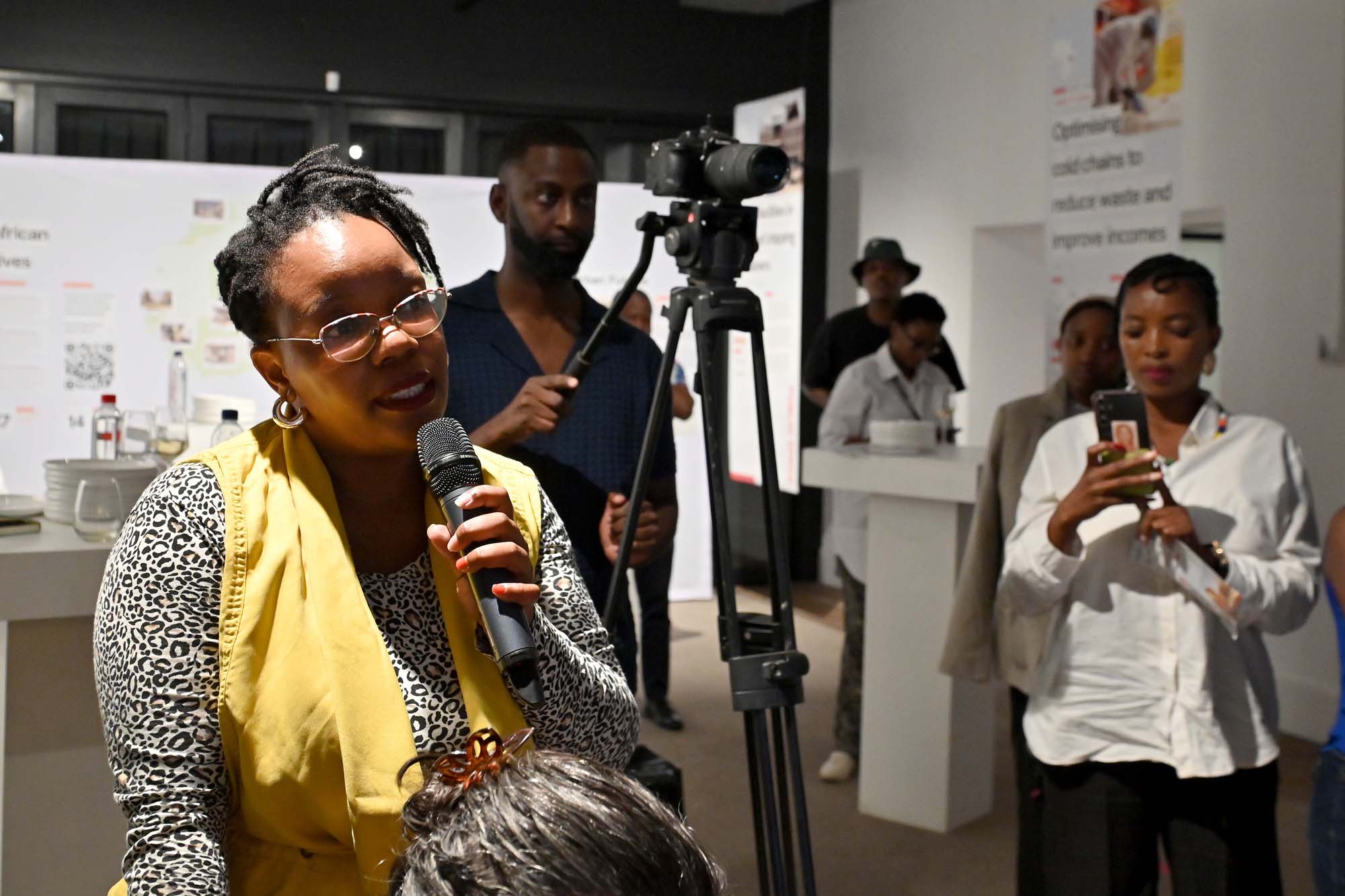
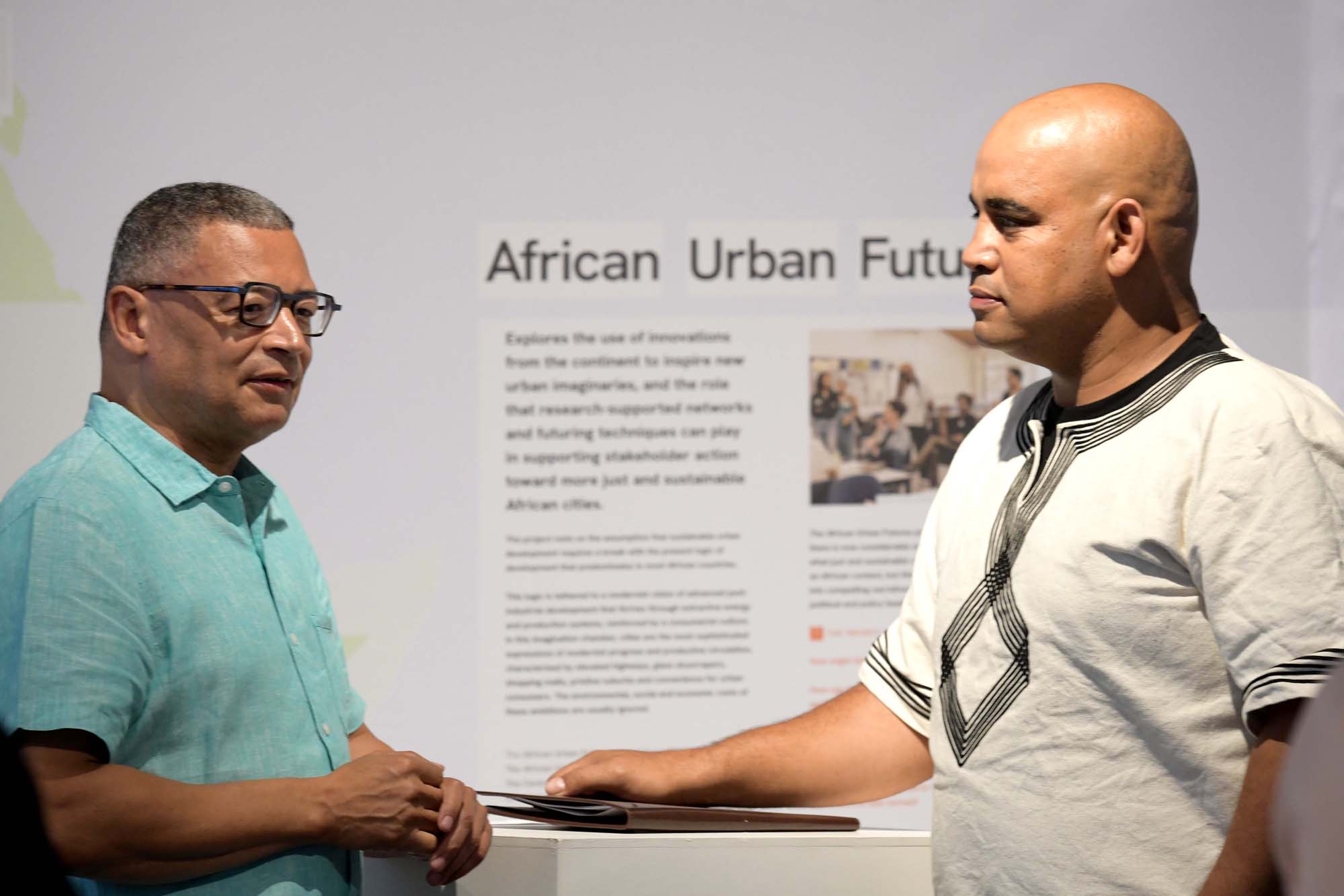
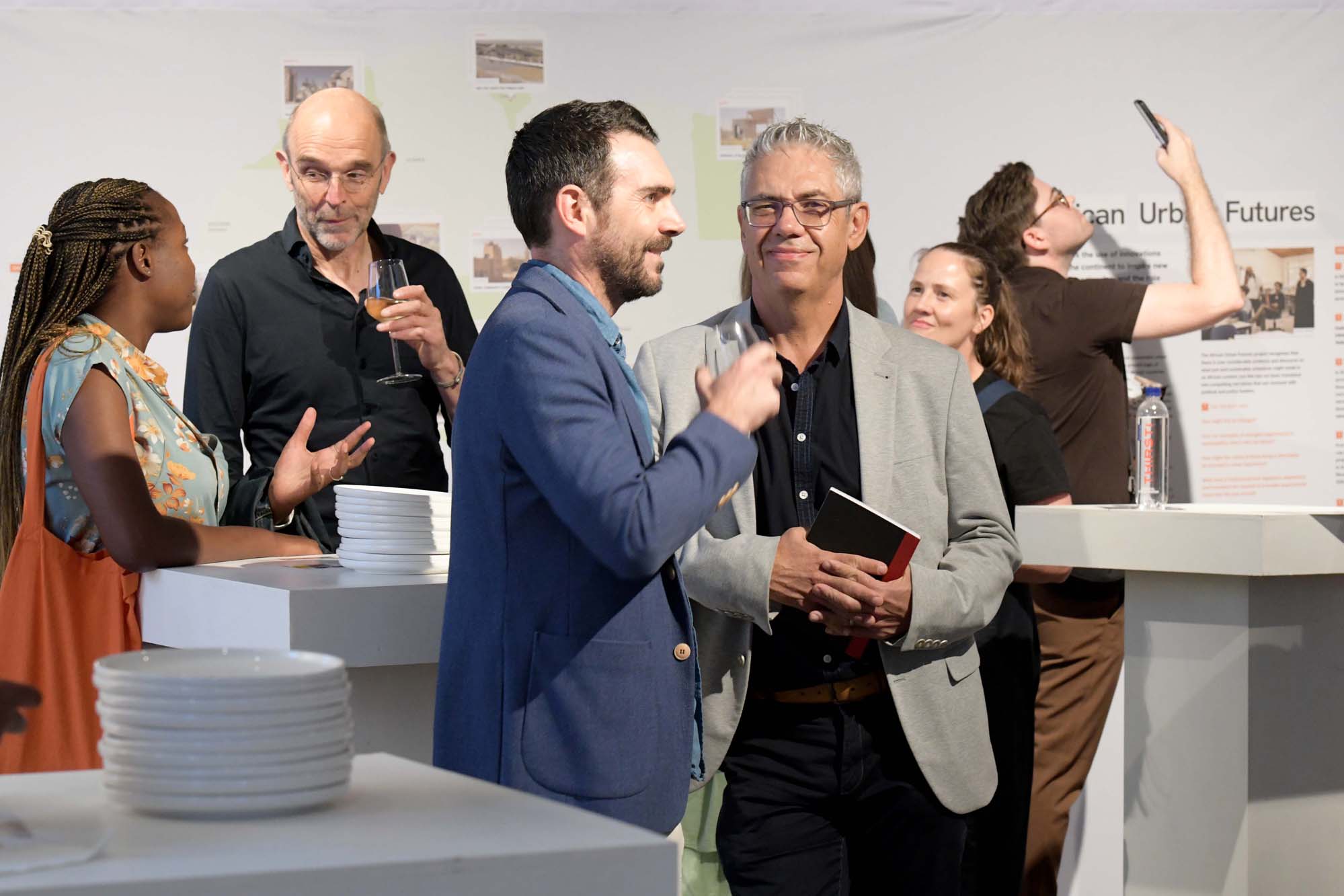
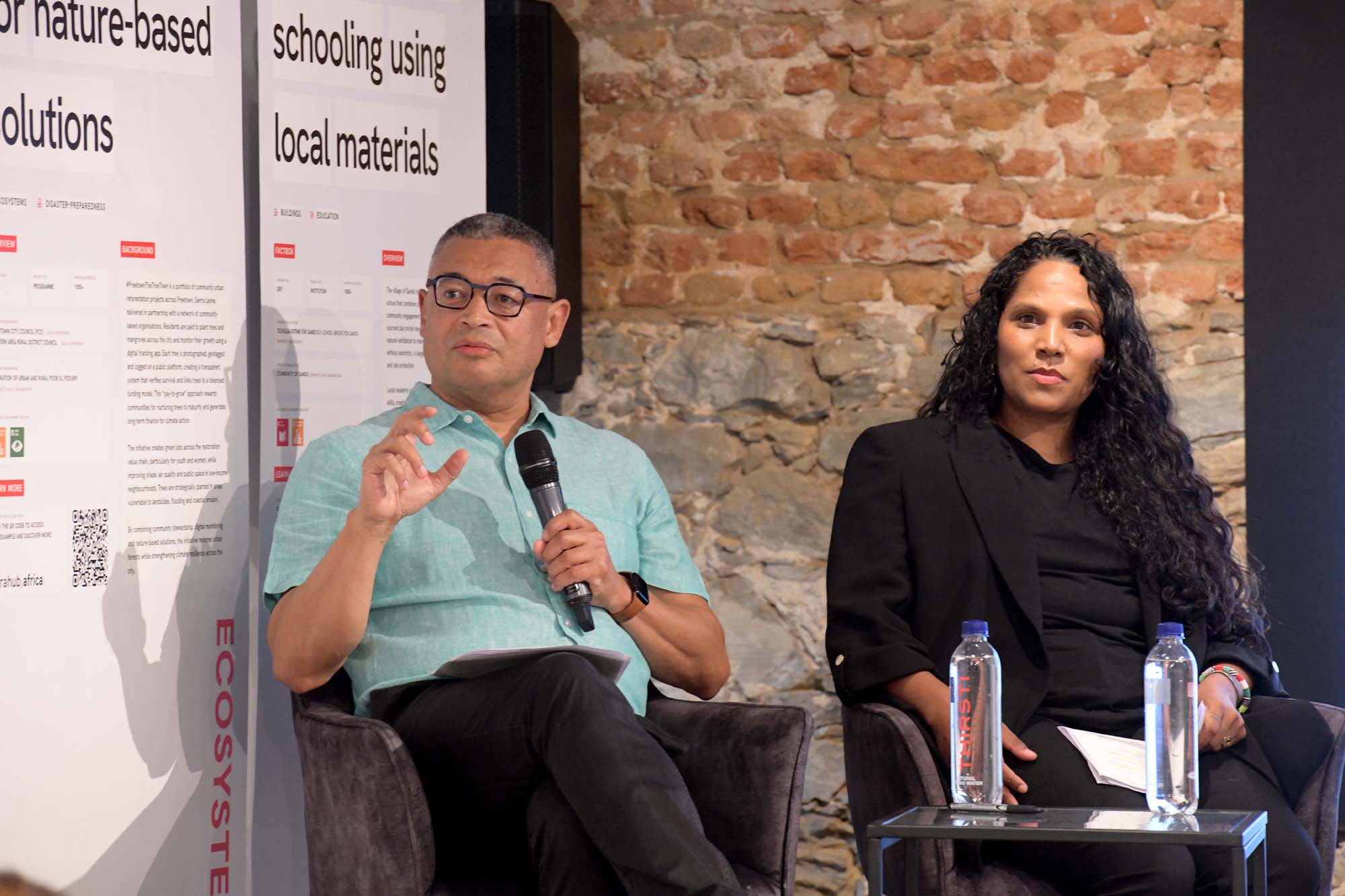

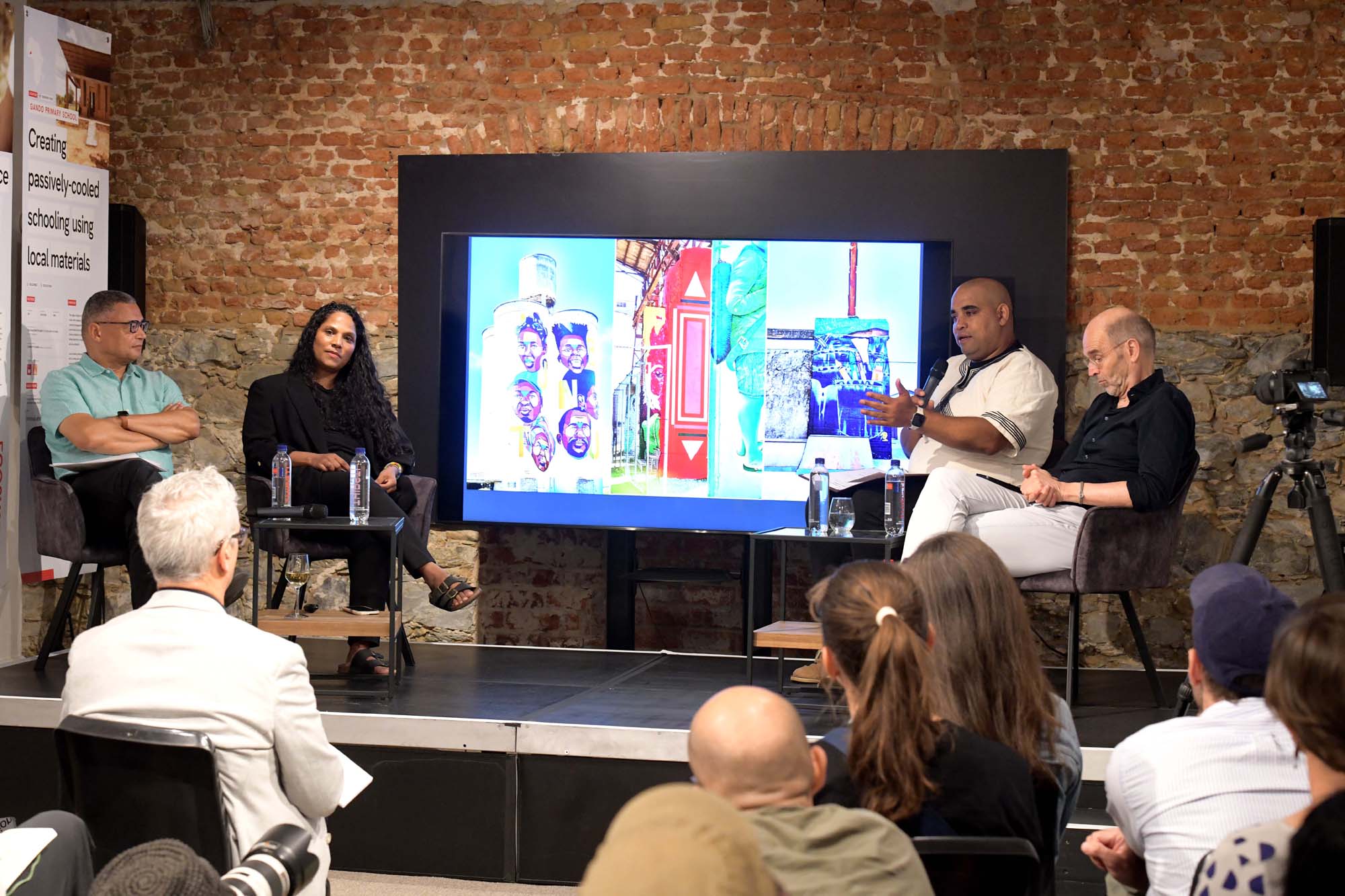
The site is intended to become a hub for collaboration between government, community and private sector actors with the aim of supporting programmes that address the rehabilitation of the Diep River system and empowering those who live in the area to better understand and mitigate against climate change.
“We consider the campus to be somewhat of a living laboratory for sustainable development; a place where we can showcase, test and refine new models of circular economy practice. It’s a platform for experimentation, a hub for innovation and a catalyst for cultural renewal within the city,” said the deputy mayor.
“If we embrace both the possibilities and cultural challenges ahead of us in this initiative, it can help to shape not just the district of the City of Cape Town but also the future of sustainable African urbanism.”
The three Es
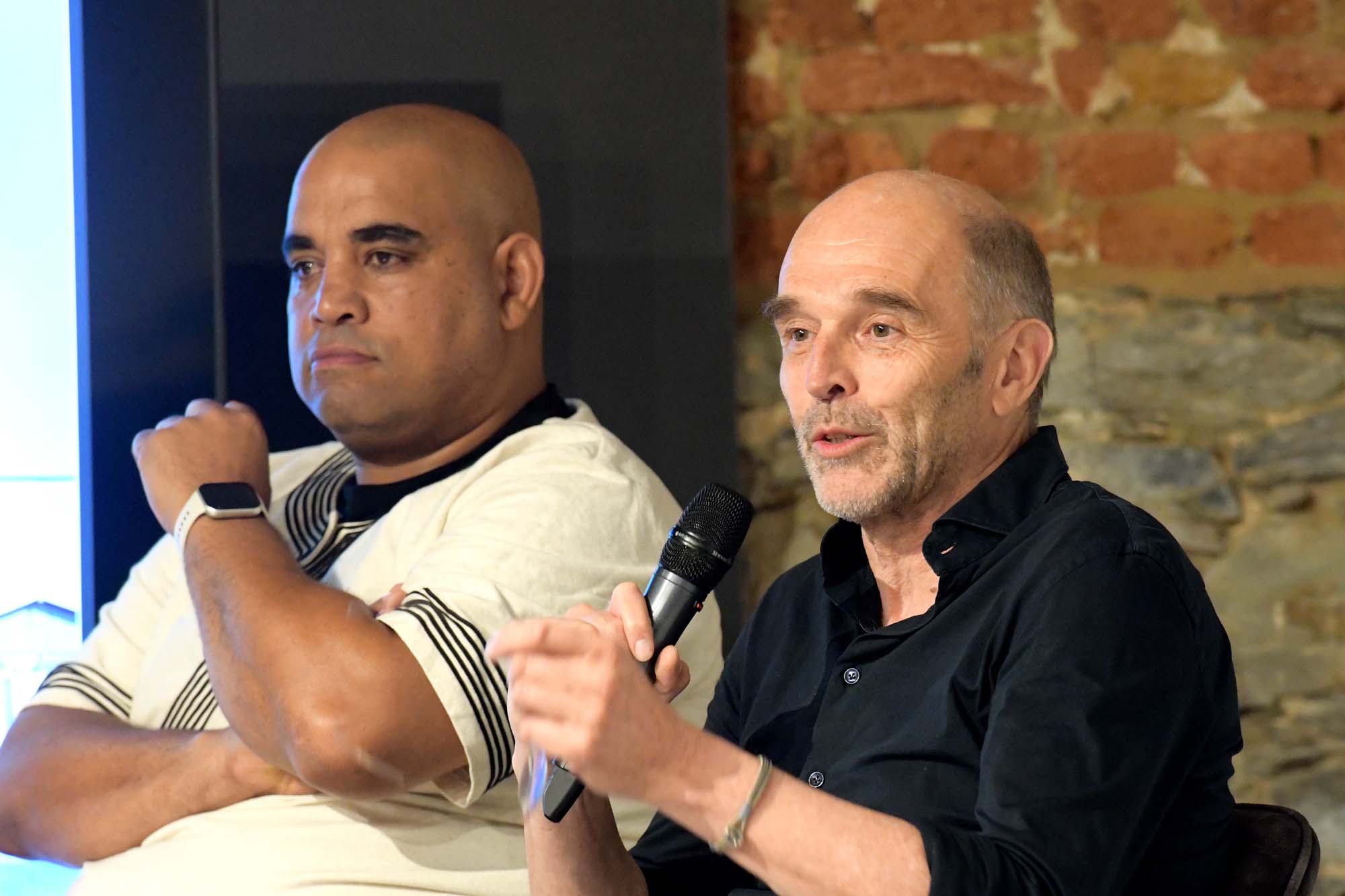
According to the director of the Urban Futures Studio at Utrecht University, Professor Maarten Hajer, the experimental approach observed in the cases of Phillipi Village, Potsdam Sustainability Campus and many of the initiatives featured on infrahub.africa is exactly the type of approach that is needed to create a just and sustainable future for all.
“To reach the just and sustainable future that we envision, we must be much more imaginative than we have been in the past. We cannot simply imitate others anymore. We also have to be way bolder in setting up collaborations with others that also want to move forward,” he said.
“We perhaps also need to appreciate that some of the practices that we thought were crucial do not necessarily work that well and try new approaches to create these new imaginative spaces where people feel inspired and believe in the future.”
To drive the discussion and sharing that are essential for creating equitable urban spaces in South Africa and Africa more broadly. Professor Hajer outlined the need for three Es: exhibitions, experiments and exchanges.
“You get a spark for change from being in a space together and seeing people that are examples.”
“You get a spark for change from being in a space together and seeing people that are examples and seeing that the world can be different to how it is. This is where exhibitions are important. It gives people examples of what exists, gives understanding as to why those things exist and how they can be replicated,” he explained.
“Experimentation is another one. For many years, government internal processes have stood in the way of societal progress. I think we have to go the opposite way in the next decade. We, as a society, have to share these imaginaries and then let the politicians go ahead and make them a reality.
“Finally, we need exchanges. We need to do transdisciplinary work with civil society – with communities, industry, funders and others – so that we can turn those experiments into realities.”
infrahub.africa is a collaboration between the African Centre for Cities at UCT, the Centre for Sustainability Transitions at Stellenbosch University and the Urban Futures Studio at Utrecht University, made possible with the support of the Dutch Ministry of Infrastructure and Water Management and the South African Research Chairs Initiative (SARChI)
 This work is licensed under a Creative Commons Attribution-NoDerivatives 4.0 International License.
Please view the republishing articles page for more information.