
Wamkelekile, Welkom
UCT premieres Japanese–South African Butoh collaboration
10 December 2025 | Story Stephen Langtry. Photos Lerato Maduna. Read time 6 min.
UCT’s Little Theatre hosted the South African debut of ‘1–2–3 As One’, a groundbreaking Japanese–South African Butoh collaboration that also marked the launch of the School for Intimate Imaginings.
The event marked a milestone not only for contemporary performance practice in South Africa, but also for cultural exchange and scholarly collaboration between UCT and Japan.
Developed in partnership with the Japanese Embassy in South Africa, the project also celebrated the launch of UCT’s new research space, the School for Intimate Imaginings (SII), a hub for interdisciplinary inquiry that bridges the arts, sciences and philosophy.
The evening brought together three internationally acclaimed Butoh artists: South Africa’s Jackï Job, a pioneer of the form on the continent; and two of Japan’s leading practitioners, Mitsuyo Uesugi and Yukio Suzuki.
Strengthening global networks
Delivering opening remarks on behalf of Vice-Chancellor Professor Mosa Moshabela, Sarah Archer, the executive director for the Development and Alumni Department, underlined the significance of the partnership with Japan, and the strengthening of UCT’s global networks.
She highlighted UCT’s longstanding ties with Japanese universities, noting Professor Moshabela’s recent visit to Japan and the university’s deep academic relationship with the University of Tokyo. She framed the launch of the SII within this broader context, describing it as a space designed to “expand the boundaries of how we think, create and conduct research at the university, and internationally”.
Reflecting on global challenges – from environmental sustainability to technological transformation – Archer emphasised the need for research environments that encourage intellectual risk-taking and creative experimentation. The SII, she said, is uniquely positioned to foster conversations that explore “what counts as knowledge, how we access it, embody it and research it”, by dissolving traditional disciplinary boundaries and inviting new cross-field collaborations.
Cultural, creative exchange
She concluded by thanking the artists, organisers and attendees for advancing “UCT’s strategic commitment to globally relevant scholarship” and supporting spaces of cultural and creative exchange.
Ambassador Fumio followed with an address marking his first full year in the country. He said he was honoured to participate in the inaugural performance and praised Job and the UCT team for their contributions to the SII.
He noted the school’s thematic focus, spanning health, wellness, environmental awareness and emerging technologies, and its alignment with global priorities. He also highlighted the value of the week-long masterclasses to be led by the visiting artists, which extend cultural exchange into pedagogy and research.
“Tonight’s performance represents a meaningful opportunity for cultural exchange.”
“Tonight’s performance represents a meaningful opportunity for cultural exchange between Japan and South Africa,” Shimizu said, acknowledging the significance of introducing a deeply Japanese art form like Butoh into dialogue with South Africa’s diverse artistic landscape.
The embassy, he affirmed, looks forward to deepening its collaboration with UCT and encouraging South African audiences to engage more widely with Japanese culture, art and language. He concluded with a traditional toast to the success of the SII, and the strengthening friendship between Japan and South Africa.
On stage
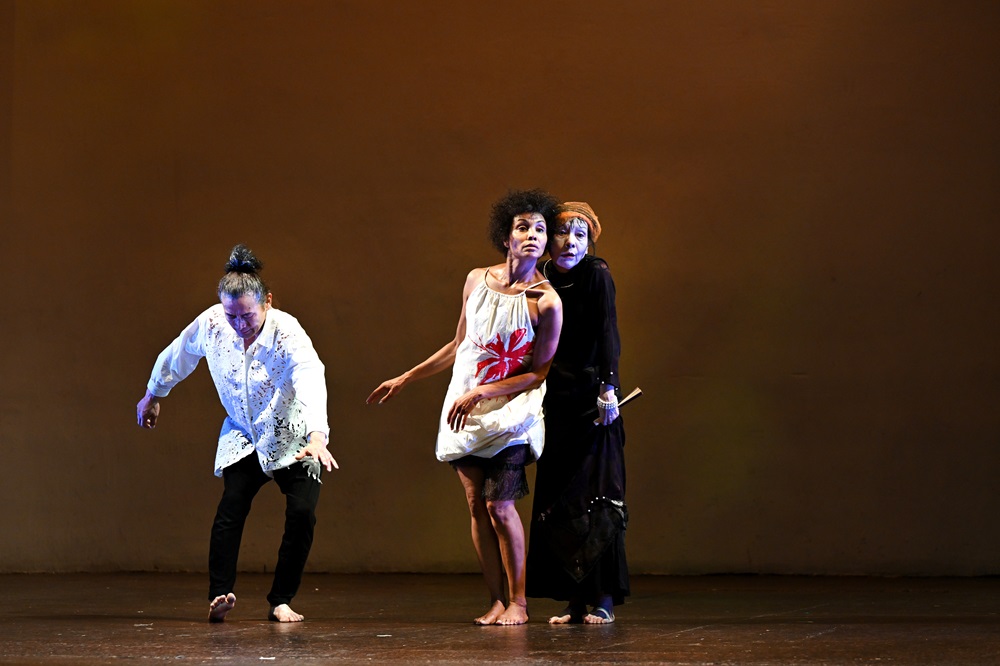
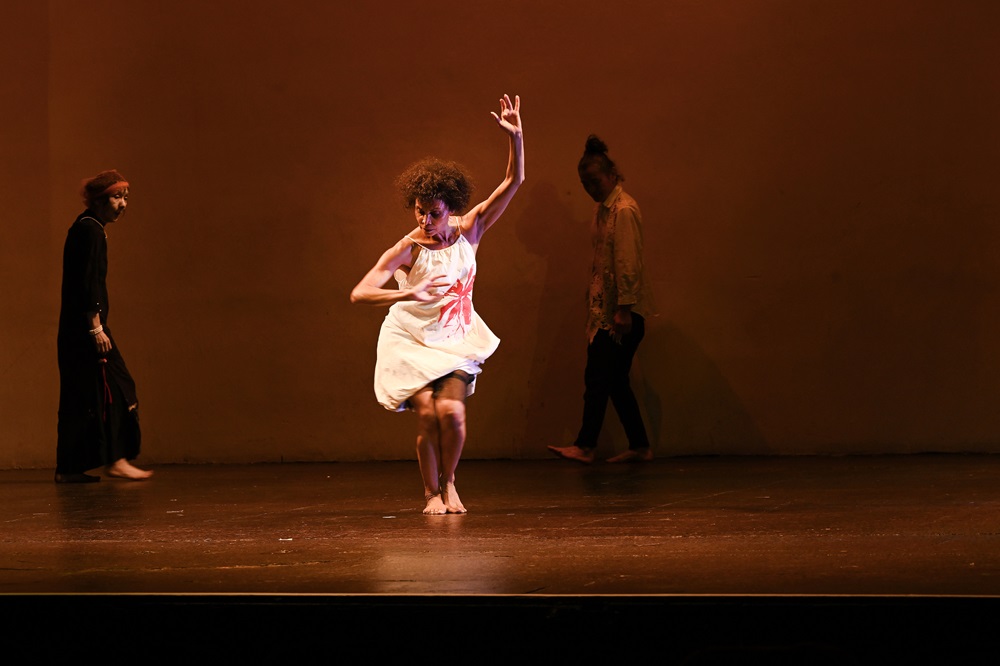
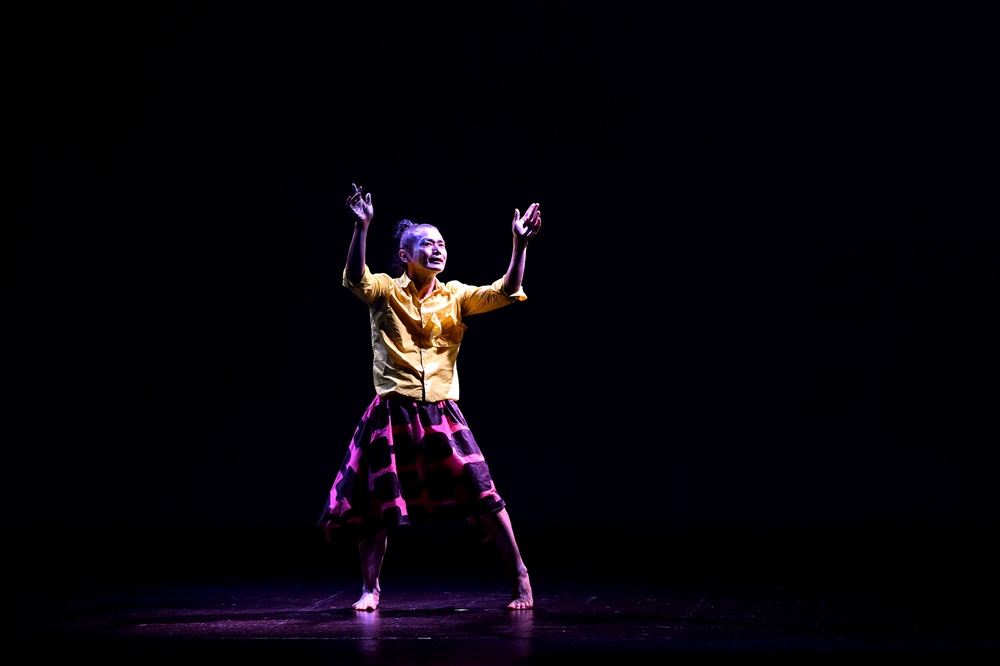
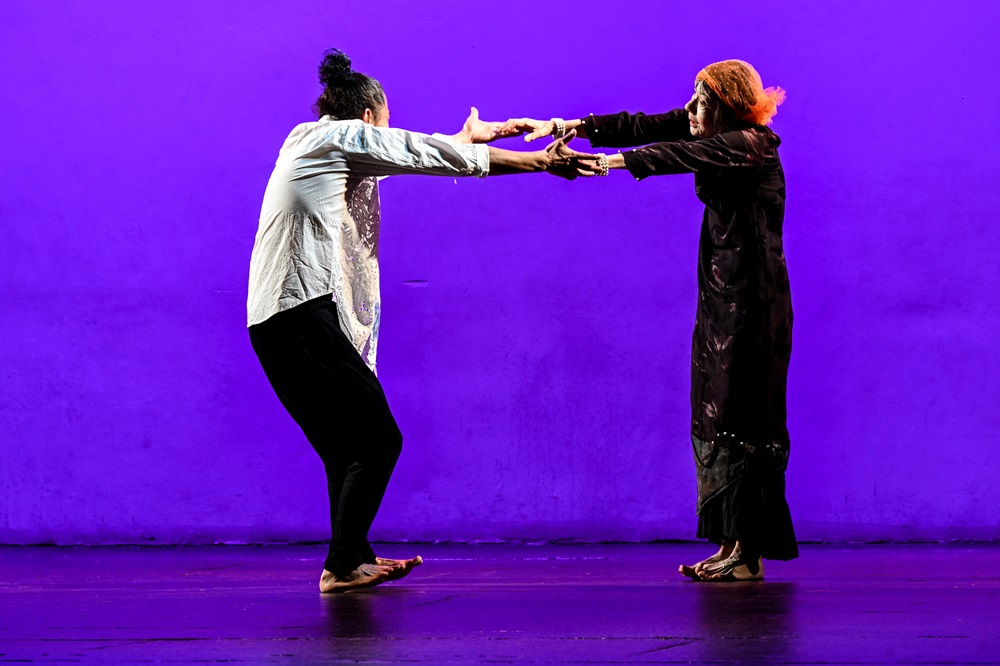
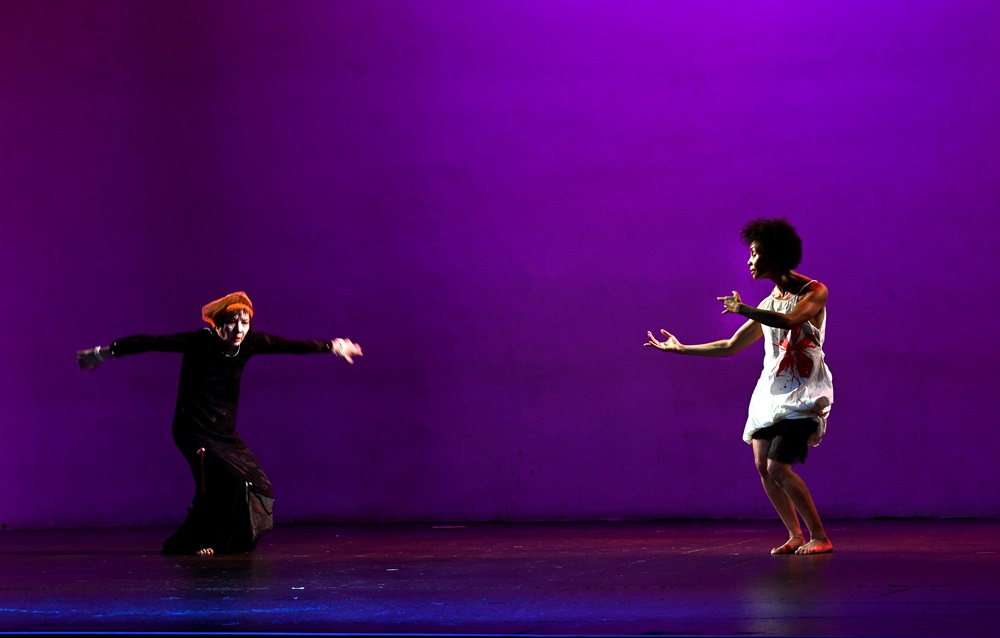
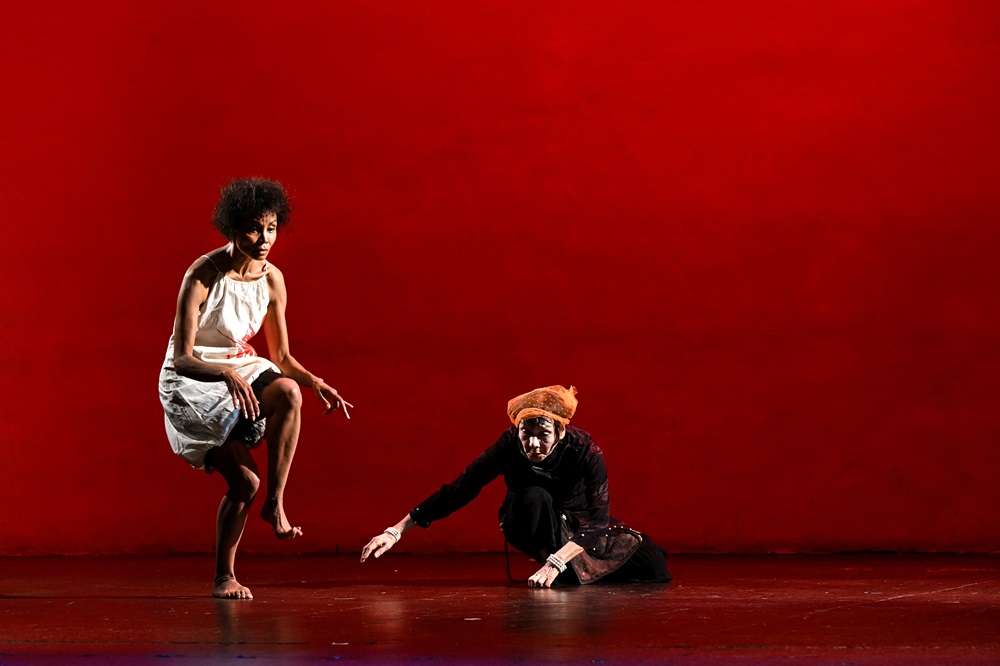
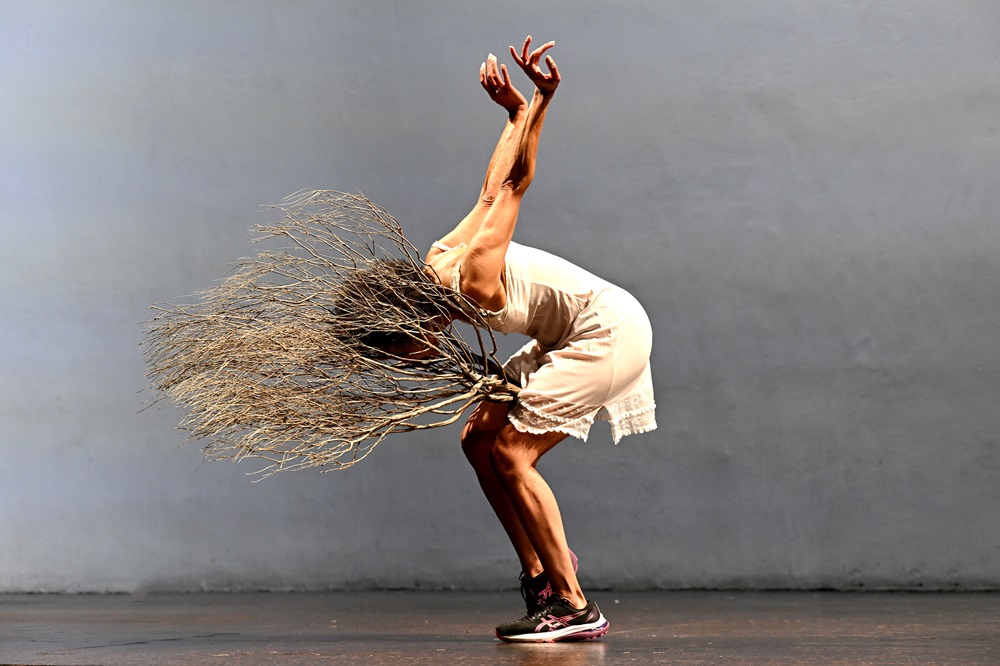
The performance programme featured four pieces: three solos followed by a collective choreography that blended the artists’ distinct movement languages into a single shared piece. Job opened the evening with a solo that set the emotional and conceptual tone. Renowned for merging scholarly depth with visceral embodiment, her work explored themes of ancestry, memory and intergenerational presence.
Next, Suzuki presented a solo characterised by his mastery of contrast, particularly his signature interplay between stillness and dynamic speed. His sculptural yet fluid choreography unfolded with quiet intensity, making visible the textures of memory and perception.
The third solo, performed by Butoh master Uesugi, carried the weight of tradition. As a direct artistic descendant of the founders of Butoh, her work commanded attention even in its smallest gestures, drawing the audience into the introspective, intuitive worlds that the form evokes.
For the closing piece, all three artists moved together, weaving their individual vocabularies into a unified choreography. The concluding performance invited the audience into the questions of “What do you see?” and “What do you understand?”, offering a rich, immersive encounter with movement, meaning and multiplicity.
 This work is licensed under a Creative Commons Attribution-NoDerivatives 4.0 International License.
Please view the republishing articles page for more information.