

Wamkelekile, Welkom
Be quick to click: Launch of the Seatbelt Convincer
23 March 2026 | Story Kamva Somdyala. Photos Lerato Maduna. Video Production Boikhutso Ntsoko and Nomfundo Xolo. Read time 4 min.
There is a threat to our children’s lives: traumatic brain injury (TBI). And it is preventable – with the click of a seatbelt. But most children are not strapped in, with only four out of 100 children admitted to the Red Cross War Memorial Children’s Hospital’s ICU unit having been strapped at the time of sustaining severe TBI as a passenger.
In a significant move to strengthen road safety awareness and injury prevention, the University of Cape Town’s (UCT) African Brain Child clinical and research group (ABC), in collaboration with the Cape Town Science Centre, recently launched the “Seatbelt Convincer” (Be Quick to Click campaign), highlighting the critical role that seatbelts play in protecting lives – especially those of children.
At the Neuroscience Institute, ABC produced a highly visual and interactive launch, showcasing the journey of the Be Quick to Click campaign from hospital-based research at Red Cross War Memorial Children’s Hospital. The campaign and ABC have received generous funding from the South African National Research Foundation (NRF), South African Medical Research Council (SAMRC), Gabriel Foundation and the National Institutes of Health Research in the United Kingdom.
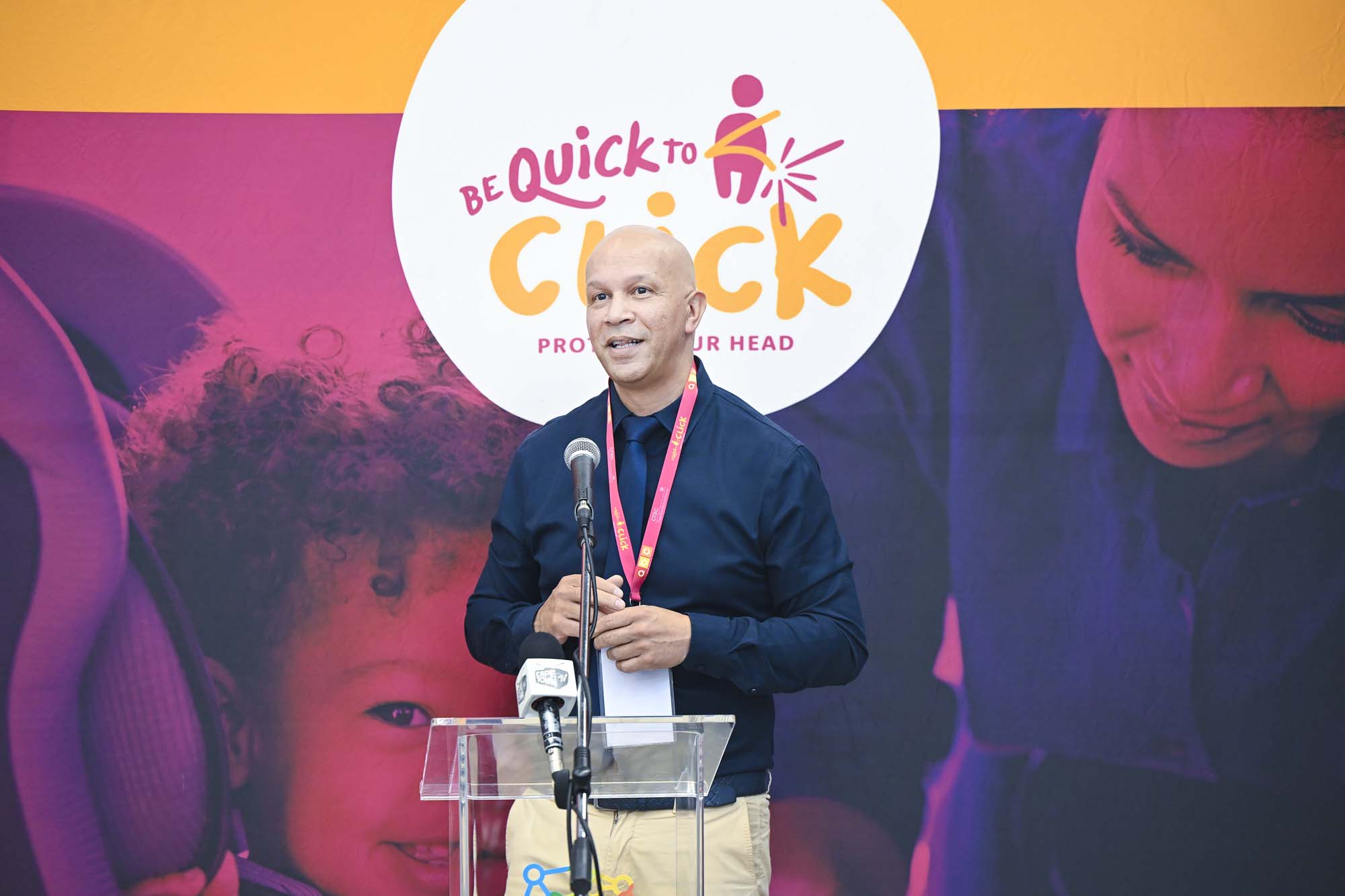
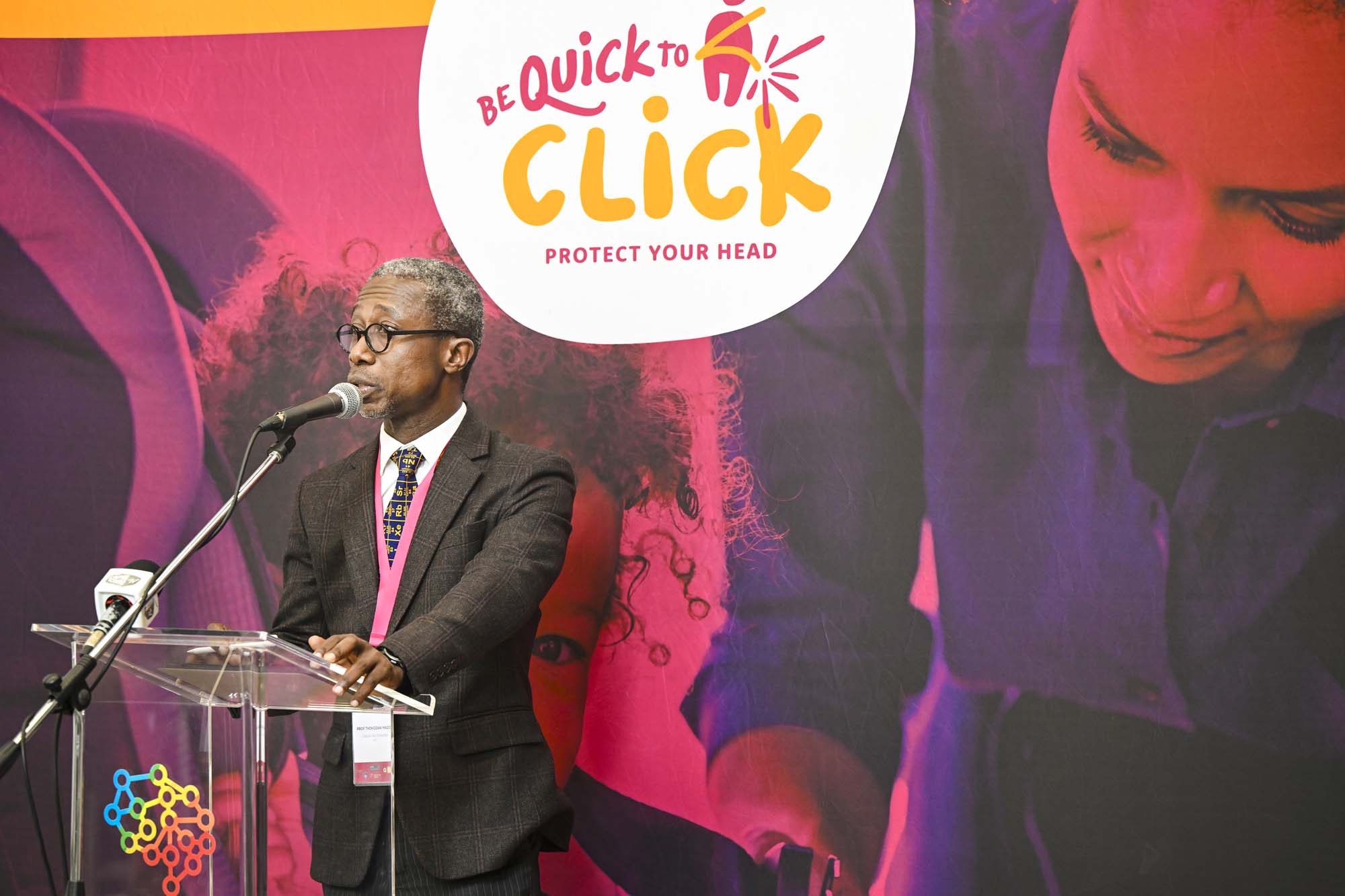
Speaking at the event, deputy vice-chancellor for Research and Internationalisation, Professor Thokozani Majozi, said: “The human brain is the most extraordinary object in the known universe, more complex than any machine we have ever built; more intricate than any map we have ever drawn. A child’s brain is not yet complete. It is becoming, forming pathways and learning what the world is.
“Ninety-six percent of children admitted to The Red Cross War Memorial Children’s Hospital are with a severe traumatic brain injury sustained in a motor vehicle accident when not wearing a seatbelt. Think about what lives in those numbers. Think about the ordinary journeys. The prevention is there already: a seatbelt. A simple silent covenant between a driver and a child.”
The speakers at the event agreed that the law is only a part of protecting our children. Everyone needs to commit to road safety. Death caused by injury accounts for more annual fatalities worldwide than HIV/AIDS, malaria, and tuberculosis (TB) combined.

“The Red Cross War Memorial Children’s Hospital sees some 2 000 children (newborns to 12 years old) with suspected head injuries annually,” said Associate Professor Ursula Rohlwink from UCT’s Division of Neurosurgery. “Our mission has been to try and understand why this is happening and our research showed that only four out of 100 children admitted to our intensive care unit (ICU), as a passenger who has sustained severe TBI, was wearing a seatbelt.”
She added: “Often, we’ve overlooked children, around whom all of our work revolves, and given the scope of the Cape Town Science Centre’s audience of 25 000 children annually, this gives us an opportunity to have a tool that educates and empowers children to advocate for their own safety and to establish healthy habits in our future drivers and parents. We are excited to launch that tool this evening: the Seatbelt Convincer.”
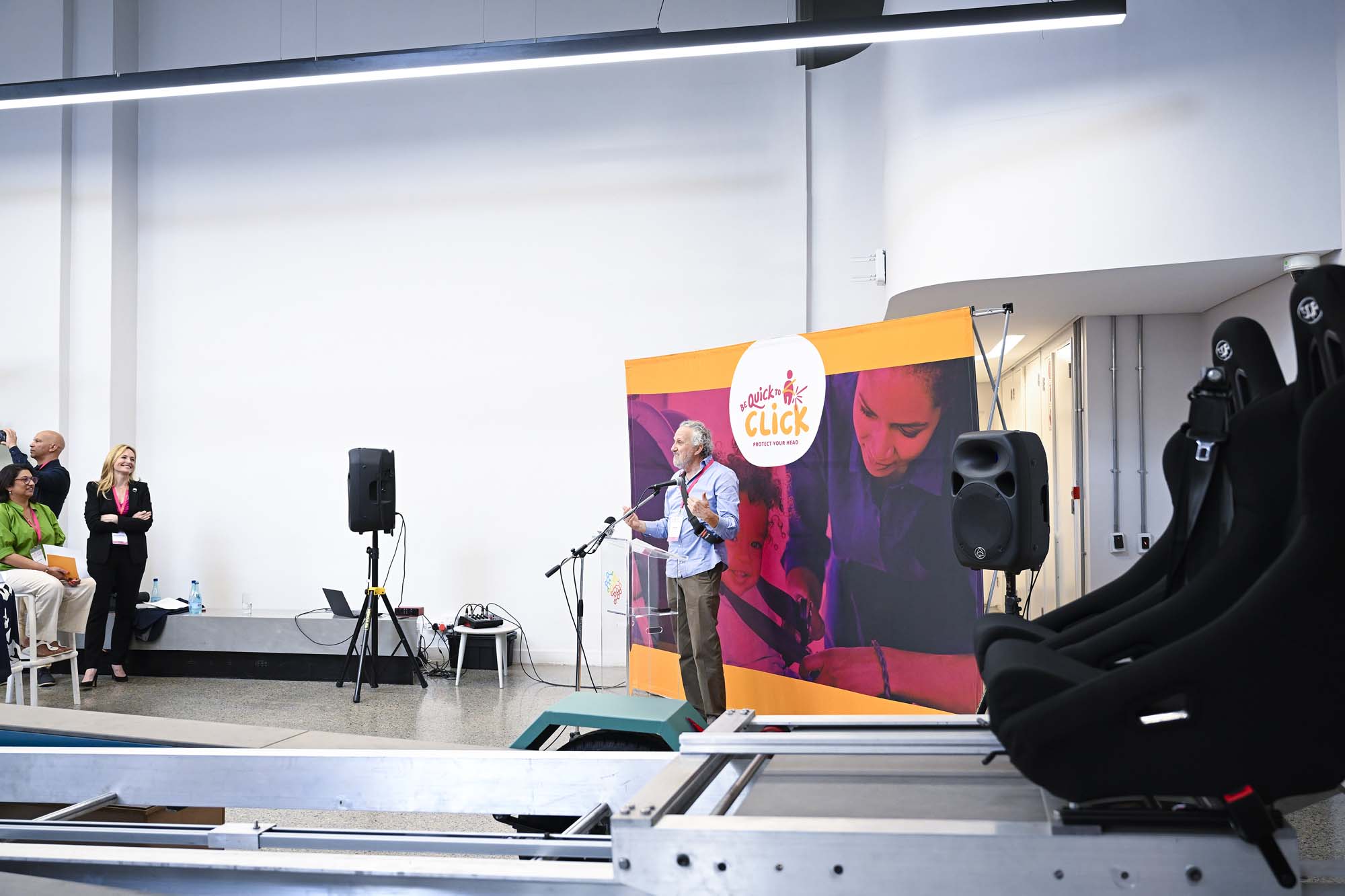
The Seatbelt Convincer is a traveling exhibit mounted on a road trailer with suitable automotive seating for two occupants to travel down a ramp by the force of gravity for a distance of approximately 4.5 m and coming to a dead stop at the end of travel. The momentum of the occupants at the end of travel will be arrested by the function of the seat belts demonstrating to the occupants the importance of seat belt use. While the seatbelt convincer reaches a maximum speed of 6 km/h, it provides a powerful tangible demonstration of crash force that makes the occupant reconsider the risks of not using a seatbelt at their everyday driving speeds. It conveys this message in a way that images and words alone often cannot.
Innovative tool
Steven Sack, the head of the Cape Town Science Centre, said he was pleased about the collaboration and the development of this innovative tool that offers experiential learning to stimulate enduring behaviour change in seatbelt use. “What you see here is a miracle. We worked hard on the proof of concept for this because we realised that it will be used by thousands and thousands of students and it would certainly need to stand the test of time, and that was again through collaborations with partners.”
Mireille Wenger, the Western Cape minister of health and wellness, said: “When you are confronted with the fact that 96% of children treated at the Red Cross War Memorial Children’s Hospital were not wearing a seatbelt, there’s a difficult reality: these are not injuries that occur because we lack knowledge. They occur because behaviour has not caught up with what we know – and the cost of that gap is profound.”
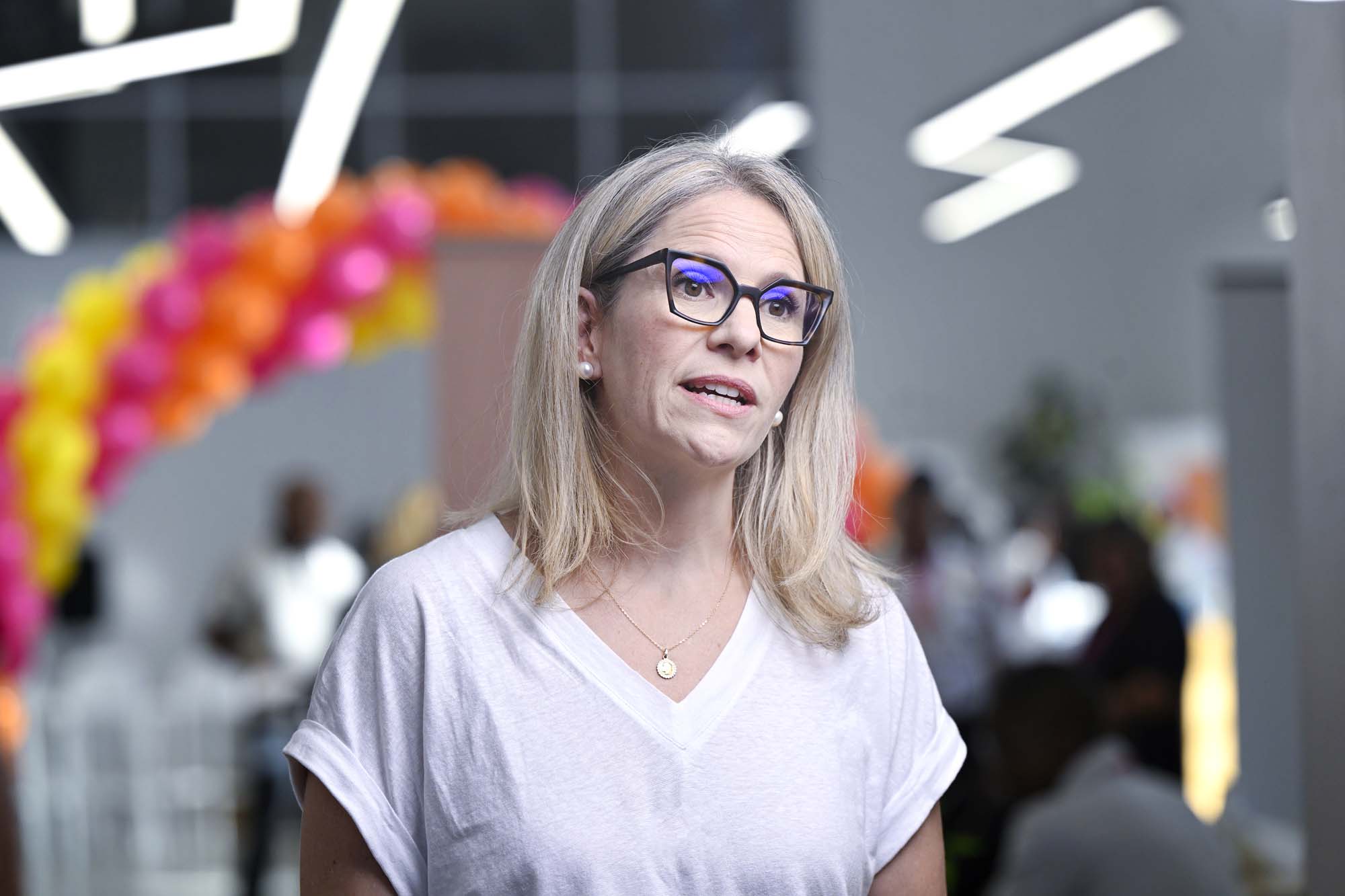
Professor Anthony Figaji, the director at the African Brain Child, concluded the programme, stating that the care patients who suffer from TBI receive is world class: “That’s because we have worked hard to build advanced infrastructure, and we have been supported by partners. We therefore have been able to deliver the best clinical outcomes for our patients. Part of the reason we are good at what we do is that we see a lot of trauma patients; [however], that’s not something to be proud of.
“We cannot replicate our success to the rest of the country at times because we can’t save every life or stop every injury. It takes a village to raise a child; it also takes a village to protect one,” he said.
It was therefore an important aim of the Seatbelt Convincer launch to call various important stakeholders to action, including strengthened law enforcement of seatbelt compliance, recognition of injury prevention as a strategic public health priority, and prioritising research into TBI prevention and care in the same way we do for infectious diseases.
ABC and the Cape Town Science Centre are excited to see how the impact of this intiative will be amplified with the support of local government and influential partners.
 This work is licensed under a Creative Commons Attribution-NoDerivatives 4.0 International License.
Please view the republishing articles page for more information.


