
Wamkelekile, Welkom
The mechanics of ageing
30 January 2026 | Story Niémah Davids. Photos Lerato Maduna. Read time 5 min.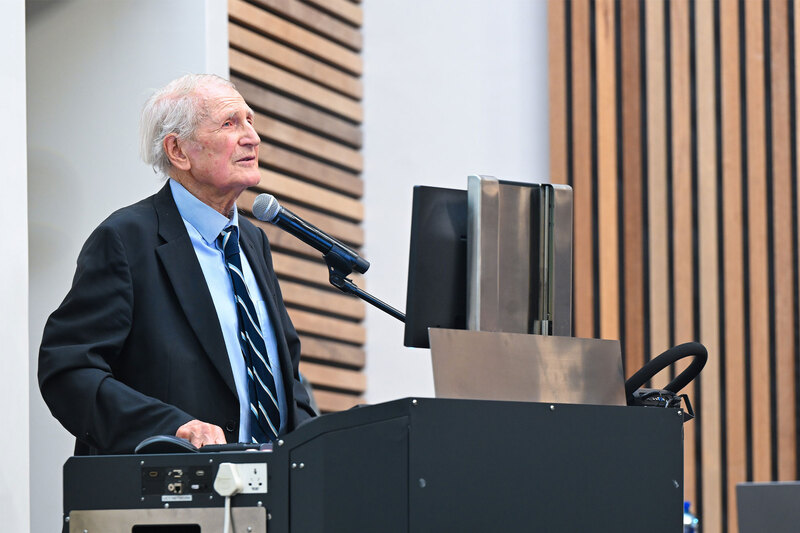
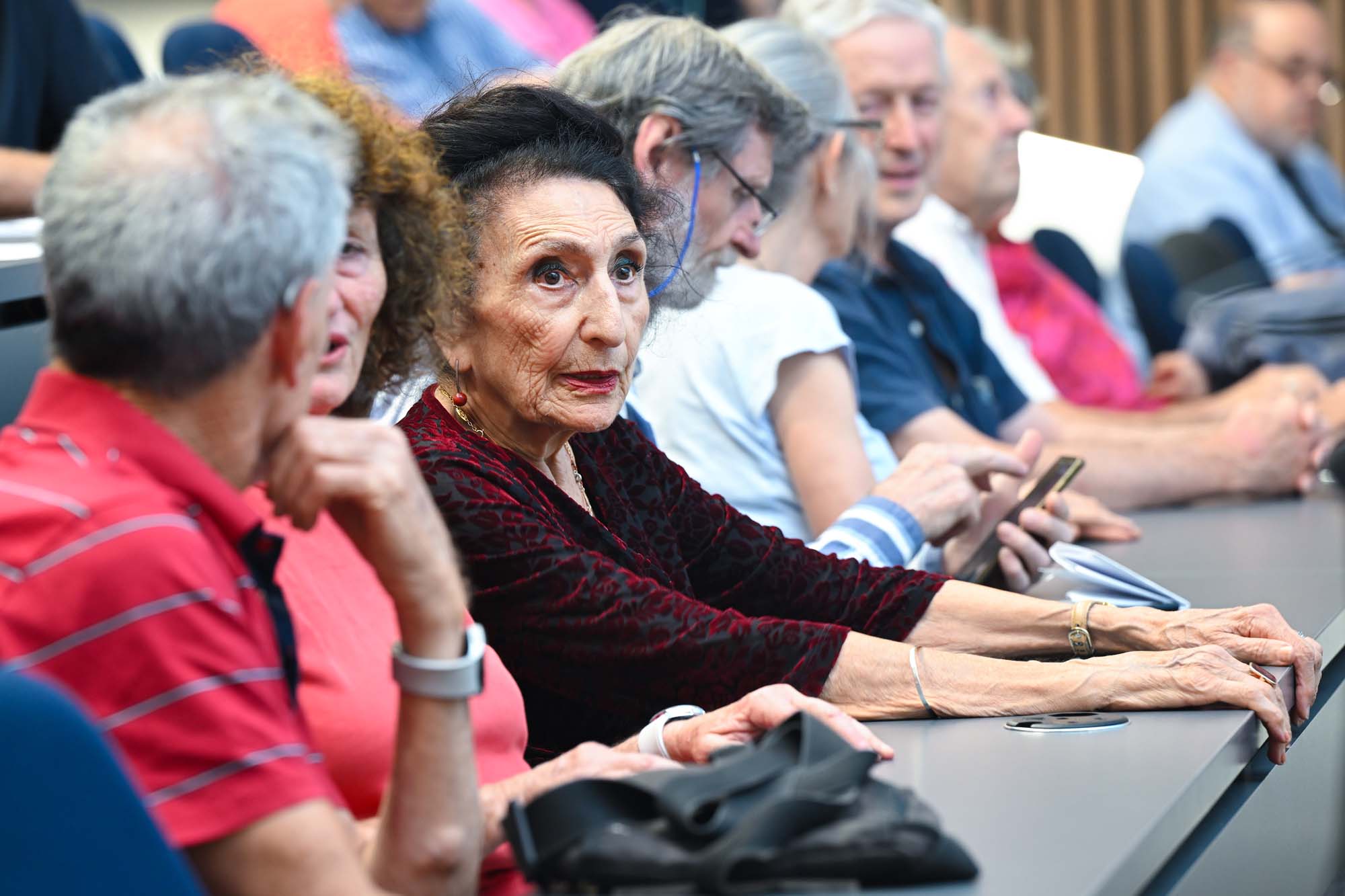
A rarely explored theme that covered how and why humans age and why they die had the audience on the edge of their seats during the annual Dr Stuart Saunders Memorial Lecture.
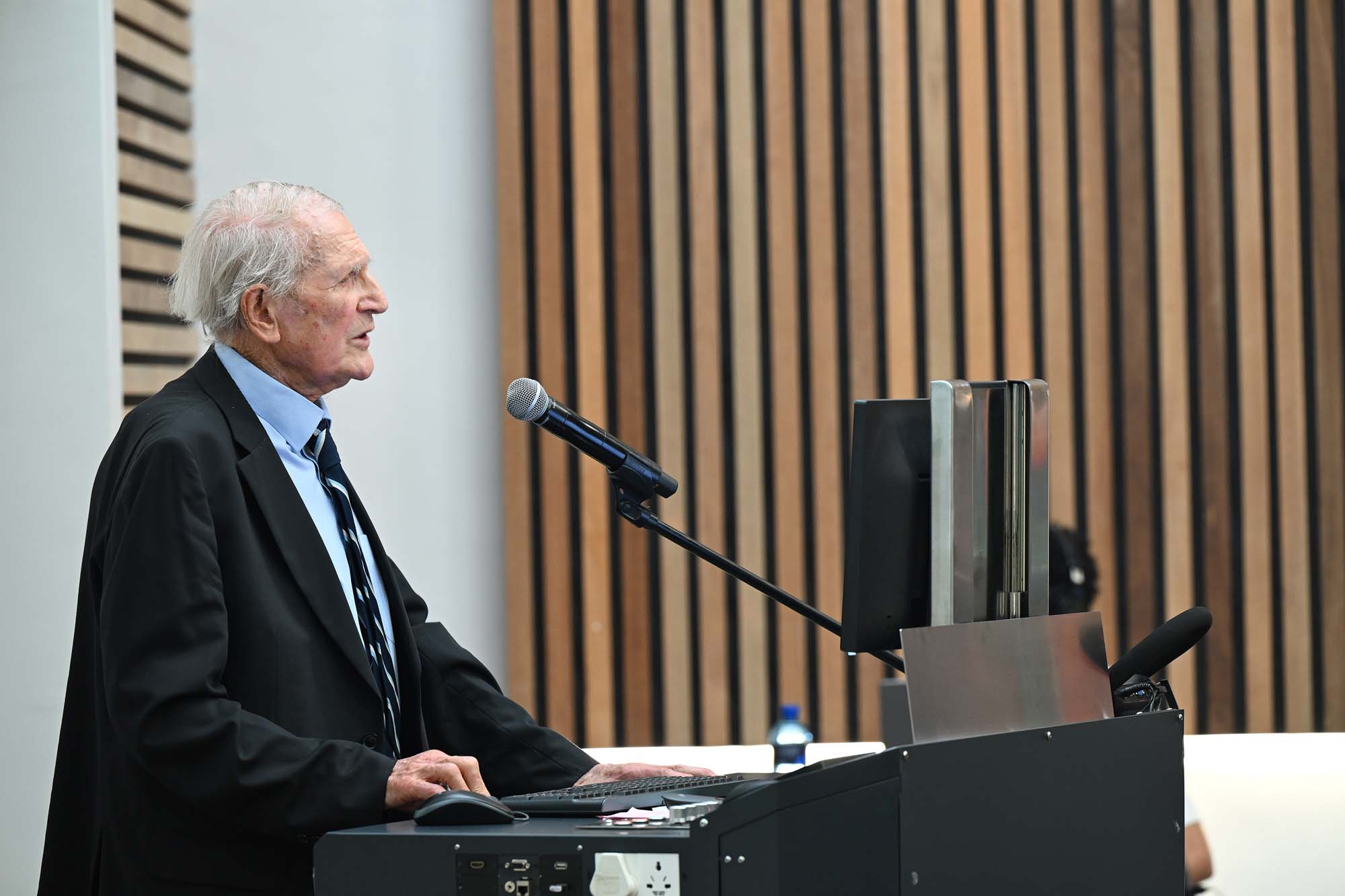
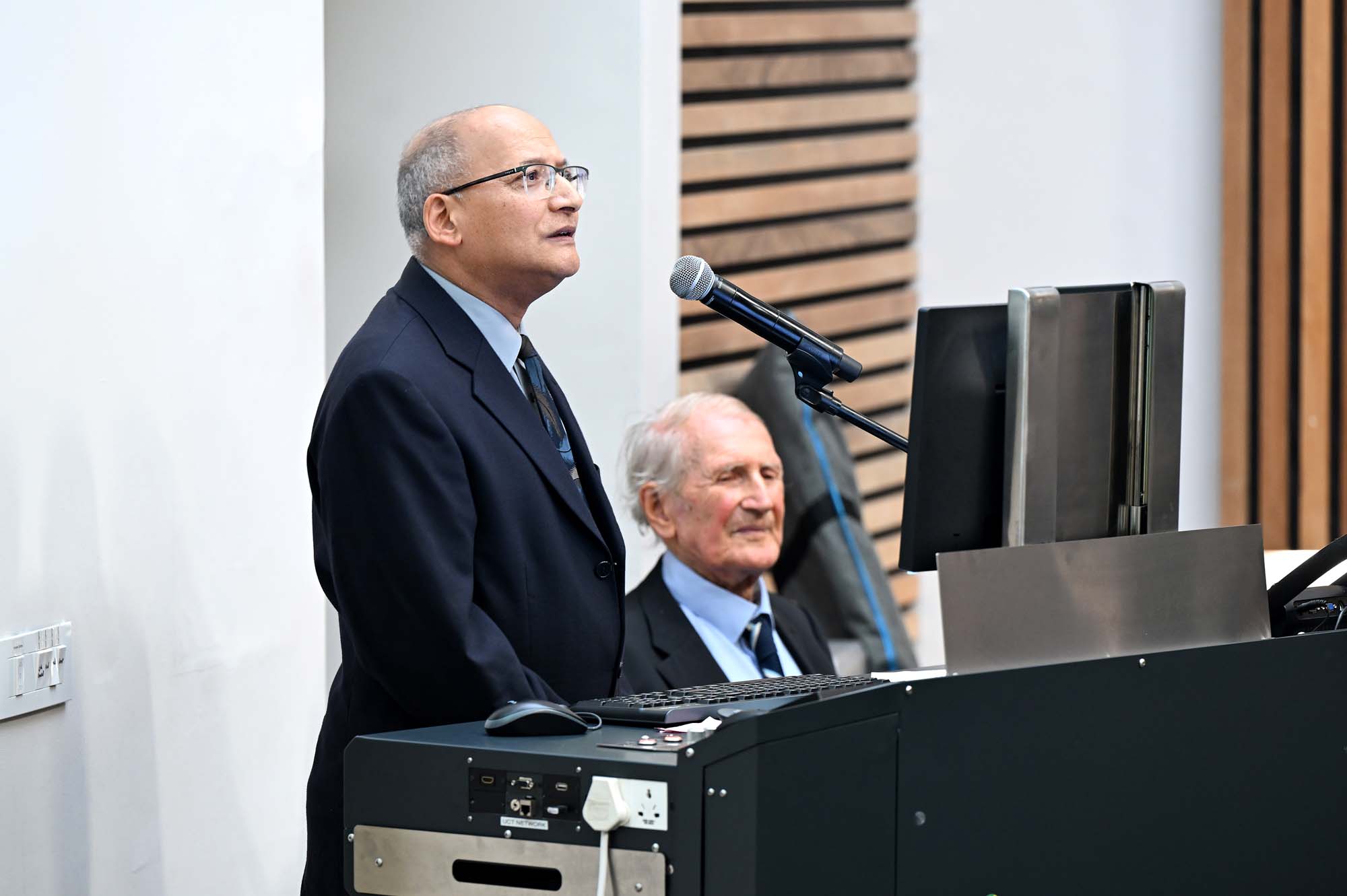
The lecture pays homage to Dr Saunders, a late University of Cape Town (UCT) vice-chancellor (VC) from 1981 to 1996, who also served as the chair and head of the Department of Medicine. The fifth instalment of the lecture was held on Wednesday, 28 January, and was delivered by Emeritus Professor Wieland Gevers. Emeritus Professor Gevers is a former deputy VC for planning and academic process at UCT.
Hosted by the Department of Medicine in partnership with the VC’s Office, Gevers’s talk was titled: “Ageing and medicine: The growing importance of better understanding this relationship”. As it got under way, he told the audience that the topic he chose to discuss is “of huge importance”. But the process of ageing is often “cloaked in vagueness and all kinds of mysteries”, even though it’s subject to extensive research efforts all over the world.
“When I was invited to give this lecture, I thought carefully about what I should talk about. And eventually I thought: I should talk about ageing because I was busy having a considerable practical experience on the topic,” Gevers said, as members of the audience chuckled. “I also thought that [the topic] is particularly interesting and extraordinarily important.”
A reminder
He reminded the audience that the world currently finds itself in the middle of the United Nations’ and World Health Organization’s Decade of Healthy Ageing (2021–2030).
Its objective, he explained, is to get people in the world to change how they think, feel and act towards age and ageism; to deliver person-centred, integrated care and primary health services that respond to the needs of older people; and to provide access to quality long-term care for older people who need it.
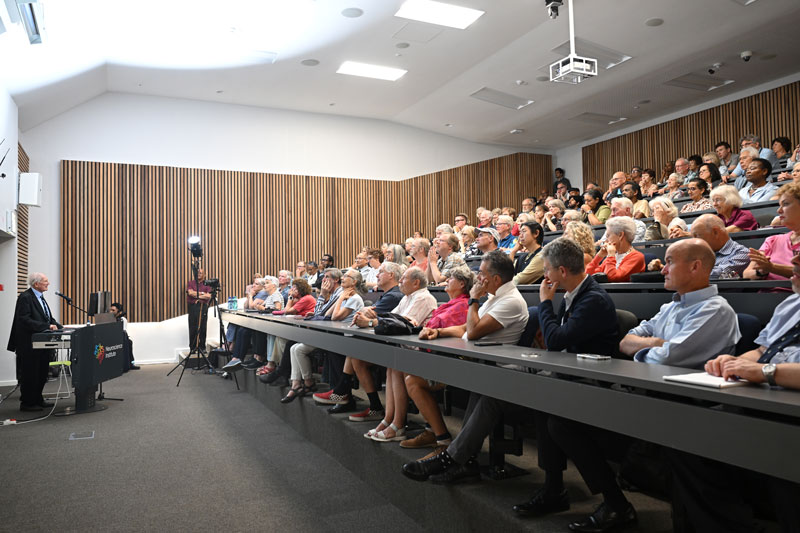
“These are very noble sentiments. But you’ll probably know that there are very few countries or regions on this earth where these are even approached in terms of aspirations. So, we have a long way to go before this can be realised,” Gevers said.
What’s clear
Gevers said one thing is clear about ageing, especially when comparing many different animal species: its general lifespan is proportional to its body mass.
And there are reasons for this, he added.
“If you are small, you are easy to kill and to eat. If you are big that’s not so easy. So, you live longer,” he said.
According to the longevity quotient, which measures how long a species lives relative to its expected lifespan, based on body mass, humans live longer than they ought to based purely on their size. The same goes for a few other animal species. Gevers said humans’ longevity quotient sits at 1.3.
How the body keeps working
But how does the human body keep functioning and thriving over time? Thanks to the body’s complex responses, it’s able to operate effectively. These responses, he said, include its unfolded protein response; stem cell-based regeneration (the process that aims to repair or replace diseased organs by utilising the self-renewal and differentiation capabilities of stem cells to grow new tissues); DNA damage response (a process activated by damaged DNA that leads to DNA repair); and immune response (the body’s defence mechanism against harmful foreign substances like bacteria and viruses).
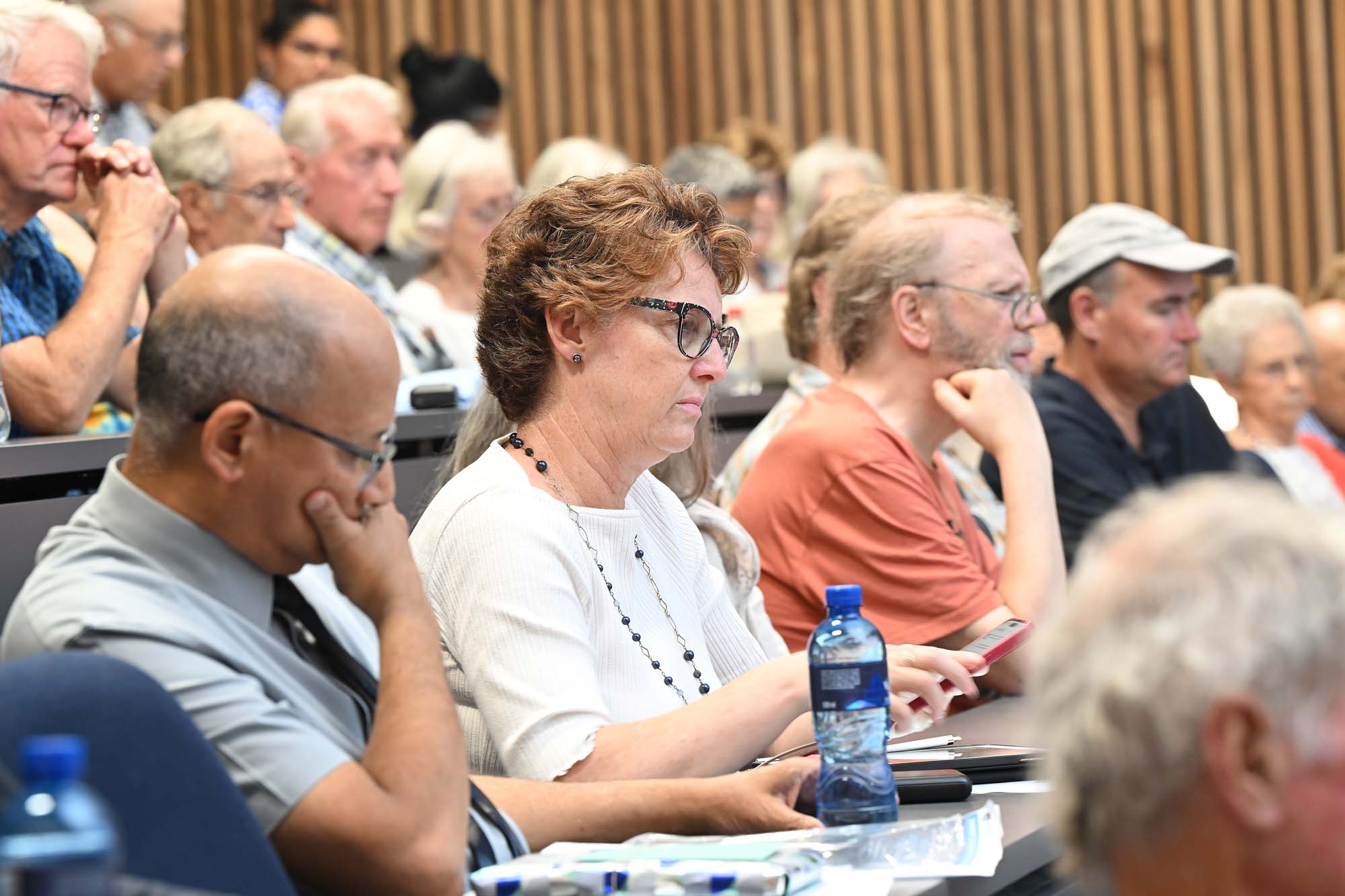
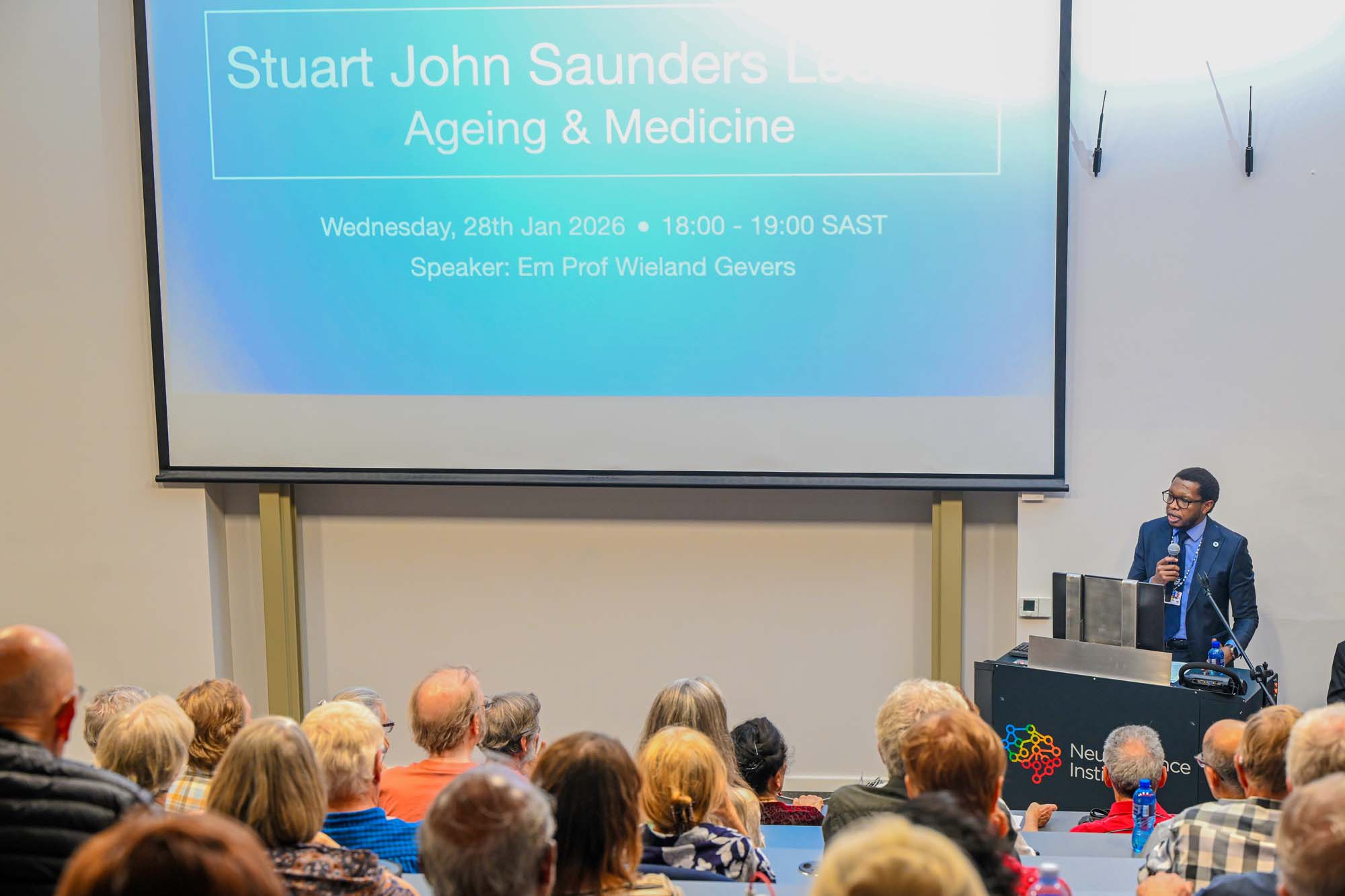
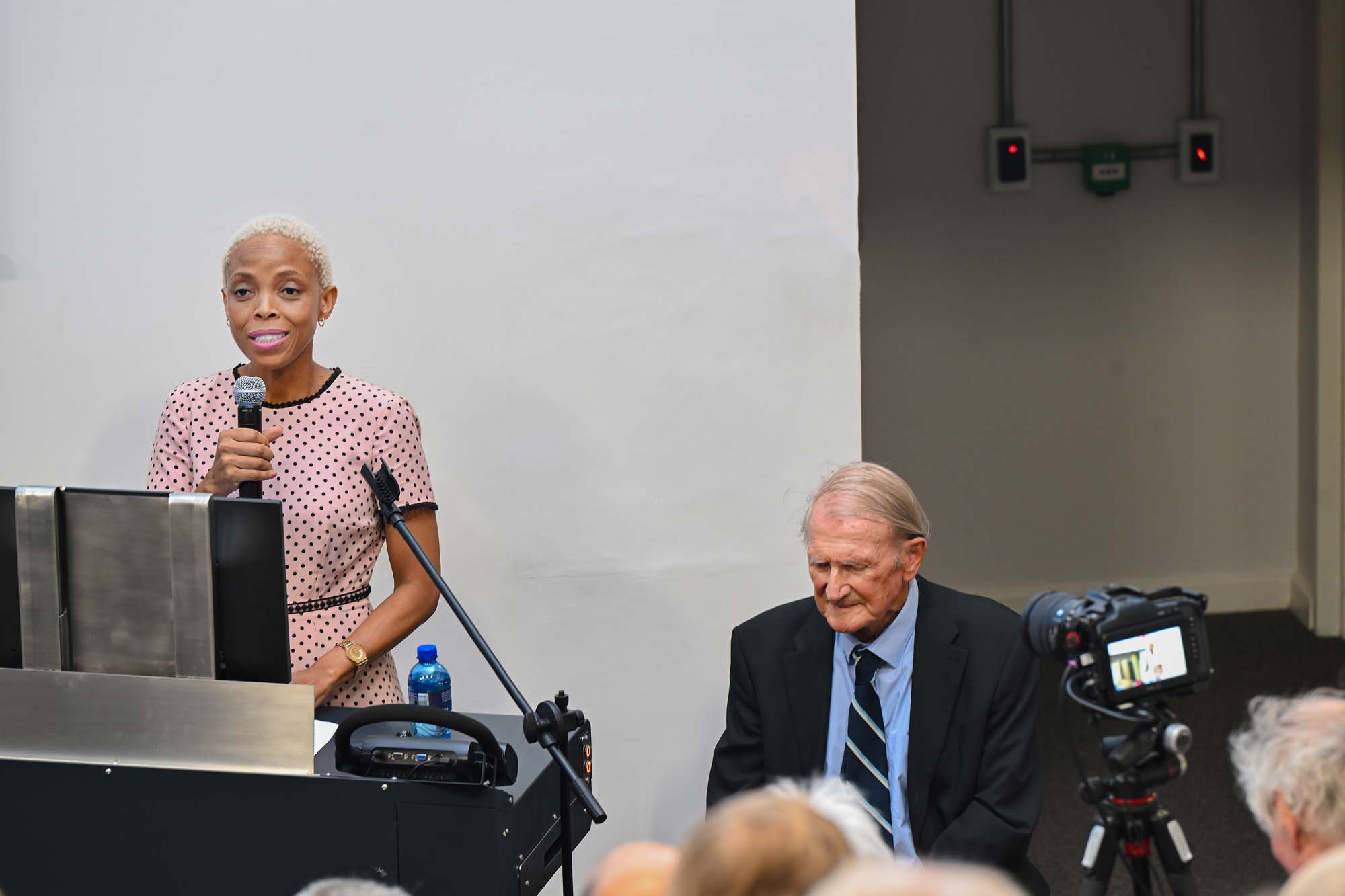
“These are all the systems we have to keep our bodies working and healthy. And so, these are the systems that make us [live] a little bit longer than these poor animals,” he said.
The effectiveness of these “maintenance systems” differs from individual to individual. Gevers said some individuals will have a good DNA response but not a very good immune response. This is often as a result of an individual’s genetic make-up, lifestyle and the environment in which they live.
“Smoking, for an example, may have an effect on a particular system,” Gevers said.
Age of geriatric medicine
As he concluded his lecture, Gevers said gerontology (the study of the biological, psychological and social aspects of ageing and older adults) and geriatric medicine (a field of medicine that focuses on the health, diagnosis, treatment and prevention of disease in older adults) are important specialisations yet are severely lacking.
He said what’s needed is ongoing training of new specialists in the field and allocating the kind of resources that could fast-track research on ageing in the country and on the continent.
“Frailty and the big picture of human ageing and death need to be understood for every elderly patient,” he concluded.
 This work is licensed under a Creative Commons Attribution-NoDerivatives 4.0 International License.
Please view the republishing articles page for more information.