
Wamkelekile, Welkom
Oxford VC calls for bold university innovation
09 March 2026 | Story Myolisi Gophe. Photos Lerato Maduna. Video Ruairi Abrahams and BK Ntsoko. Read time 10 min.
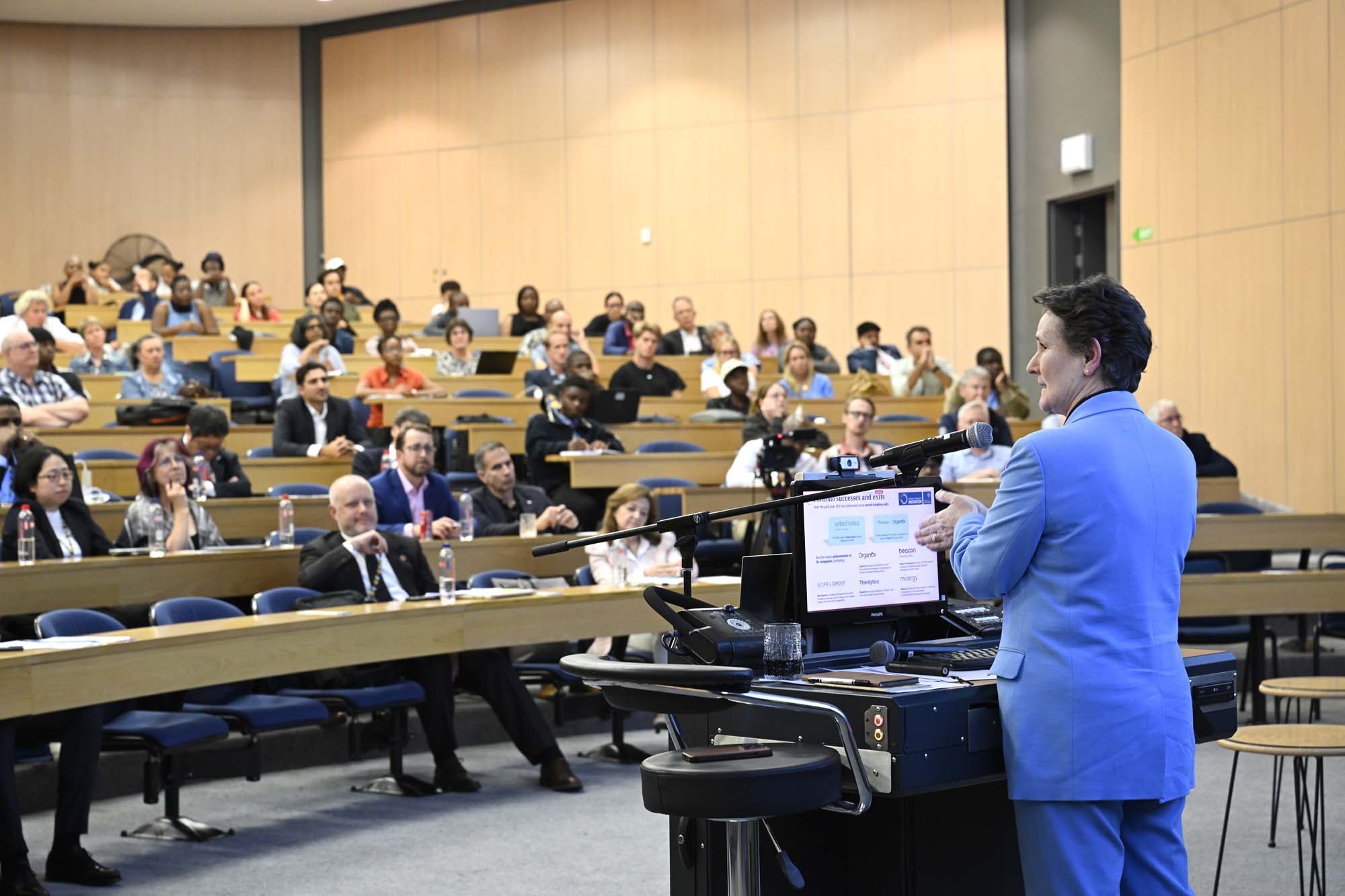
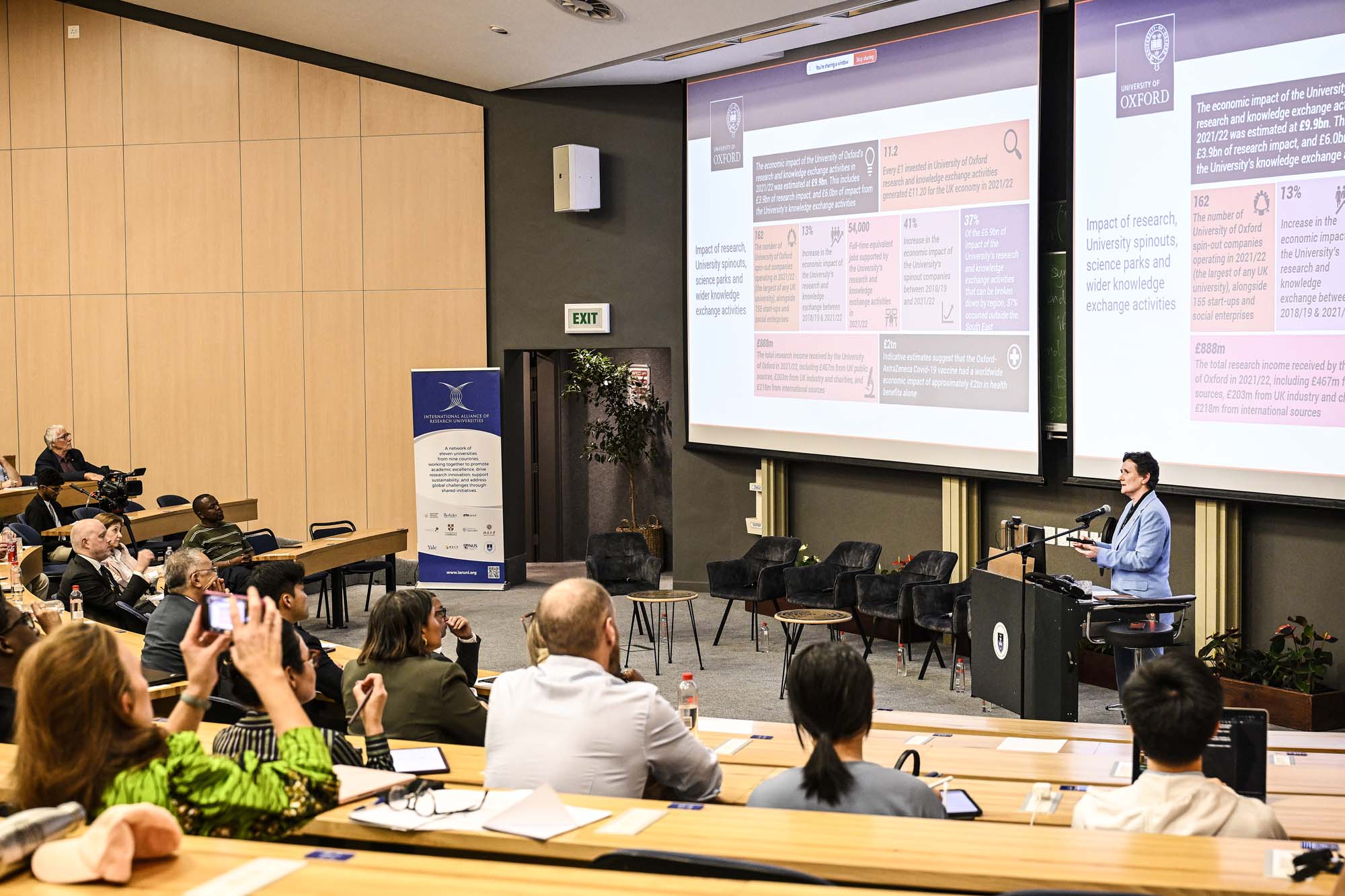
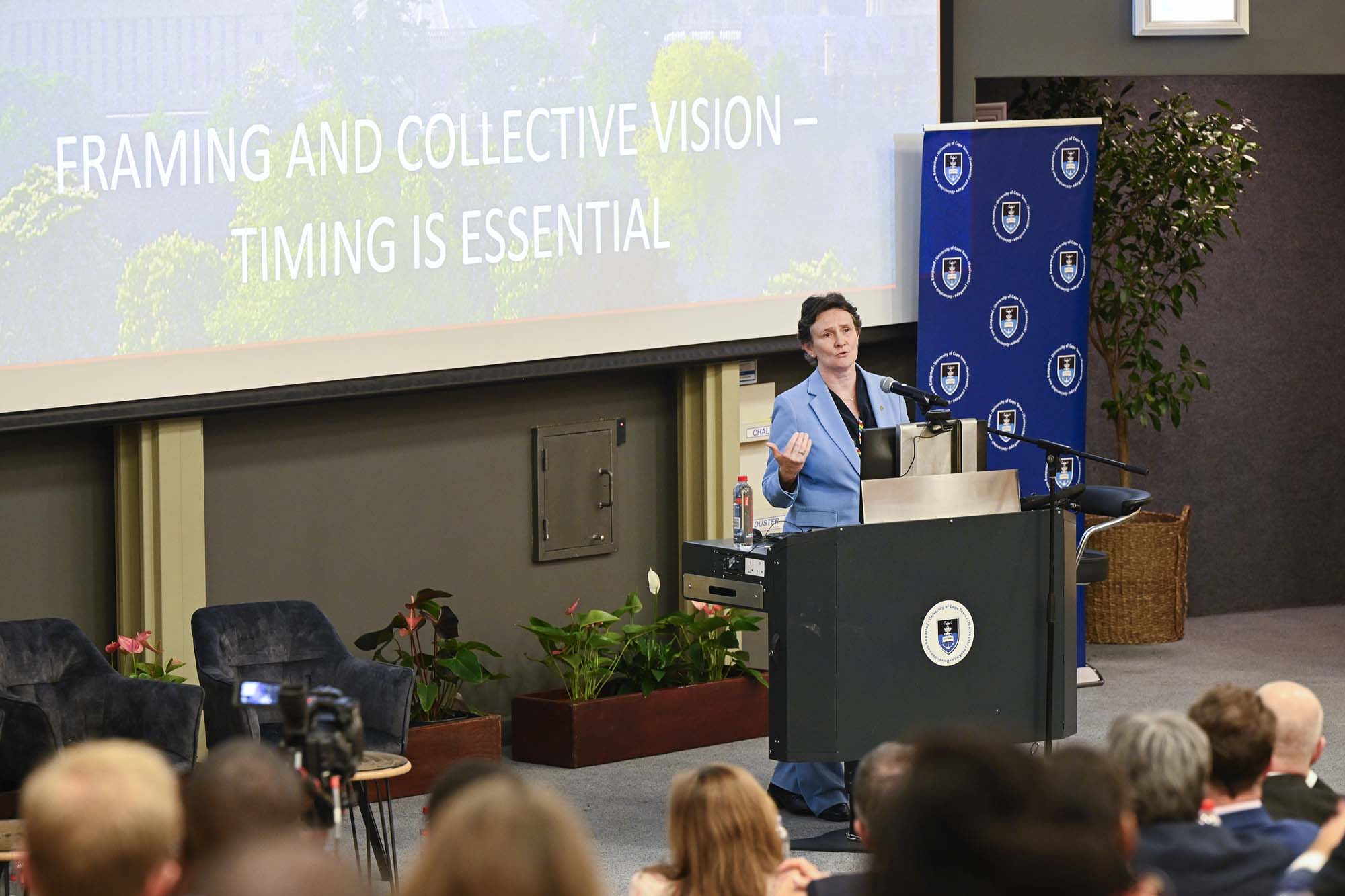
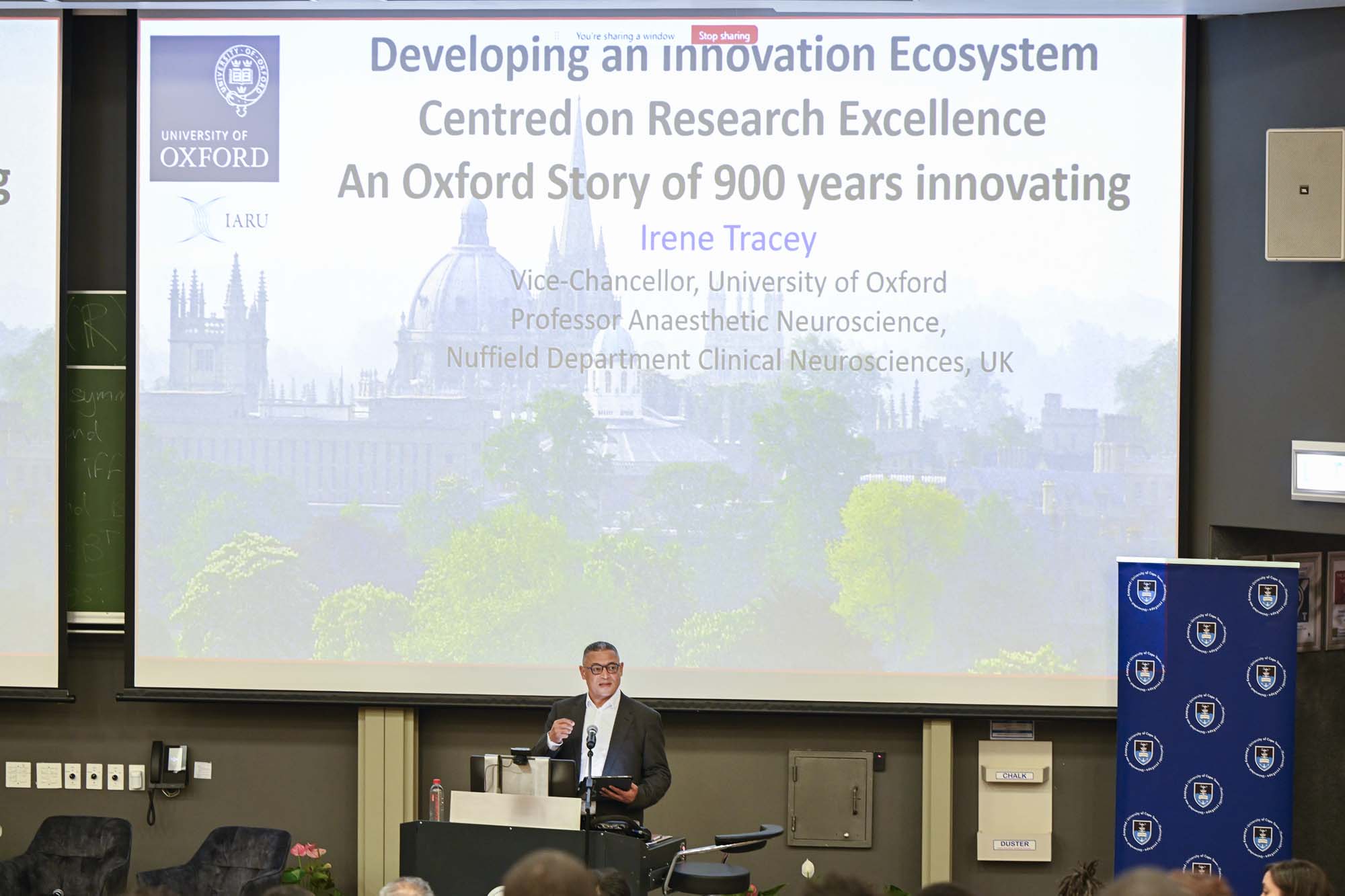
Universities must be bold, entrepreneurial and socially inclusive if they are to tackle the world’s biggest challenges and drive economic growth. That was the message from Professor Irene Tracey, the vice-chancellor (VC) of the University of Oxford, who delivered the VC’s Open Lecture at the University of Cape Town (UCT) on 5 March.
Drawing on Oxford’s experience as one of the world’s leading research universities, Professor Tracey offered a behind-the-scenes look at how universities can transform research discoveries into real-world impact through innovation ecosystems, entrepreneurial culture and strong partnerships with industry and government.
“Universities are some of the few places left where curiosity-driven research can flourish,” she told an audience. “But once discovery happens, innovation becomes the vehicle that takes that knowledge into the world.”
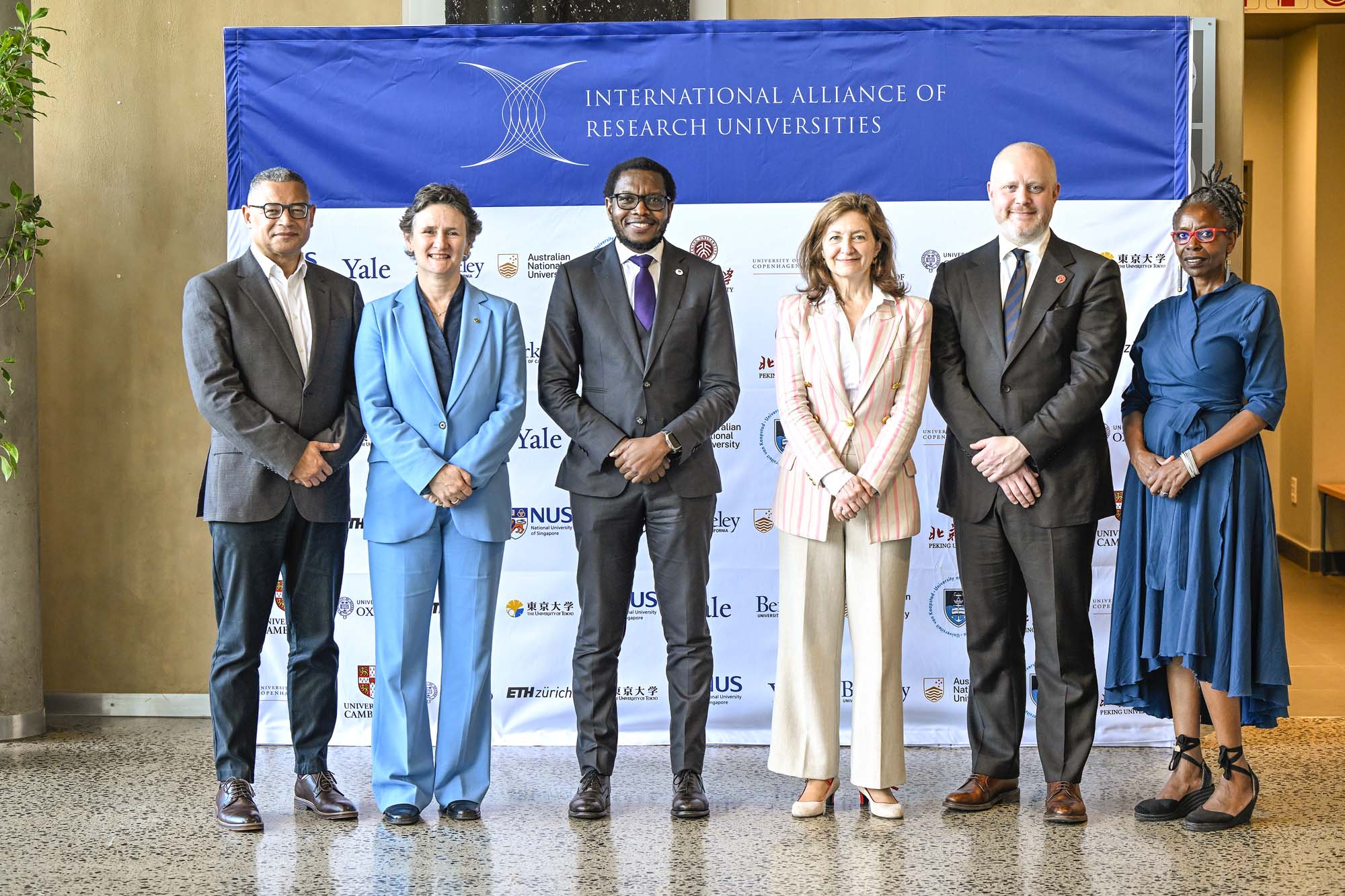
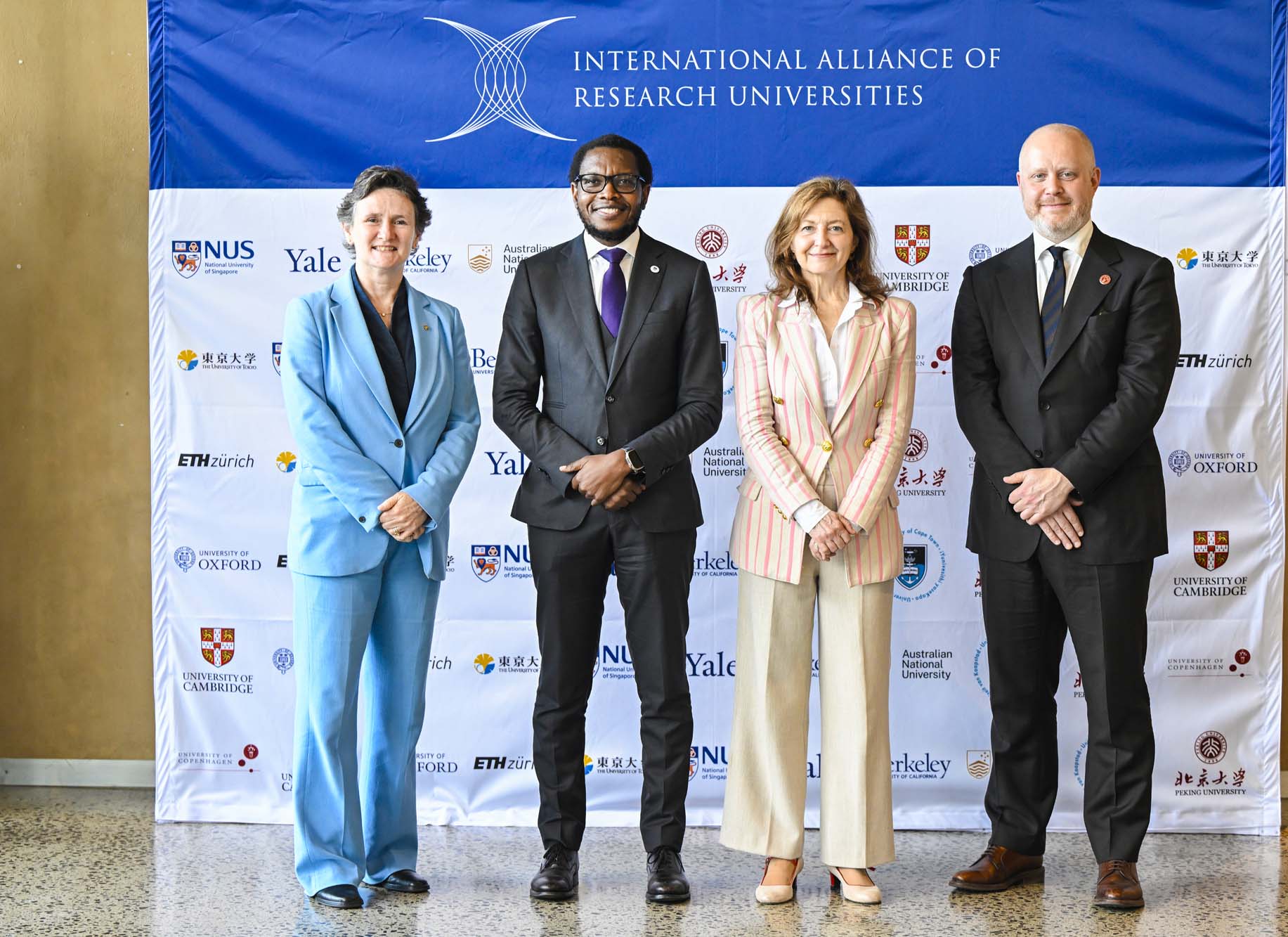
The hybrid lecture was part of a broader gathering of leaders from the International Alliance of Research Universities (IARU), a global network of 11 leading research-intensive institutions to which UCT joined more than a decade ago. It formed part of the institution’s commitment to fostering dialogue on the future of universities.
“As universities, we must learn from our peers. We want to build partnerships that help us not only catch up but lead in areas that matter for our society.”
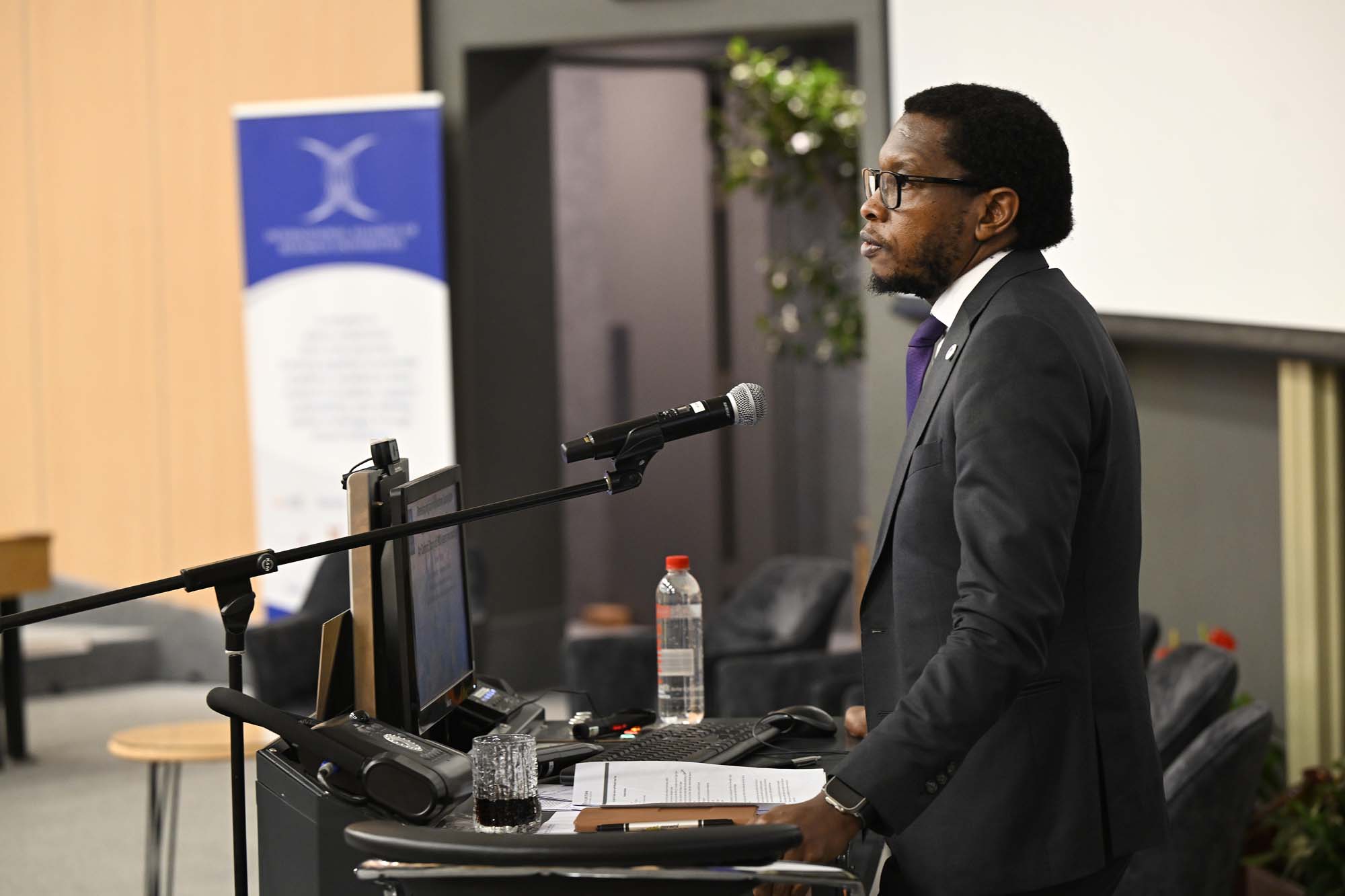
Welcoming guests, UCT VC Professor Mosa Moshabela highlighted the importance of learning from international partners as the university seeks to strengthen its own innovation ecosystem.
“As universities, we must learn from our peers,” Professor Moshabela said. “We want to build partnerships that help us not only catch up but lead in areas that matter for our society.”
A key theme of Tracey’s lecture, titled “Framing and Collective Vision – Timing is Essential”, was how universities can create environments that help ideas move beyond the laboratory and into society.
At Oxford, innovation has accelerated dramatically in recent years, with the university producing dozens of spin-out companies annually. Many begin as student or researcher ideas showcased at entrepreneurship competitions and innovation celebrations hosted by the university.
“Every year we celebrate these ideas and give prizes,” she said. “Some become start-ups, some don’t – but what matters is that you’re creating a culture.”
That culture has been reinforced by initiatives across the university. One example is the decision by one of Oxford’s oldest colleges, Christ Church, to convert a property into an entrepreneurship hub where students can meet investors, alumni and mentors.
“When one of your 500-year-old colleges decides to donate a building for entrepreneurship, you know something has shifted,” Tracey said. “It becomes a watershed moment where everyone sees innovation as part of what a university naturally does.”
Prominent alumni and investors regularly visit the hub to share their experiences with students, helping to inspire the next generation of founders.
Research with global impact
Tracey emphasised that innovation does not diminish the importance of fundamental research; rather, it helps ensure that discoveries reach the people who need them most.
She pointed to the development of the Oxford–AstraZeneca COVID-19 vaccine during the global response to the pandemic as one of the clearest examples of university research translating into societal impact.
Developed by Oxford scientists in partnership with AstraZeneca, the vaccine was distributed worldwide, including in many developing countries, helping to save millions of lives.
“That is the power of a research-intensive university,” Tracey said. “When the world faces a crisis, universities step forward with the knowledge that helps society move forward.”
Oxford’s innovation ecosystem, she explained, relies on partnerships among researchers, investors, entrepreneurs and policy makers. Technology transfer offices, investment funds and entrepreneurship programmes help translate discoveries into companies and new industries.
“Sometimes researchers simply need a small amount of funding to test an idea,” Tracey said. “Once you unlock that early-stage support, you can unleash extraordinary innovation.”
Tackling gender gaps in entrepreneurship
Tracey also spoke candidly about persistent inequalities in the innovation landscape – particularly the underrepresentation of women founders.
“When I began looking closely at the data, I was shocked,” she said. “Women were barely founders, barely on founding teams, and the funding they received was noticeably smaller.”
In response, Oxford established a programme called Increasing Diversity in Enterprising Activities (IDEA), designed to support women academics and students who want to become entrepreneurs.
The initiative focuses on mentorship, visible role models and practical support to remove barriers to participation.
The results have been significant. While the United Kingdom (UK) average for women founders in university spinouts is about 19%, Oxford has increased that share to roughly 37%.
“We said: Don’t repeat the mistakes we made 20 years ago. Learn from them.”
“It’s still not 50%,” Tracey said. “So, we must keep pushing. But it shows that relatively small interventions – creating spaces, building confidence and providing role models – can make a real difference.”
Tracey also reflected on national efforts to strengthen the UK’s innovation economy.
She recently co-led a government-commissioned review of university spin-out companies with venture capitalist Andrew Williamson. The review was requested by the UK Treasury amid debate about whether universities were taking too large an ownership stake in start-ups.
Rather than escalating tensions between investors and universities, the review engaged stakeholders across the ecosystem to develop practical solutions.
“We said: Don’t repeat the mistakes we made 20 years ago,” Tracey explained. “Learn from them.”
The review recommended more flexible equity arrangements for spinouts, standardised licencing agreements and greater collaboration between universities so that institutions do not have to build expensive technology-transfer systems independently.
All 11 recommendations were accepted by the government, and about 80 UK universities have begun implementing them.
“The idea was to help universities fast-track their innovation capabilities rather than spend a decade figuring it out,” Tracey said.
Innovation ecosystems take time
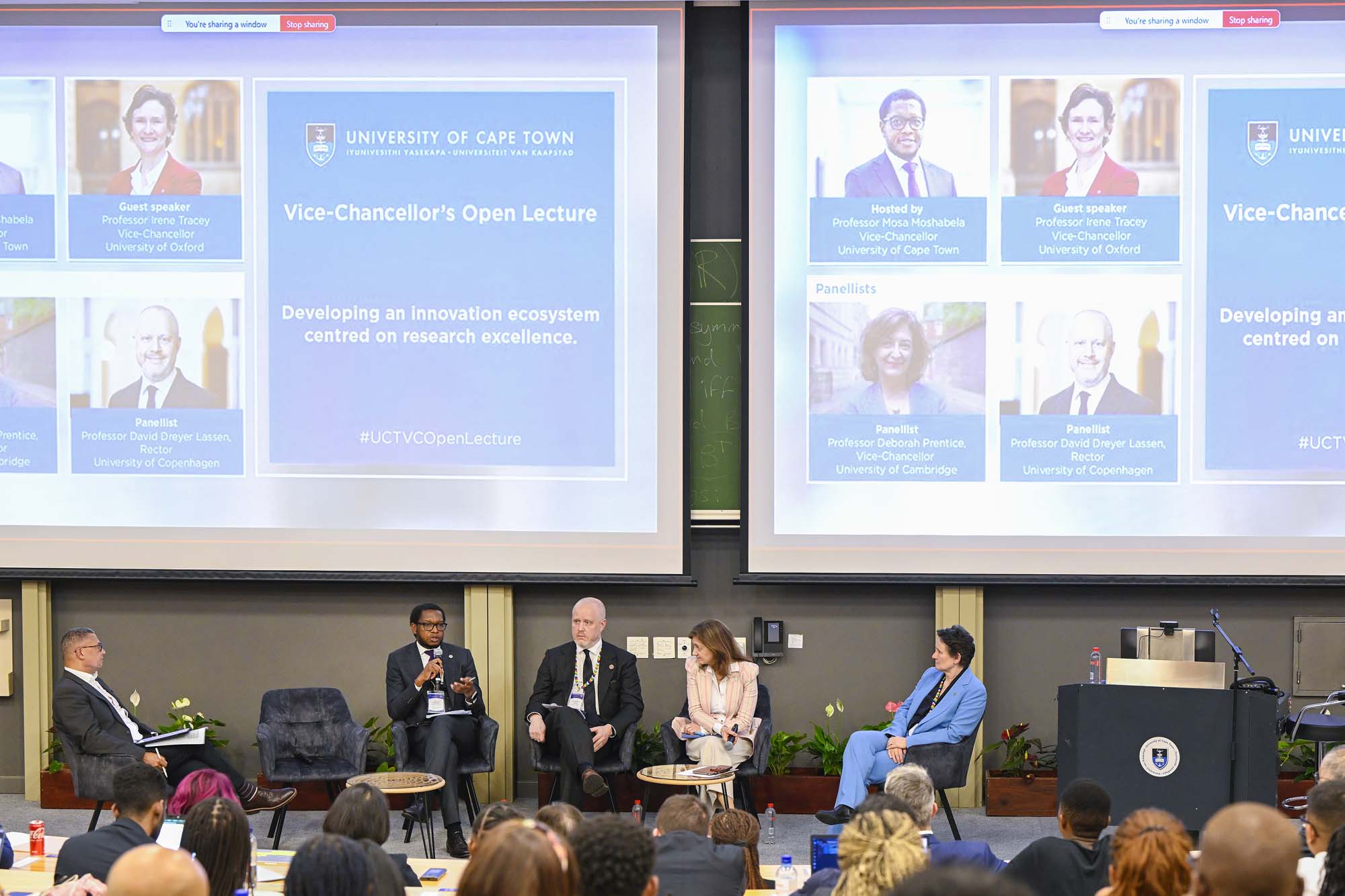
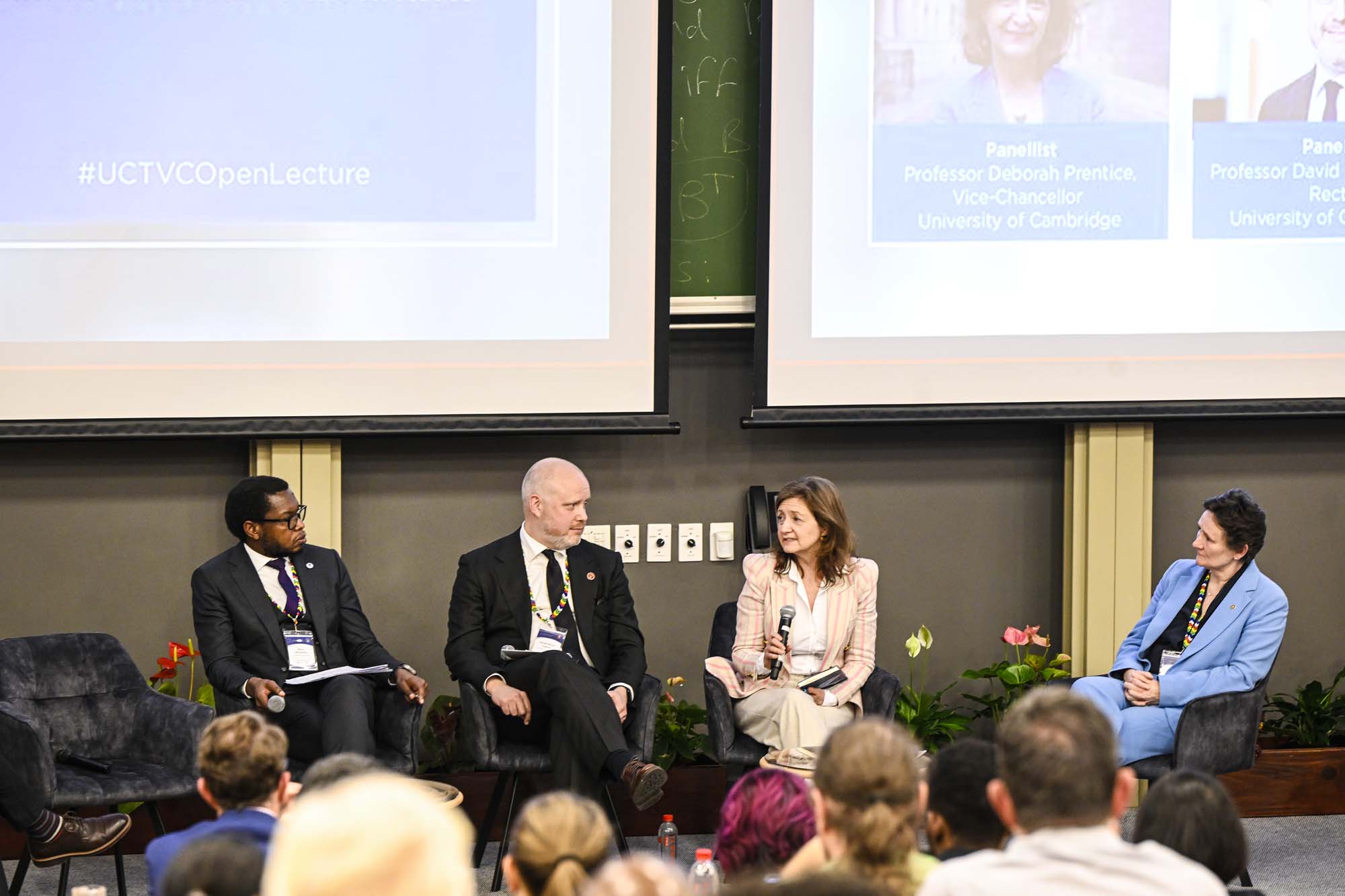
The lecture was followed by a panel discussion and question-and-answer session moderated by urban scholar Professor Edgar Pieterse and chaired by Moshabela. Joining Tracey were Professor Deborah Prentice of the University of Cambridge and Professor David Dreyer Lassen of the University of Copenhagen.
The discussion explored how universities around the world are building innovation ecosystems – and how institutions such as UCT might strengthen their role in driving inclusive growth.
Professor Lassen reflected on how universities sometimes struggle to shift academic culture toward innovation.
“In many places there is still a perception that innovation somehow takes effort away from research,” he said. “But if you look at the most innovative universities in the world – Oxford, Cambridge, Stanford or MIT – they are also the strongest research institutions.”
He argued that innovation should be understood as another form of disseminating research.
“It’s about enabling researchers to do what they do best and ensuring their discoveries can reach society.”
To illustrate the point, Lassen shared a Danish example involving the pharmaceutical giant Novo Nordisk. A discovery made decades ago by a university professor ultimately led to breakthroughs in diabetes and weight-loss treatments that now play a major role in Denmark’s economy.
“It started with a small pot of research funding and a professor’s curiosity,” he said. “Today, that company contributes enormously to jobs, economic growth and tax revenue.”
For universities, Lassen suggested, the goal should not necessarily be financial returns but societal impact.
“It’s about enabling researchers to do what they do best and ensuring their discoveries can reach society.”
Professor Prentice emphasised that innovation ecosystems often grow organically rather than through rigid planning.
At Cambridge, she said, entrepreneurship emerged gradually through a combination of scientific talent, student creativity and examples of successful innovators.
“We had brilliant scientists and engineers, lots of postgraduate students and a huge amount of intellectual freedom,” she said. “And over time, people began to create companies.”
One famous example is Ray Dolby, who developed pioneering audio technology while working as a postgraduate student at Cambridge before founding Dolby Laboratories.
Equally important, she said, is permitting students to explore entrepreneurial paths.
“Postgraduate students often assume their supervisors expect them to become academics,” Prentice explained. “But once they realise that founding a company is also a valued way of contributing to society, they begin to explore those opportunities.”
She also noted that African students studying at Cambridge often display particularly strong entrepreneurial drive.
“They know they may return to places where infrastructure is limited,” she said. “So, they develop a strong motivation to create solutions themselves.”
Innovation and inequality
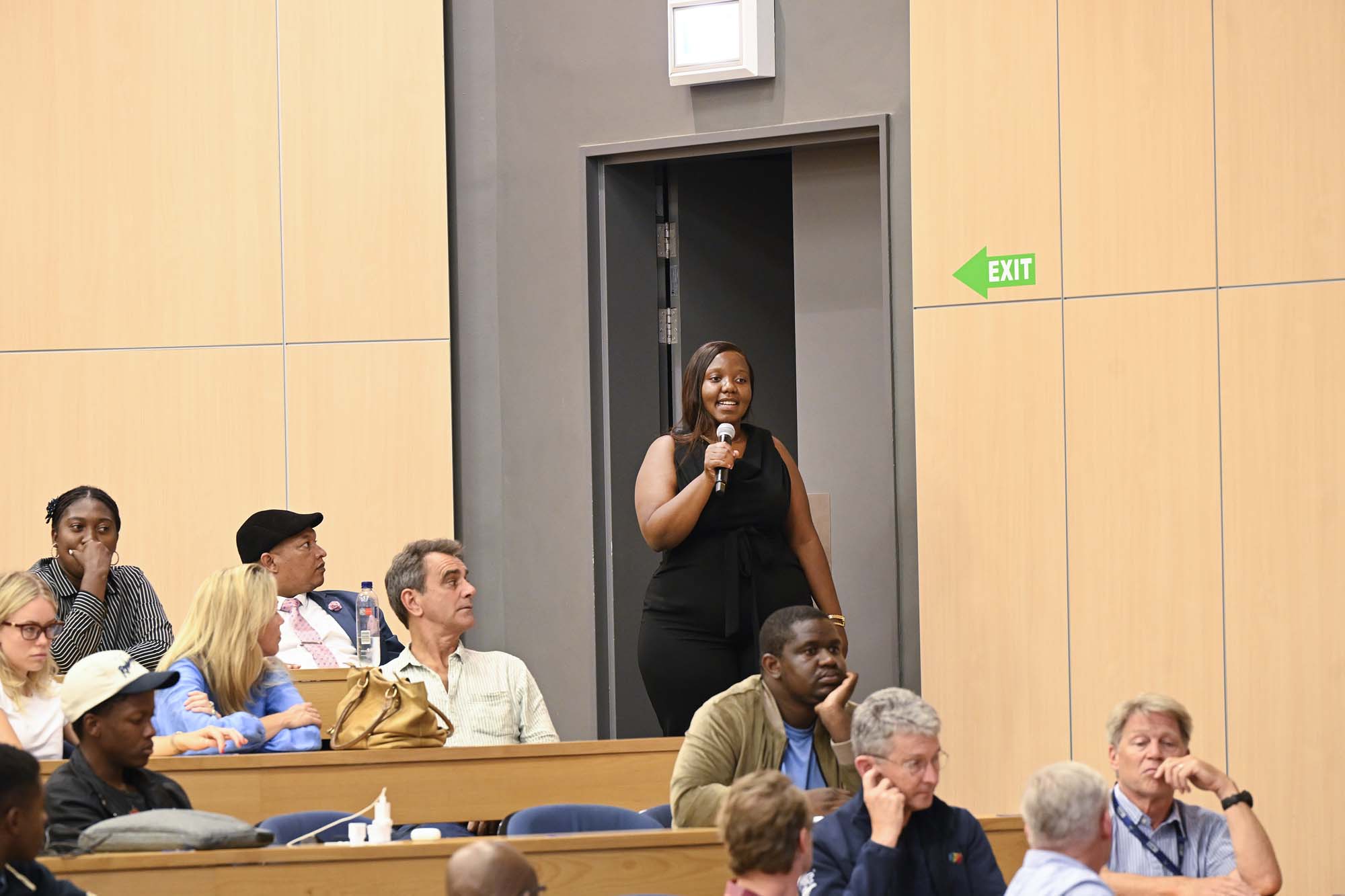
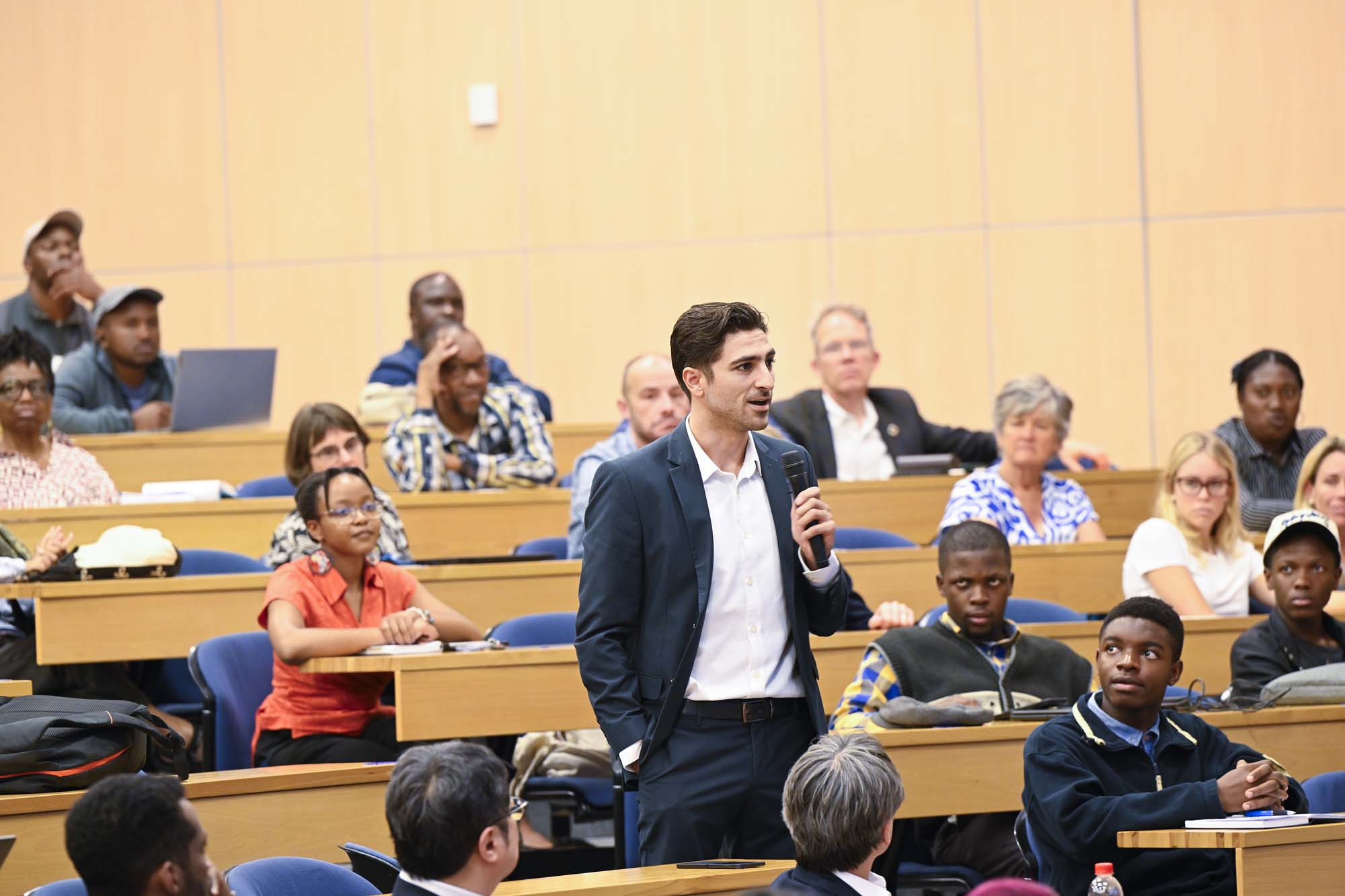
Questions from the audience also turned to the challenge of ensuring that innovation benefits broader society rather than deepening inequality.
Prentice warned that innovation-led growth could fail if communities feel excluded.
“Inequality is the enemy of innovation,” she said. “If communities feel excluded from the benefits of growth, they won’t support the innovation ecosystem you’re trying to build.”
Universities, therefore, need to involve communities directly in innovation initiatives and ensure that research-driven growth creates opportunities for residents.
Lassen added that universities must also consider the social footprint of innovation districts, noting that partnerships with municipalities can help ensure that housing, public spaces and services remain accessible.
“Cape Town has extraordinary potential. But building a true innovation ecosystem takes decades.”
“Otherwise, innovation districts can quickly become gentrified spaces that push communities out,” he warned.
For Moshabela, the conversation resonated strongly with UCT’s ambitions to expand its innovation ecosystem as part of the university’s “fourth mission” of innovation and entrepreneurship.
He noted that UCT already has dozens of spin-out companies created by alumni and researchers, but many operate outside the university’s formal support structures.
“We have incredible talent and ideas,” he said. “But many of those innovators end up building their companies elsewhere because the ecosystem that supports them is stronger there.”
Developing that ecosystem locally, he argued, will require collaboration between universities, industry and government.
“Cape Town has extraordinary potential,” Moshabela said. “But building a true innovation ecosystem takes decades.”
 This work is licensed under a Creative Commons Attribution-NoDerivatives 4.0 International License.
Please view the republishing articles page for more information.