
Wamkelekile, Welkom
Information warfare
26 January 2026 | Story Kamva Somdyala. Photos Lerato Maduna. Read time 3 min.
In a world where headlines scream louder than facts and viral posts outrun the truth, knowing how to spot fake news is not a luxury – it is essential.
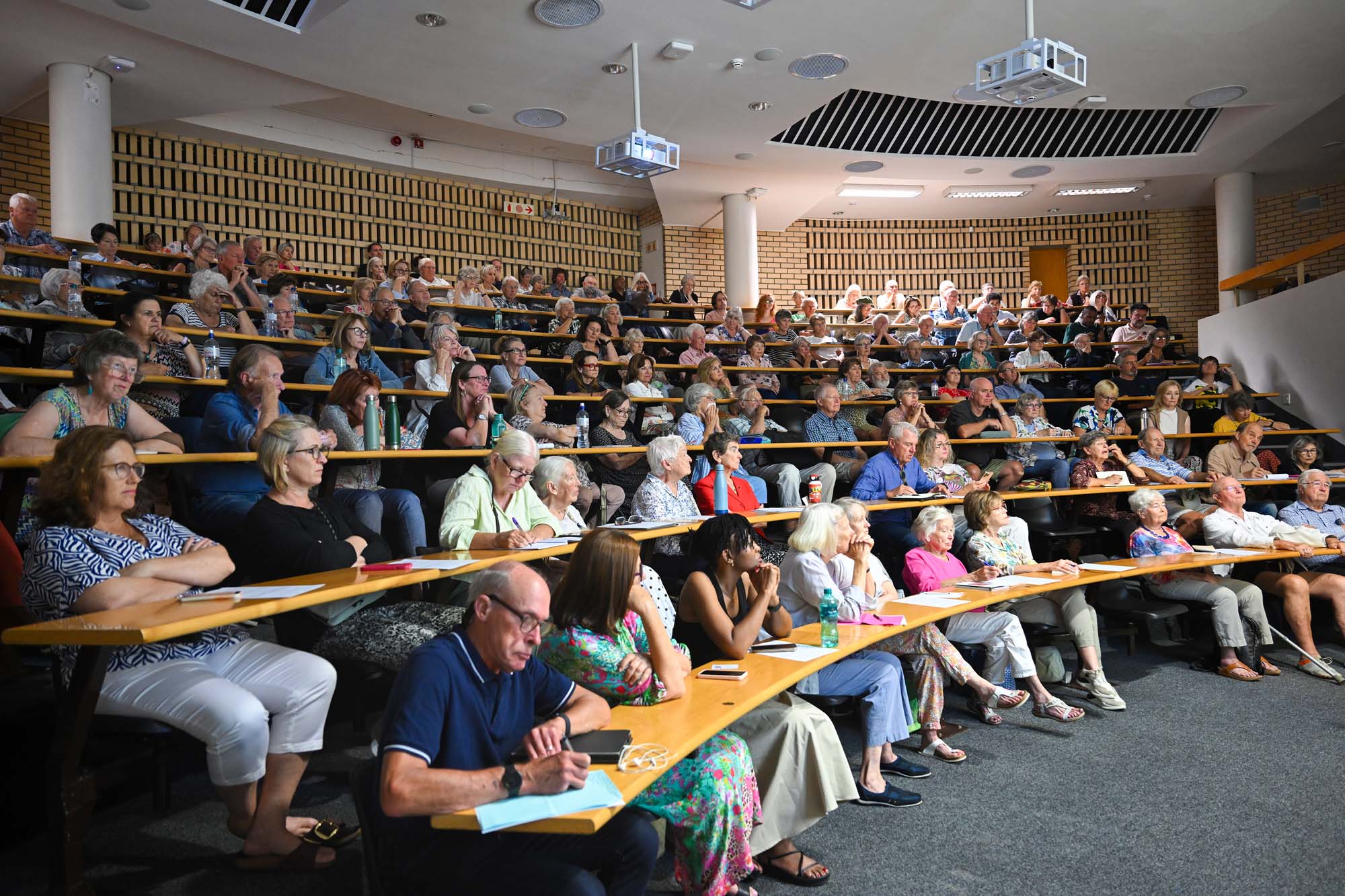
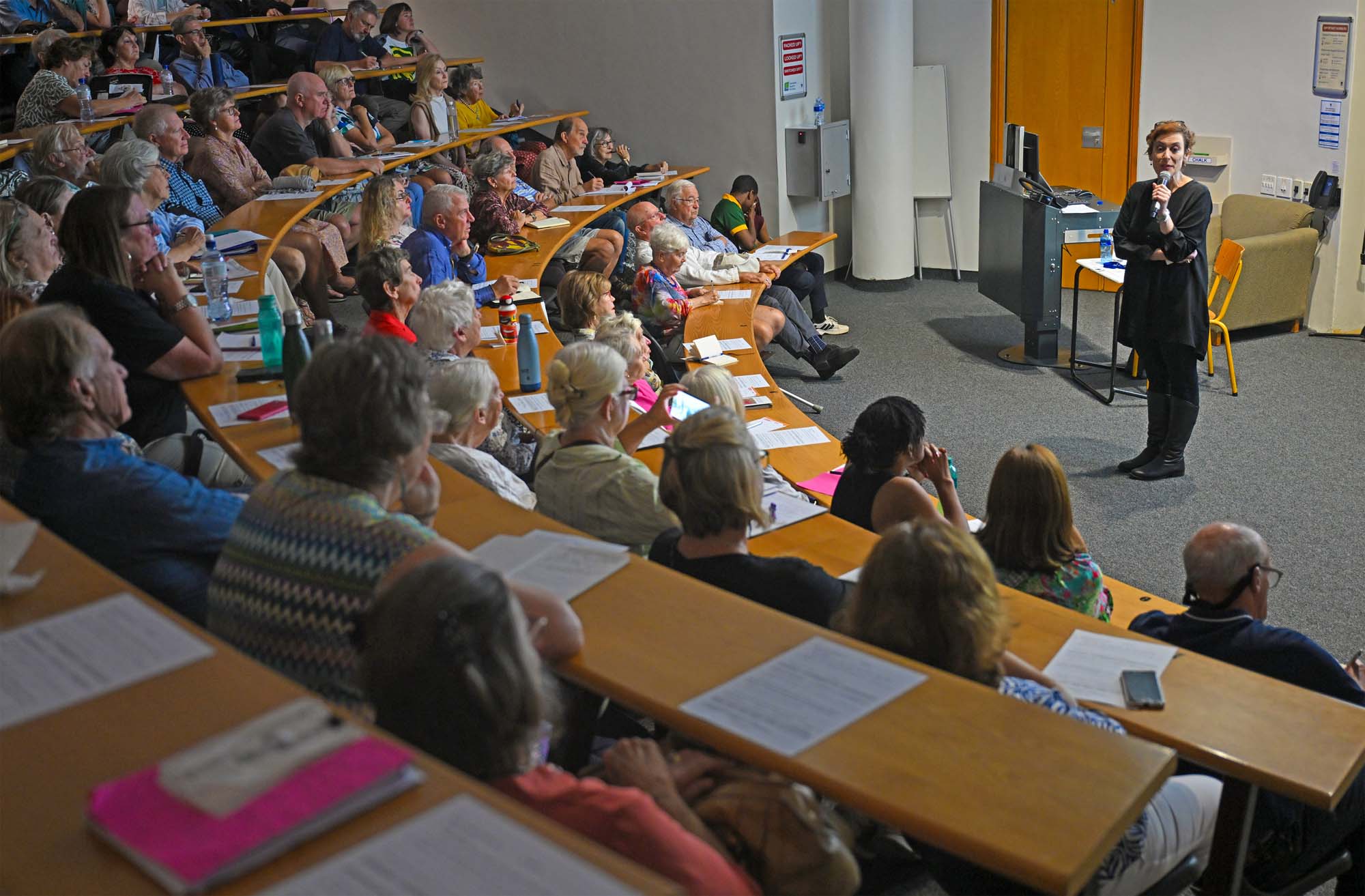
This was the stirring backdrop of media trainer and war correspondent Paula Slier’s University of Cape Town (UCT) Summer School lecture, titled “Clickbait, chaos and credibility: how to spot fake news”. It was a topic that resonated with many as the lecture hall burst at the seams with attendees. Slier centred the talk around the systems behind not only fake news, but news in general.
“You are in a war – not a physical one – and that war has arrived on your phones, computers and laptops. You might not realise it, but all of us are in that war. It’s an online war and if you’re confused and exhausted, that is how we want you to feel,” Slier said.
There is a three-pronged approach to this, and it consists of the body, heart and mind. “Everything in the media is about emotion. It’s not that facts do not matter, but facts matter a lot less than how we make you feel,” she explained. “That is how false information spreads. It doesn’t have to be true or false for you to stop and think about it – it just must make you feel something. The more we make you feel, the more we win the fight.”
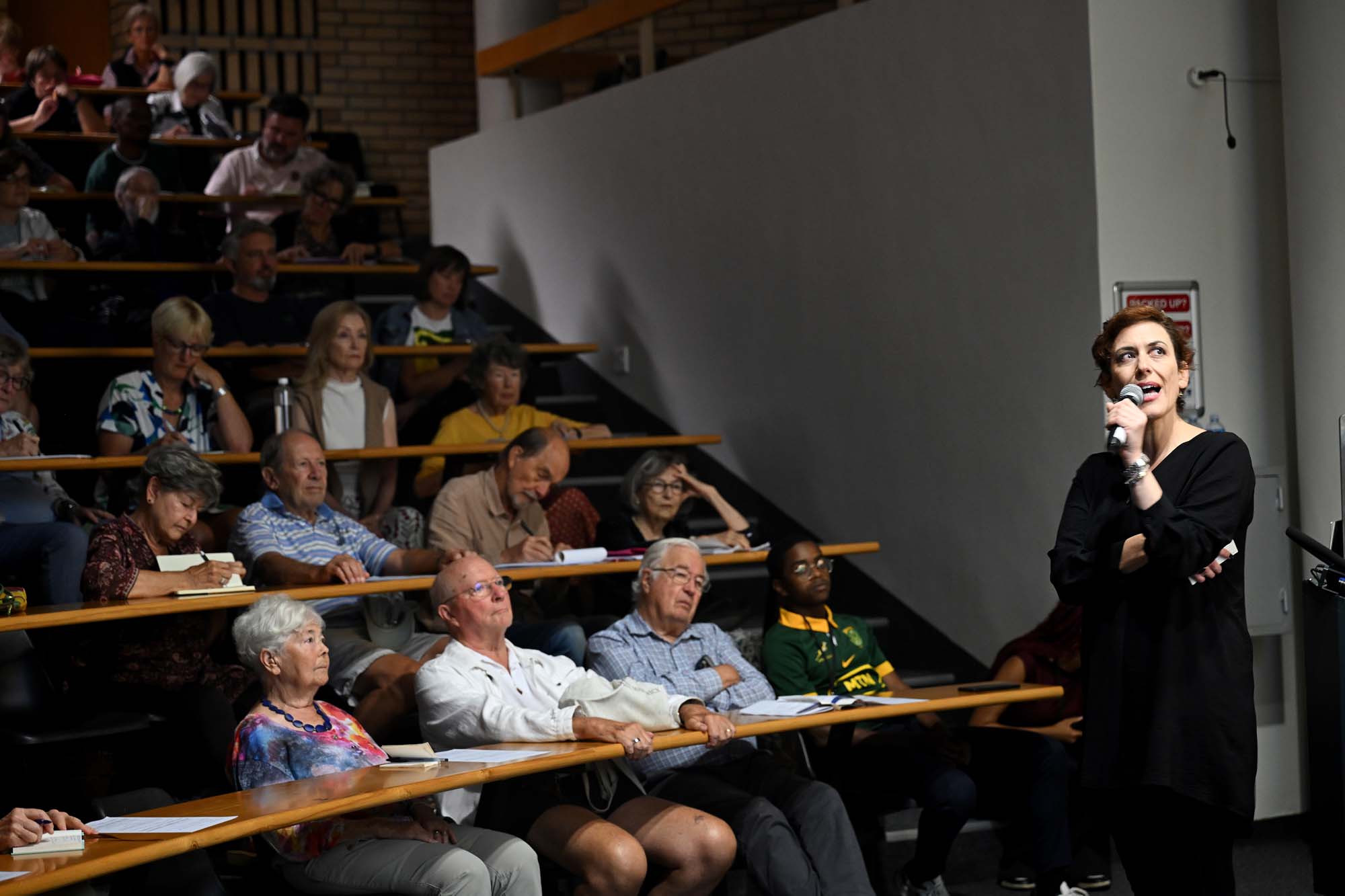
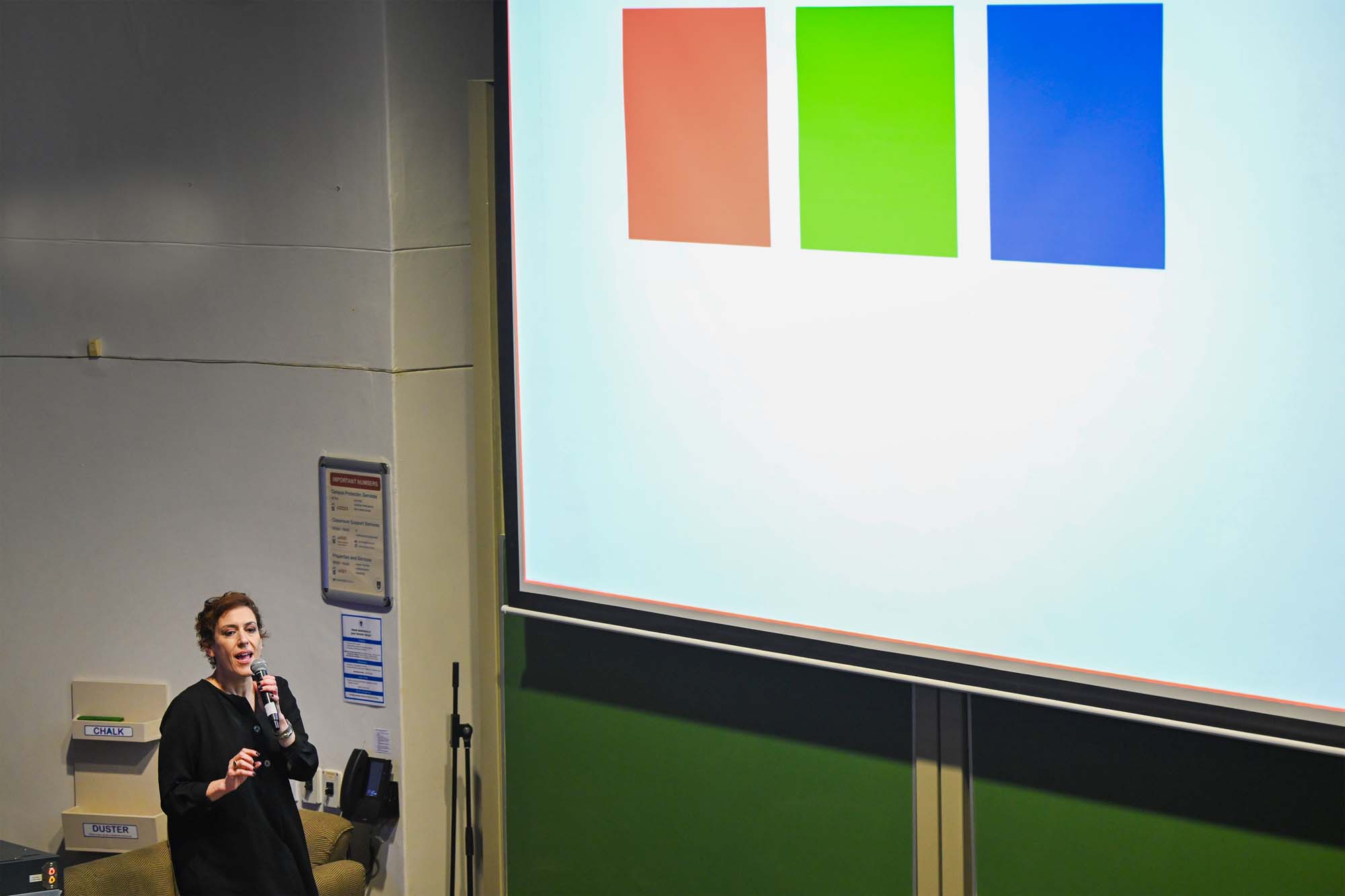
Slier added: “The second bit is persuasion – we can persuade you, through your mind, to think what we want you to think. The question is not how you know whether something is true; rather, it is who wants you to believe this. That’s persuasion.”
The third consideration, according to Slier, is how everyone is feeling – confusion and exhaustion – which leads people to ponder, “What is real?” This question has rapidly escalated due to artificial intelligence (AI), which has contributed to the chaos.
This leads to an information warfare cycle which begins at identity affirmation and ends with moral confusion. “Identity affirmation is that we want you to feel part of our club and that only happens through emotional manipulation,” she said. Slier used Donald Trump as an example of a master emotional manipulator to stress the point.
“He does not need you to like him. In fact, he doesn’t care that you don’t like him, but he knows which buttons to push. When you feel angry at something you read or your emotions take over – pause. If you don’t pause, amplification happens.”
Amplification leads to narrative control which is followed by the latest frontier of reality destabilisation. This is rising in the age of AI and deep fakes. “We are now coming full circle as all the themes lead us to have control of your cognitive abilities – and it leads to moral confusion. That’s why you are all exhausted and that’s why you all don’t know what to believe.”
Take control
Slier continued: “We are all in this online war zone where we do not know what to believe and AI is getting more advanced. Understand what is happening to your emotions – whether its anger, outrage or excitement – stop and pause,” said Slier. “When it comes to narrative control and persuasion thinking, remember to ask: Who wants me to believe this? And if you pause with the question, you might be slower to reshare. Number three is confusion: It’s a sense of reality wondering: How do I know if this is true?
“We don’t know where information warfare is going. To know that information is true takes time, and it means triple checking every bit of news you read, which is hard. Don’t give up on the information. Come back to yourself, take control of your emotions and thoughts and in that way, you won’t lose the information war zone.”
 This work is licensed under a Creative Commons Attribution-NoDerivatives 4.0 International License.
Please view the republishing articles page for more information.