
Wamkelekile, Welkom
Scholars and media voices reimagine ‘Imvo Zabantsundu’
19 March 2026 | Story Myolisi Gophe. Photo Je’nine May. Read time 8 min.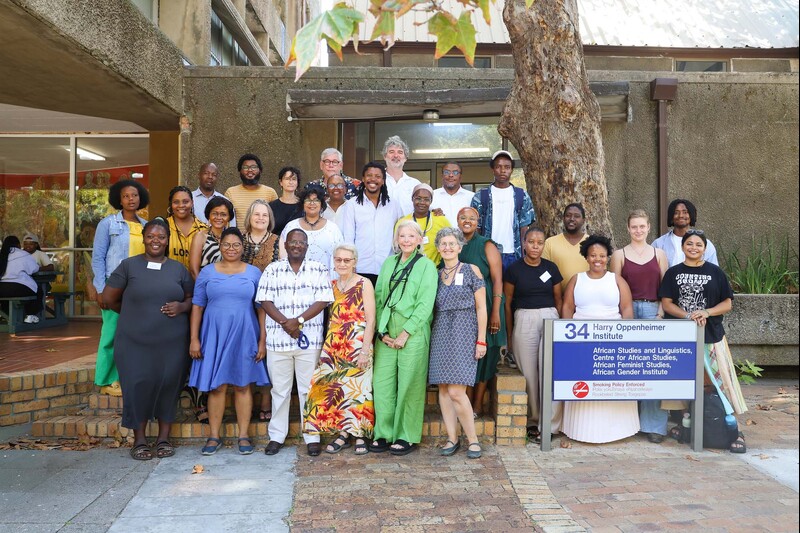
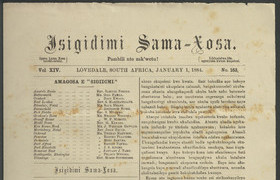
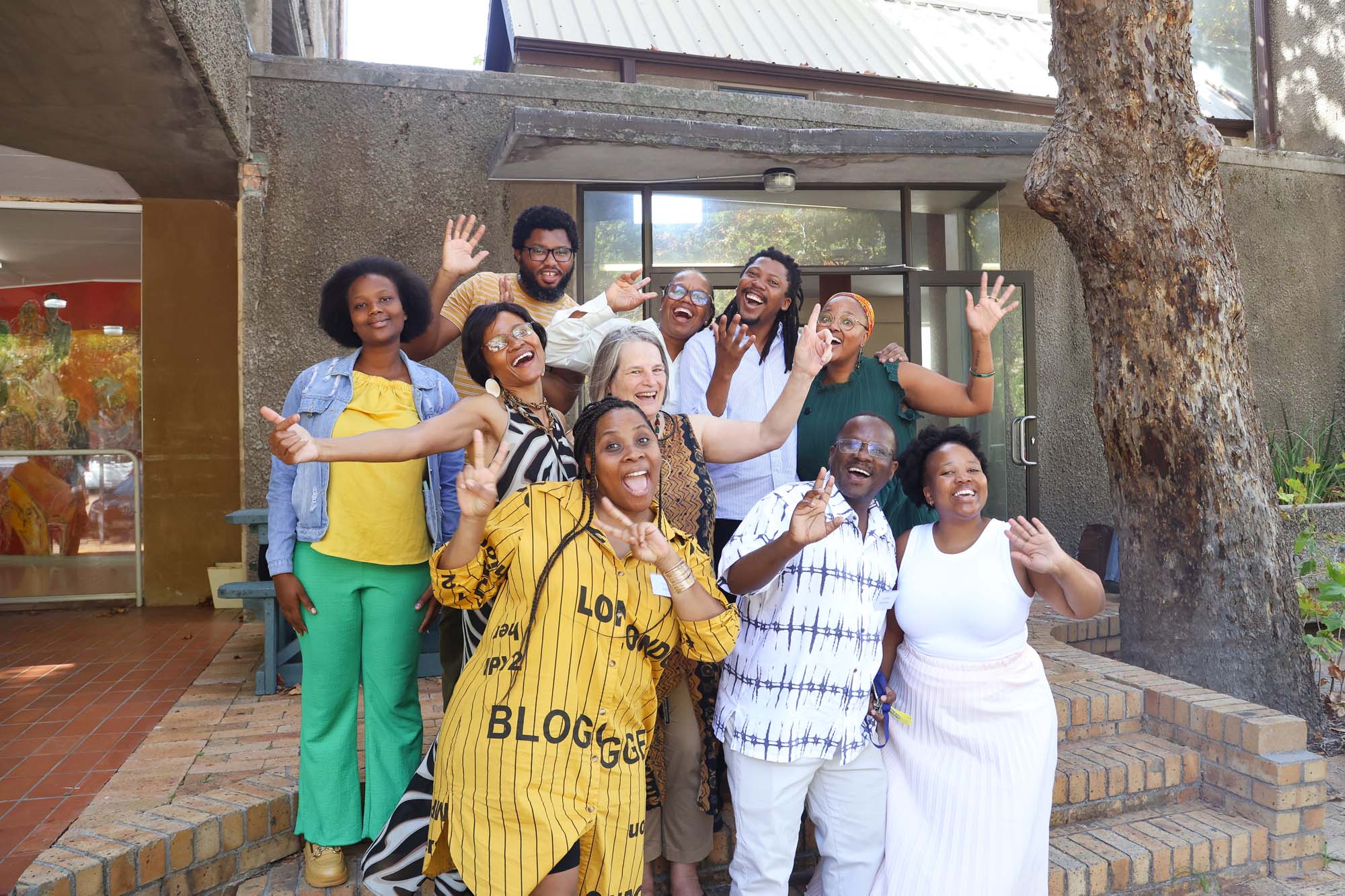
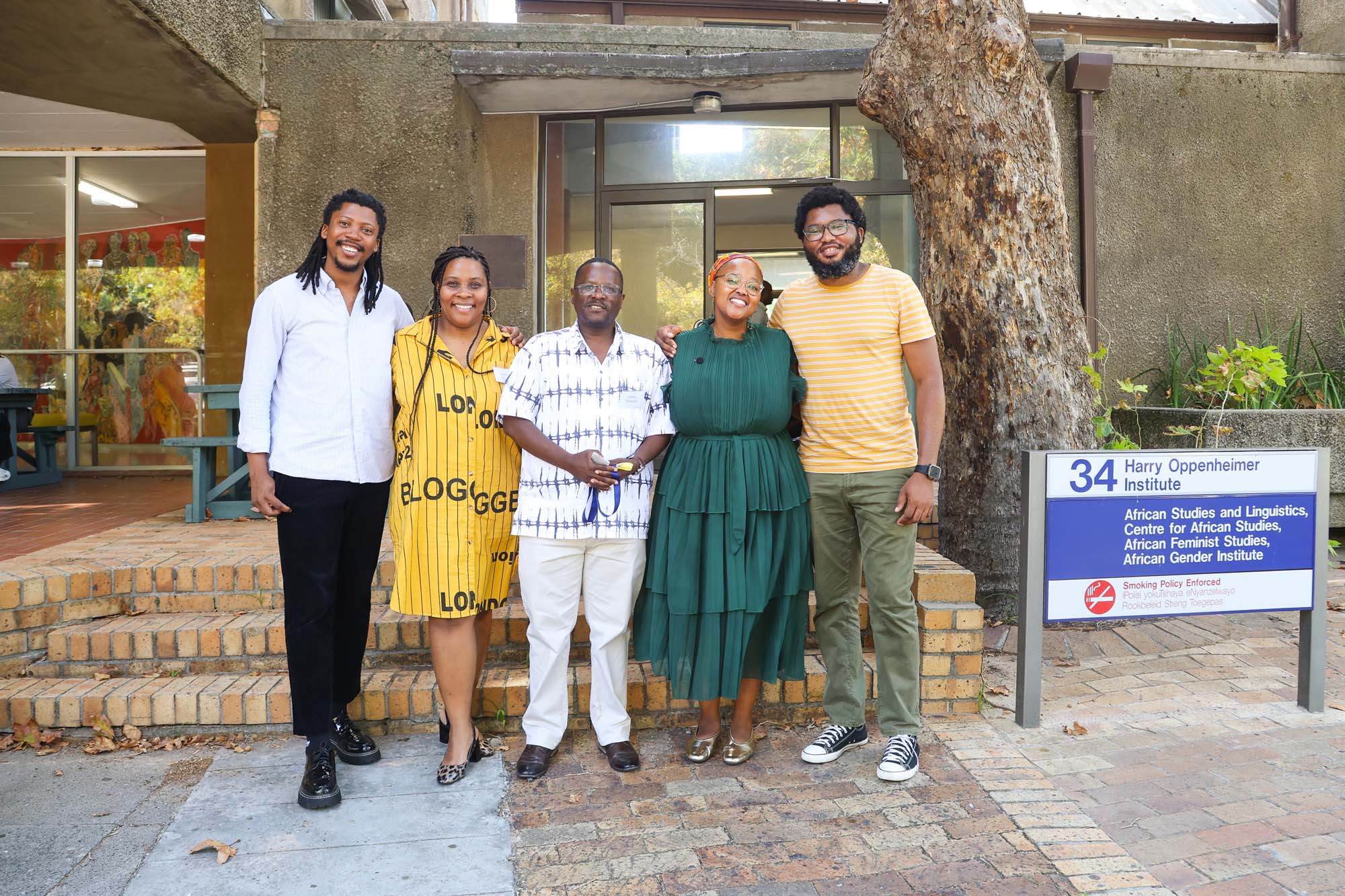
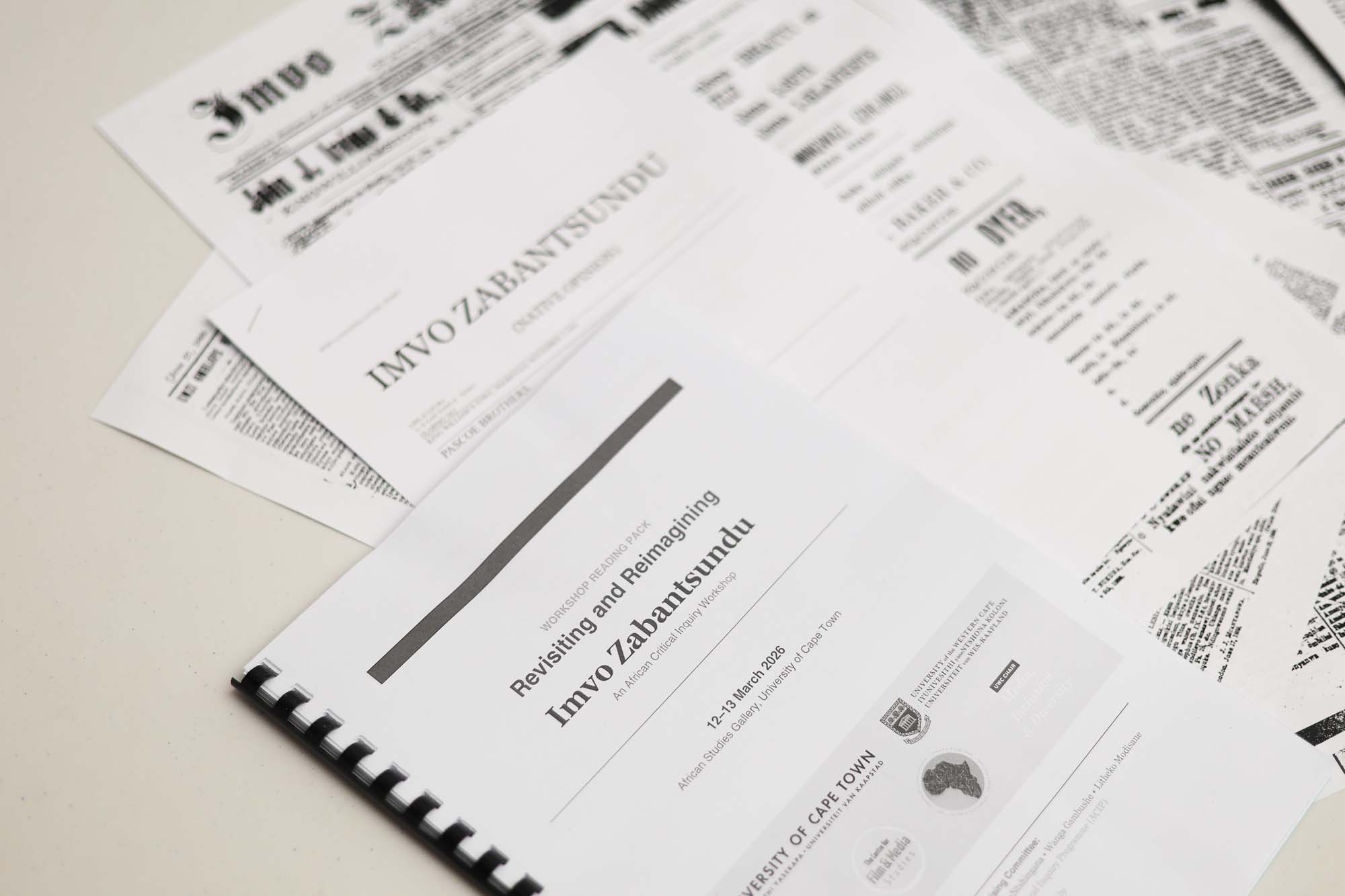
What does it mean to read a newspaper more than a century after it was first printed? That question echoed through the African Studies Gallery at the University of Cape Town (UCT), where scholars, students, and media practitioners gathered to revisit Imvo Zabantsundu – South Africa’s first black-owned newspaper, founded in 1884 by John Tengo Jabavu.
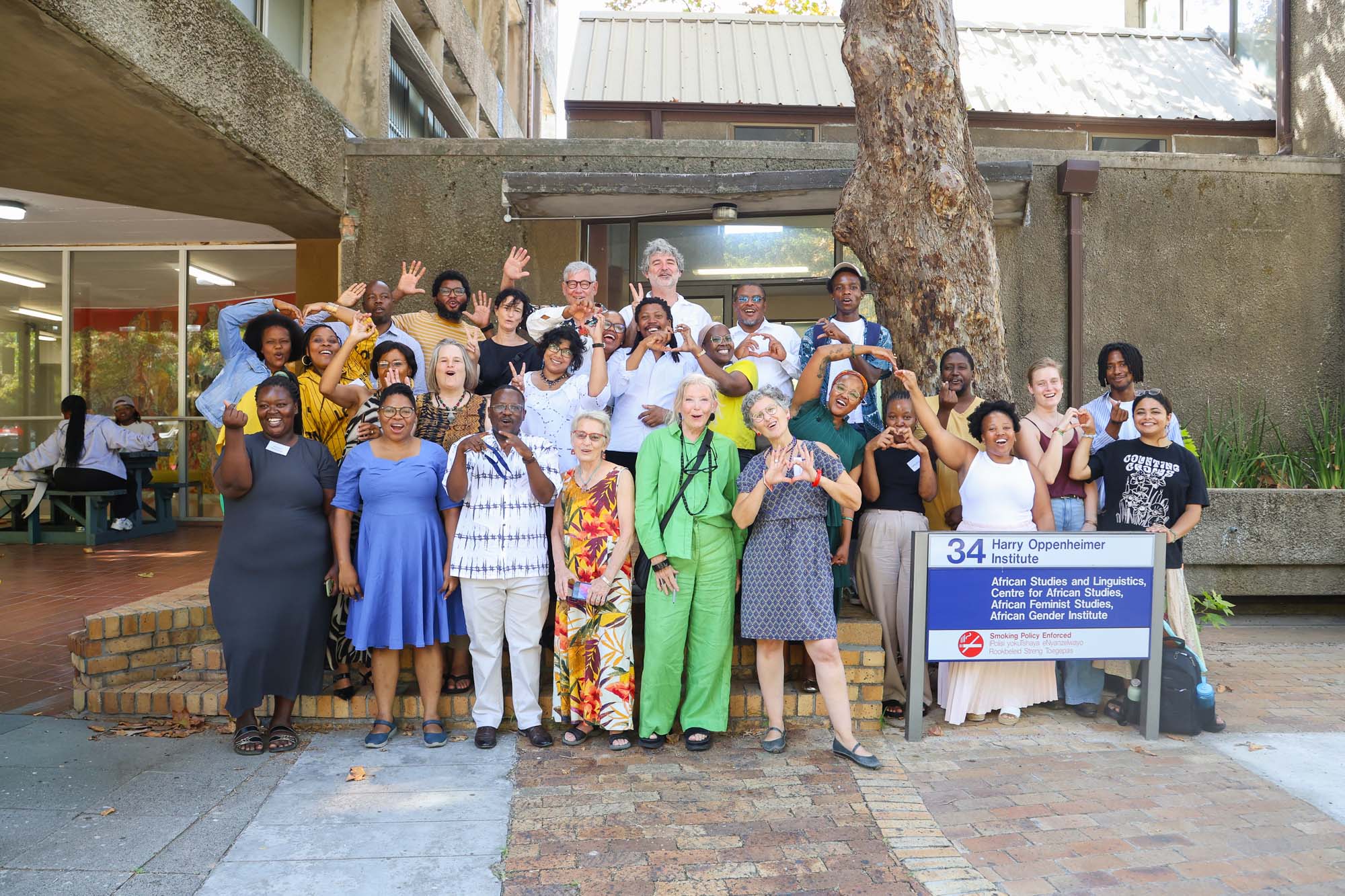
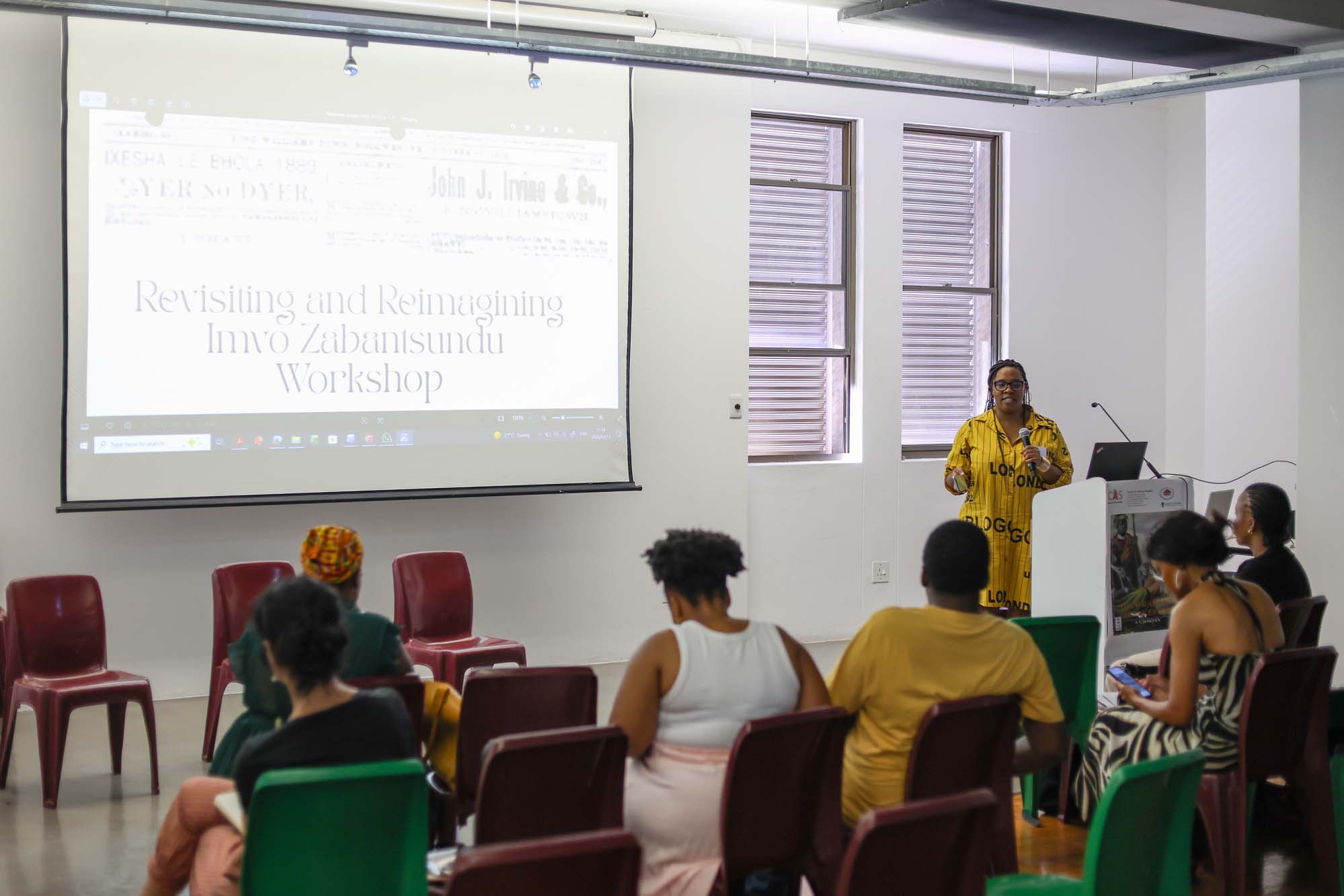
Over two days, the Revisiting and Reimagining Imvo Zabantsundu Workshop, funded by the African Critical Inquiry Programme (ACIP), became more than an academic exercise. It unfolded as a collective act of rediscovery – one that blurred the lines between archive and living memory, past and present, scholarship and storytelling.
And as discussions deepened, one idea became clear: Imvo Zabantsundu was no longer just a newspaper.
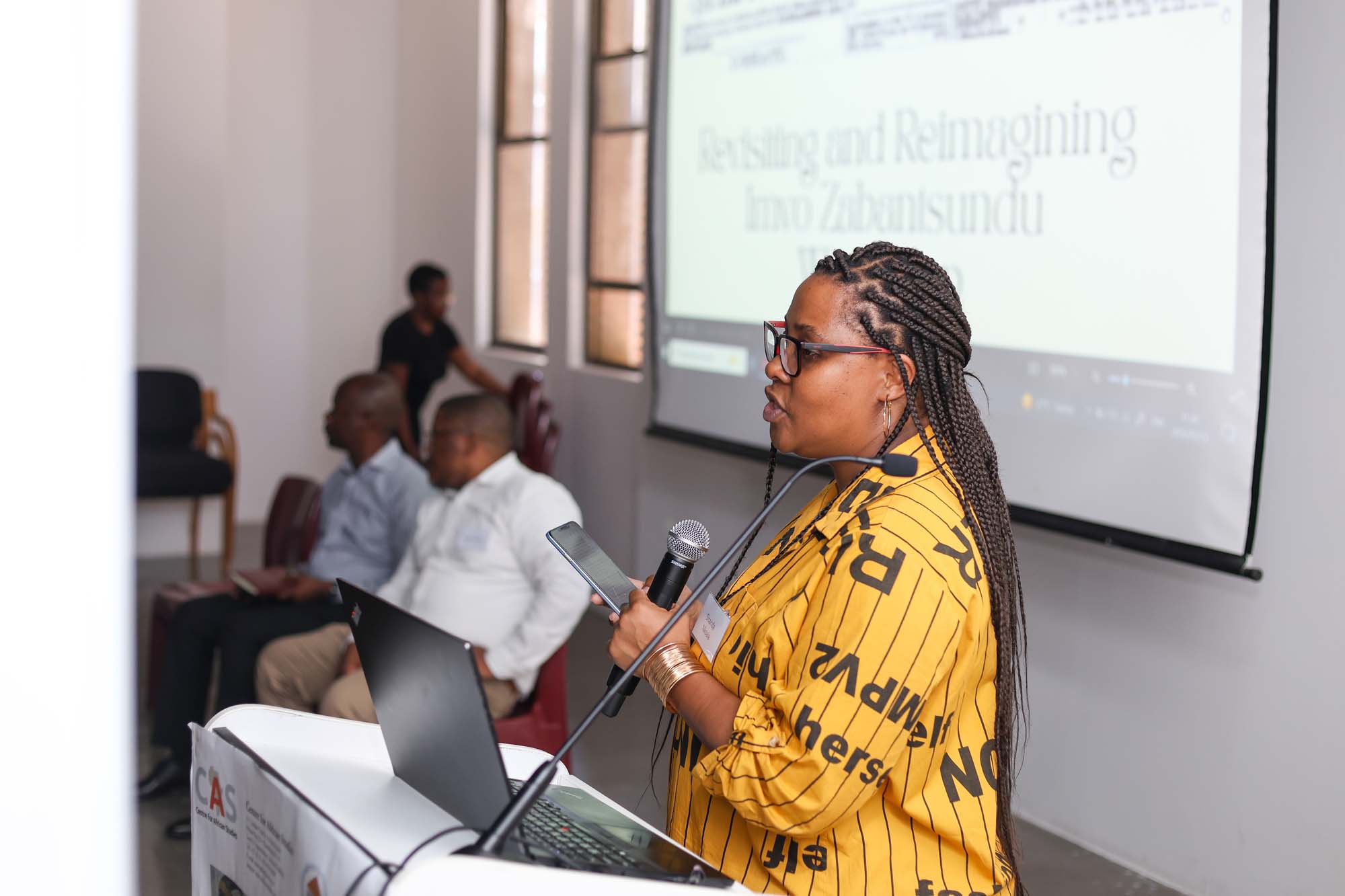
For historian Dr Athambile Masola, the workshop reignited the intellectual and creative possibilities of the project.
“It got me really excited about the work all over again,” she said.
“When was the last time someone read a newspaper? Why return to it now, when it has changed so much?”
What stood out most was how Imvo Zabantsundu is being reimagined – not only through traditional academic analysis, but through film, audio-visual storytelling, and even fictional interpretation.
“What does it mean to reimagine a historic document in different forms?” she asked. “And what do we carry forward that is still relevant today?”
These questions are sharpened by the reality that the newspaper industry itself — once central to public life – has undergone a dramatic transformation.
“When was the last time someone read a newspaper?” Dr Masola reflected. “Why return to it now, when it has changed so much?”
Yet for participants, it is precisely this transformation that makes Imvo Zabantsundu worth revisiting.
Professor Pamela Maseko, the dean of Humanities at Nelson Mandela University, delivered the keynote address and spoke about the intellectual foundations laid by writers, such as Jonas Ntsiko, who contributed articles in Imvo Zabantsundu in the 1800s. For Professor Maseko, there continues to be a resonance in Ntsiko’s work in a context that is still grappling with historicide, linguicide and epistemicide.
Reading together, seeing differently
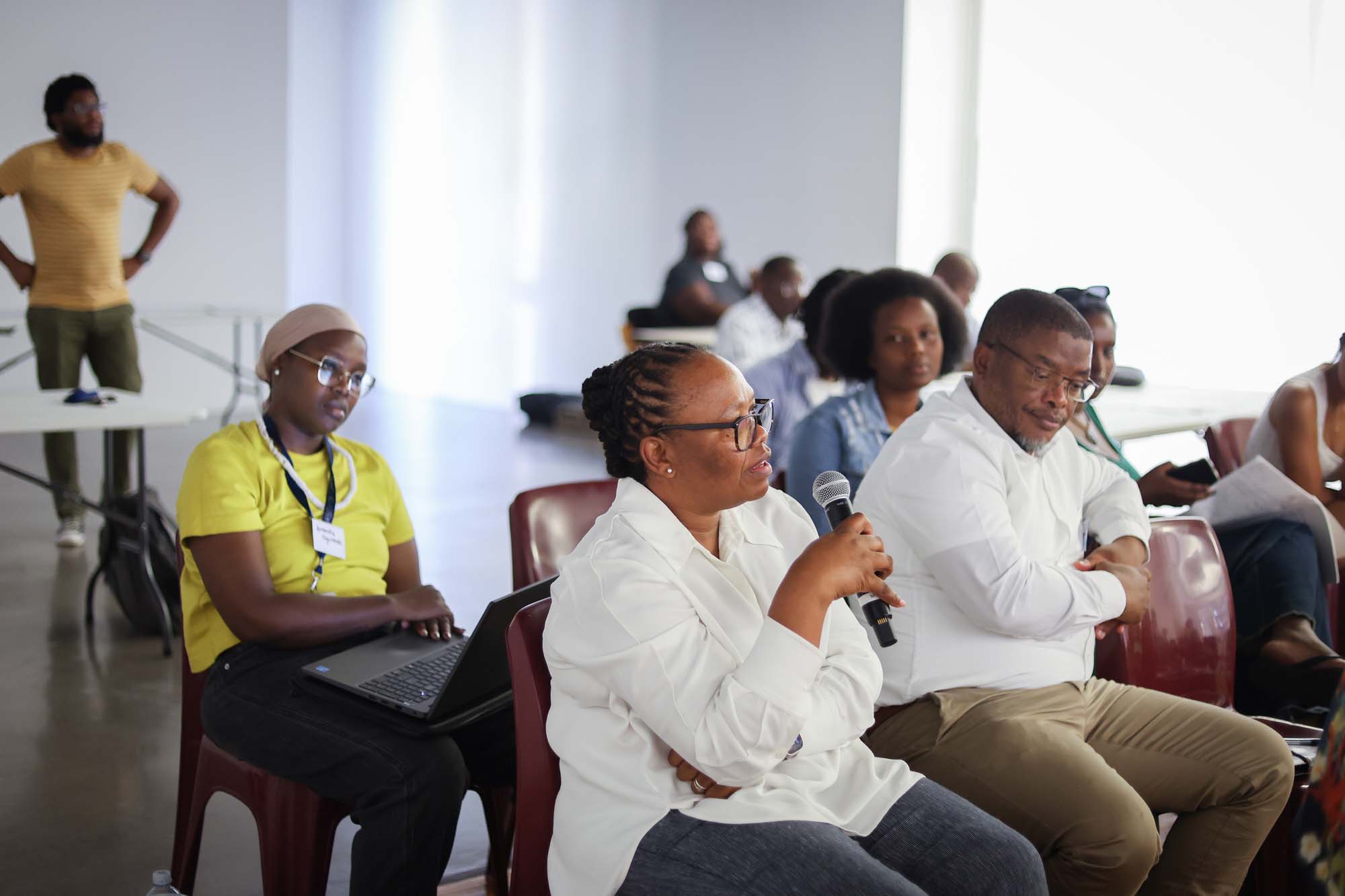
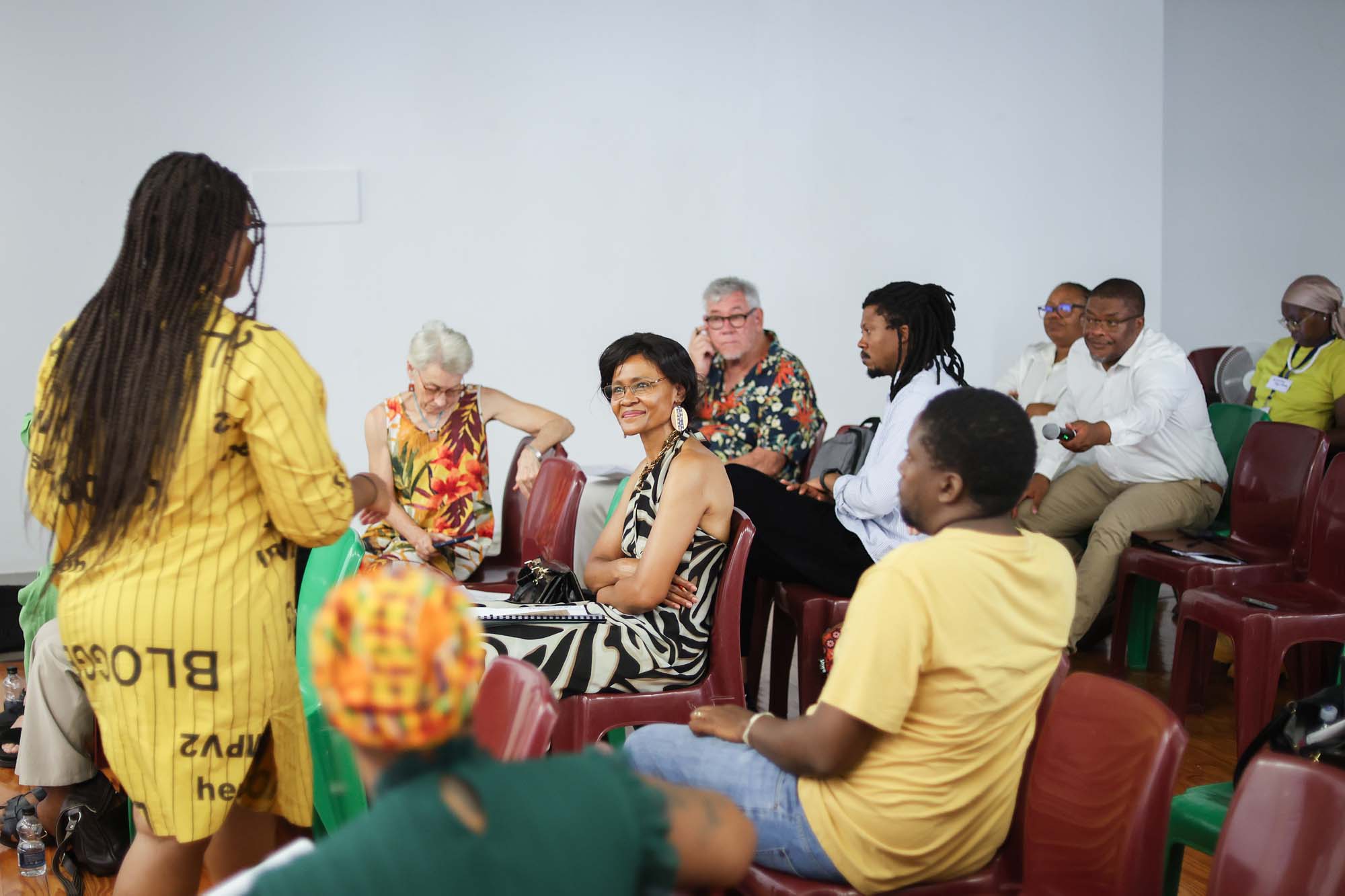
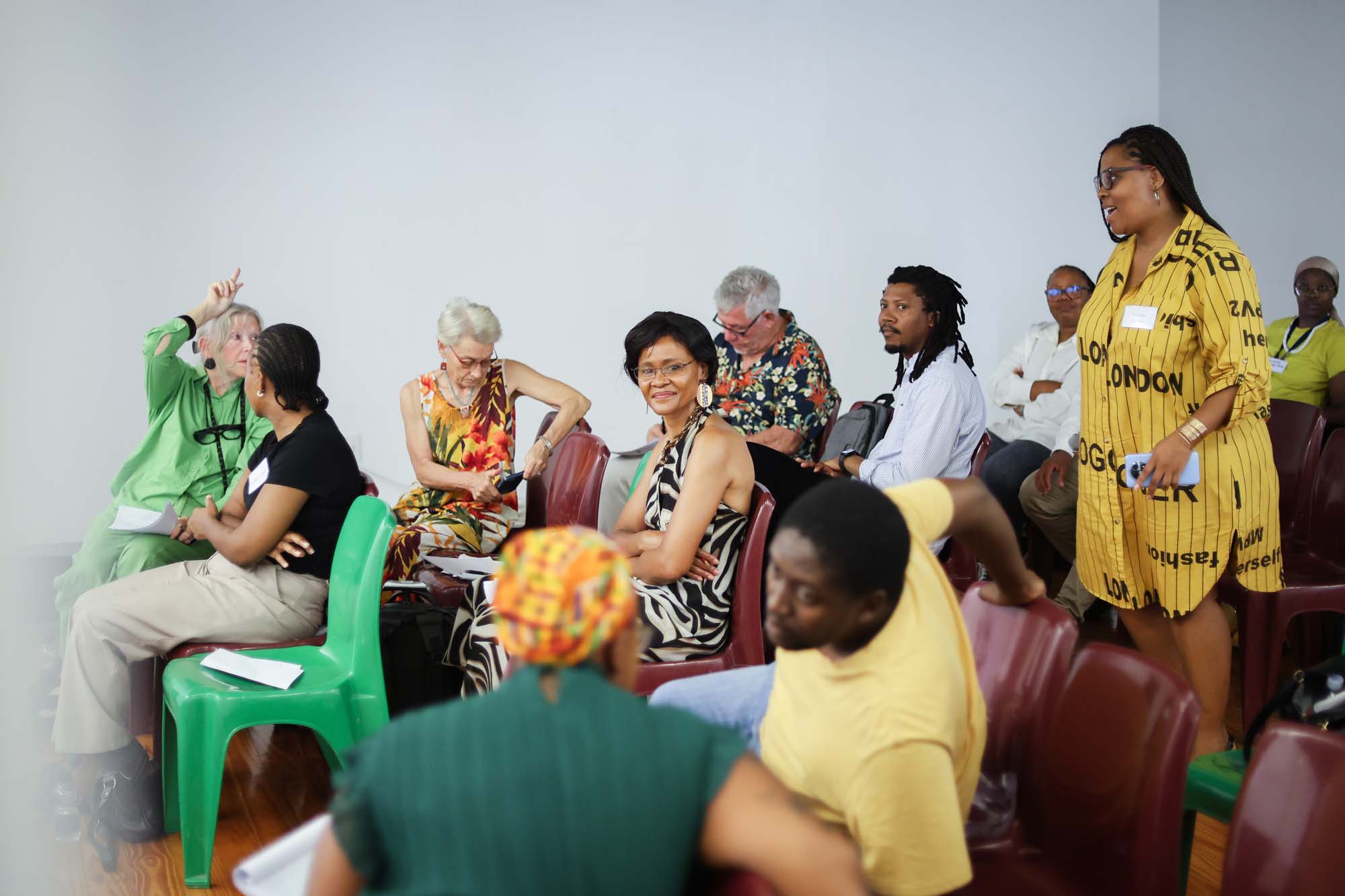
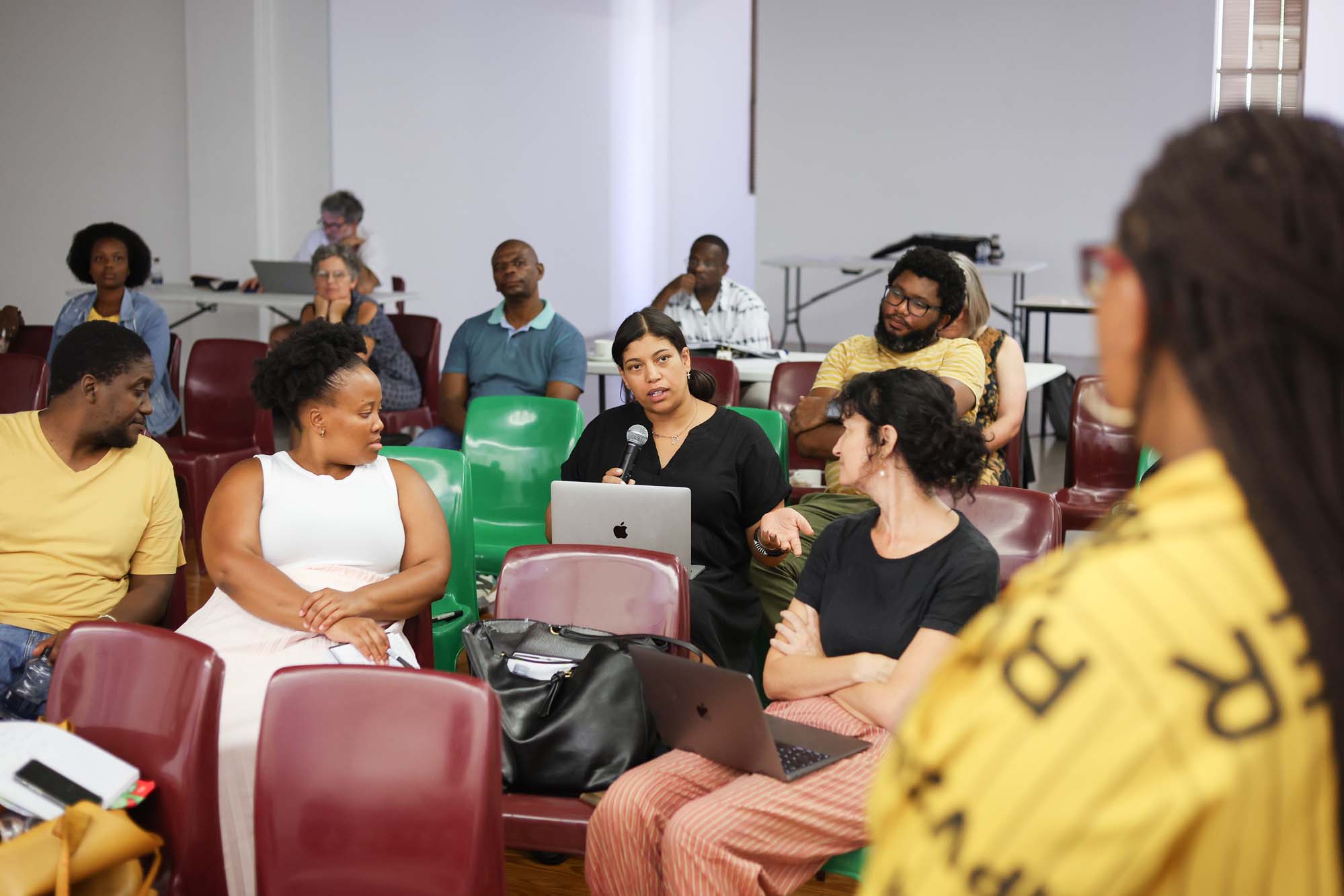
Rather than a conventional conference, the workshop centred on collective reading. Participants read excerpts aloud, allowing the text to spark conversation in real time.
For Sanele kaNtshingana, this approach proved generative.
“We wanted a space where people could simply read together,” he said. “And from that, let the conversations emerge.”
And what emerged was a layered portrait of black life in the late 19th century – one that stretched across regions and experiences.
“You realise this was not just local news,” kaNtshingana explained. “It was a national conversation.”
Through reports, letters, and fragments of everyday life, Imvo reveals a dynamic, interconnected world – one that challenges contemporary assumptions about the past.
For linguist Associate Professor Sisanda Nkoala, a UCT alumna based at the University of the Western Cape, the workshop also underscored the importance of form.
“The paper could have been a pamphlet or a newsletter,” she noted. “But it came to us as a newspaper – and that matters.”
The newspaper format, she explained, created a distinct kind of public sphere – one shaped by editorial authority, economic pressures, and the role of media as both business and platform.
“The editor was not just selecting content,” she said. “They were shaping public discourse.”
This raised important questions about power, funding, and influence in the black press – both historically and today.
Referencing other publications, Associate Professor Nkoala pointed out that financial backing has long shaped editorial direction, sometimes in ways that complicate the idea of independent black media.
“These are the kinds of tensions we need to explore,” she said.
Media then and now
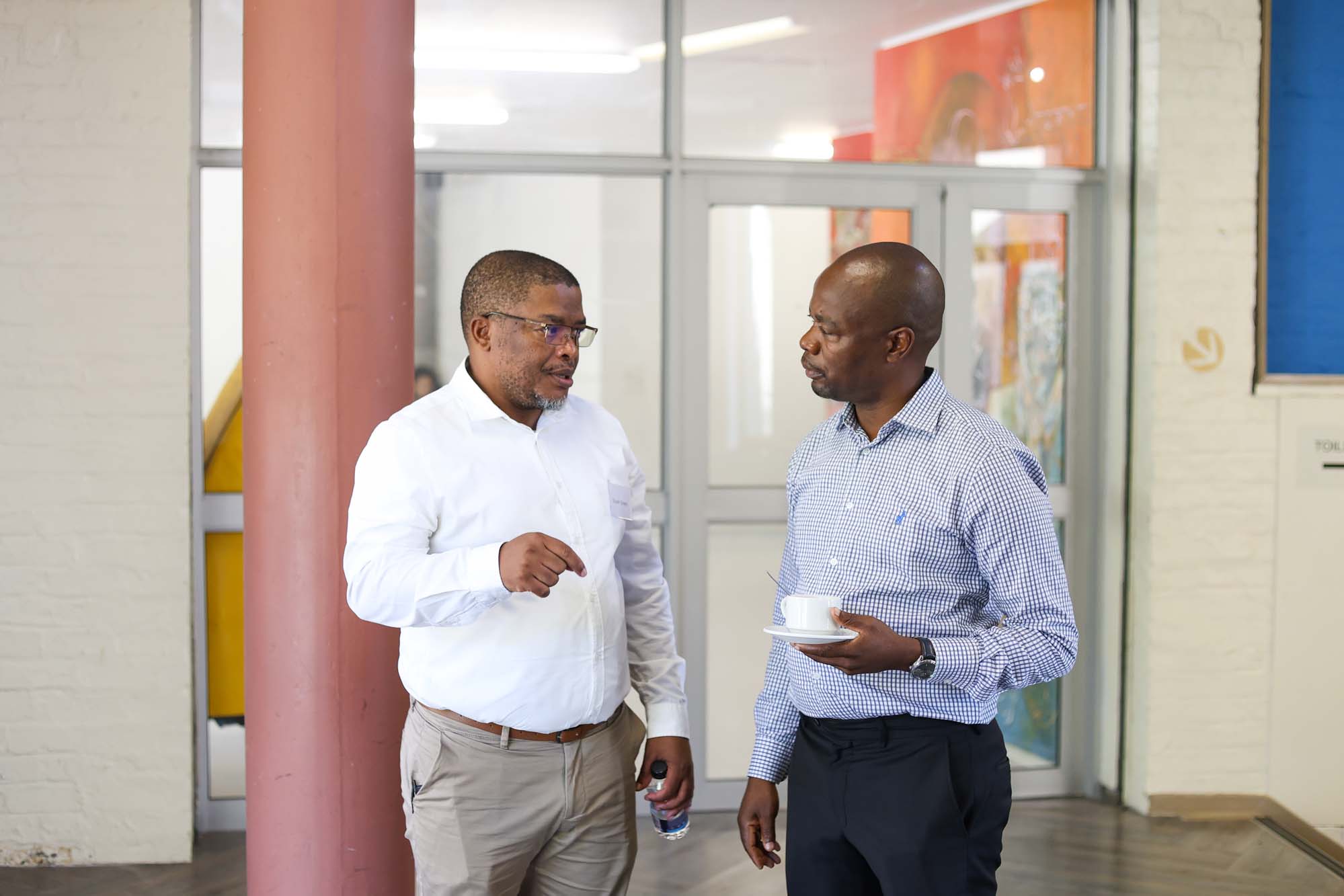
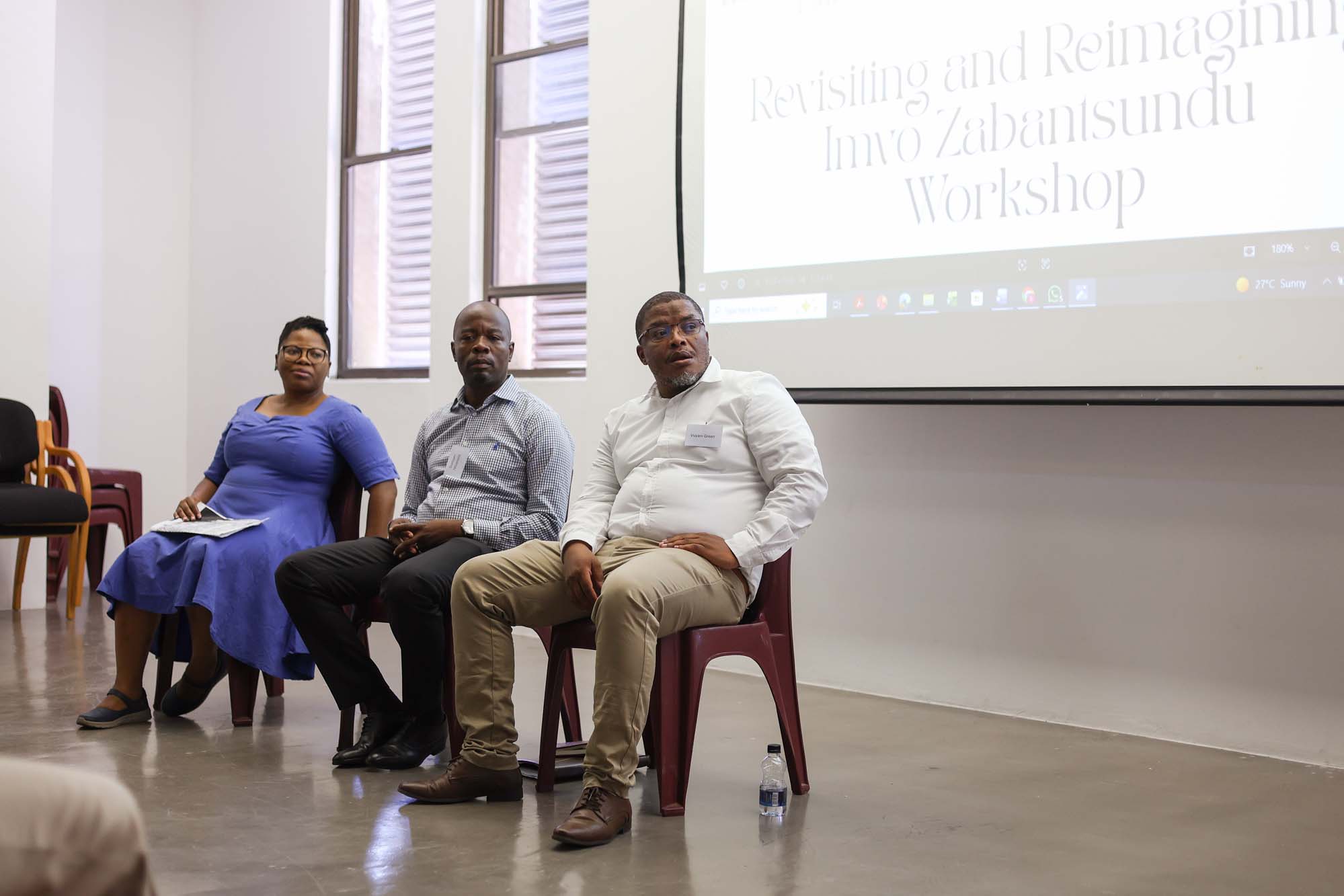
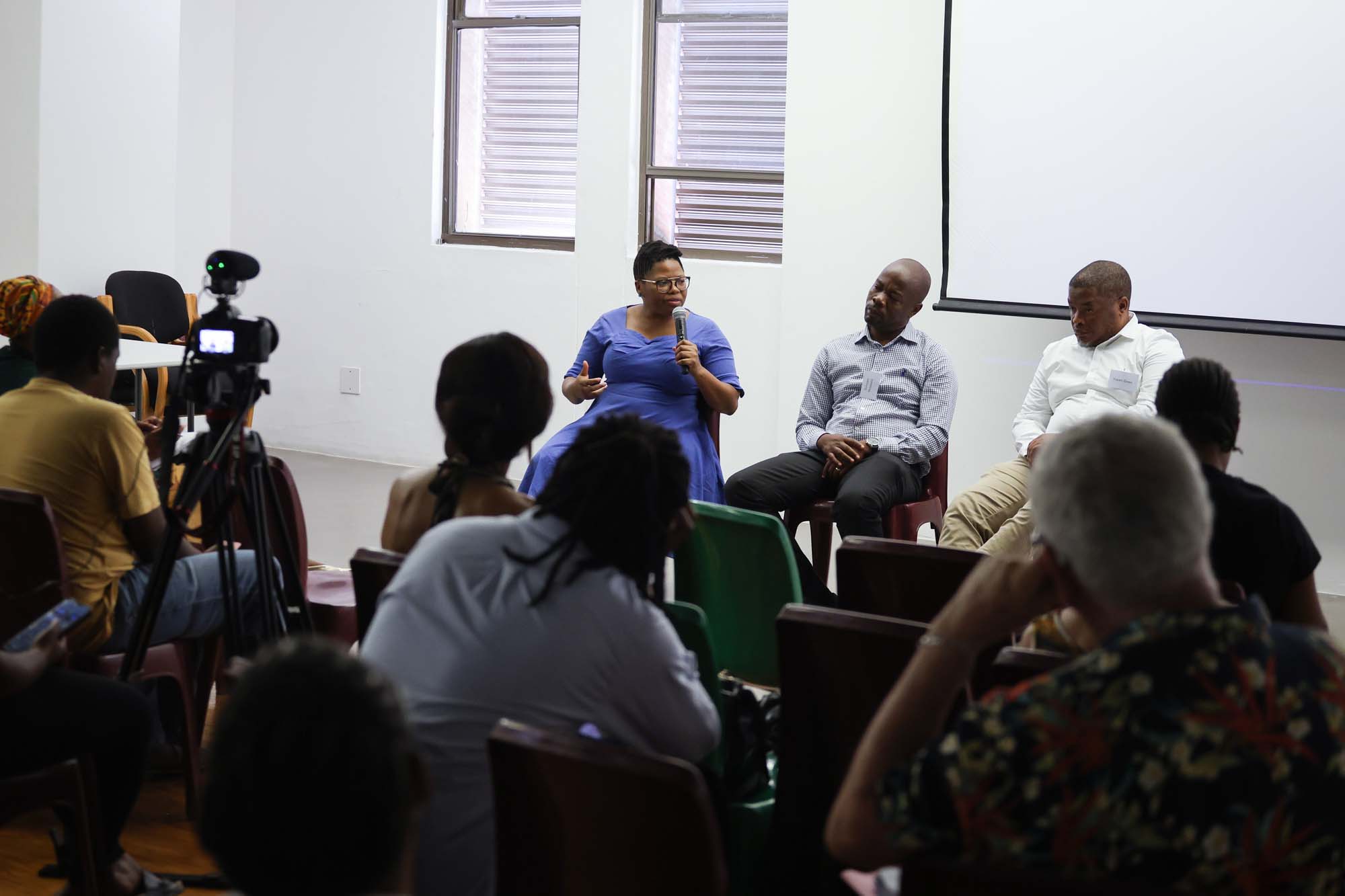
The workshop extended these reflections into a panel discussion featuring media practitioners, who were invited to consider what Imvo Zabantsundu might mean in today’s media landscape.
Veteran former journalist Advocate Vuyani Green, reflected on the difficulty – and necessity – of reimagining a historical publication through modern eyes.
“You don’t approach a newspaper like Imvo Zabantsundu in a vacuum,” he said. “You bring your own assumptions about what a newspaper should be.”
Yet what stood out to him was the publication’s deep connection to community.
“It was rooted in the lives of people,” he said. “It raised the issues that mattered to them.”
This, he argued, is something contemporary media often struggles to sustain.
“Today, we prioritise urban stories,” he said. “Rural communities are often left behind.”
“Big tech companies are looking for content to train systems. But the material in indigenous languages is limited.”
For Advocate Green, Imvo Zabantsundu offers a reminder of journalism as a form of community activism – a space where ordinary lives and concerns take centre stage.
Media entrepreneur Dunisani Ntsanwisi shifted the focus to language and technology.
“There is still a lack of content in indigenous languages,” he said.
Drawing on research and industry experience, Ntsanwisi highlighted how this gap has far-reaching implications – particularly in an era of artificial intelligence, where language data is essential.
“Big tech companies are looking for content to train systems,” he explained. “But the material in indigenous languages is limited.”
In this context, Imvo Zabantsundu becomes more than a historical artefact. It represents a reservoir of linguistic and cultural knowledge – one that could inform future technologies if properly preserved and expanded.
“For our generation, the task is to continue publishing,” Ntsanwisi said. “To make sure these languages remain visible and active.”
Reclaiming the human story
Writer and media practitioner Sikelelwa Dlanga brought a more personal and reflective lens to the discussion.
Speaking candidly about memory, grief, and storytelling, she drew connections between historical media and contemporary forms of expression.
At the heart of her reflection was a striking observation: the humanity of Imvo Zabantsundu.
“It wasn’t just breaking news,” she said. “It was people’s lives – where they travelled, who they visited, how they lived.”
This kind of storytelling, she suggested, is largely absent from modern media, which often prioritises urgency and spectacle over everyday experience.
“There was something deeply human about it,” she said. “Something we don’t often see now.”
“It’s more than a newspaper. It’s a window into black life.”
For media researcher Associate Professor Litheko Modisane, engaging with Imvo Zabantsundu has transformed how the past is understood.
“We often think of the past as distant,” he said. “But when you read these stories, they come alive.”
What emerges is not just a record of events, but an archive of thought – and even of absence; of what was not written.
“It’s more than a newspaper,” Associate Professor Modisane said. “It’s a window into black life.”
While the workshop marked an important milestone, it is only the beginning of a longer-term project.
“The goal has always been a book,” Masola explained, outlining plans for an edited volume that will bring together diverse perspectives from scholars and collaborators.
The process, she emphasised, will be deliberate and collaborative, with a likely timeline extending to 2027 or 2028.
Alongside this, digitisation and transcription remain key priorities – ensuring that Imvo Zabantsundu is not only preserved but made accessible for future generations.
 This work is licensed under a Creative Commons Attribution-NoDerivatives 4.0 International License.
Please view the republishing articles page for more information.