
Wamkelekile, Welkom
Symposium scrutinises racial language in health research
23 February 2026 | Story Myolisi Gophe. Photos Lerato Maduna. Voice Cwenga Koyana. Read time 8 min.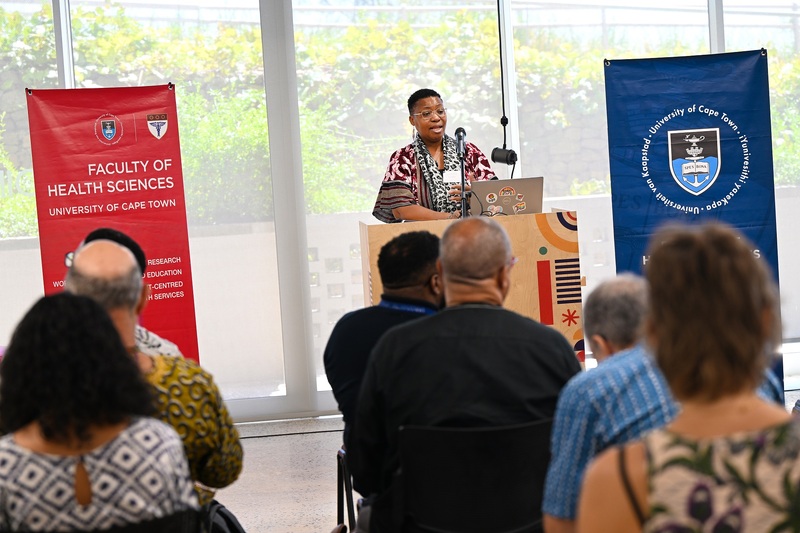
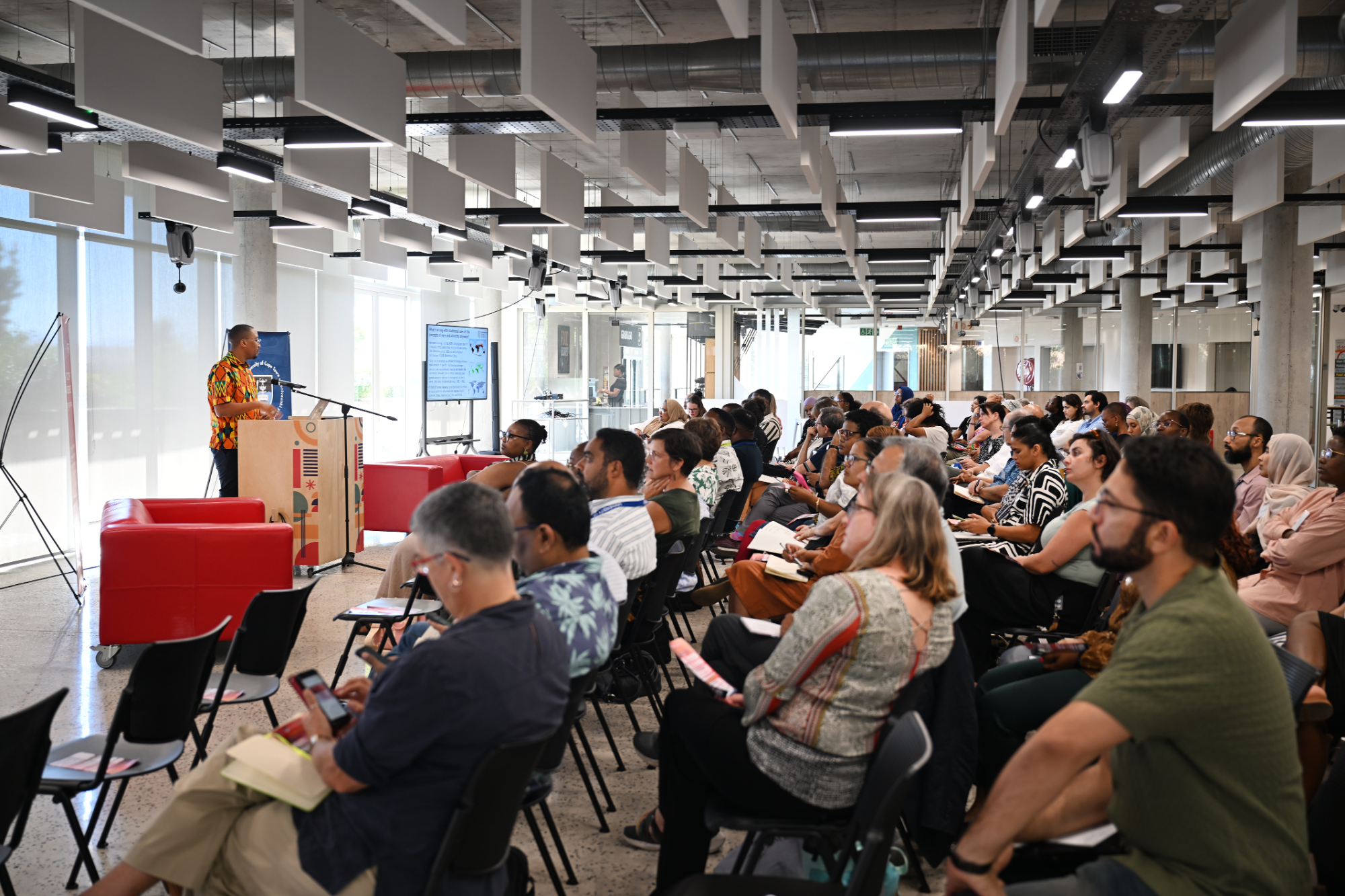
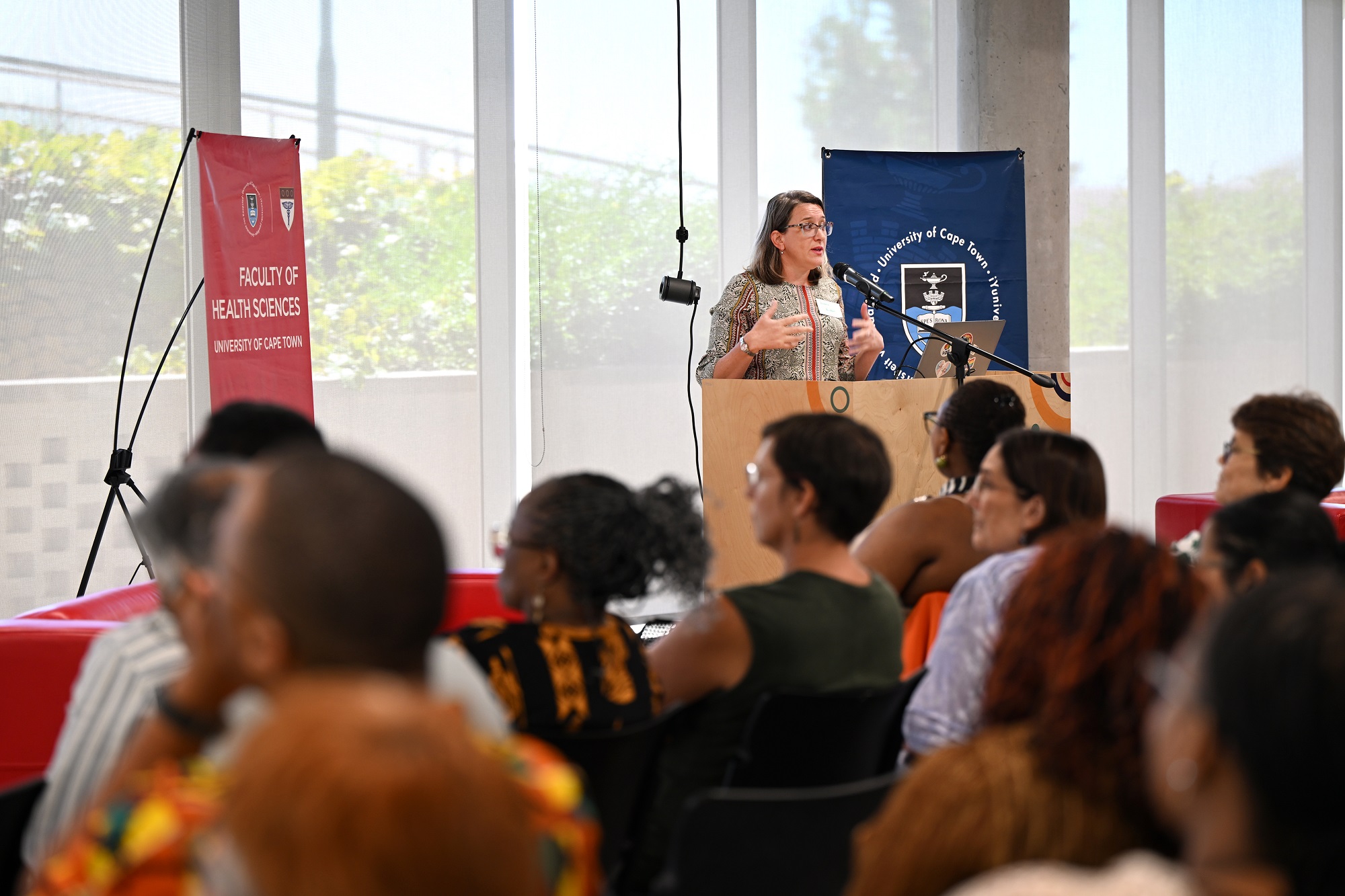
When Professor Lionel Green-Thompson stood before an audience at the University of Cape Town’s (UCT) Faculty of Health Sciences’ (FHS) symposium on racial language in research, teaching and learning, he began with a simple question: “What do you see?”
The responses were cautious: “A man.” “A person.” Eventually, someone said it: “A black man.”
“Nobody has seen a coloured,” he reflected. “Because when I step into a room, it doesn’t matter who you are or what you’re thinking – I’m a coloured.”
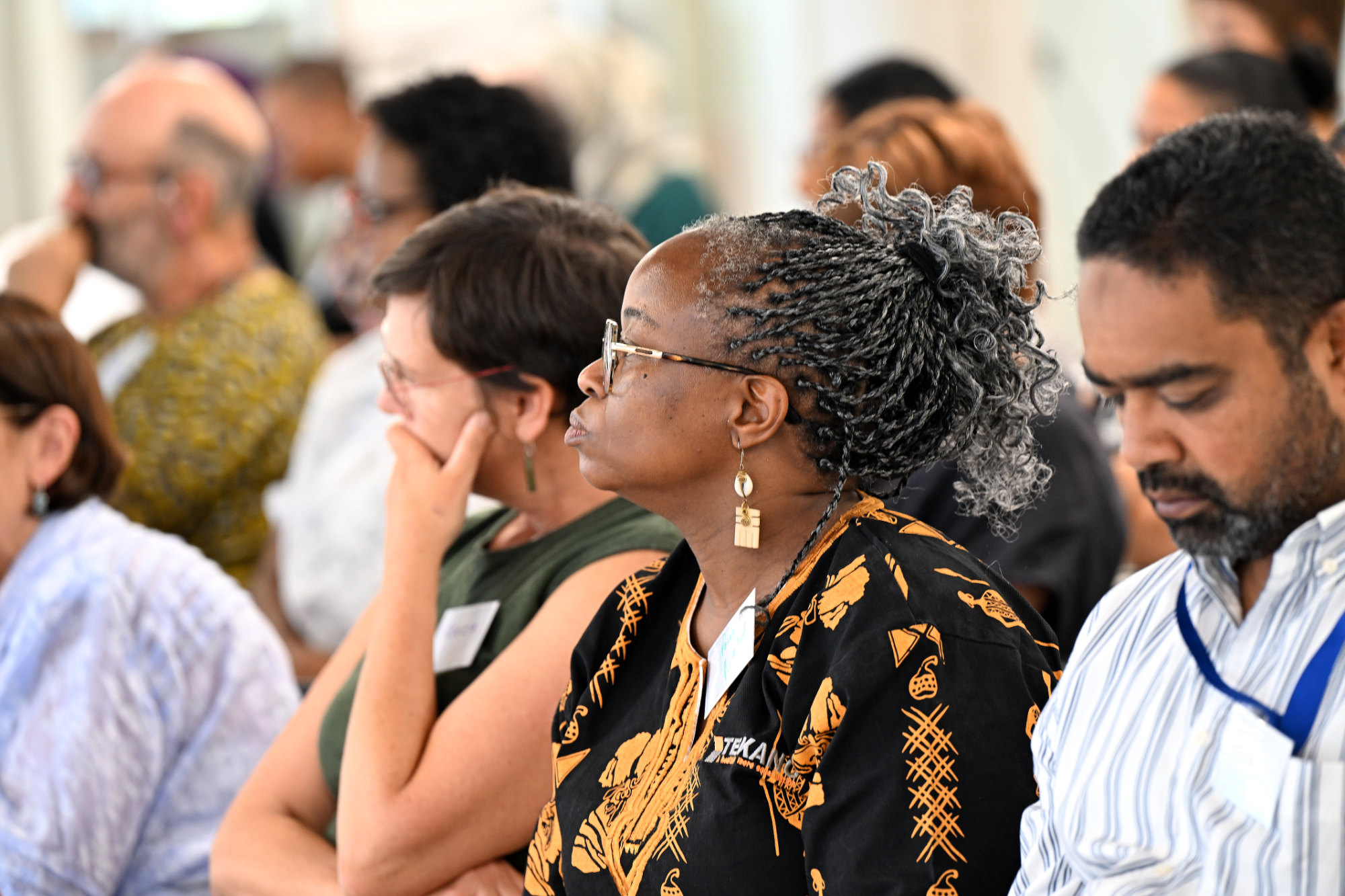
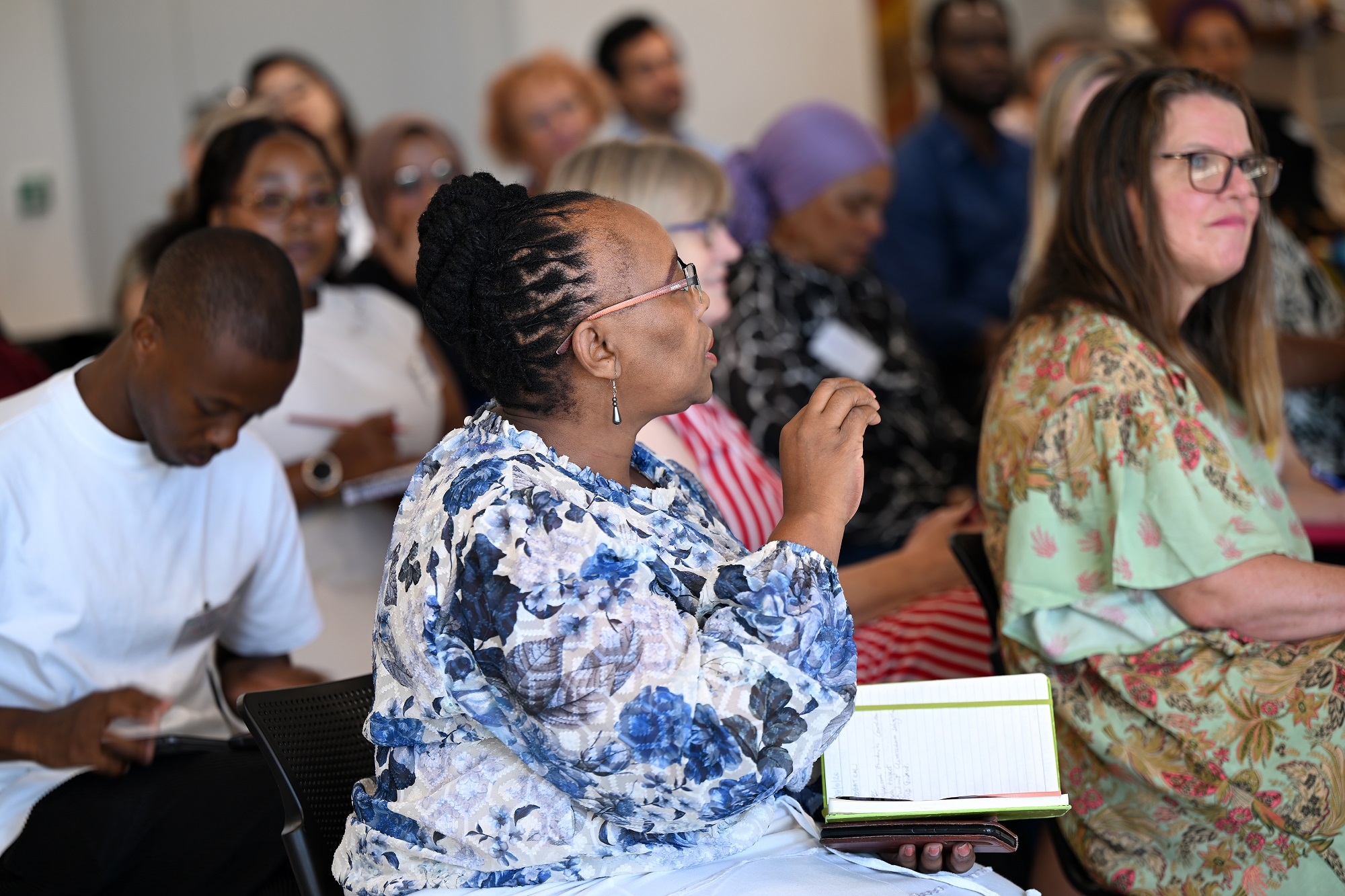
His welcome address set the tone for a deeply introspective and at times uncomfortable conversation about how race is observed, described and deployed in scientific work. The symposium brought together scholars to interrogate the use of racial terminology in health research and its implications for teaching, clinical care and public health.
Professor Green-Thompson, the dean of the FHS, challenged the audience, mainly colleagues from the university and the neighbouring universities, to examine not only what they see, but what they do after seeing.
“We can’t change what we look like,” he said, referencing a film scene that had stayed with him. “But what we do straight after that – that’s what matters.”
“How do we construct a critical consciousness around race and its impact on the discourse around science?”
He described crossing a student protest line earlier that day and noticing his own subtle shifts in response to different students. The experience, he said, reminded him that bias and perception operate in nuanced ways.
“Science is not saying we can’t make observations,” he noted. “It’s asking us to be conscious about the observations that we make.”
For Green-Thompson, the symposium was less about easy answers and more about cultivating critical consciousness within the faculty. “How do we increase the discourse on the vagaries of race?” he asked. “How do we construct a critical consciousness around race and its impact on the discourse around science?”
He emphasised that while race may be socially constructed, its consequences are real – particularly in healthcare settings. International evidence shows that patients often receive poorer care when treated by providers of a different race. “Race really impacts care in a very real way,” he said.
Examining postgraduate research
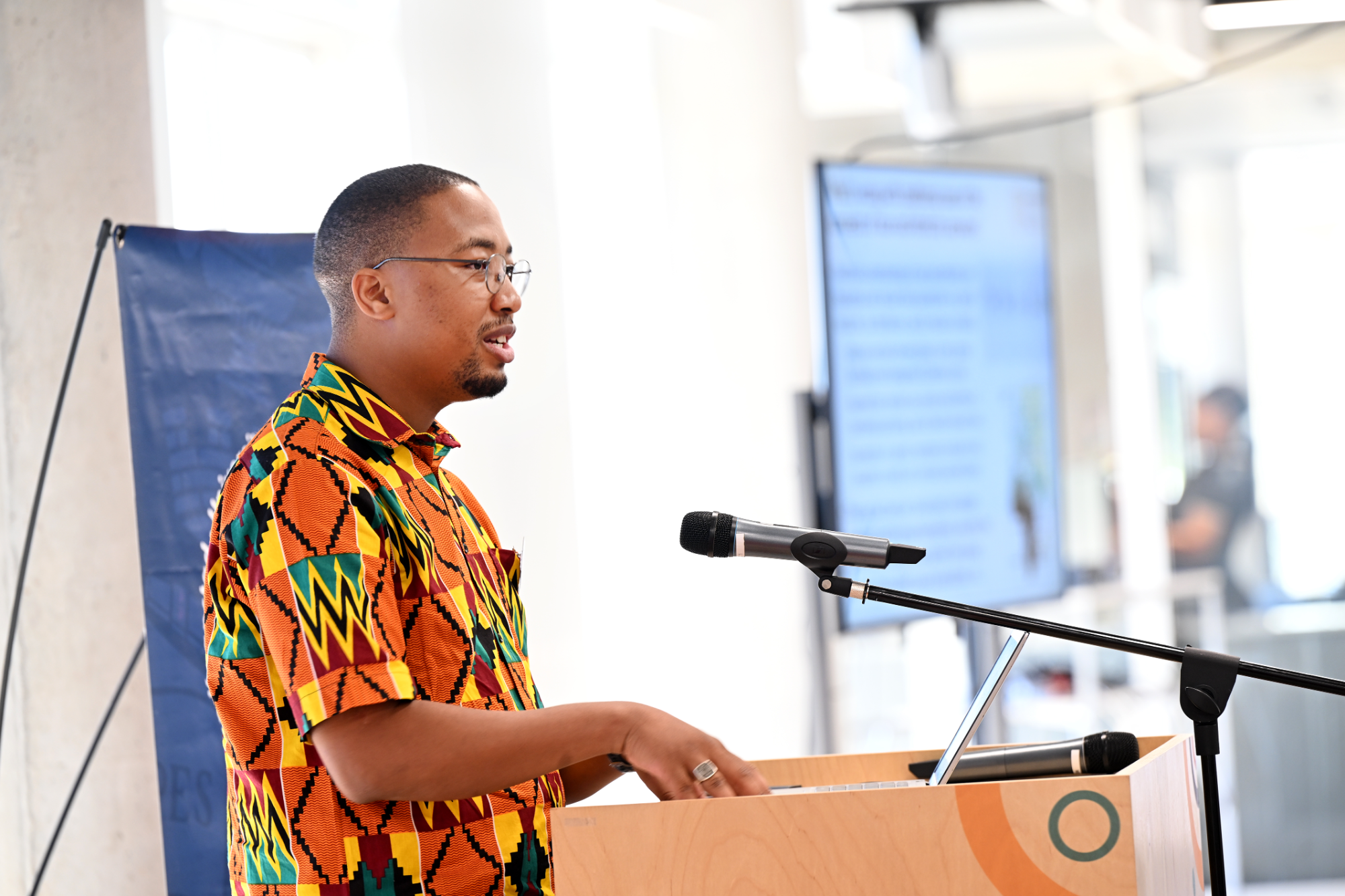
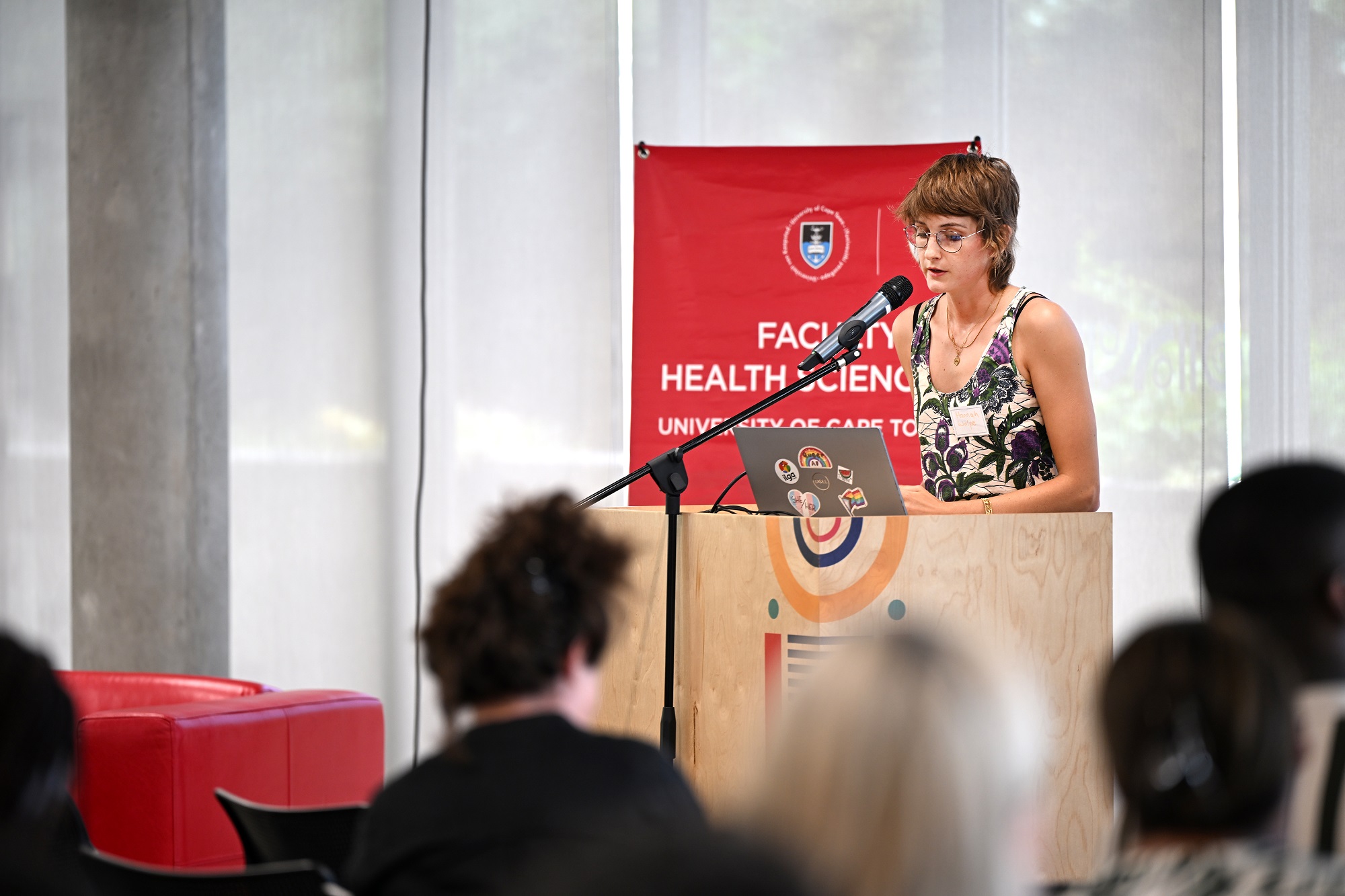
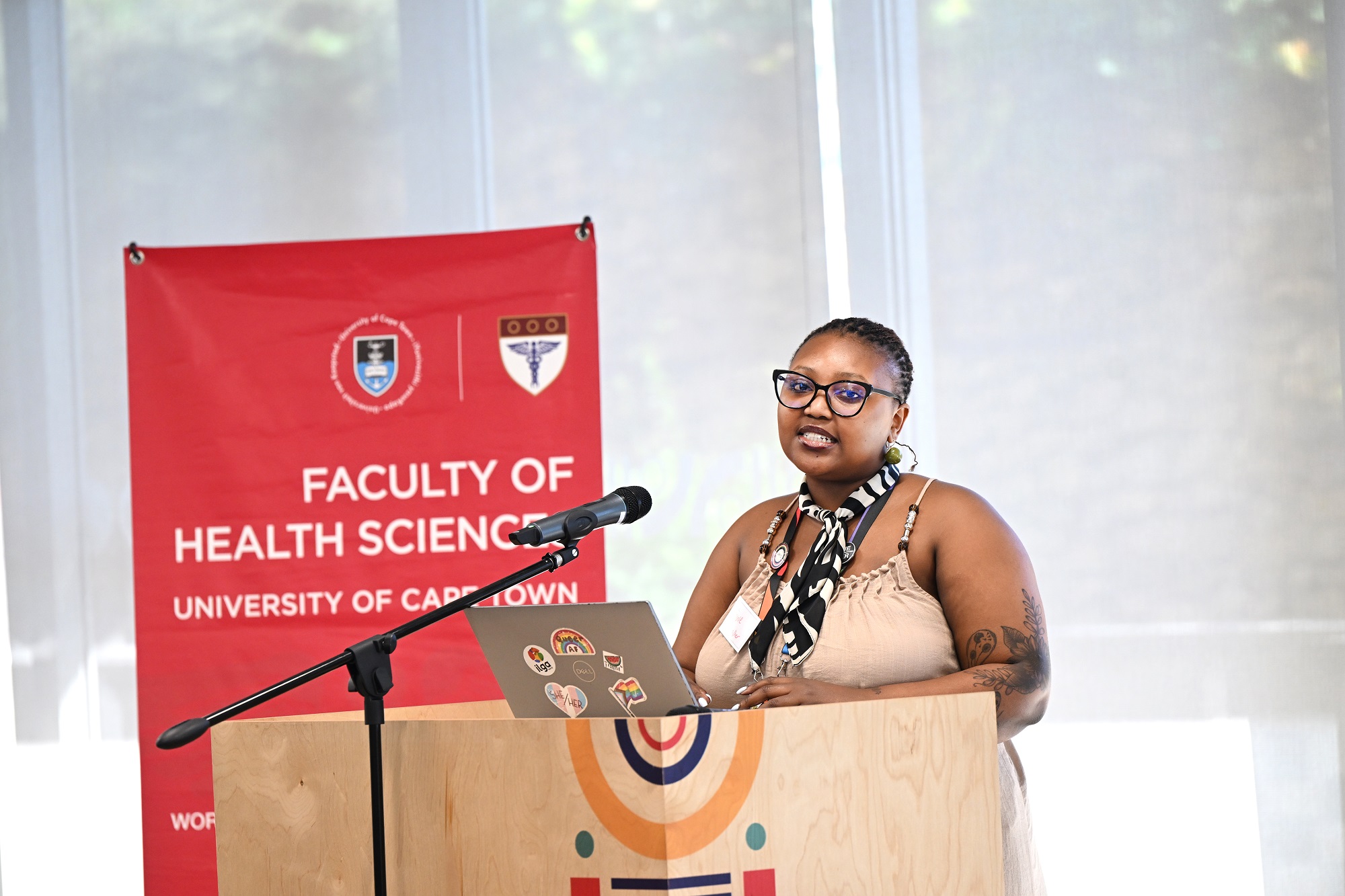
Dr Itumeleng Ntatamala was one of the scholars who presented relevant research topics at the event. Others were Associate Professor Olufunke Alaba, Professor Victoria Gibbon and Hannah Wolpe.
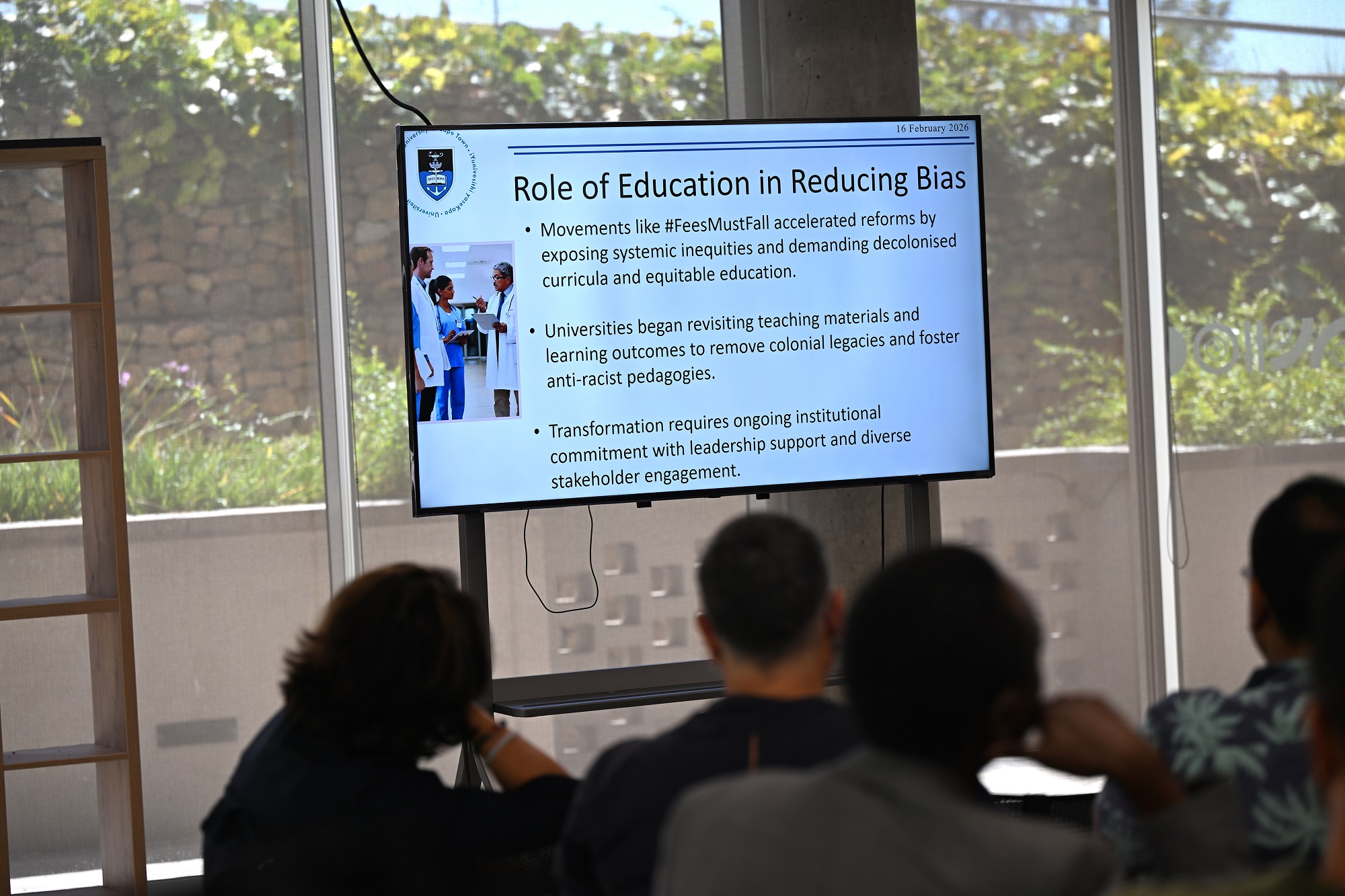
In his work, titled “To what extent is racial terminology used in health sciences master’s and postdoctoral research projects at UCT?”, he presented findings from a study examining the extent to which racial terminology is used in postgraduate health sciences research at UCT between 2017 and 2021. It revealed that about 20% of theses used racial terminology in some form.
While not pervasive, Dr Ntatamala said the pattern was concerning.
“Race frequently functioned as an unexplained demographic variable,” he explained. “It was not always being prefaced as a socially constructed, contextualised concept.”

Among PhD theses sampled, 37% used racial terminology, compared with 20% of Master of Public Health dissertations and 18% of Master of Medicine theses. In many cases, race was included without a clear conceptual definition or methodological justification. Nearly half of the Master of Medicine theses and half of the PhDs did not state how race was determined.
In most instances, race categories were drawn from pre-existing datasets. But Ntatamala warned that the routine use of inherited classifications can obscure their origins and assumptions.
“This continued uncritical use of race risks reinforcing biological determinism and racial essentialism,” he said. “It can obscure structural drivers of health inequity.”
Extracts from some theses illustrated the risks. Statements linking “being of a black African race” with advanced disease presentation, or associating low HIV knowledge with particular racial groups, raised concerns about how findings could be interpreted – or misinterpreted – beyond the academic context.
“It is important for researchers, particularly our postgraduate students, to clarify why they are using race in their studies,” Ntatamala said. “What does it represent? Structural inequality? Lived experience? Racism? Or is it being treated as a biological proxy?”
Interrogating the philosophical and scientific foundations of racial classification
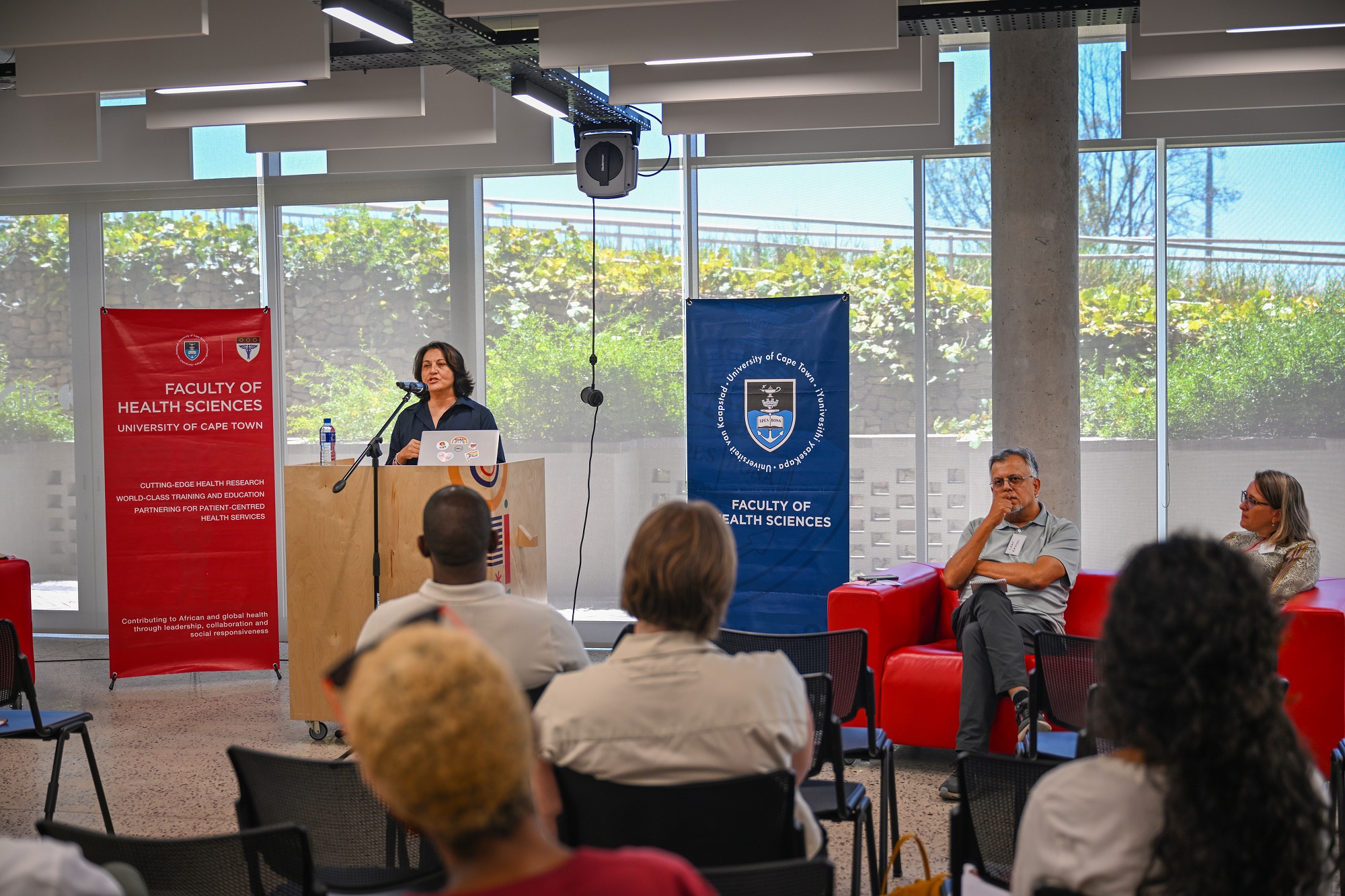
Keynote speaker Phila Msimang from Stellenbosch University expanded the discussion by interrogating the philosophical and scientific foundations of racial classification.
“The main message I want to get across,” he said, “is when does race appear as something that marks something that might be important to knowledge – and when is it a mistake that actively misleads clinical reasoning?”
Dr Msimang traced the history of “typological thinking” – the idea that human beings can be divided into fixed, internally homogeneous racial types. Such thinking, he argued, assumes that people within a racial category share deep biological similarities that distinguish them from others.
“That picture turned out to be wrong and systematically misleading,” he said.
“Using race or ethnicity as proxies for biological variables is a mistake.”
Genetic research over the past half-century has consistently shown that most human variation occurs within populations rather than between so-called racial groups. Surface traits like skin colour, he noted, do not reliably predict other biological characteristics.
“Using race or ethnicity as proxies for biological variables is a mistake,” Msimang said. “It assumes specific relationships between race and genetic traits that do not obtain on average.”
He illustrated this with the example of sickle cell disease, often described as a “black disease” in the United States. The trait’s distribution reflects historical exposure to malaria and is found in parts of the Mediterranean, India and Saudi Arabia. “The explanation has nothing to do with race,” he said, “but with environment and ancestry.”
From population risk to individual care
At the same time, Msimang cautioned against ignoring how racism and structural inequality shape health outcomes.
Drawing on historical accounts of urban segregation, he described how racial disparities in disease patterns often reflect housing policy, labour systems and economic exclusion.
“Disparities are generated through social processes, although they show up in biological processes,” he said.
However, he warned that reporting health disparities as inherent “race-related risk” can misdirect clinical reasoning. For example, high rates of occupational lung disease among black mineworkers reflect exposure and working conditions, not race itself.
“Is blackness the risk factor?”
“Is blackness the risk factor?” he asked. “Or is it the fact that people are living next to the mine and working in particular jobs?”
He urged clinicians to distinguish between population-level patterns and individual encounters.
“The averages don’t help you very much when I’m the one in front of you,” he said. “Look at the person in front of you and their traits.”
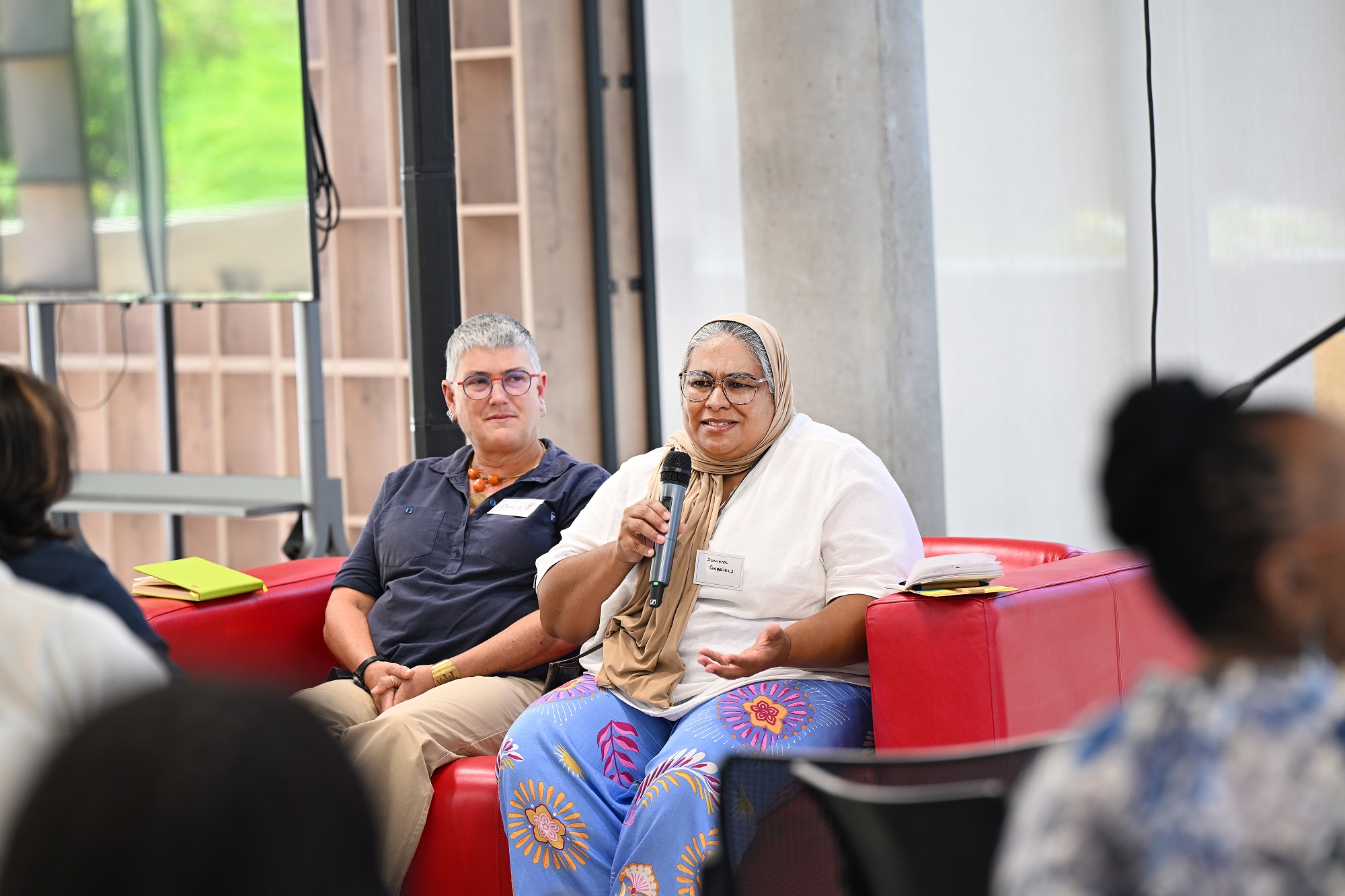
Across presentations and panel discussions, a common thread emerged: race cannot simply be removed from health sciences discourse, but neither can it be used uncritically.
Green-Thompson called on participants to see the symposium as the beginning of a longer process.
“Let’s shift how we’re thinking; shift how we’re speaking, but fundamentally shift how we’re doing things,” he said.
 This work is licensed under a Creative Commons Attribution-NoDerivatives 4.0 International License.
Please view the republishing articles page for more information.