
Wamkelekile, Welkom
Your faculty
15 January 2026
Did you know more than 30 000 students study across UCT’s six academic faculties? The faculties are: Commerce, Engineering & the Built Environment, Health Sciences, Humanities, Law and Science. These faculties are supported in their teaching and learning by the Centre for Higher Education Development (CHED). Here’s what you need to know about each.
Commerce

WHO?
With over 6 000 students, Commerce offers several undergraduate specialisations, including accounting, actuarial science, computer science, economics, finance, information systems, law, management studies, marketing, organisational psychology, quantitative finance and statistical sciences.
WHAT?
The faculty is home to seven departments and 14 research groups.
WOW!
The faculty is home to two free multilingual learning tools aimed at helping students understand key concepts and terms in their home language:
- EcoDoc: a translation app that provides access to over 10 000 economics terms and definitions in South Africa’s 11 official languages.
- Learn Accounting: a website designed to help students understand crucial financial and accounting concepts.
WHERE?
Leslie Commerce Building
School of Economics and Linkoping House
021 650 4375
com-faculty@uct.ac.za
Faculty of Commerce website
Engineering & the Built Environment
WHO?
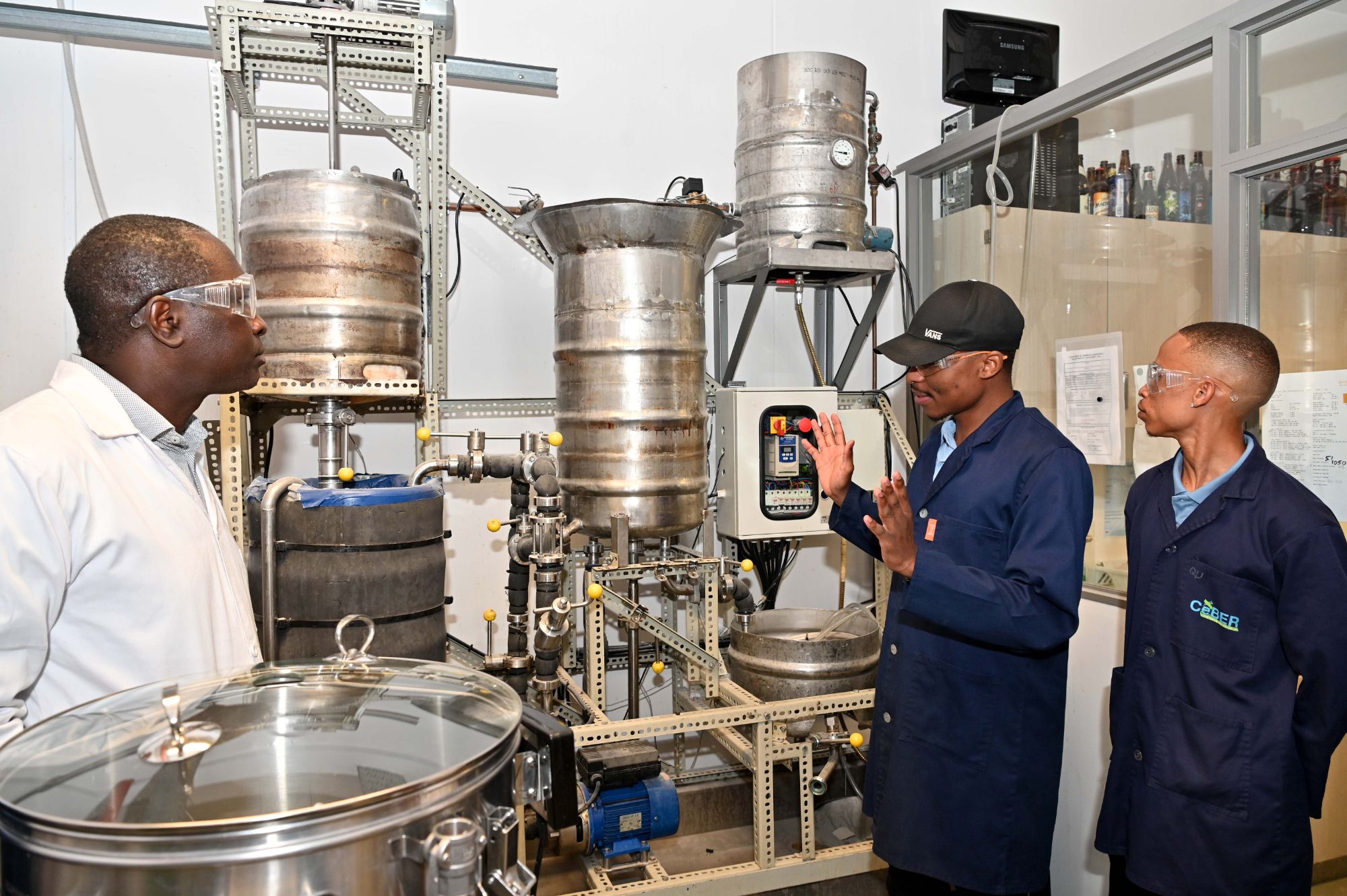
With nearly 5 000 students, state-of the-art facilities and world-renowned teaching staff, the faculty is home to architects, urban planners, landscape architects, engineers, quantity surveyors, land surveyors, GIS specialists, and property and construction managers.
WHAT?
EBE is proud of its 63 National Research Foundation-rated staff members, not to mention its 15+ active accredited research groups, covering African urbanism, fuel cells, minerals, biomedical engineering, robotics, alternative energy and more.
WOW!
- The Menzi Design Laboratory is a space for students and researchers to transform their ideas into prototypes and intellectual property and ultimately take them into production.
- UCT has introduced the Mechanical Engineering isiXhosa Glossary, which was launched by the Centre for Higher Education’s (CHED) Multilingualism Education Project. The glossary currently contains over 300 terms.
- The Formula Student Africa (FSA) team at UCT, formed within the Department of Electrical Engineering, extends the Global Formula Student Initiative, challenging university students to design and build electric, formula-style race cars.
WHERE?
New Engineering Building, upper campus
021 650 2699
ebe-faculty@uct.ac.za
Faculty of Engineering & the Built Environment website
Health Sciences
WHO?
The oldest medical school in sub-Saharan Africa (established in 1912), and the site of famous advances in healthcare, including the world’s first successful heart transplant in 1967 and research that led to the development of the CT scan.
WHAT?
With 13 academic departments comprising 106 divisions, the faculty is committed to responding to the health challenges facing South Africa and the continent, with the vision of achieving social justice and health equity.
WOW!
- Of the 86 accredited research units at UCT, 33 are in the Faculty of Health Sciences.
- The top-rated health sciences faculty on the continent, ranked among the top 100 globally in medicine according to the QS World University Rankings 2025 by Subject.
- High numbers of UCT’s National Research Foundation A-rated researchers.
WHERE?
Health Sciences campus (adjacent to Groote Schuur Hospital)
021 650 5393
fhs-ug-firstyearorientation@uct.ac.za
Faculty of Health Sciences website
Humanities

WHO?
With over 8 000 students, this faculty comprises 19 academic departments, located in three main clusters: the Arts, the Social Sciences and the Performing and Creative Arts.
WHAT?
The largest faculty at UCT with 10 research centres and institutes offering 30 academic majors as well as the opportunity to choose from 21 majors offered through other faculties.
WOW!
- The faculty has produced several world-renowned graduates, including Breyten Breytenbach (author), Philip Miller (international composer and sound artist), Roger Ebert (Pulitzer Prize winner), Richard E Grant (actor), Pretty Yende (opera singer), Akin Omotoso (filmmaker) and two Nobel Prize winners – Emeritus Professor JM Coetzee (Literature) and Ralph Bunche (Peace).
- The present faculty was formed in 1999 following a merger of the faculties of Arts, Social Sciences, Education, Music and the Michaelis School of Fine Art.
- The faculty is home to over 65 National Research Foundation (NRF)-rated researchers and two South African Chairs Initiative (SARChI) Chairs.
WHERE?
Upper campus, lower campus, Hiddingh campus
021 650 2717
hum-ugrad@uct.ac.za
Faculty of Humanities website
Law
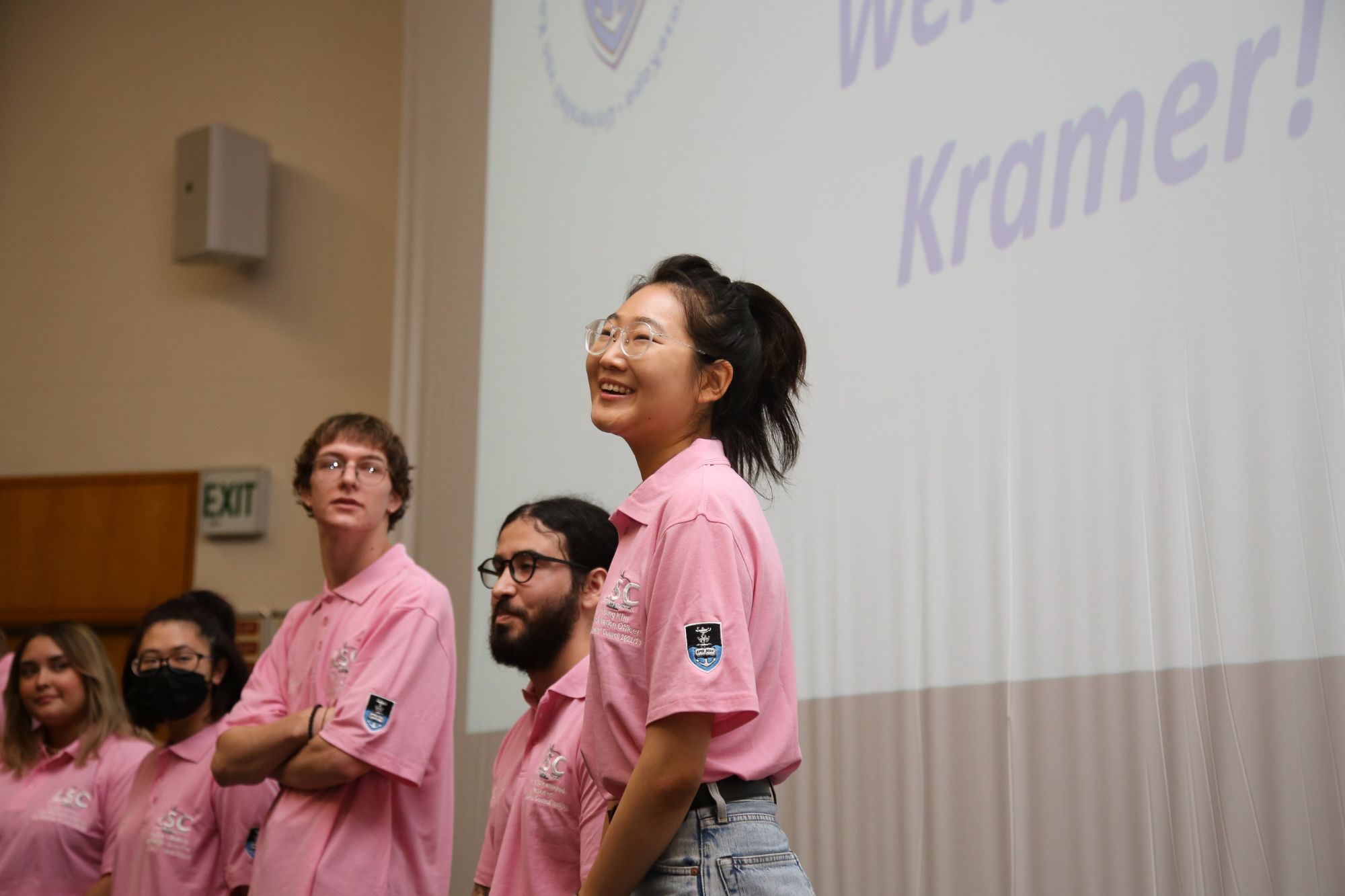
WHO?
The Faculty of Law is made up of more than 1 300 students at undergraduate and postgraduate levels, and 165 staff members.
WHAT?
The faculty is the oldest and smallest faculty at UCT. Organised into three departments – Public Law, Private Law and Commercial Law – it is home to 12 world-class research units that provide the bridge between academic endeavour and social responsiveness. The faculty has two community-serving law clinics, one which is focused on refugee rights, and both clinics provide important practical training opportunities for students.
WOW!
- To support students financially, the faculty runs a funding campaign – Excellence in Law – and contributes around R2 million to student support each year from its endowment fund. This is in addition to a range of scholarships offered.
- The faculty has a range of international agreements that enable students and staff to pursue exchanges and research relationships in Australia, Canada, Ethiopia, Europe, Kenya, the United Kingdom and the United States.
- Students and alumni from the faculty work across the globe, contributing excellence to the legal profession, the development of law, and research in the field.
- The first National Research Foundation chair in humanities was given to the Law faculty, which is now home to two National Research Foundation (NRF) South African Research Chairs Initiative (SARChI) Chairs.
- The faculty’s academic staff are among South Africa’s leading public intellectuals.
WHERE?
Wilfred and Jules Kramer Law Building
021 650 3086
law-studies@uct.ac.za | lawcares@uct.ac.za
Faculty of Law website
Science
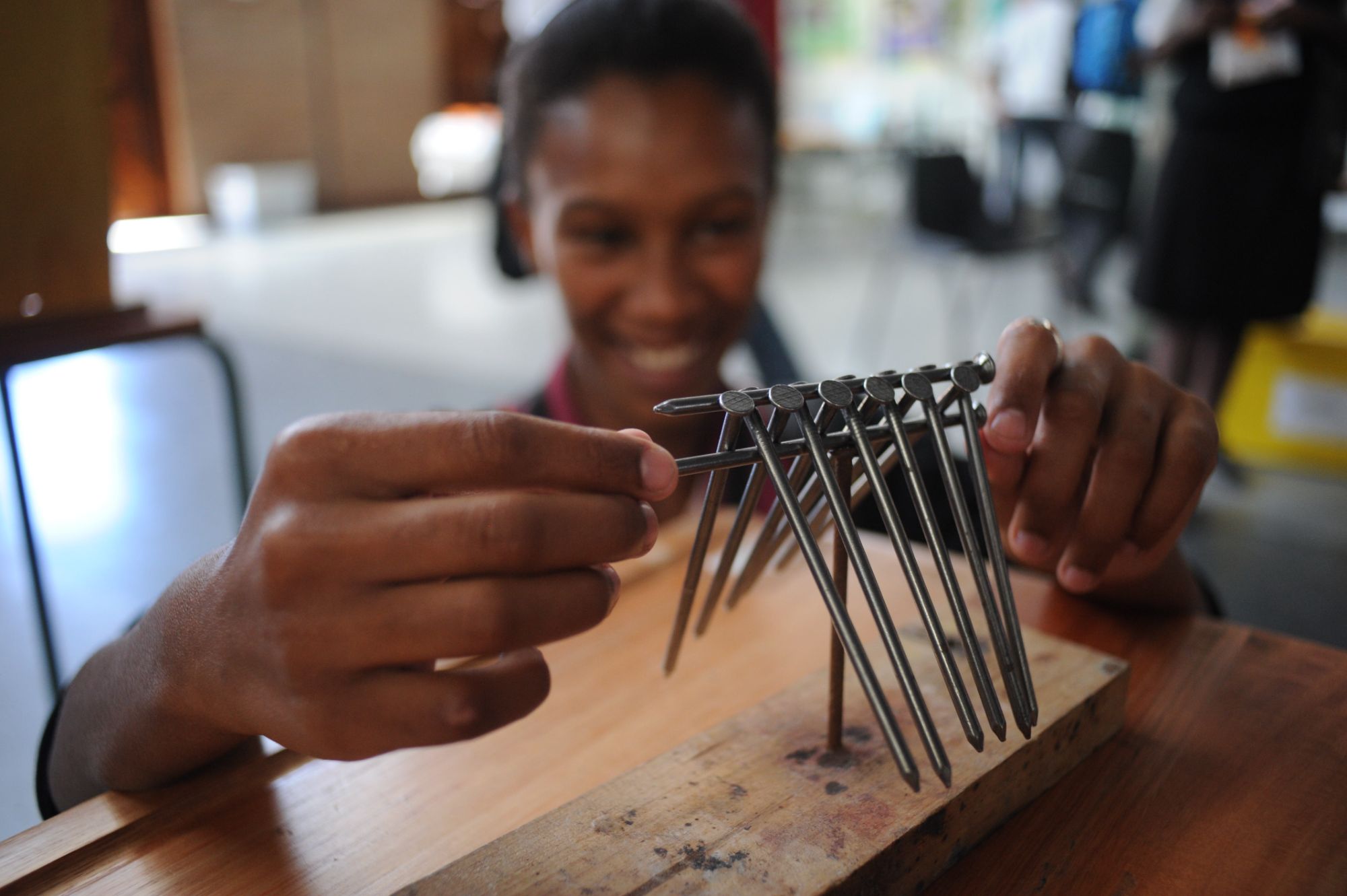
WHO?
With more than 3 000 students, the Faculty of Science continues to contribute to globally relevant research. This includes, but is not limited to, African climate and development, biodiversity, chemistry and biology for health in Africa, marine biology, southern skies and the evolving universe, and human evolution.
WHAT?
The faculty is made up of 12 departments, including archaeology, astronomy, biological sciences, chemistry, computer sciences, environmental and geographical sciences, geological sciences, mathematics and applied mathematics, molecular and cell biology, oceanography, physics and statistical sciences.
WOW!
- The Faculty of Science is placed in the top 150 for Geography and Geophysics according to the 2025 QS World University Rankings by Subject.
- Two alumni from the Department of Physics have won Nobel prizes: Alan McCormack won the Nobel Prize in Medicine in 1979 for the development of computer-assisted tomography, and Aaron Klug won the 1982 Nobel Prize in Chemistry for crystallographic electron microscopy.
WHERE?
Chris Hani, PD Hahn, RW James buildings and others
021 650 2712
sci-science@uct.ac.za
Faculty of Science website
Centre for Higher Education Development (CHED)
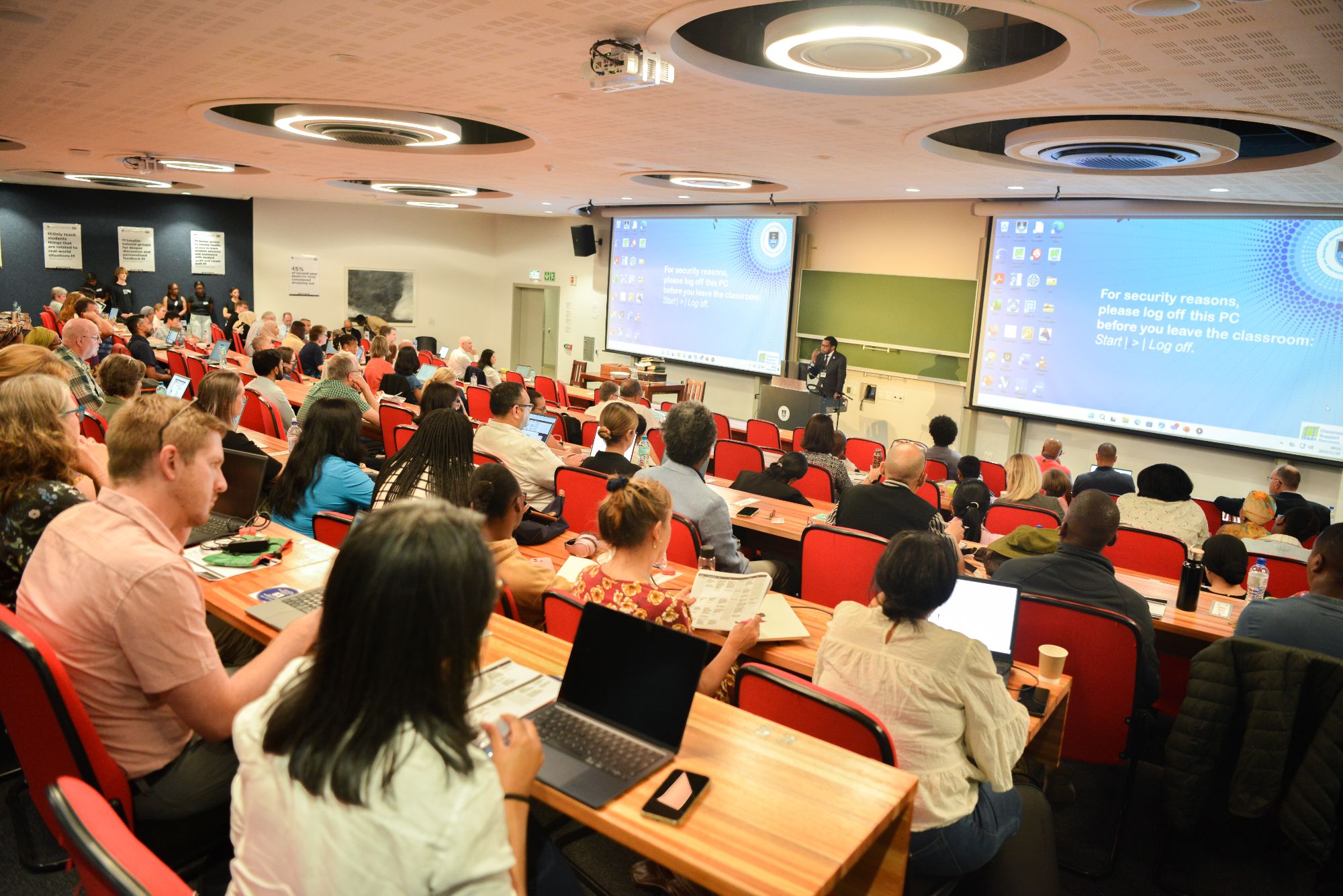
WHO?
CHED is a transversal faculty that works with the other faculties and many units across campus to continually improve access to and quality of higher education, promote excellence through equity, develop curricula in partnership with faculties, support the professionalisation of teaching staff, help students to make informed choices for career planning and readiness for the world of work, and enable systemic improvement through research-led development of informed policies.
WHAT?
CHED comprises several entities that collectively contribute to achieving its goals. These include:
- the Academic Development Programme (ADP) – including the Numeracy Centre and the Language Development Group
- the Centre for Innovation in Learning and Teaching (CILT)
- the UCT Careers Service
- the Centre for Educational Assessment (CEA)
- the Hasso Plattner School of Design Thinking (d-school).
WOW!
- Of CHED’s total budget, half of its income is from externally generated revenue: foundations, corporations, donors, governments grants and external sales.
- CHED’s total complement of staff is roughly divided equally between professional, administrative, support and service (PASS) staff and academic staff. All of these staff members contribute to UCT’s core business through professional services, such as educational technology, data analytics, career advice, graduate recruitment and employer partnerships.
- CHED’s service, including its teaching are underpinned by decades of research in key areas such as academic literacy, educational technology, testing, curriculum, numeracy and multilingualism.
WHERE
Huri ǂoaxa (Hoerikwaggo) building
021 650 2645
ched@uct.ac.za
Centre for Higher Education Development website
 This work is licensed under a Creative Commons Attribution-NoDerivatives 4.0 International License.
Please view the republishing articles page for more information.

Your studies
The transition to university can be difficult, but we’re here to support your academic work every step of the way.

Did you know more than 30 000 students study across UCT’s six academic faculties? The faculties are: Commerce, Engineering & the Built Environment, Health Sciences, Humanities, Law and Science. These faculties are supported in their teaching and learning by the Centre for Higher Education Development (CHED). Here’s what you need to know about each.
15 Jan 2026