

Wamkelekile, Welkom
From Kigali to the Continent: UCT's Impact at Africa Health Collaborative Convening 2025
01 December 2025 | Story Sibahle Muthwa. Photo African Leadership University. Read time 4 min.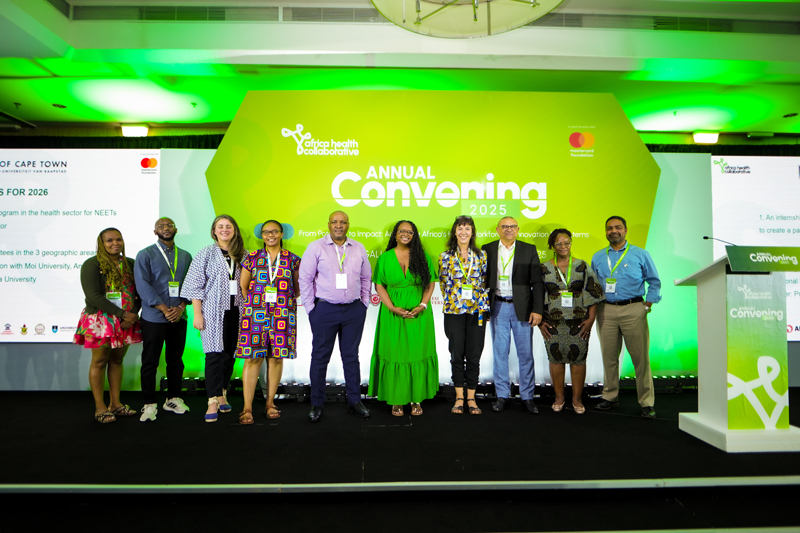
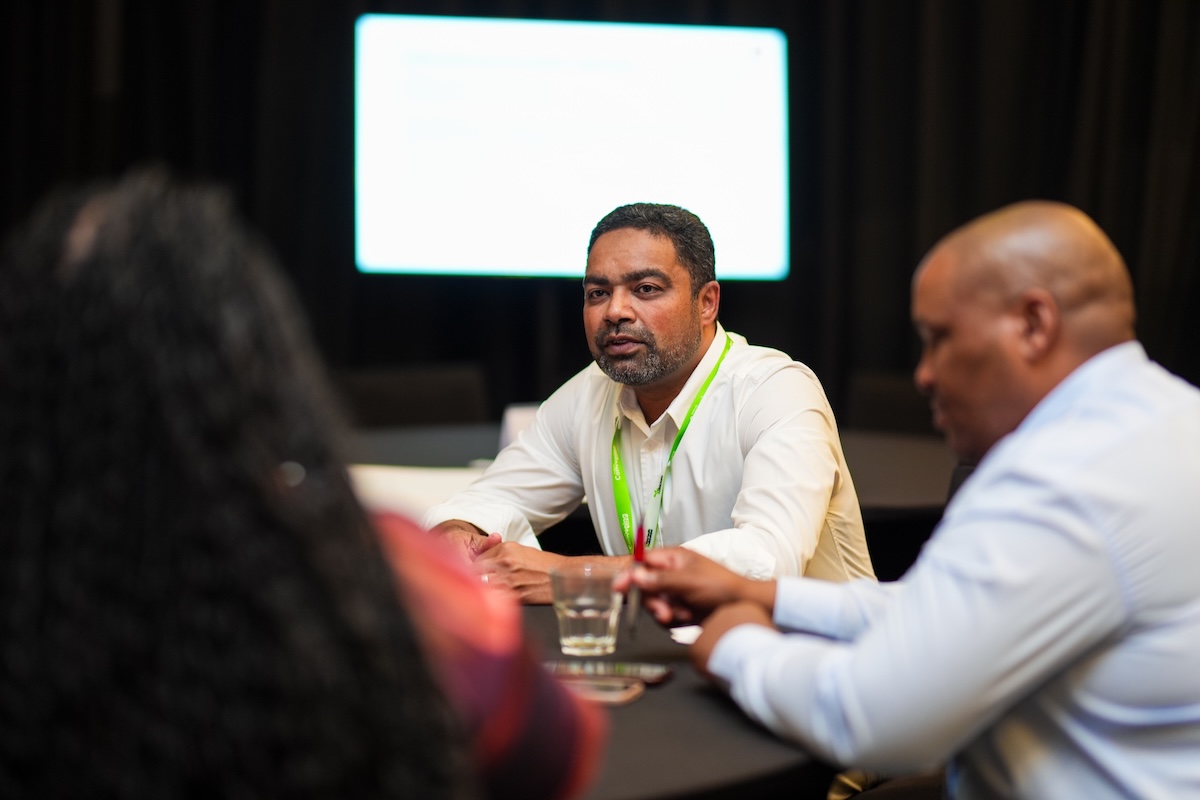
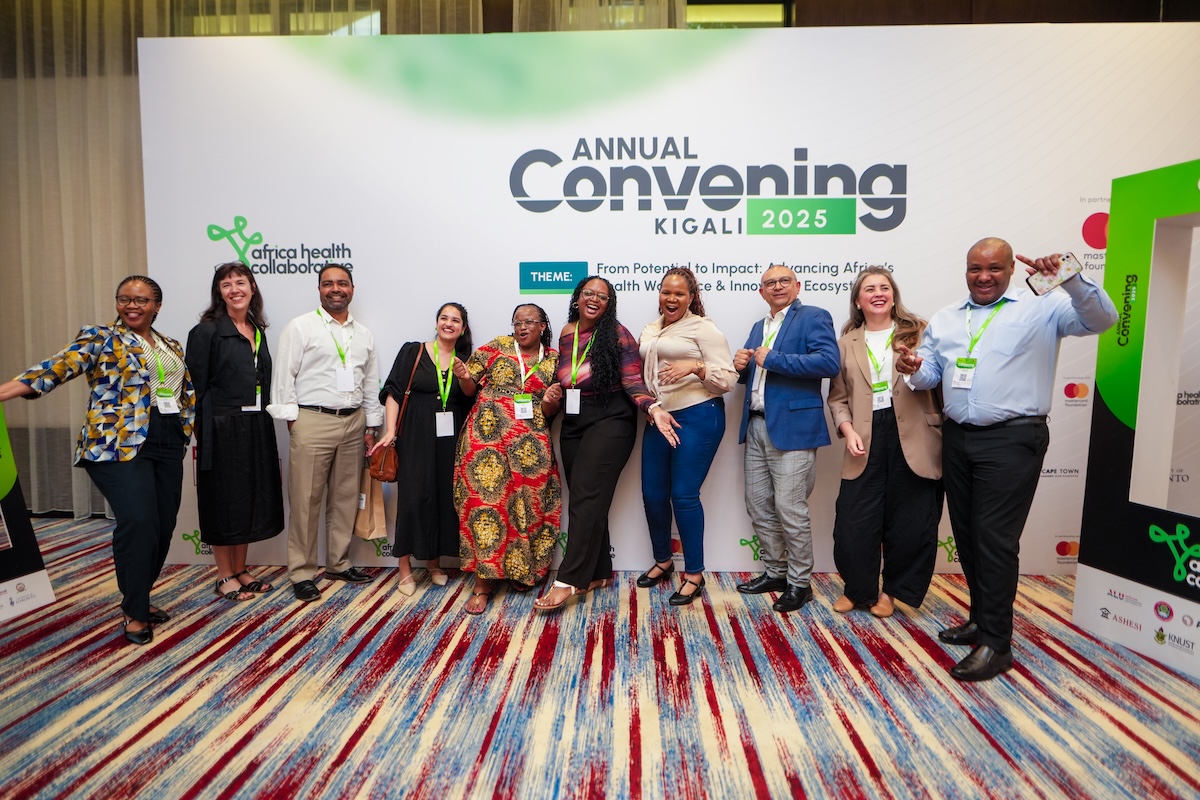
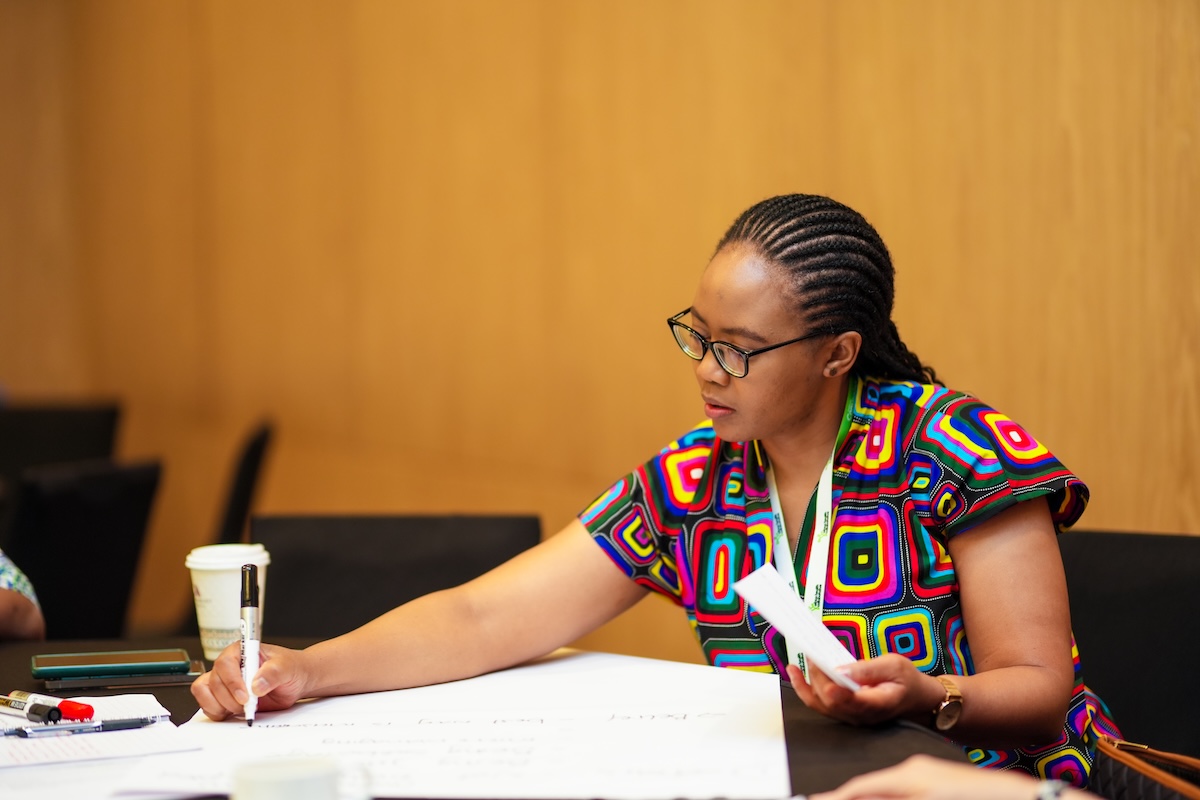
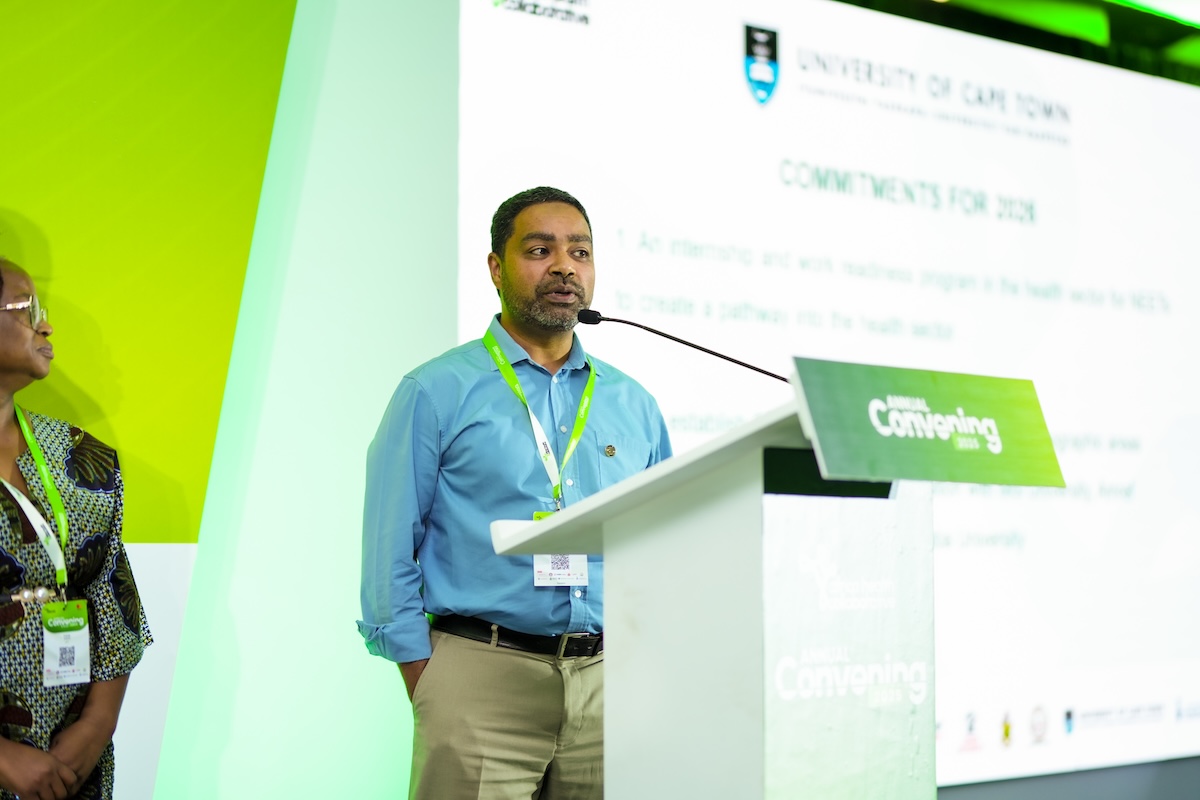
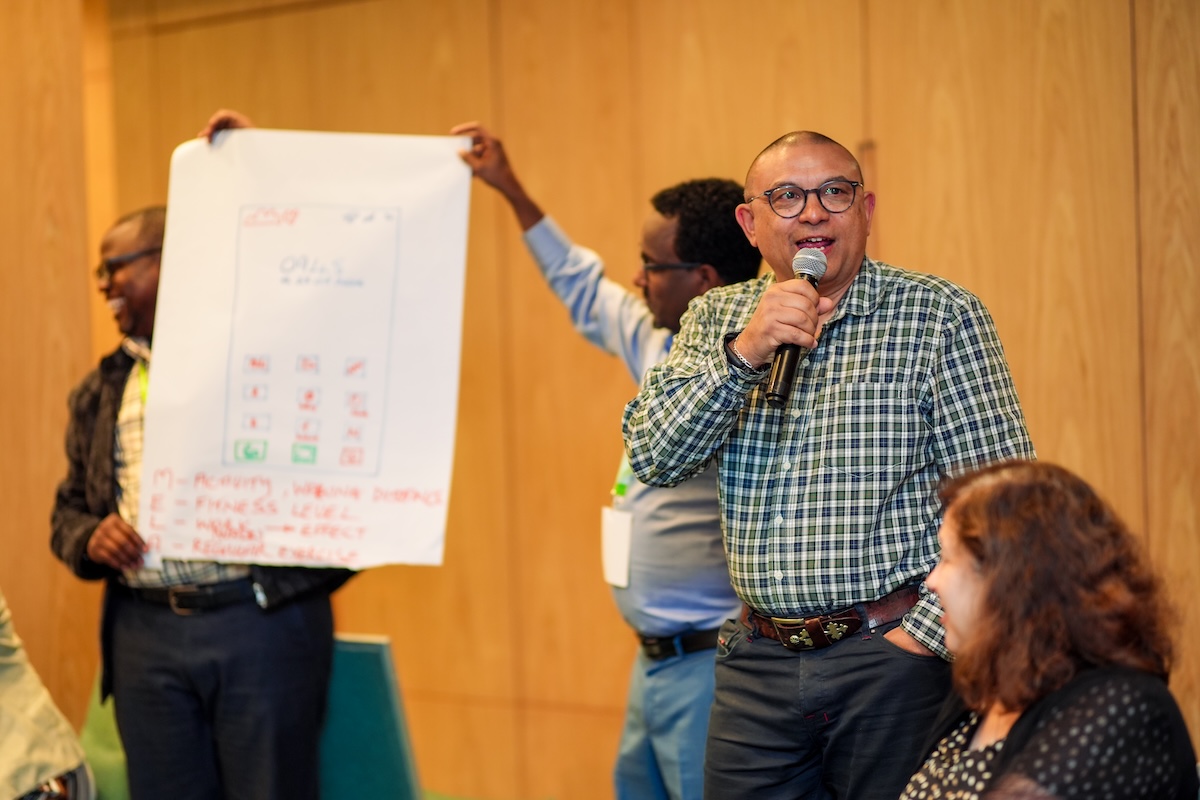
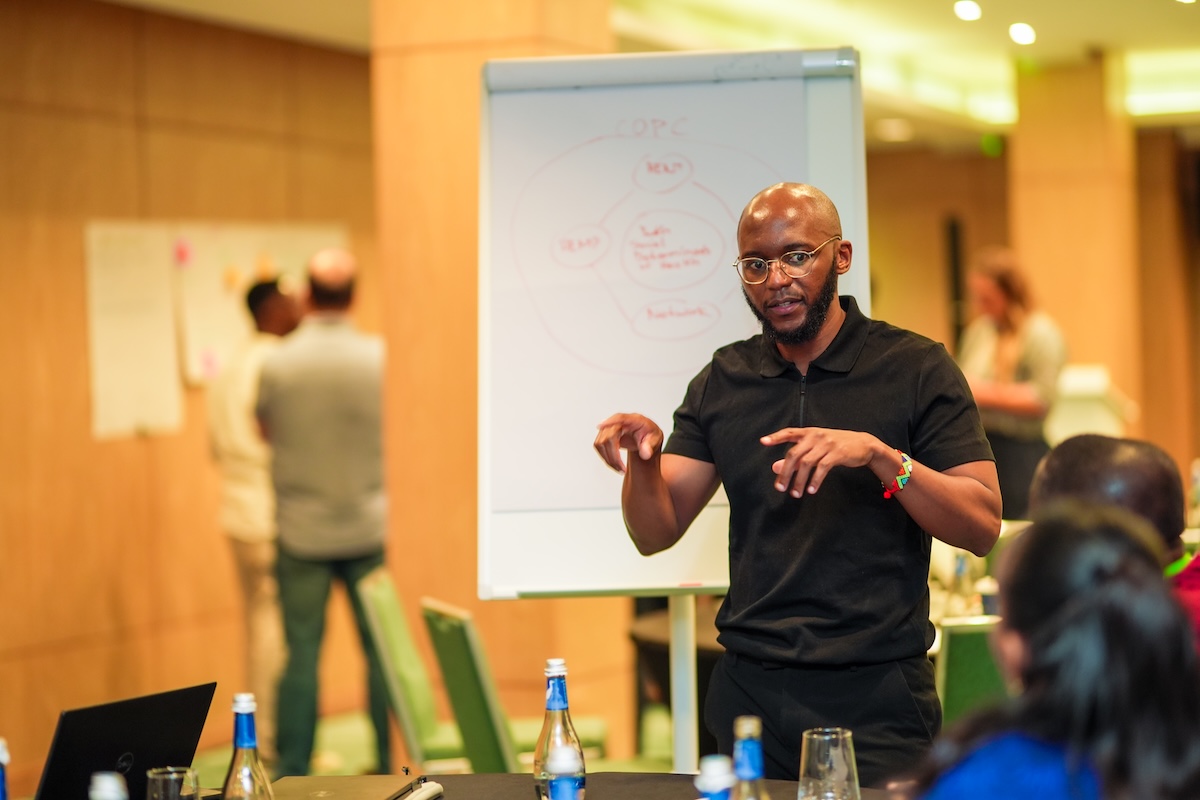
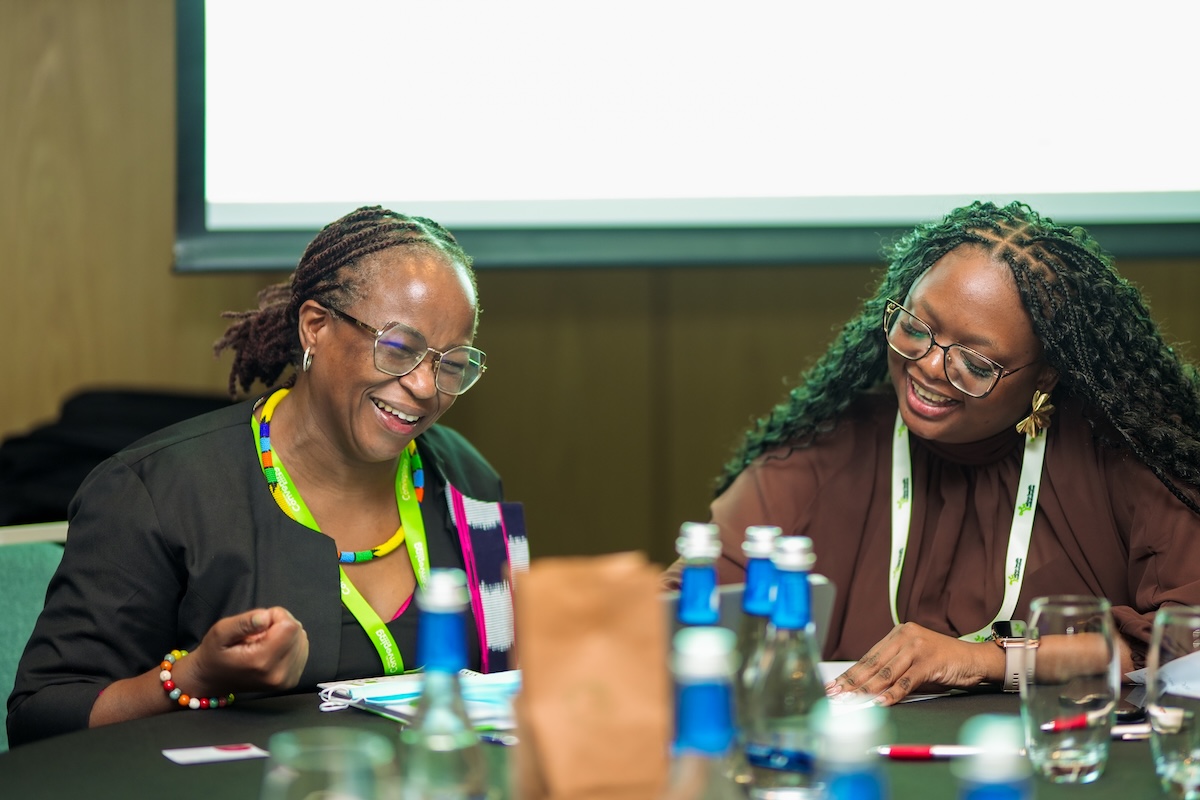
Against the backdrop of Rwanda's vibrant capital, over 200 health leaders, innovators, educators, and young changemakers gathered for the Africa Health Collaborative's third annual convening. The University of Cape Town's Healthy Futures Programme emerged as a driving force in conversations that will shape primary healthcare across Africa for years to come.
The Africa Health Collaborative represents a multi-year partnership bringing together the Mastercard Foundation, Amref Health Africa, Addis Ababa University, African Leadership University, African Institute for Mathematical Sciences, Ashesi University, Kwame Nkrumah University of Science & Technology, Moi University, the University of Cape Town, and the University of Toronto. Together, these institutions are working toward transformative goals: training over 30,000 skilled primary healthcare workers, upskilling 60,000 existing professionals, supporting 5,000 ventures, creating 20,000 jobs, and expanding access to quality care across the continent.
This year's theme, "From Potential to Impact: Advancing Africa's Health Workforce and Innovation Ecosystems," reflected a collective commitment to move beyond aspirations and toward measurable, sustainable change.
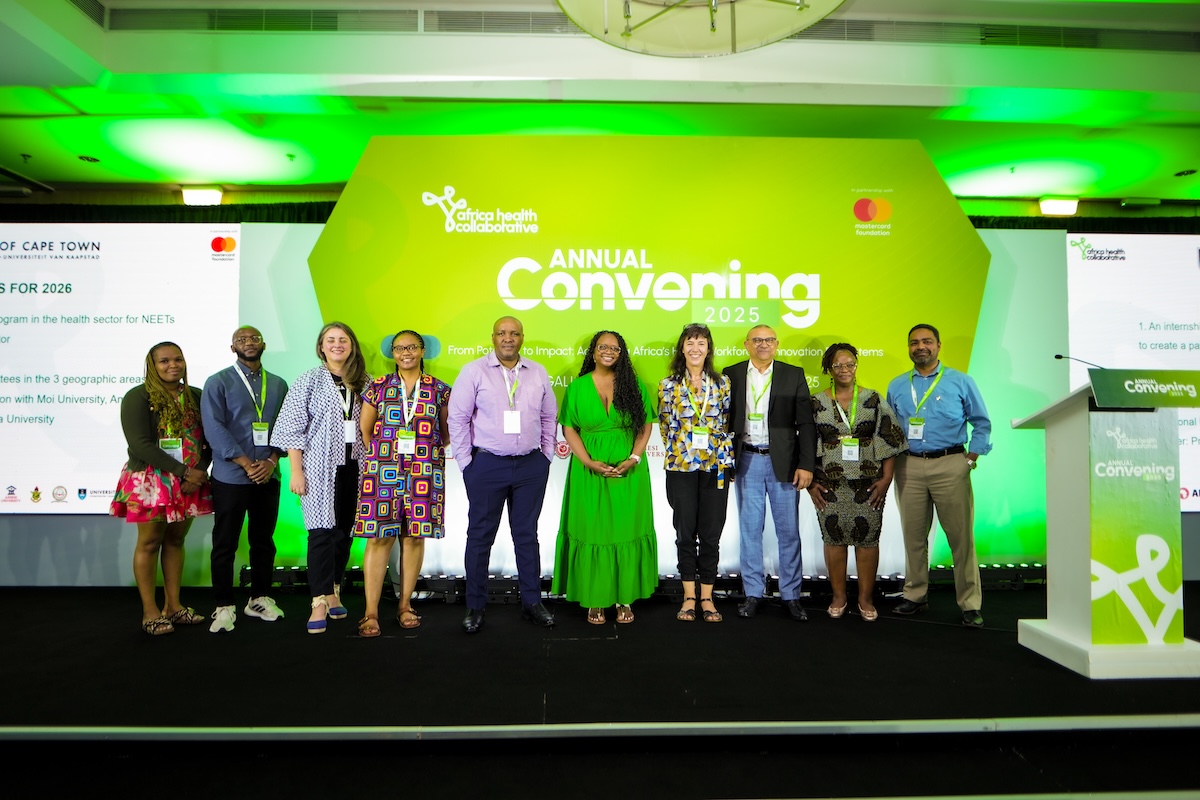
For the University of Cape Town (UCT) and its Healthy Futures South Africa programme, the convening marked not only a moment of contribution but also one of continental recognition. Across multiple sessions, UCT scholars and youth leaders helped shape critical conversations on scaling innovation, transforming leadership, and preparing the next generation of health professionals for Africa’s evolving realities.
Three UCT representatives were appointed to chair critical working groups for 2025/2026:
- Tracey Naledi, Chairperson of the Health Employment Pillar Advisory Committee, will guide strategies that transform educational programmes into employment pipelines and strengthen talent retention within Africa’s health systems.
- Sikhulile Khoza, Chairperson of the Monitoring, Evaluation, Learning and Adaptation (MELA) Working Group, will lead efforts to institutionalise learning practices and deepen collective impact across partner institutions.
- Sibahle Muthwa, Chairperson of the Communications Working Group, will bring storytelling expertise to illuminate the work of over 80 active programmes across the Collaborative’s network.
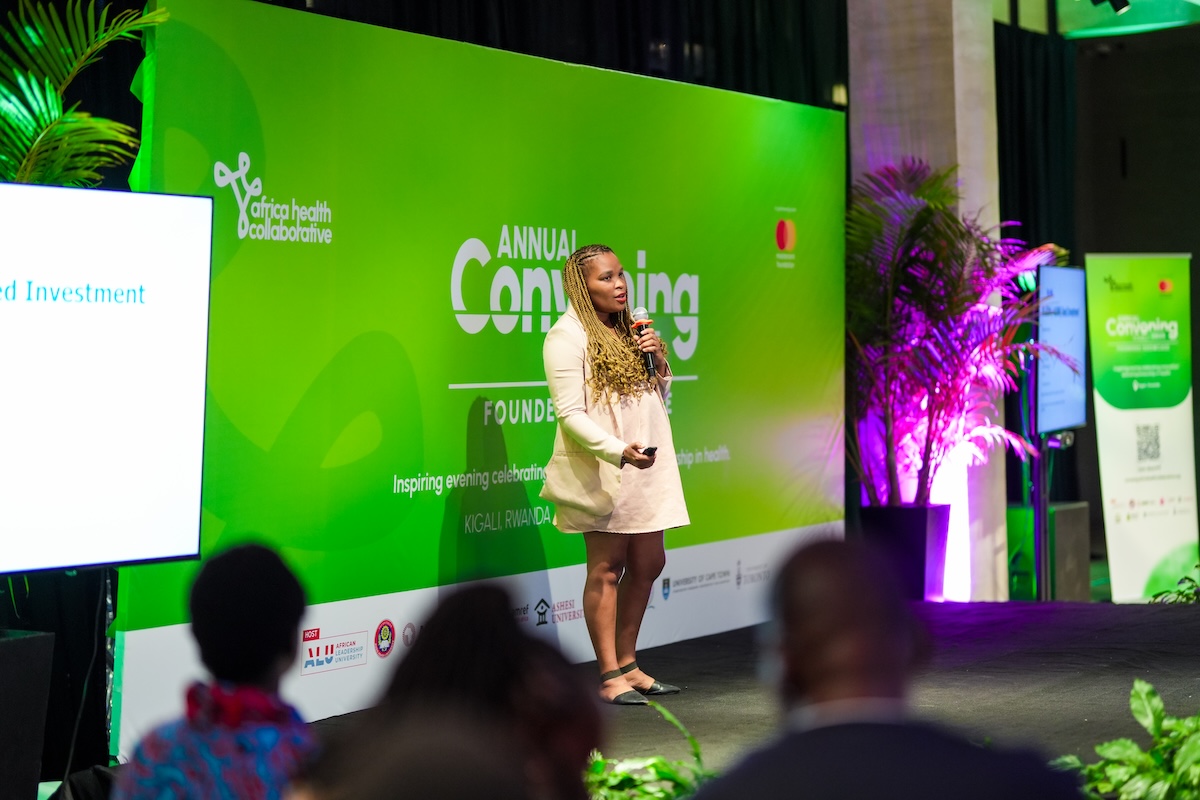
The convening opened with the Health Entrepreneurship Founders Event, featuring Ms. Nomahlubi Nompunga, Founder and Scientist at Foi Science (Pty) Ltd and winner of the Healthy Futures Venture Pitch. Through her presentation, Ms. Nompunga showcased how her biotechnology enterprise transforms food waste into healing biopolymers for skincare, wound care, and wellness products—illustrating how African science and entrepreneurship can advance gender equity, sustainability, and health outcomes simultaneously.
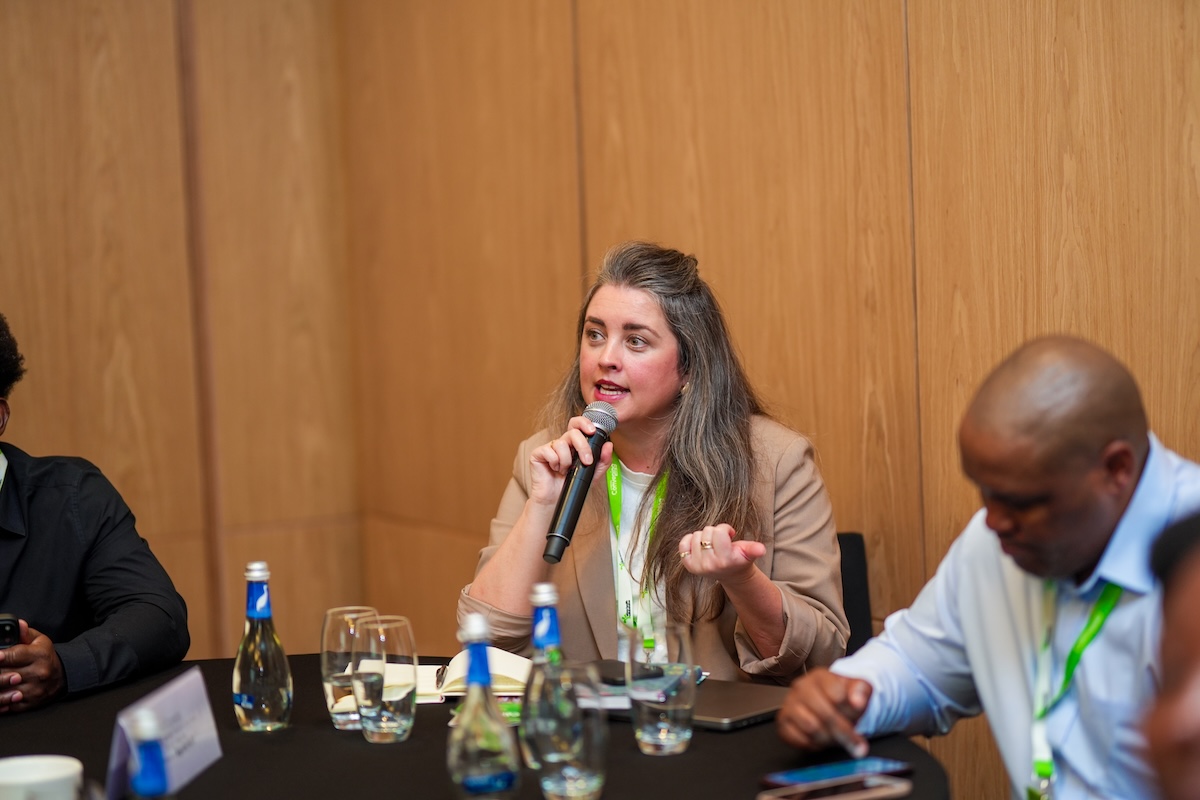
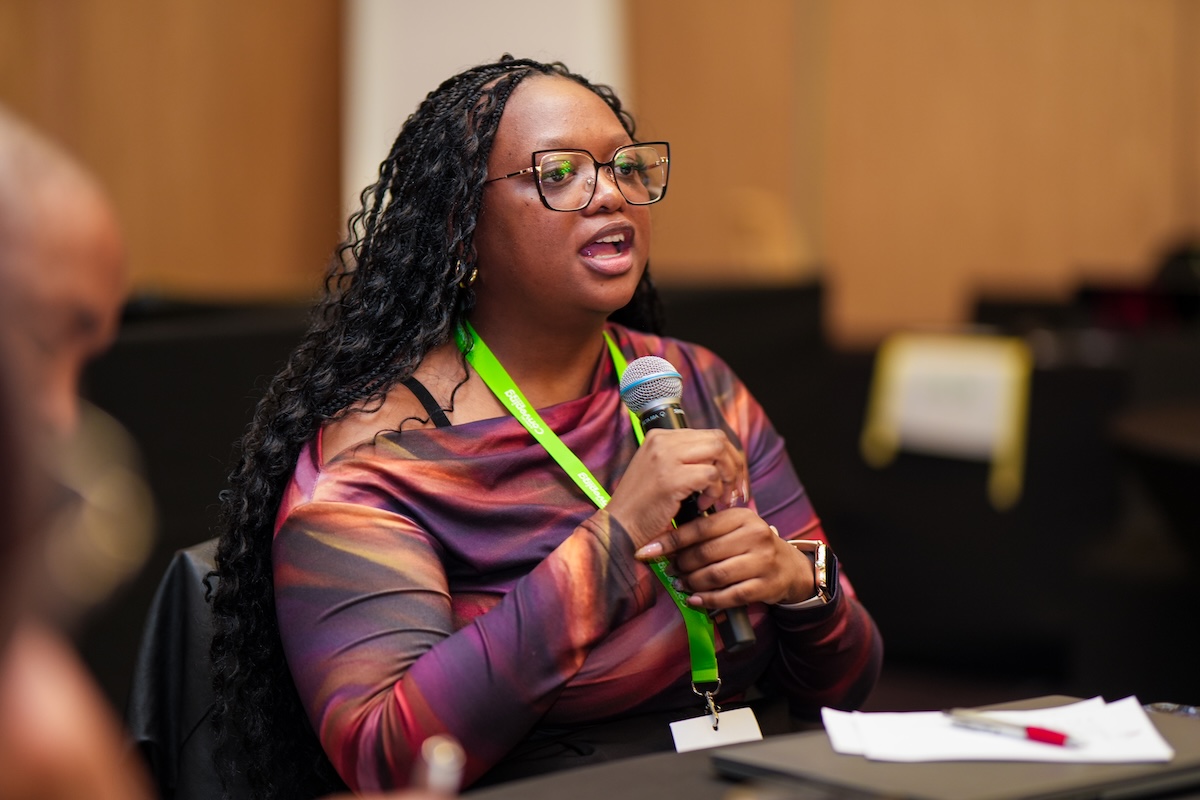
Beyond the innovation showcase, UCT’s presence was felt across sessions that turned dialogue into action. Dr. Kaneez Sayed championed youth inclusion and faculty development, calling for “universities to move from producing graduates to cultivating adaptable, values-driven health leaders.” Her contributions helped shape commitments toward competency-based curricula and mentorship models that better prepare educators and students for 21st-century health challenges. Dr. Tumelo Assegaai reframed the conversation on scale, urging partners to “measure success not by size, but by depth of impact,” and proposing frameworks that integrate local innovations into national health systems sustainably. Professor Susan Cleary advanced a people-centred approach to transformational leadership, emphasizing empathy, integrity, and reflective practice as catalysts for institutional change. In the From Campus to Practice session, A/Professor Tasleem Ras bridged research and implementation, helping define actionable pathways for young Africans to transition from learning to meaningful livelihoods. Meanwhile, Mr. Sikhulile Khoza moderated a lively panel on learning and adaptation, reinforcing that “real innovation happens when teams are brave enough to learn out loud.”
UCT’s delegation returned from Kigali with expanded partnerships and renewed purpose. The leadership roles secured by Naledi, Khoza, and Muthwa position UCT to shape the Collaborative’s next phase, strengthening systems for health employment, learning, and communications across Africa.
The impact of UCT’s participation is already tangible: Foi Science’s partnerships with universities in Kenya and Ghana will train over 150 students, develop market-ready African products, and launch student-led enterprises that create local employment.
The convening reaffirmed that strengthening Africa’s health systems requires more than technical skill—it calls for compassion, creativity, and collaboration. Through the Healthy Futures South Africa programme, UCT stands ready not only to participate but to lead in shaping an equitable and resilient health future for the continent.


Learn more at www.africahealthcollaborative.org or contact HFSA@uct.ac.za
 This work is licensed under a Creative Commons Attribution-NoDerivatives 4.0 International License.
Please view the republishing articles page for more information.


