

Wamkelekile, Welkom
UCT Libraries
08 December 2025
In an era defined by rapid technological advancement, shifting educational priorities, and increasing global interconnectedness, academic libraries must continually adapt to remain relevant and responsive. University of Cape Town (UCT) Libraries has embraced a future-proofing approach that positions us to meet these challenges proactively. This report outlines how UCT Libraries (UCTL) advanced strategic priorities through innovation, partnership, and a commitment to inclusive, user-centred services in 2024.
The sections that follow highlight key areas of focus in UCTL’s 2024-2028 strategic plan, structured around five strategic pillars: digital transformation; staff and culture; places and spaces; service innovation; and stakeholder engagement. From the integration of artificial intelligence (AI) and the digitisation of scholarly content to the transformation of library spaces and the expansion of open-access publishing, libraries continue to evolve in alignment with UCT’s Vision 2030 strategy.
This report also reflects on milestone initiatives in 2024 such as the recovery of Special Collections post-Jagger fire, the libraries’ role in fostering “third spaces” for academic and social engagement, and its hosting of the Second Global Summit on Diamond Open Access. Each of these areas illustrate the libraries’ dedication to sustainable innovation, equity in knowledge production, and user-centred service delivery.
Digital transformation and harnessing AI
Academic libraries are navigating an era of digital transformation, necessitating discernment in selecting appropriate technologies to enhance service delivery. Digital transformation and AI are often intertwined, but their distinctions must be clarified. The expanding influence of AI on library services requires careful examination to effectively adopt and adapt AI-driven solutions for efficient service delivery.
The library management team has actively engaged with experts like Professor Hussein Suleman, the dean of the Faculty of Science; and Professor Deshen Moodley, the research chair in AI, to gain a deeper understanding of the implications of AI for the libraries. Through initiatives such as AI literacy training sessions, a tailored AI LibGuide, guidance on how to cite the use of AI tools, and ongoing discussions within the academic community, the library aims to equip students and staff with the skills to navigate AI tools responsibly.
Other initiatives include collaborating with the Centre for Innovation in Teaching and Learning (CILT) on strategic UCT objectives around the following pillars: AI literacy, assessment and innovations. By embracing AI, libraries are fostering innovation while ensuring responsible and critical engagement with these evolving technologies. Throughout 2024, there was an ongoing commitment to the exploration of the adoption and adaptation of AI to attain the following objectives:
- identify, explore, pilot, and implement AI tools to enhance academic library services
- develop strategies for integrating AI into scholarly and research capabilities, bibliometrics, evidence synthesis, scholarly publishing, and digital humanities
- provide training and capacity-building opportunities for library staff to effectively utilise AI tools
- establish frameworks for continuous service improvement despite limited staff resources.
Digitisation and digital scholarship
The key focus of the Digitisation Unit is to digitise and transcode physical and born-digital materials according to best practice and standards in digital preservation. In 2024, the digitisation of legacy theses from the Faculty of Health Sciences was completed.
Multiple digitisation requests of various sizes were handled, with the highest volume of requests being recorded in April 2024. Most requests involve documents (rare books, and miscellaneous historical records), but there has been growing demand for audiovisual materials such as VHS, U-matic, and Betacam formats. Requests were also received for the digitisation of microfiche, film slides, and microfilm.
ZivaHub (Ziva is the Shona word for knowledge), UCT’s institutional open data repository, is a publishing and access platform for research data and scholarly outputs. ZivaHub was a 2024/2025 NSTF-South32 Awards nominee for an open-access data repository serving as a publishing and access platform for research data and scholarly outputs available to all students, staff and the public.
In January 2025, ZivaHub: UCT Open Data was awarded CoreTrustSeal certification and is now a CoreTrustSeal certified data repository thus affirming its status as a reliable repository and reinforcing the credibility of the datasets it hosts. This was the culmination of several years of work, right up until the last submission in December 2024.
Special Collections in recovery
Following the Jagger Library fire in 2021, the Special Collections department relocated to temporary premises in Mowbray. The venue became a crucial site for the consolidation and stabilisation of collections during a challenging recovery period. It allowed for critical conservation work, rehousing, and re-establishment of basic services.
By mid-2024, with foundational recovery efforts in place, the department once again embarked on a relocation of its staff and collections to Deneb House in Observatory, marking a move toward more medium-term, purpose-aligned facilities for its recovery and return to operations.
The relocation, carried out by the Libraries’ Facilities and Special Collections staff in June over just nine days, involved the transfer of all new donations, office furniture and equipment, over 7 000 crates of surviving archival materials, hundreds of oversized portfolios, more than 100 map cabinets, fragile conservation equipment; and all surviving Published Collections, including African Studies books, journals, pamphlets, government publications, and rare books.
Following the installation of network infrastructure and furniture, gradual occupation of Deneb House began in October. Temperature control and monitoring systems had been put in place and a dedicated reading room is in the process of being established. Researchers continue to access Special Collections by appointment.
Significant conservation work continued, including freeze drying, mould treatment, and restoration of affected materials. These items are being cleaned, stabilised, and rehoused. Nearly one thousand Antiquarian books restored by DK Conservators after the fire were returned to the Rare Book Collection. Staff have worked tirelessly to reconcile surviving collections, including checking in of surviving books and processing of new donations. Numerous key archival collections were also rehoused, including the Charles Mansergh Papers, Black Sash and Monica Wilson Papers.
In the year under review, Special Collections received major book collections of Professors David Welsh, Virginia van der Vliet, Eric Axelson, and Brian Warner, as well as a generous number of smaller donations from scholars and supporters. Major archival donations include papers of Rivonia Trialists, Denis Goldberg, Jack Kantor, and Professors Harold and Annmarie Wolpe.
There was also a growth in digital engagement and partnerships throughout 2024. Interns from UCT and the University of Pretoria supported ongoing projects, while Special Collections staff contributed to academic forums and institutional collaborations.
To expedite the recovery of approximately 10 000 heavily water-damaged items placed in cold storage after the fire, the libraries arranged for them to be shipped to the Belfor Fire Recovery Facility to be treated.
A special acknowledgment and note of appreciation to Mandy Noble, Principal Librarian: Published Collections, Special Collections who retired from UCTL at the end of 2024. Her tireless contribution to the recovery efforts after the Jagger fire was invaluable.
The role of UCTL as a third space
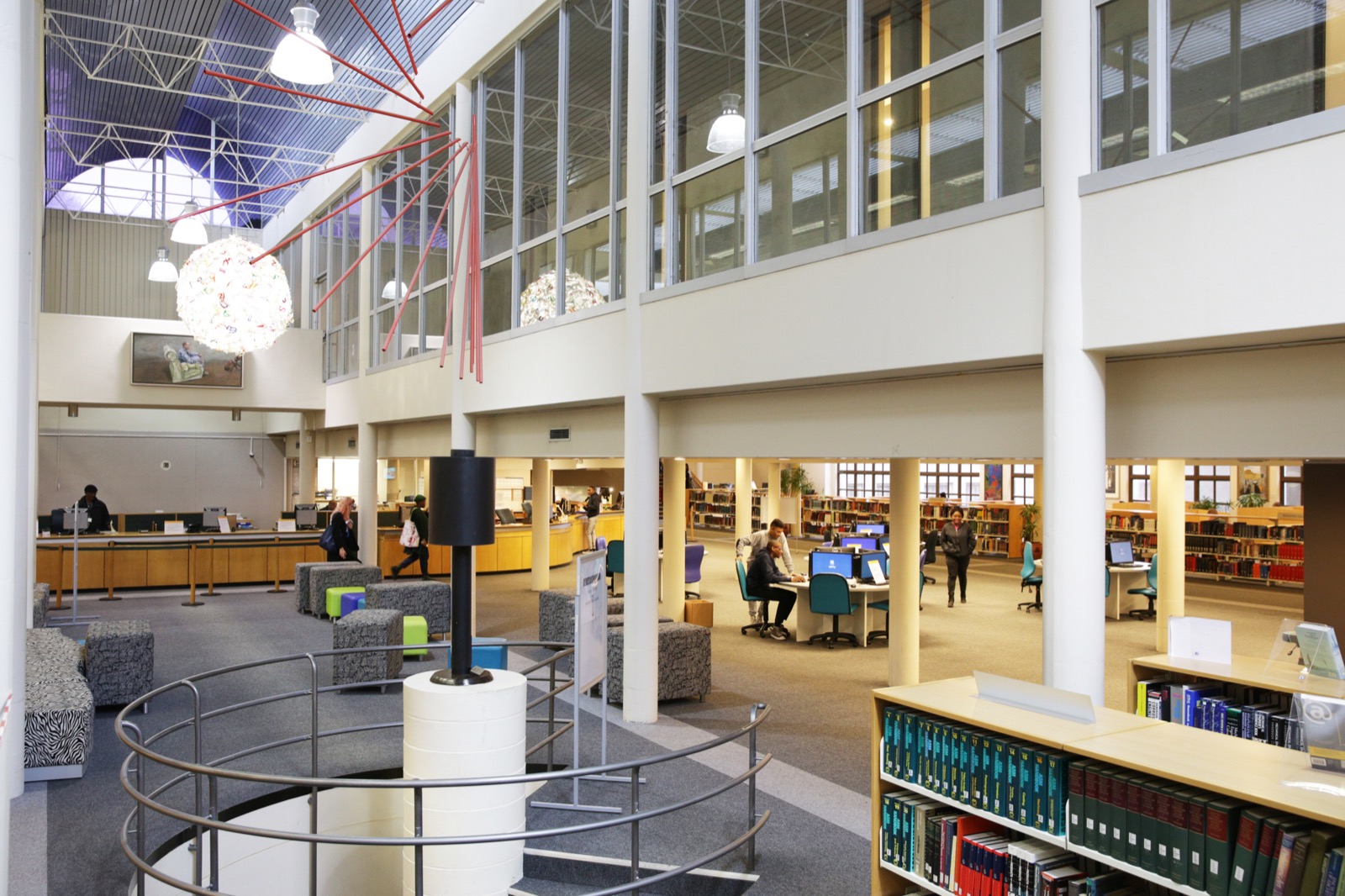
At UCT, the libraries play a crucial role as a third space, a term popularised by sociologist Ray Oldenburg to describe informal public gathering places that foster community. Libraries, particularly our more recently renovated facilities, embody this concept by providing students and academics with welcoming spaces that encourage collaboration, creativity and engagement beyond the traditional classroom setting.
The recent renovation projects have transformed our physical landscape, making them more conducive to learning and interaction. These renovations have included the introduction of Library Learning Lounges, which are designed to be flexible, comfortable environments where students can study, collaborate and share ideas. These lounges feature modern furnishings, technology access, and resources that facilitate group work and informal discussions, thus enhancing the libraries's role as the hub of academic life. By providing these spaces, UCTL acknowledges the diverse needs of its users and creates an inclusive atmosphere that caters to different learning styles and preferences.
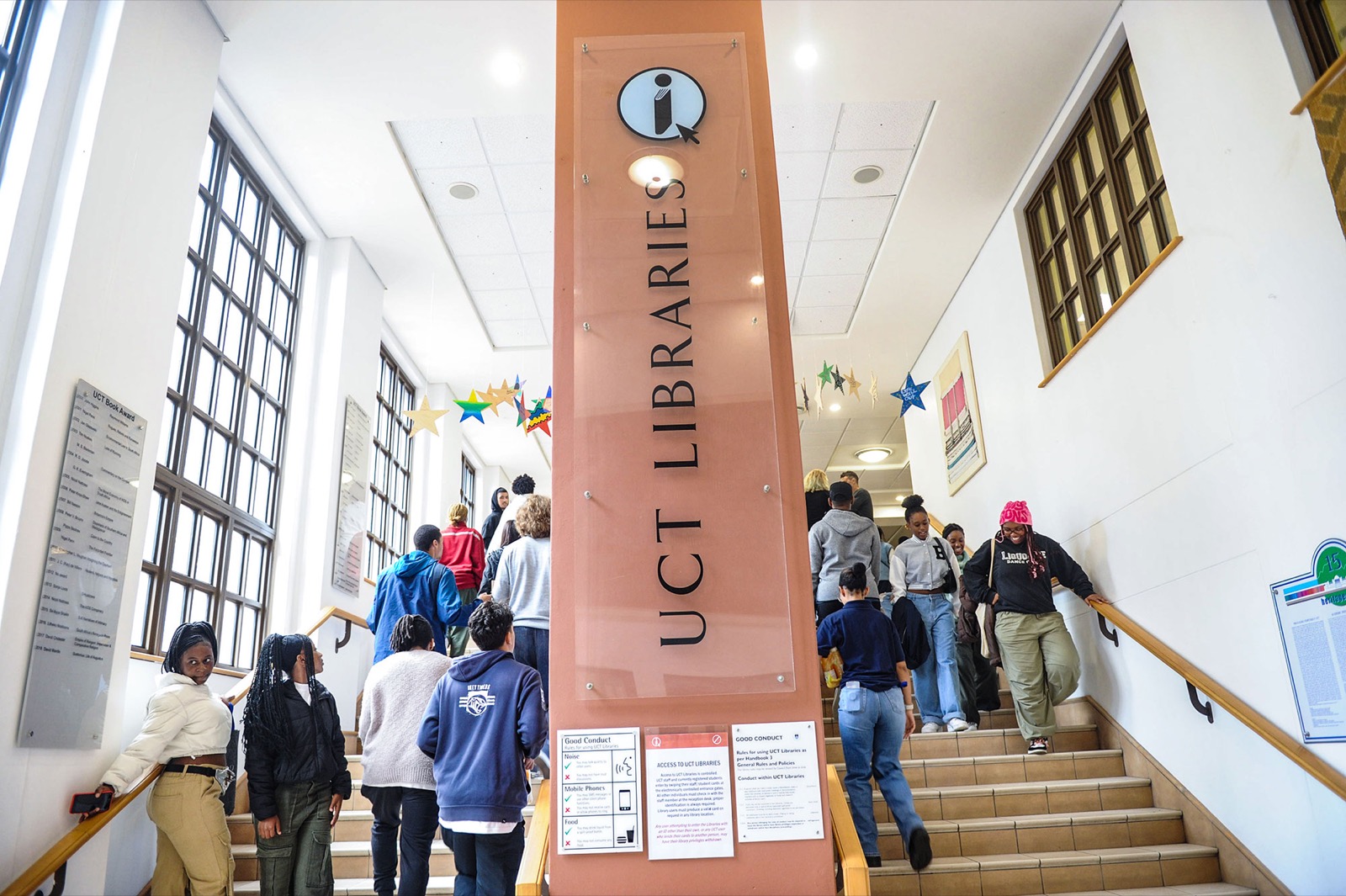
Moreover, the Library Learning Lounges serve as vital social spaces where students from various disciplines can connect and engage with one another. This interaction not only fosters a sense of community but also encourages interdisciplinary collaboration, which is essential in today’s interconnected academic landscape. As students gather in these lounges, they share knowledge and experiences, enriching their educational journeys and building networks that extend beyond their immediate studies. Such interactions are invaluable as they prepare students for the collaborative nature of the professional world. There is a library learning lounge in the Snape Building which is open to all registered students and staff and another in the Chris Hani building, a modern study area open to students, repurposed as a contemporary learning space.
In conclusion, UCTL provides the institution with these third spaces by providing students and academics with environments that promote both learning and social interaction. The considerable investments we have made in recent renovations have significantly enhanced our capacity to serve as a dynamic and inclusive hub for the university community. By prioritising these spaces, the libraries not only support academic excellence but also fosters a vibrant culture of collaboration and connection that is essential for personal and professional growth.
The rethinking of art in UCT’s main library, a project led by the UCT Works of Art Collection (WOAC) committee with support from the Libraries Transformation Committee, also contributes to and reflect this ‘third space’ vision of belonging, dialogue and informal learning. The reimagining of art invigorated the spaces of the main library with visually striking and conceptually engaging art, and was also an opportunity for workshops in which staff and students could together explore their future visions for space and place in the university’s libraries.
Administrative responsibility of the Works of Art Collection
In January 2024, WOAC was transferred to be part of the UCTL portfolio. The placement of the UCT art collection within libraries is a positive acknowledgement of the value of this art collection as a teaching, learning and research resource, and enriches the offerings that UCTL provides to the university, as well as to external researchers.
UCT Press
UCT has two presses in thelibraries Press and UCT Press. The latter was brought back to UCT after the imprint was leased to Juta and subsequently returned. UCTL is now the steward of press. It is strategically important, and enhances UCT’s prestige and our research-intensive leadership role on the continent. A Memorandum of Understandig (MoU) between the deputy vice-chancellor (DVC) for Research and Internationalisation and UCTL describes the specific relationships and responsibilities and commits the university to infrastructural, staffing and financial support. In 2024, the management of UCT Press was streamlined and comprises a board (currently chaired by Fiona Ross) and a management team (chaired by Reggie Raju).
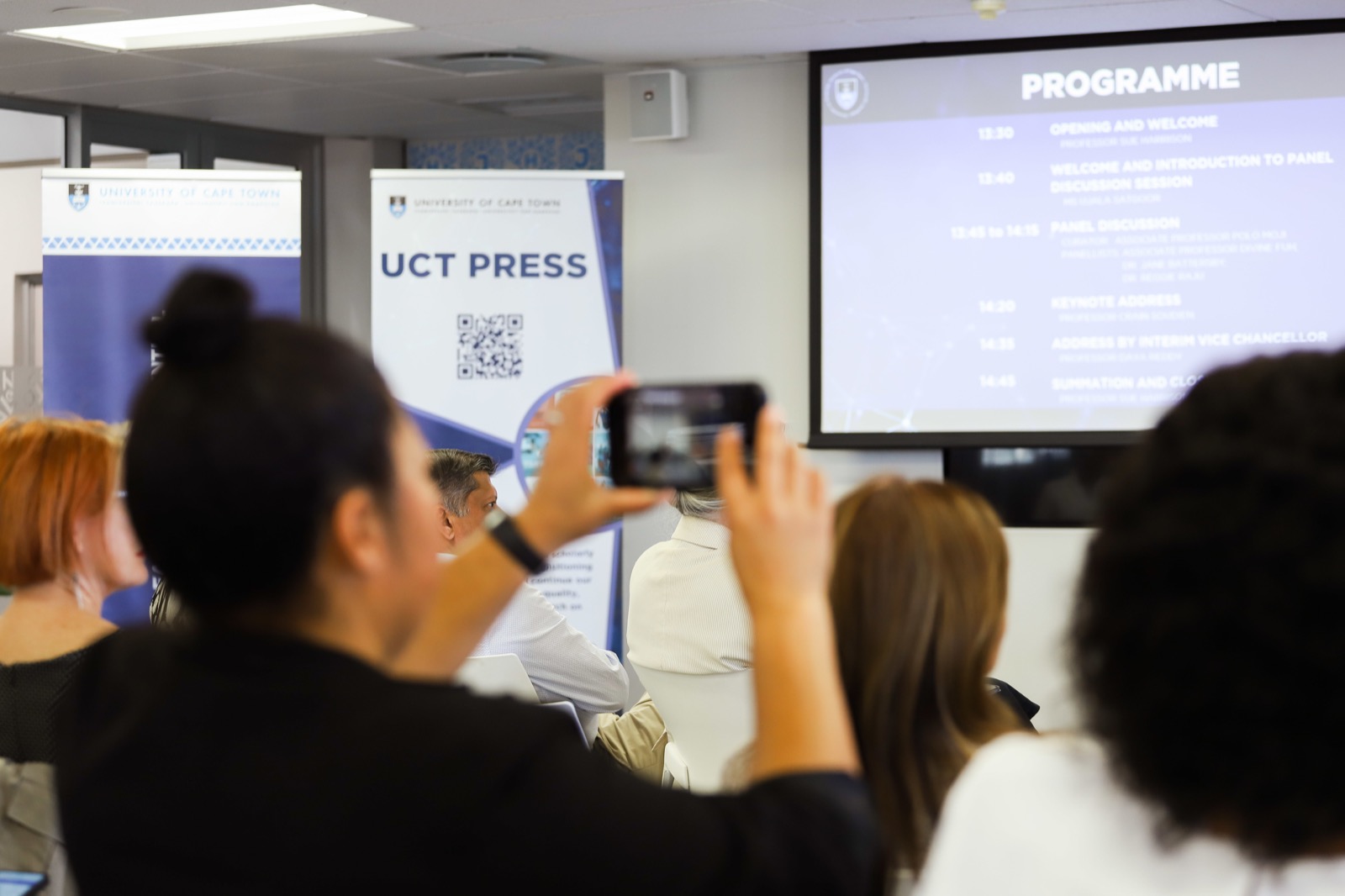
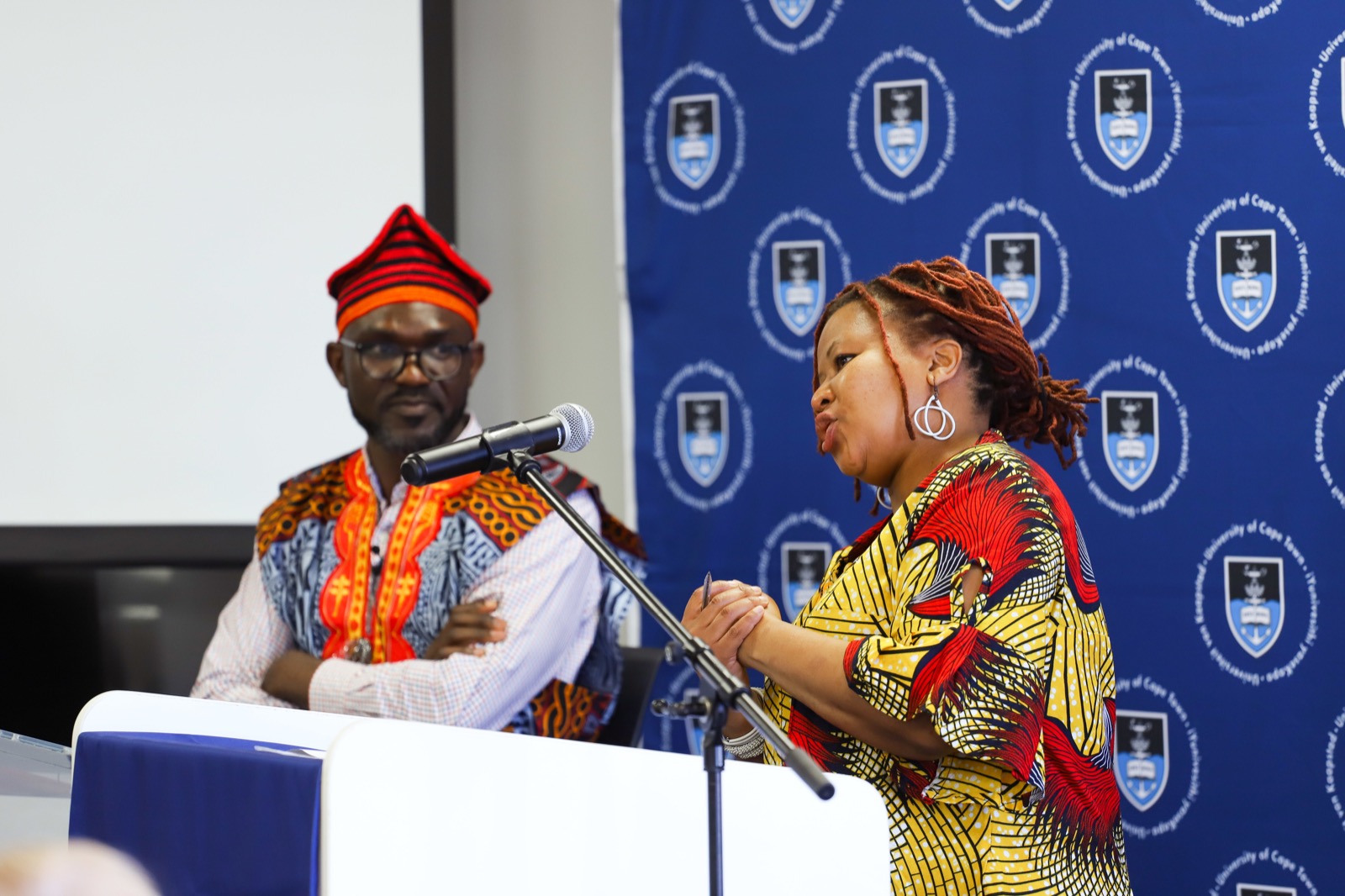
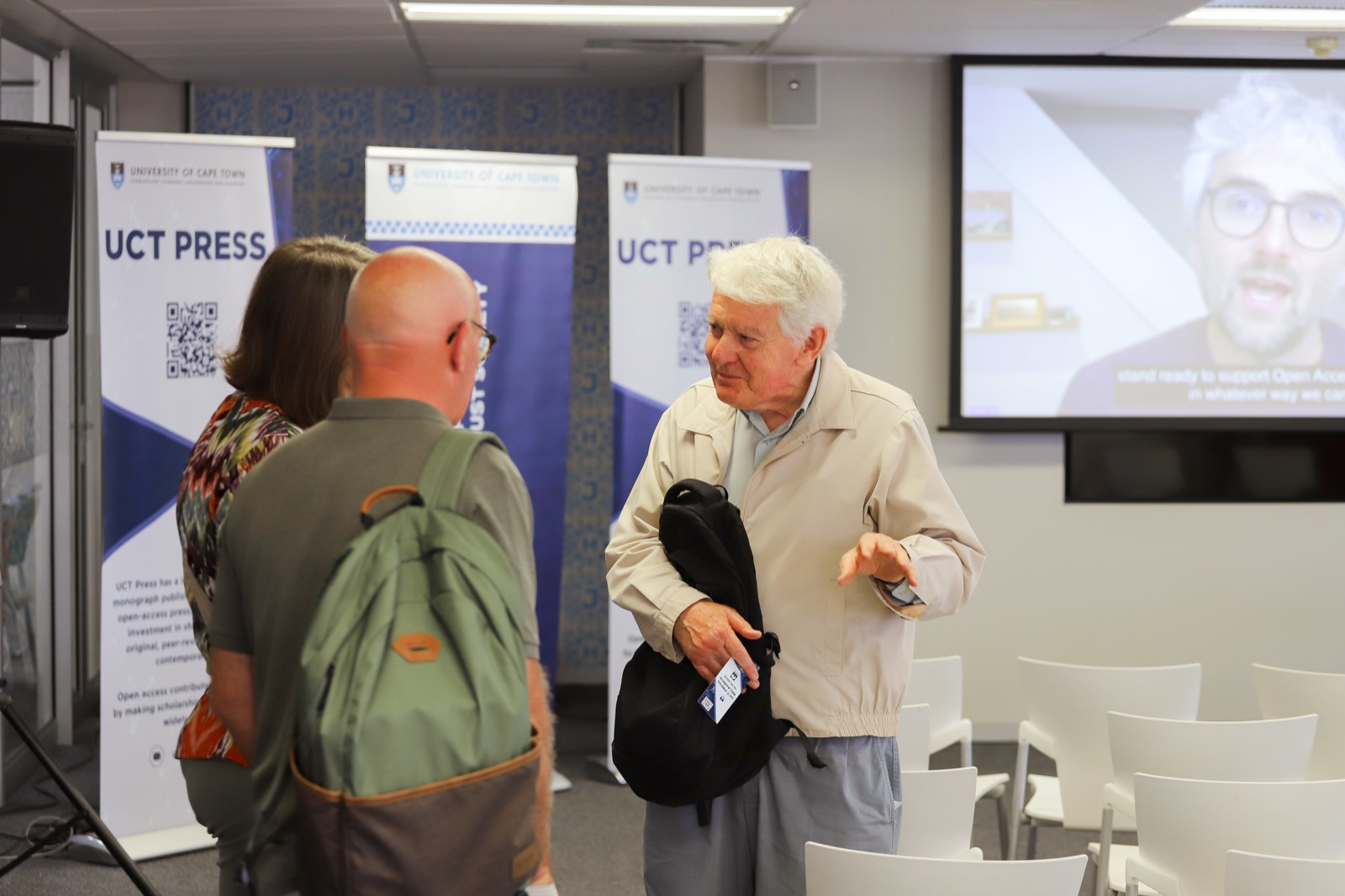
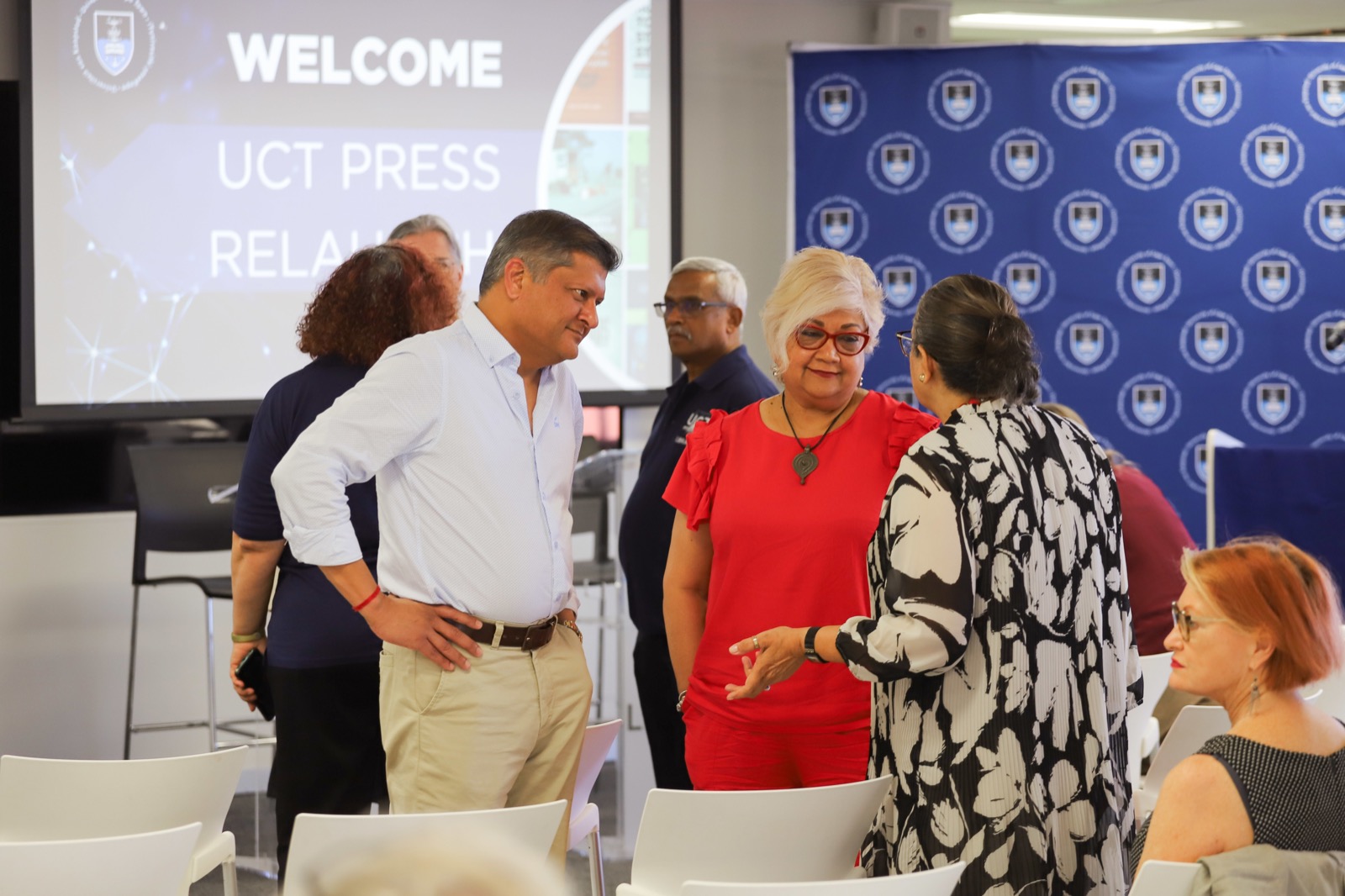
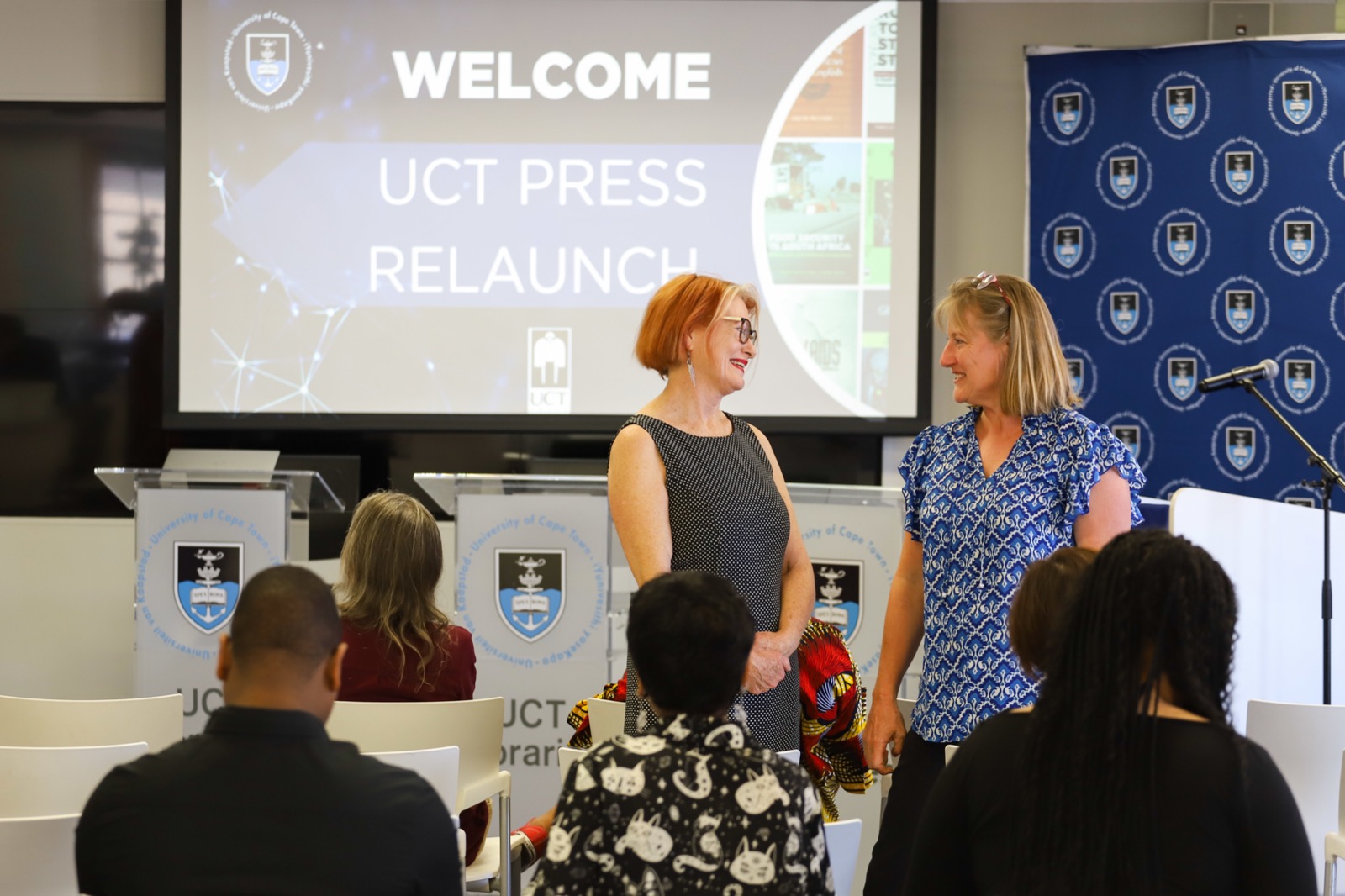
The return of the UCT Press is a strategic initiative advancing UCT’s research leadership and social justice mission through Open Access (OA) publishing. As an OA university press, it prioritises the publishing of high-quality scholarly work. Using the African Platform for Open Scholarship (APOS) and the most liberal Creative Commons license (CC-BY), the press ensures broad dissemination while challenging profit-driven academic publishing. Through its transition to Diamond OA, it aligns with UCT’s vision of social and epistemic justice, eliminating financial barriers to knowledge access. Future plans include multilingual publishing to support linguistic diversity and continental scholarship.
In 2024, UCT Press published two books: Contested Karoo, a volume edited by Cheryl Walker and Tim Hoffman, which is fully OA; and The South African State Transformed, co-authored by Louis Picard, Thomas Mogale and Caitlin Corrigan.
The Second Global Summit on Diamond Open Access
The Second Global Summit on Diamond Open Access (DOA) was one of UCTL’s primary strategic projects for 2024. Held from 8 to 13 December 2024 at UCT, the event brought together 1 171 participants – 546 in person and 625 virtually – from around the world. Hosted by UCTL in collaboration with global and regional partners, including Redalyc/AmeliCA, SPARC, the NRF, UNESCO, and the Association of African Universities, the summit fostered dialogue on equity-driven, community-led open access publishing.
Conducted in five languages, including KiSwahili, the summit tackled themes of epistemic justice, sustainability, and the decolonisation of research. Key takeaways included the need to reimagine research assessment, enhance citizen engagement in knowledge production, and support culturally inclusive and non-commercial publishing infrastructures. A notable outcome was the Toluca-Cape Town Declaration, which affirmed knowledge as a human right and a public good. The summit catalysed African leadership in DOA, supporting regional adaptation of models to enhance visibility and equity in research dissemination. The Toluca-Cape Town Declaration anchors a shared vision of inclusive, multilingual, and non-commercial open access aligned with the 2021 UNESCO Recommendation on Open Science.
Conclusion
As UCTL looks ahead, the foundations laid during previous years point toward a bold and transformative future. The strategic positioning of libraries within the university – as a hub for interdisciplinary collaboration, open scholarship, and inclusive engagement – will be critical in shaping the institution’s academic and social impact in the coming years.
The transition from “Collections to Connections” is more than a spatial or technological shift; it is a cultural reimagining of the role of the academic library in the 21st century. With investments in AI, digitisation, multilingual and open-access publishing, and inclusive space design, UCTL is committed to enabling innovation, fostering equity, and amplifying African scholarship on a global stage.
The trajectory of the UCTL 2024–2028 Strategic Plan, in tandem with the longer-term 10-year Master Plan, is aligned with Vision 2030 to unleash human potential through excellence, transformation, and sustainability. UCTL will continue to lead by example, building resilient, responsive, and radically inclusive academic library services that reflect the needs and aspirations of our diverse user communities.
 This work is licensed under a Creative Commons Attribution-NoDerivatives 4.0 International License.
Please view the republishing articles page for more information.