

Wamkelekile, Welkom
Prof Mushi Matjila’s inaugural lecture – an ode to ‘dear mother’
22 September 2026 | Story Niémah Davids. Photos Lerato Maduna. Read time 7 min.
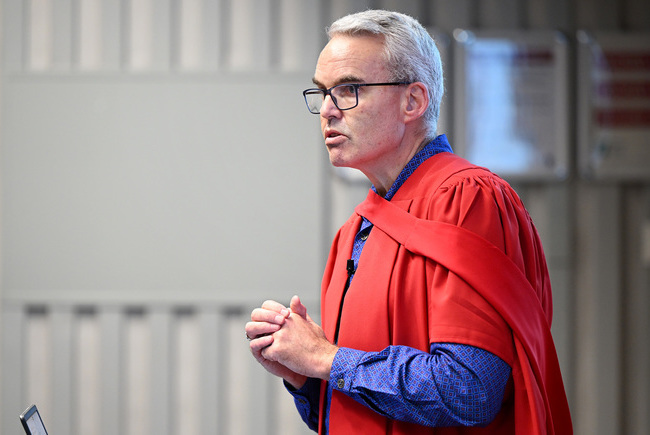
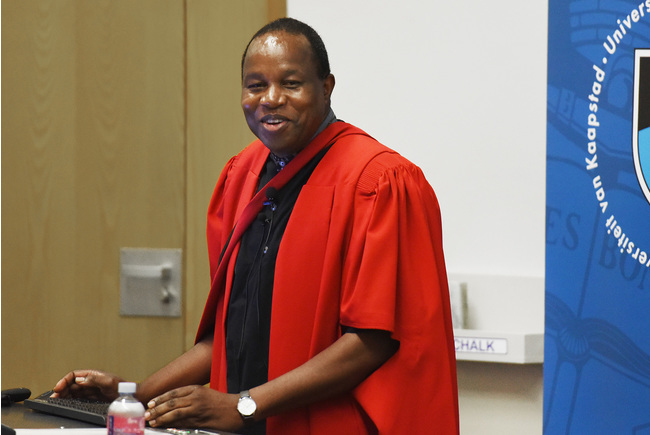
Professor Mushi Matjila has been dogged in his pursuit to improve the quality of maternal health for women and adolescent girls in South Africa and the continent. He has dedicated his career to advancing reproductive health by advocating for the dignity of women and the well-being of mothers and newborns.
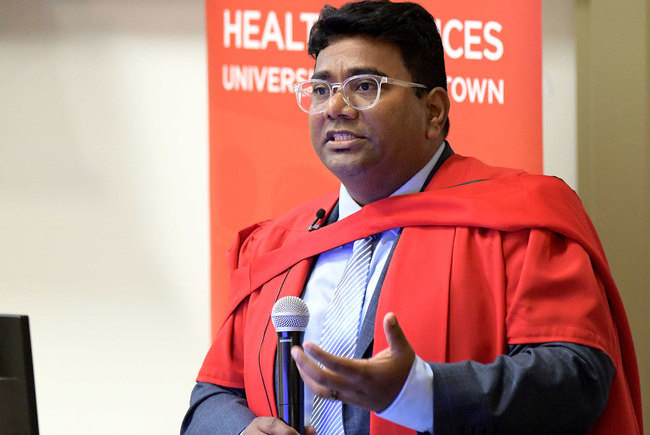
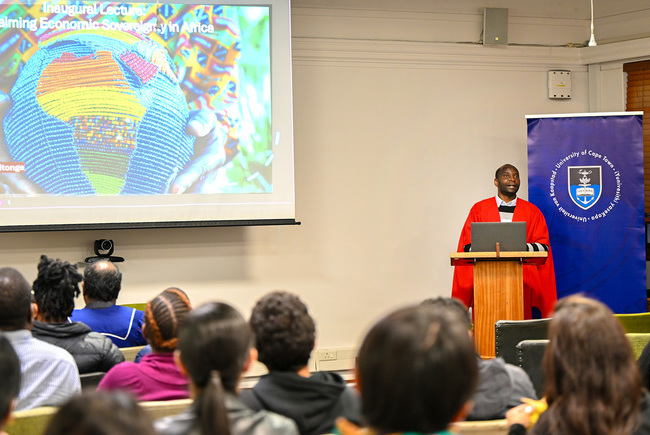
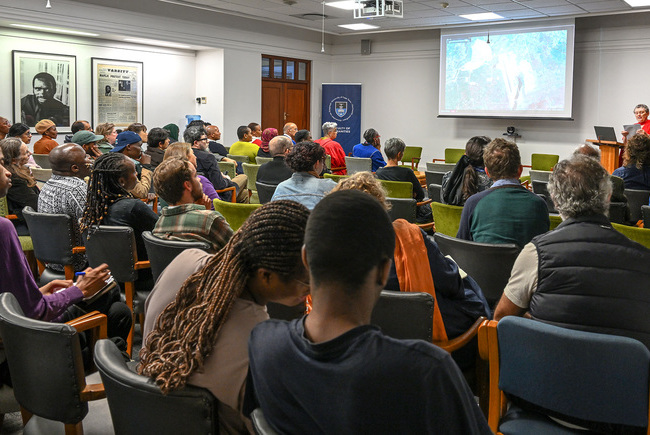
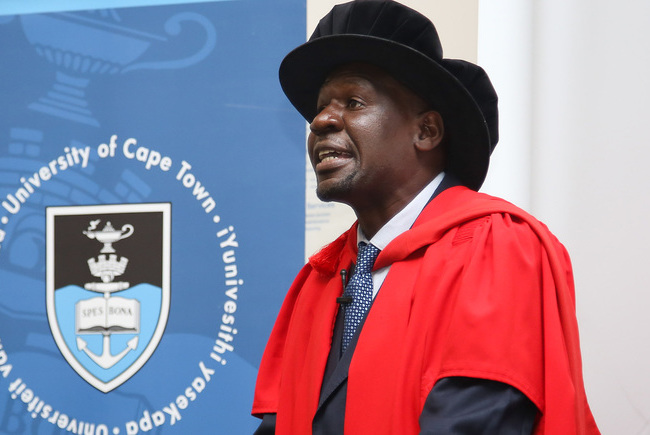
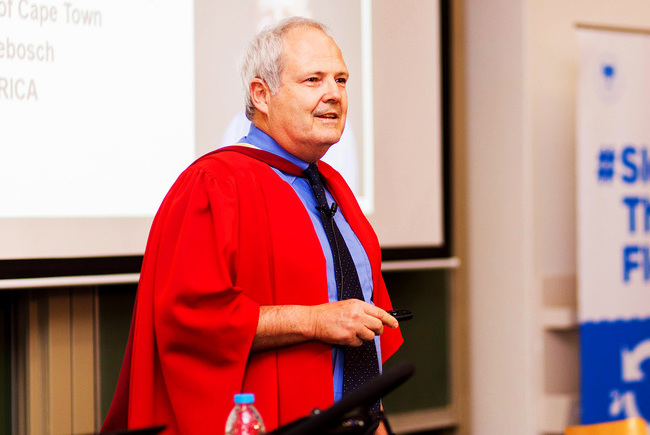
When he stepped onto the podium to deliver his inaugural lecture, he dedicated it to the woman who made it all possible – his beloved mother, Mabel Elizabeth Matjila – a focused and determined woman and a source of great strength, wisdom and inspiration. Ma Mabel sat proudly in the front row of the New Learning Centre Lecture Theatre in the University of Cape Town’s (UCT) Anatomy Building. She was joined by other members of Professor Matjila’s family, including his wife and children.
“To the matriarch, who is now 92 and three-quarters, whose love continues to provide vision, guidance, discipline and focus: with this lecture, I would like to honour you, my dear mother,” he said.
Matjila is the head of the Department of Obstetrics and Gynaecology at UCT and Groote Schuur Hospital (a UCT teaching hospital). He delivered his inaugural lecture titled: “Navigating Growth through the Support of Others: From Kiss-ing in the Placental Bed, through to Research, Policy and Placenta-Mediated Disorders” to a packed lecture theatre on Thursday, 17 September.
Affirming a covenant
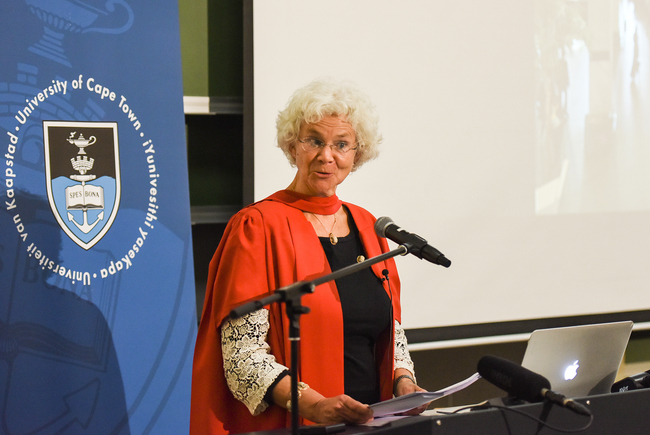
Welcoming the audience to the event, Professor Thokozani Majozi, UCT’s deputy vice-chancellor for Research and Internationalisation, said the occasion is not merely celebrating the conferring of a title. Instead, he said, it’s an opportunity to affirm a covenant.
He told Matjila that the title of professor is not necessarily the zenith of a career. But it is a renewed commitment to the “eternal pursuit of truth”.
“It’s a solemn charge to challenge assumptions and carry forward the flame of knowledge to those who inherit this world after us,” Professor Majozi said.
“ Knowledge that does not humble us has taught us nothing, and a title that does not deepen our responsibility has honoured us falsely.”
He reminded Matjila that his ascent to full professor recognises years of work in his discipline and his pursuit of truth, even when it was “inconvenient”.
“Knowledge that does not humble us has taught us nothing, and a title that does not deepen our responsibility has honoured us falsely,” Majozi said. “May you wear this mantle, not only as affirmation of your scholarship, but as a covenant renewed daily in the classroom, in the laboratory, and in the quiet hours of reflection where true wisdom lies.”
Choosing medicine
Inaugural lectures are a sort of coming of age in an academic’s career and present an opportunity for them to share the highs (and lows) of their career and scholarly work. But more than that, it serves as a moment of reflection on the contribution of family and friends and the mentors and teachers who contributed to their success.
Matjila’s lecture was no different. He used his time at the podium to share some titbits on his illustrious career which, in fact, started when he was an undergraduate student in UCT’s Faculty of Science, where he completed his BSc majoring in biochemistry and microbiology.
He told the audience that he was fascinated by laboratory work, but what he really wanted was a career that involved contact with people. So, he decided to study medicine at the then University of Natal.
Investigating kisspeptin
Some years later, when he made the decision to pursue his PhD, Matjila went to Edinburgh to complete his collaborative, laboratory-based doctorate degree. His research was conducted as a joint initiative between UCT and the Medical Research Council (MRC) Human Reproductive Sciences Unit in Edinburgh. He investigated kisspeptin (a naturally occurring peptide produced in the brain that acts as a “master switch” for human reproductive hormones) and the role it plays with regulating the genes involved in placental cell invasion.
“There are different peptides of the KISS gene, and they are all biologically active. What’s important to know is that the KISS gene has been studied in most cancers around the body and is over-expressed. So, it’s a tumour metastasis suppressor gene and it’s over-expressed in most cancer cells,” he said.


But what’s the link between the placenta and cancer biology? Matjila said there are clear links between the two.
“All the molecular sectors and pathways that gather the spread of cancer cells are the same that controls the invasion of placental cells,” he said. “So, it’s just that placental cells are well behaved and stop [growing] then they are supposed to stop. But cancer cells don’t do that.”
Studying the placenta
Why is it important to study the placenta? Matjila asked.
He said ongoing research helps clinicians understand the background mechanism behind placenta-mediated disorders like preeclampsia, growth restriction and preterm birth; and helps them come up with novel therapeutics that target them. In addition, he said, the placenta is important due to placental programming and the idea that mechanisms – like genes that set the metabolism in-utero – are sustained for the first 1 000 days after birth and beyond that are set for life.
“This is known as the developmental region of health and disease and it means that [with] things like type 2 diabetes and cardiovascular disease, if you can intervene at the level of the placenta, then it’s good,” he said.
Collaboration is key
Matjila also touched on his work in the Human African Molecular Placental Research Platform (HAMLET) – a novel project that seeks to harness modern approaches and technologies to understand placental development and function.
The project aims to develop a transdisciplinary intra-African network by training African basic science and clinical postgraduate students to improve maternal and perinatal health in the country and on the continent. Ultimately, Matjila said, getting it right requires intentional collaboration. He said his department has embarked on a consultative path and is working hard towards achieving a mass care delivery that involves continuous consultations.
“We need to cooperate and integrate service delivery into teaching, training and research, rather than letting it be an individual science.”
“We need implementation. We need human resources. We need infrastructure across local and subdistricts and across all levels of care,” he said.
“And we need to embrace novel innovations like artificial intelligence and digital technology. We need to collaborate. We need to cooperate and integrate service delivery into teaching, training and research, rather than letting it be an individual science."
 This work is licensed under a Creative Commons Attribution-NoDerivatives 4.0 International License.
Please view the republishing articles page for more information.


The UCT Inaugural Lecture Series
Inaugural lectures are a central part of university academic life. These events are held to commemorate the inaugural lecturer’s appointment to full professorship. They provide a platform for the academic to present the body of research that they have been focusing on during their career, while also giving UCT the opportunity to showcase its academics and share its research with members of the wider university community and the general public in an accessible way.
In April 2023, Interim Vice-Chancellor Emeritus Professor Daya Reddy announced that the Vice-Chancellor’s Inaugural Lecture Series would be held in abeyance in the coming months, to accommodate a resumption of inaugural lectures under a reconfigured UCT Inaugural Lecture Series – where the UCT extended executive has resolved that for the foreseeable future, all inaugural lectures will be resumed at faculty level.
2026


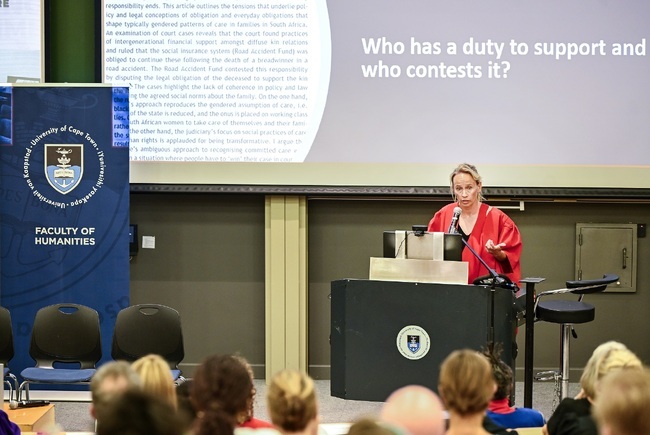
Professor Elena Moore of the Department of Sociology at the University of Cape Town delivered her inaugural lecture on 4 March, titled: “Who Cares? The Directions of State–Family Relationships in Changing Times”. The lecture drew together more than two decades of research into how families and societies organise, experience, and govern care.
09 Mar 20262025
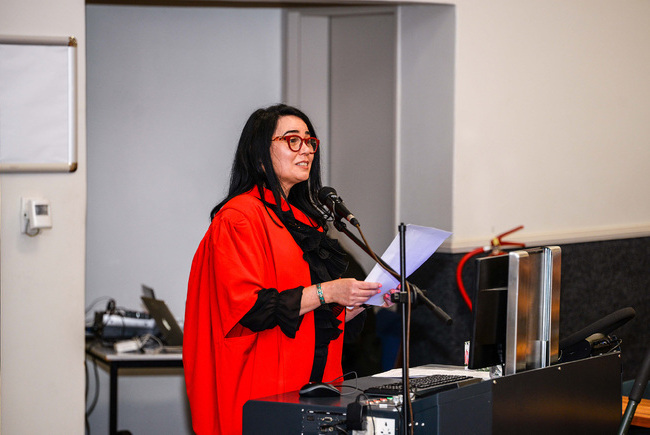

At the heart of modern finance is a question of trust. What happens when the systems built to uphold it begin to falter? The lecture by Professor Phillip de Jager in the Department of Finance and Tax at the University of Cape Town (UCT) explored this thought.
11 Nov 2025
2024
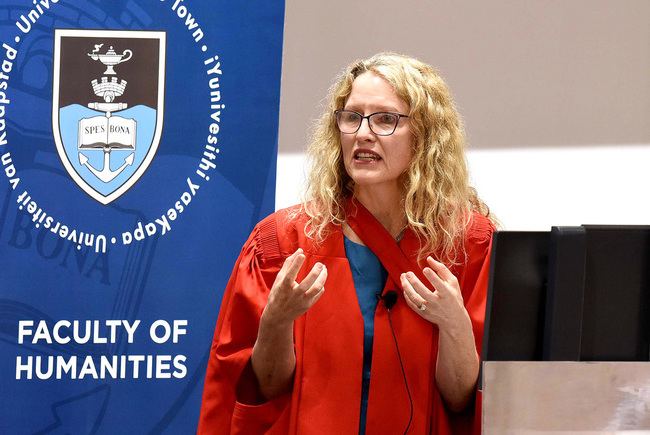
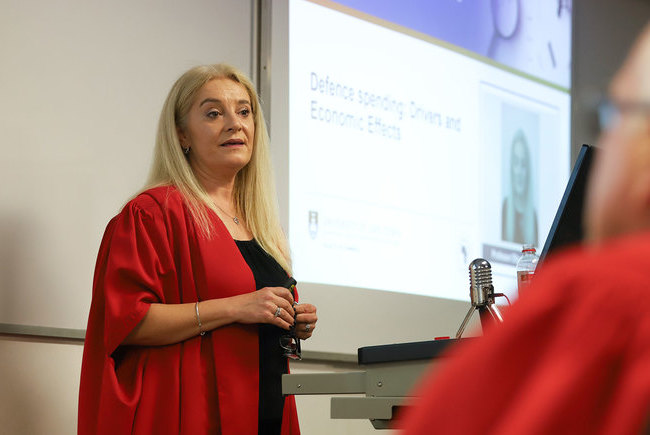
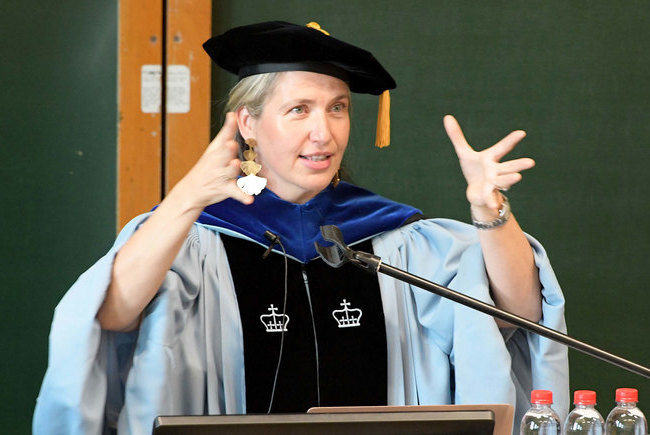
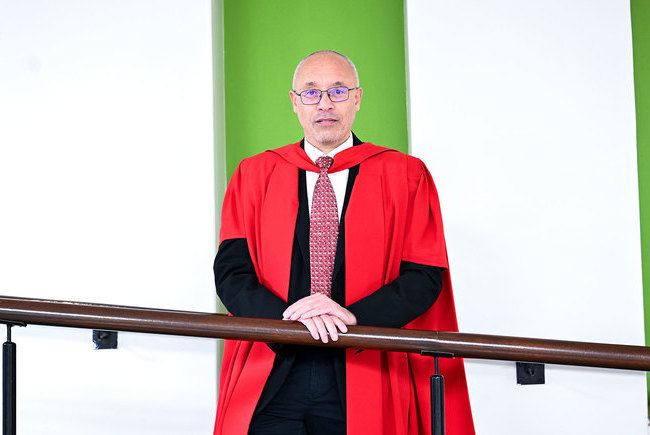
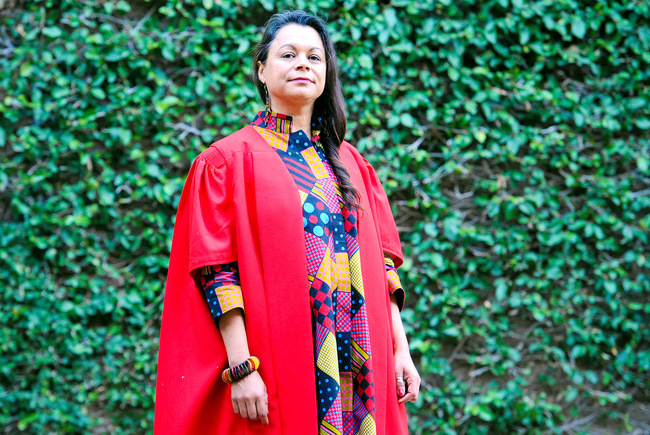
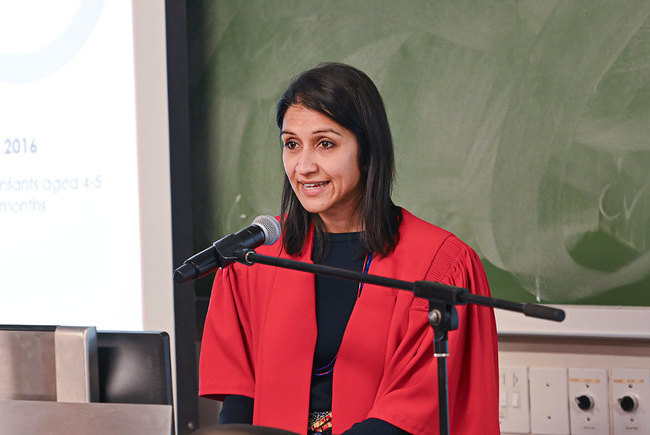

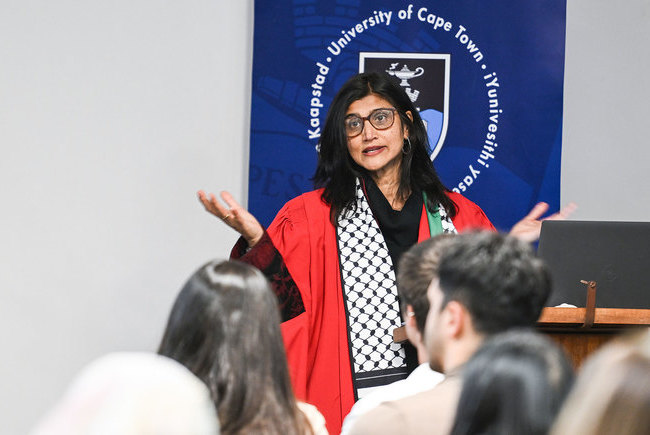
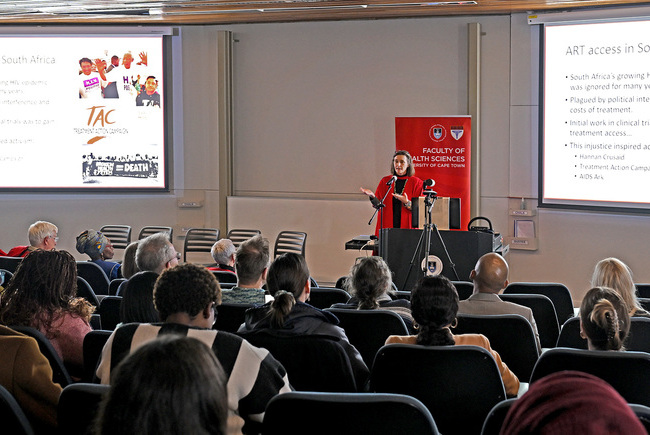
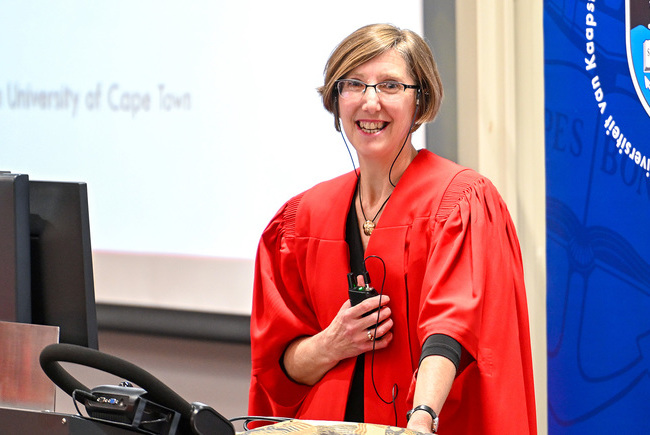
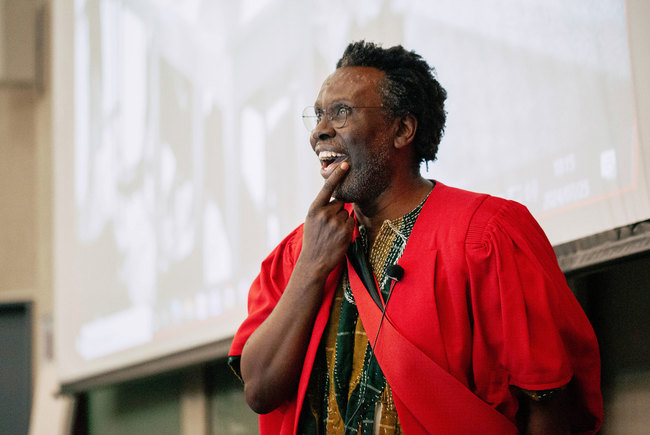
Professor Susan Cleary delivered her inaugural lecture on 14 March.
14 Mar 2024 - 5 min read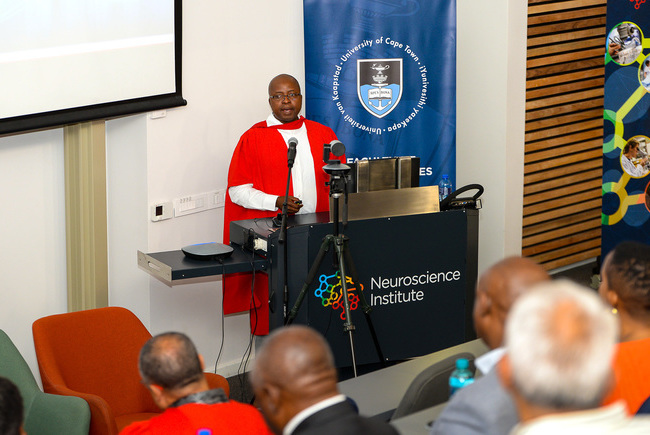
2023
Prof Lydia Cairncross’s inaugural lecture provided a snapshot of the career path of a surgeon and community activist whose commitment to social justice means her work doesn’t end in the operating theatre.
02 Nov 2023 - 8 min read


2022
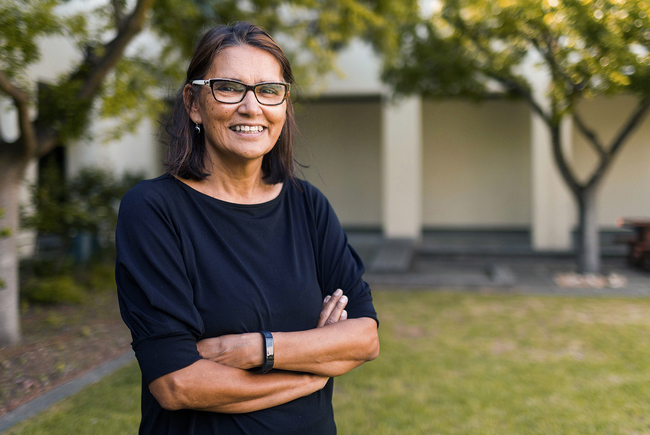
Professor Linda Ronnie is in UCT’s Faculty of Commerce.
28 Sep 2022 - 6 min read


2021

2020

2019
2018
2017
2016 and 2015
No inaugural lectures took place during 2015 and 2016.