
Wamkelekile, Welkom
Celebrating African autonomy and Norwegian camaraderie
06 October 2026 | Story Nicole Forrest. Photos Lerato Maduna. Voice Cwenga Koyana. Read time 9 min.
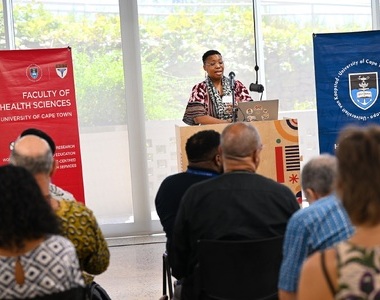
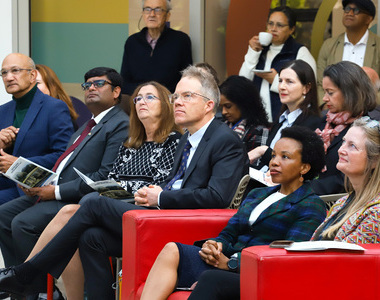
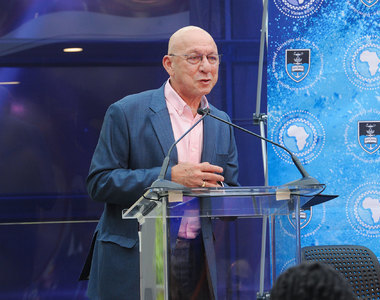
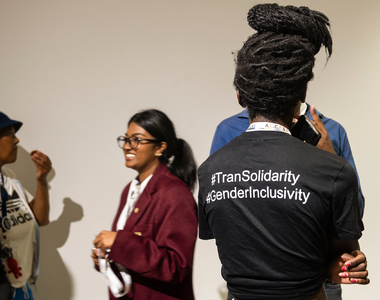
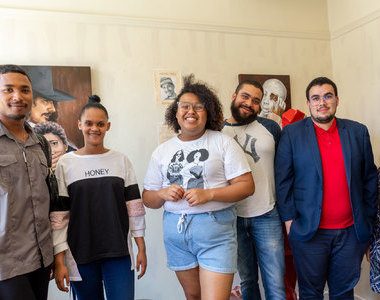
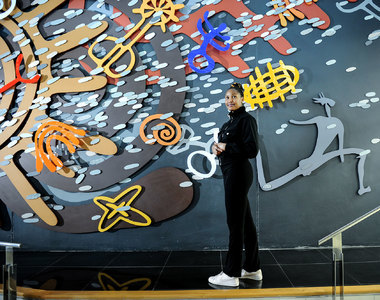
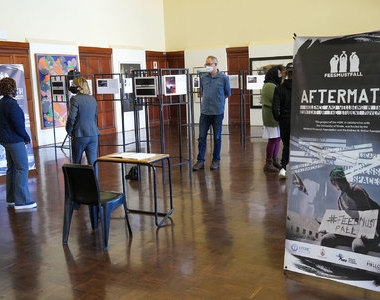
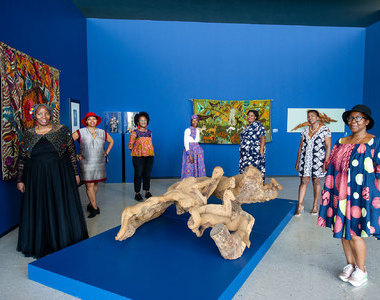
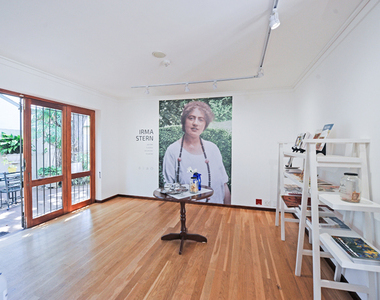
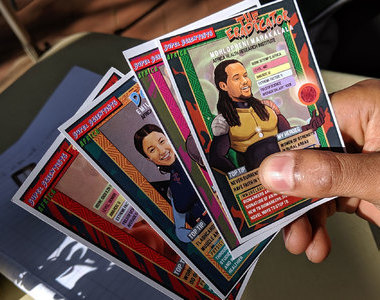
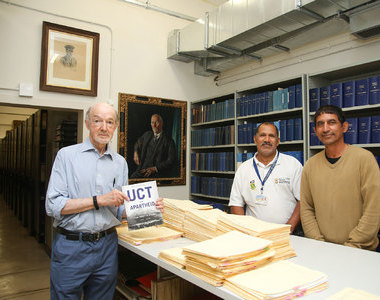
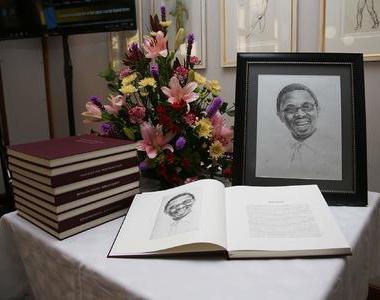
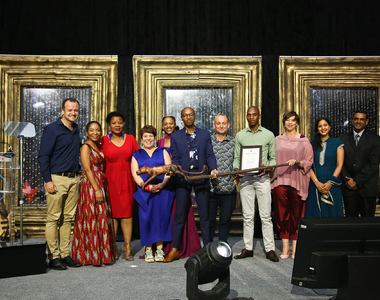
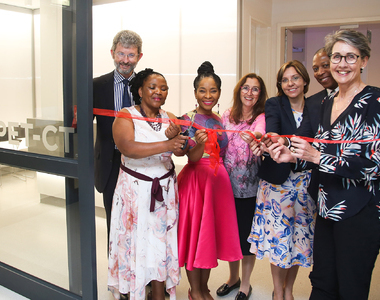
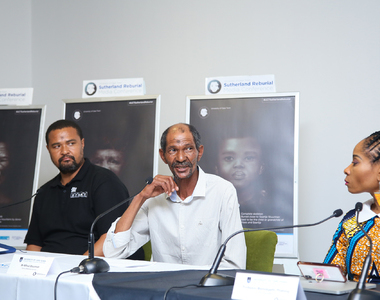
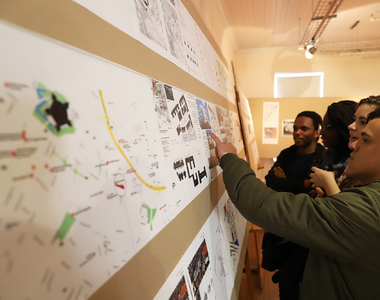
The University of Cape Town’s (UCT) Centre for African Studies (CAS), with the Norwegian Embassy and Liliesleaf, recently launched an exhibition titled African Independence. Norwegian Solidarity. at the CAS Gallery. The exhibition, which opened on 21 September, pays homage to the ongoing partnership between the Nordic nation and various African countries in pursuit of social justice.
Ask the average person what Norway had to do with the end of apartheid and you would likely get a puzzled look. For many, despite a more than 60-year history of solidarity and cross-border cooperation, the ties that bind Scandinavia and South Africa still often come as a surprise.
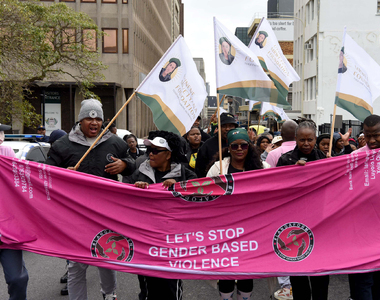
The exhibition gives visitors an opportunity to change this. Fittingly opened on International Day of Peace during South Africa’s Heritage Month, the showcase highlights how Norway’s commitment to solidarity and implementation of human rights-based foreign policy played a key role in supporting the anti-apartheid struggle.
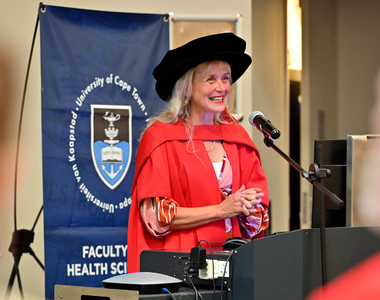
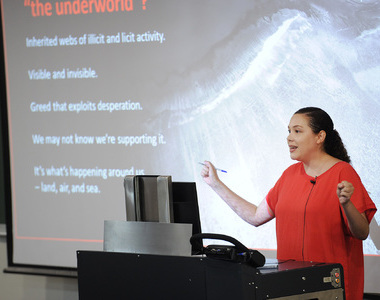
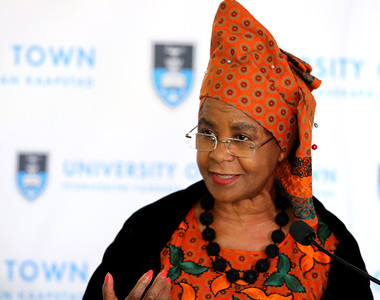
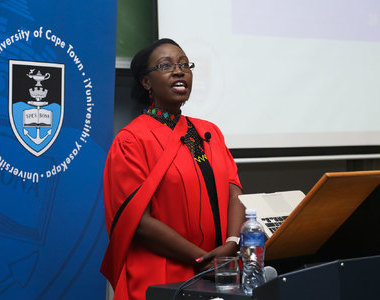
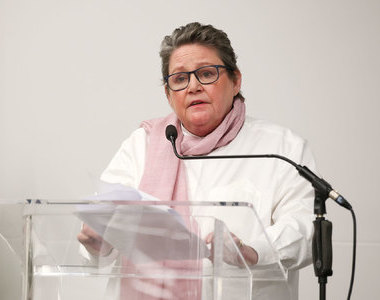
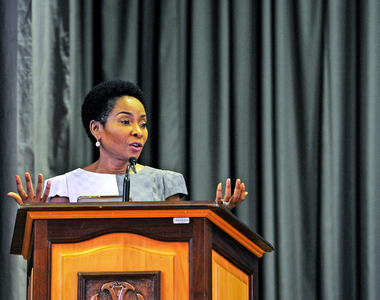
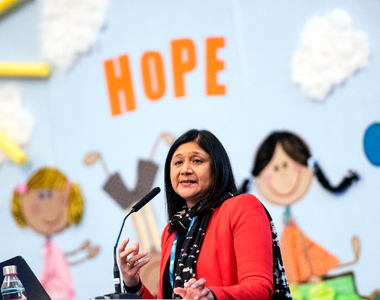
To highlight this connection, the dean of the Faculty of Humanities, Professor Shose Kessi, invoked the words of Afro-Martinican poet, author and politician Aimé Césaire in her opening address: “For civilizations, exchange is oxygen.”
“The same is true of exchange between peoples and countries. Exchange is indeed oxygen,” she added. “The solidarity between Norway and African liberation movements provided vital oxygen not only to the struggle for human rights and global social justice, but also to the practice of international solidarity.
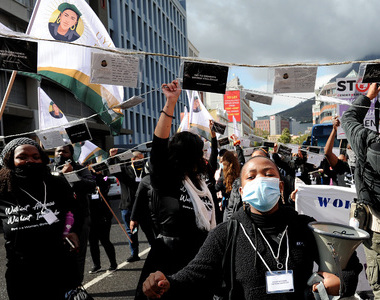
“The people of Norway stood with the people of South Africa in the struggle against the apartheid regime and in the international campaigns against it. Political parties, trade unions, religious leaders, student unions, journalists and many other activists ensured that the voices of African liberation movements were heard at the United Nations, while also providing vital material and financial support.”
Solidarity and sacrifice
Professor Kessi highlighted that the exhibition, while offering a striking visual display of the journey from human wrongs to human rights, is as much about the past as it is about the present and the future; a theme that was carried through in the remainder of the afternoon’s proceedings.
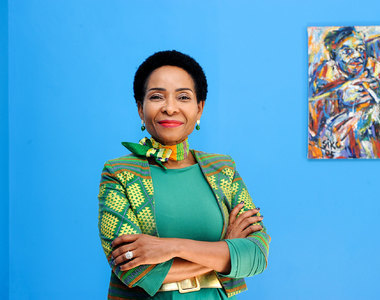
“What this exhibition does brilliantly is force us not only to reckon with the legacies of our past but also seek out what there is to celebrate as our heritage. There comes a moment when photographs, documents, names and memories cease to be simply objects of historical record but become invitations to imagine our future differently. And this is one such moment,” said Deputy Vice-Chancellor (DVC) for People, Culture and Society Professor Elelwani Ramugondo.
For Professor Ramugondo, what should not be forgotten is that creating a worldwide paradigm where human rights are recognised and social justice is carried out requires making sacrifices while keeping a firm grip on our common humanity.


“The oppression of any people should give us a feeling of revulsion so strong that we cannot do anything but act against it. We can see here, quite clearly, the solidarity that stems from recognising one another as worthy of equal treatment simply because we are all humans,” she explained.
“Often, though, we forget that solidarity requires sacrifice. What this exhibition does so elegantly is invite us to reflect on the choices and the responsibilities that come with standing up for what we believe in so that we can stand with and support others who are facing similar challenges to what we did.”
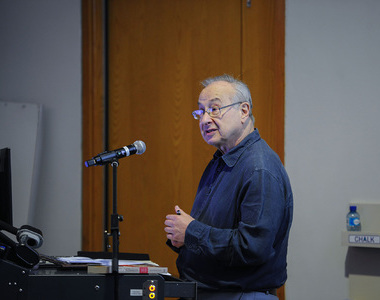
This point was echoed by the interim director of UCT’s International Academic Programmes Office, Emeritus Professor Danie Visser, who noted that the exhibition serves to remind us that integrity and steadfastness are two of the key ingredients for driving change.
“As early as the 1950s, Norway was engaged in supporting the quest for African freedom. There is an important message that we can take away from that – a very strong moral lesson about standing up for what we believe in when it is necessary to do, not when it is fashionable to do so, and to do so despite what others are doing.”
A shared purpose
Ambassador of Norway to South Africa Anne Beathe Kristiansen Tvinnereim built on the idea, illustrating how Norway’s own history highlighted to its citizens how truly unconscionable the oppression of any people is, and the necessity of emancipation.
“Norway spent centuries under the influence of larger European powers, so we understand what it means to have one’s self-determination constrained. Then, in the middle of the 20th century during the Second World War, we were occupied. We experienced what it was to have our freedom taken away and I think that shaped us.
“This made the ‘logic’ of apartheid, and the idea that those in power could determine whose freedom and dignity actually mattered, something personal and something morally intolerable,” she said.
Kristiansen noted that it was the solidarity of that period that helped lay the foundation for the close relationship between our two countries today, where we have developed a shared purpose that echoes our mutual understanding of human dignity and equality.
“This exhibition documents the solidarity between Norway and South Africa – a political commitment that was sustained over decades, sometimes at real cost. It reflects a shared purpose that continues to shape our cooperation on peace and security, on research, higher education, climate, clean energy, and many other matters.”
Heritage and inheritance
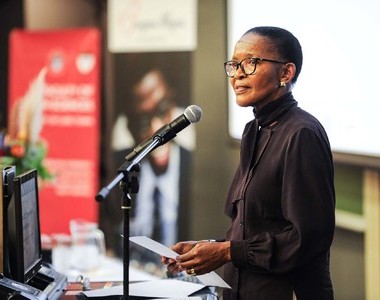
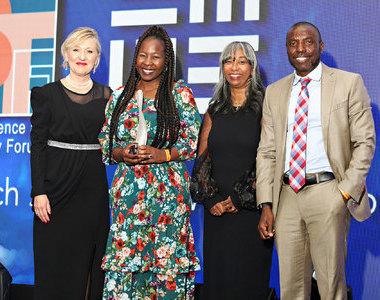
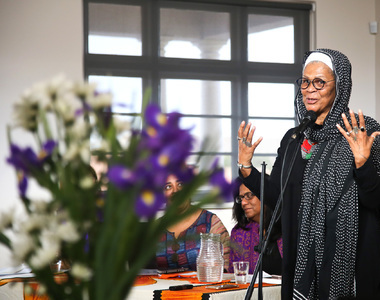
Anti-apartheid activist and former ambassador to Benin and Togo Ruby Marks brought the audience’s attention back to the relationship between past and present that the exhibition invites viewers to think about.
“Today during South Africa’s Heritage Month, I want to speak about heritage and inheritance. We know that heritage is what we receive from those who came before us: our histories, our struggles, our photographs, our stories, and our memories. This exhibition is filled with that heritage,” she said.
“Our inheritance, on the other hand, is what we do with that heritage we have received. The harder question that this exhibition places before us is around what we have done and what we are doing with that inheritance.
“The question is not whether we remember the solidarity of years gone by. It is what we do with the memory,” she added. “We have become very good at commemorating and commodifying memories of resistance, but we should be careful at turning history into something that we just consume.
“Inheritances can be squandered; they can become ceremonial. We can celebrate values while behaving in ways that contradict them. We can remain faithful to what we were trying to achieve without remaining faithful to the way in which we tried to achieve it.
“The purpose of the archive is not to make us homesick for history; it is to make history available for use. This exhibition is not simply a monument to what we once were – it is a summons from memory to imagination, from solidarity remembered to solidarity that is practised, from political inheritance to political action.”
Focusing on the future
Marks’ assertions were echoed by Students’ Representative Council member Kgabe Molepo, who pointed out that young people have inherited both the victories and the unfinished work of liberation, and must turn remembrance into responsibility and action.
“For us as young people, this exhibition asks us to remember a history of liberation, but that remembrance alone is not good enough. The more urgent question for our generation is: What does this history demand from those of us who have inherited both its victories and unfinished work?” he said.
“Our generation did not choose the conditions it inherited, but we remain responsible for what we preserve, what we challenge, and what we build from them.”
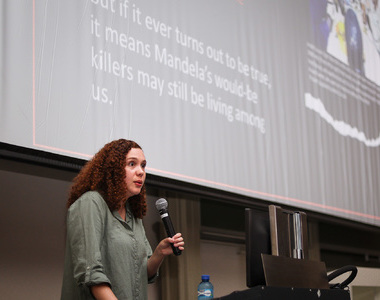
This preservation and interrogation of African history and heritage, noted director for the Centre of African Studies, Professor Suren Pillay, are two of the foundational principles on which the CAS was founded and continues to operate.
“At CAS, we are committed to challenging inherited misconceptions about Africa, deepening our understanding of the continent’s histories and its futures, and thinking about the world from the African vantage point,” he said.
“As we open this exhibition, we invite you to reflect not only on the history of solidarity but also what solidarity demands of us today: the courage to act on principle, the humility to learn from one another, and the determination to uphold the values of justice, equality, and human dignity wherever they are challenged.”
 This work is licensed under a Creative Commons Attribution-NoDerivatives 4.0 International License.
Please view the republishing articles page for more information.


Listen to the news
The stories in this selection include an audio recording for your listening convenience.