
Wamkelekile, Welkom
UCT Innovation District to broaden city’s imagination
05 October 2026 | Story Myolisi Gophe. Photo Ruairi Abrahams. Voice Cwenga Koyana. Read time 6 min.
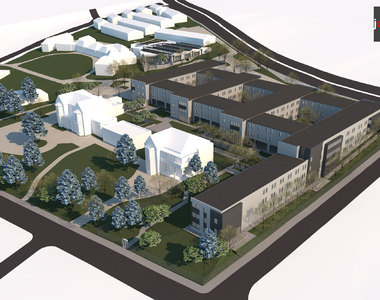
The University of Cape Town’s (UCT) proposed Innovation District should be more than a new collection of buildings, research facilities and commercial partnerships. It should become a space where the university and the city can imagine – and test – different possibilities for a more sustainable and inclusive future.
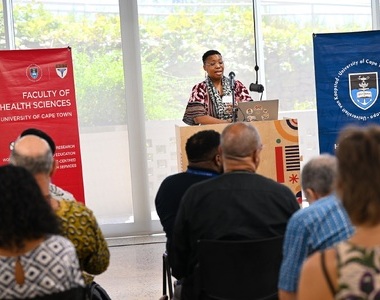
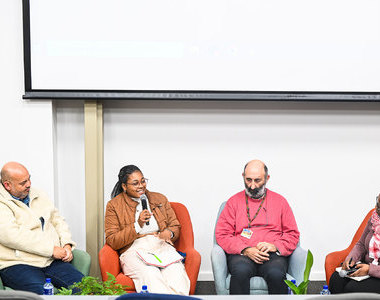
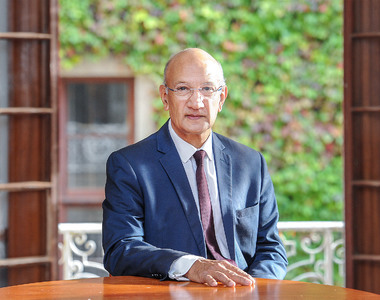
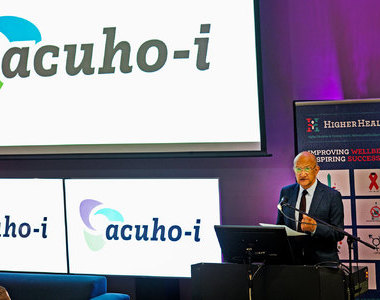
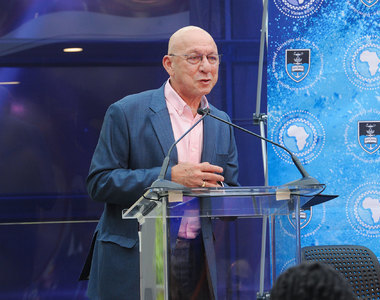
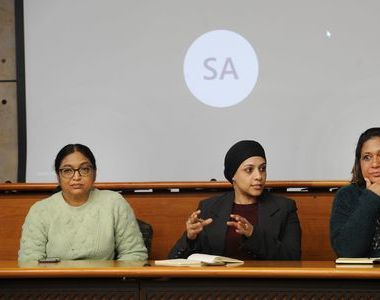
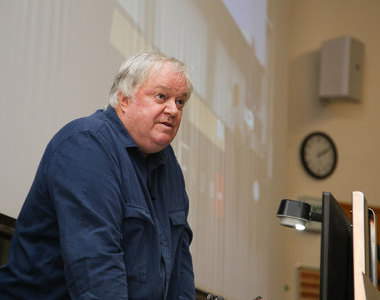
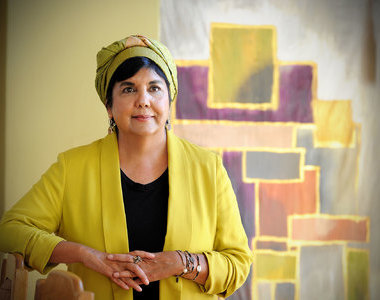
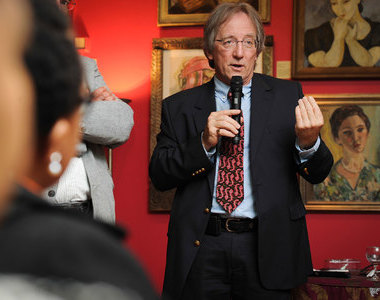
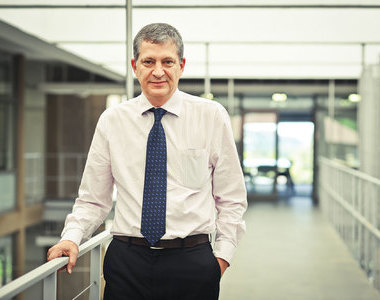
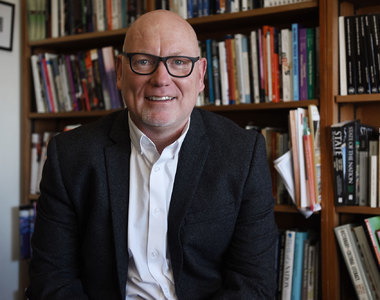
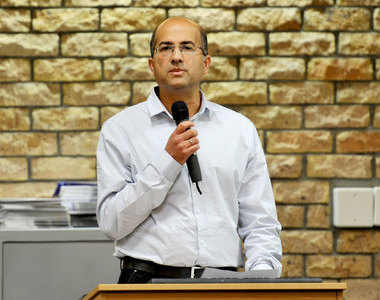
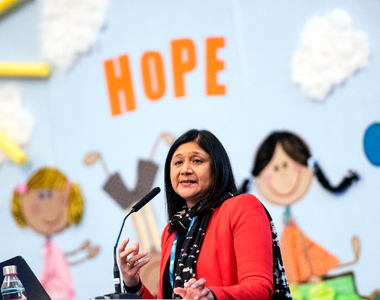
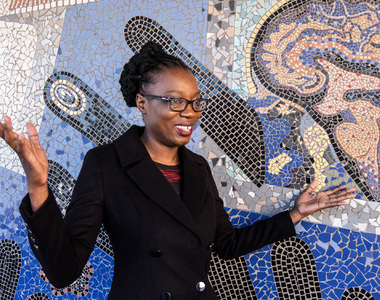
That was the message from Professor Edgar Pieterse, director of UCT’s African Centre for Cities (ACC), during a panel discussion on day two of the Times Higher Education (THE) World Academic Summit (WAS). The panel explored how universities can shape the cities in which they are located.
Professor Pieterse said UCT’s thinking about a University Innovation District was part of a much larger question: What should a university become in the 21st century, particularly in an African context facing profound demographic, social, economic and environmental pressures?
For Pieterse, the answer requires universities to move beyond traditional institutional structures and create new ways of connecting research and teaching with the urgent challenges facing society.
“By the time we’ve resolved the issue around flooding, or we’ve resolved issues around equitable land ownership, there’s a whole swathe of other challenges confronting this.”
“The Innovation District is meant to be this frontier space of the university,” he said, describing a place where knowledge from the sciences, social sciences and humanities could intersect and be co-produced with industry, government and civil society.
The goal, he said, was to reduce the time between identifying a societal problem, generating knowledge, making decisions and translating that knowledge into action.
“By the time we’ve resolved the issue around flooding, or we’ve resolved issues around equitable land ownership, there’s a whole swathe of other challenges confronting this,” Pieterse said. He pointed to the need to reduce the institutional and decision-making lag that can prevent universities and public institutions from responding effectively to rapidly changing urban challenges.
Beyond the traditional university
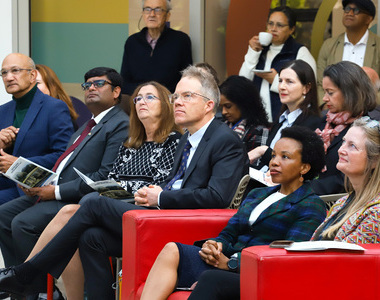
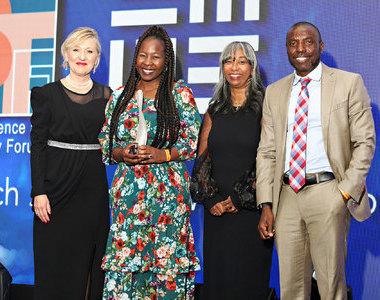
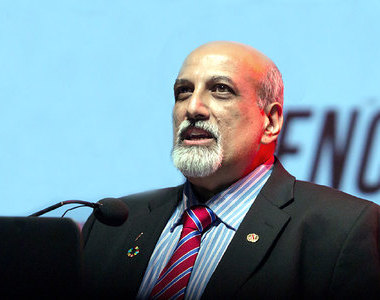
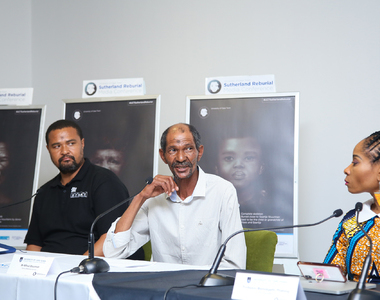
The panel discussion, titled “Putting innovation in place: How global universities shape their global cities”, was moderated by Professor Michele Acuto, pro vice-chancellor of Global Engagement at the University of Bristol. It brought together senior leaders from universities in Hong Kong, Toronto, Singapore and Cape Town to examine how higher education institutions can use their physical presence, research capacity and partnerships to contribute to urban development.
The discussion offered several examples of universities deliberately extending their role beyond the traditional campus.
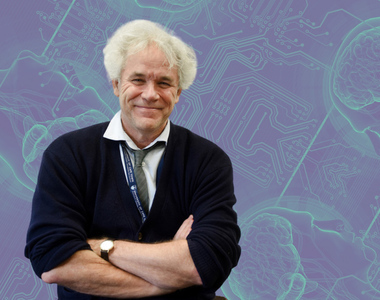
For instance, Professor Nancy Ip, president and professor of Life Science at The Hong Kong University of Science and Technology, described her institution’s development of an “Innovation Corridor” spanning multiple locations. Rather than replicating the same university model at each site, the university has given each location a distinct purpose while maintaining a shared institutional identity.
She emphasised that expansion should not simply mean acquiring more buildings. Each location should have a clear purpose, complement existing strengths and remain connected to the wider university.
Just as importantly, she said, communities and governments must be involved from the outset rather than brought into projects after key decisions have already been made.
“Anchor what you build on an academic strength that you already have, not what you wish to have.”
At the University of Toronto, vice-president and provost, Professor Trevor Young, described a 25-year journey to develop innovation infrastructure in the heart of the city.
The university’s experience, he said, was driven partly by a desire to address a longstanding gap between strong Canadian university research and the ability to retain talent and commercialise that research locally.
His advice to institutions embarking on similar projects was to develop incrementally, build on existing academic strengths and align university initiatives with local and national economic needs.
“Anchor what you build on an academic strength that you already have, not what you wish to have,” Young said.
Singapore Management University’s vice-president of Impact, Professor Scott Fritzen, challenged universities to rethink their relationship with the societies around them.
He argued that universities often remain internally and process-oriented, resulting in institutions that can look remarkably similar despite operating in very different cities and countries.
The university has attempted to counter this by embedding engagement with the world of practice throughout its curriculum. Students undertake internships, global learning and applied projects involving real-world clients, while social responsibility outreach is also part of the student experience.
A distinctly African challenge
For Pieterse, these international experiences offer valuable lessons, but UCT’s approach must ultimately respond to Cape Town’s and Africa’s particular circumstances.
He described UCT as having the potential to position itself as a “knuckle of this global traffic of ideas and scientific discovery for the African continent”, while remaining grounded in the continent’s particular challenges.
“We've got to do very engaged and applied work to retool public institutions, especially at the city scale where most citizens live, in the very short term.”
Among these challenges are inequality, jobless growth, climate change and questions of social meaning and identity.
Pieterse argued that responding to them requires a fundamental rethink of how universities organise knowledge and expertise.
This includes maintaining space for foundational scientific inquiry while also connecting it to immediate societal challenges and rethinking the role of the social sciences and humanities in confronting complex problems.
“We’ve got to do very engaged and applied work to retool public institutions, especially at the city scale where most citizens live, in the very short term,” he said.
But the transformation required is not just physical or organisational. It is also intellectual.
Pieterse cautioned against allowing conventional academic metrics, including rankings, to become the dominant measure of institutional success.
“How do we cultivate a deep and profound commitment to a science of possibility, of broadening our options in society?” he asked.
From innovation district to civic space
The international examples also prompted a broader discussion about the purpose of the university and whether universities can become genuinely civic institutions – institutions that are deeply embedded in the communities and cities around them.
For Pieterse, this principle of publicness lies at the heart of what UCT’s Innovation District could become.
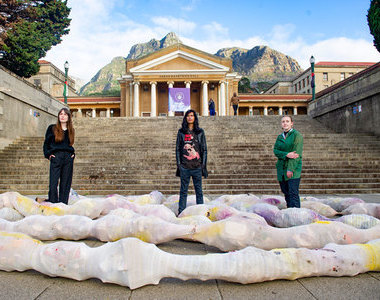
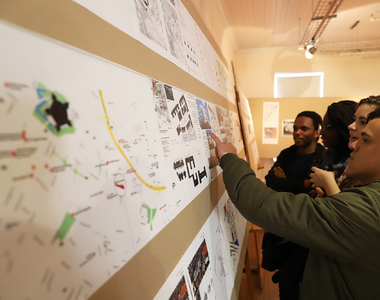
He revealed that the ACC is planning an intervention along the proposed Innovation District corridor next year, using a roughly 2 km stretch of the city as a space for experimentation.
The plan is to work with artists to activate 10 underutilised buildings and use artistic practice to stimulate new conversations about the city and its future.
Rather than relying only on established names, Pieterse said the initiative would seek artists with deep practices rooted in the city and the ability to bring different perspectives into conversations about complex urban challenges.
The intention is deliberately modest at first: to open up spaces for conversation and experimentation and, ultimately, to “broaden the imagination”.
“What this is fundamentally about is broadening the imagination and doing that in a way that transforms what the city believes it’s capable of in terms of becoming more sustainable and inclusive,” he said.
 This work is licensed under a Creative Commons Attribution-NoDerivatives 4.0 International License.
Please view the republishing articles page for more information.


Listen to the news
The stories in this selection include an audio recording for your listening convenience.