
Wamkelekile, Welkom
Ubuntu Rising moves African youth from potential to influence
17 September 2026 | Story Sibahle Muthwa. Photos Liam Solomon. Voice Cwenga Koyana. Read time 5 min.
Africa does not lack young people with the talent, ideas and ambition to transform health. What remains in short supply are the pathways that allow them to turn that potential into influence, sustainable innovation and dignified work.
This challenge lies at the heart of Healthy Futures South Africa (HFSA), the University of Cape Town’s implementation of the Africa Health Collaborative (AHC). Through work spanning health employment, entrepreneurship and health ecosystems, HFSA and the wider collaborative are building clearer pathways for young Africans to enter, shape and lead the continent’s health systems.
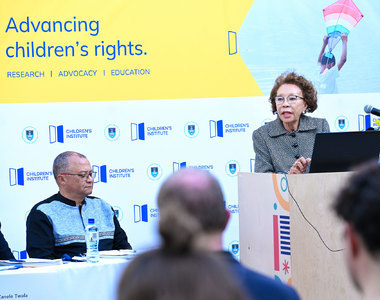
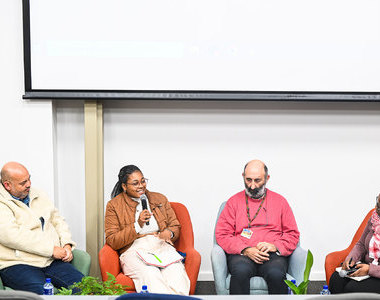
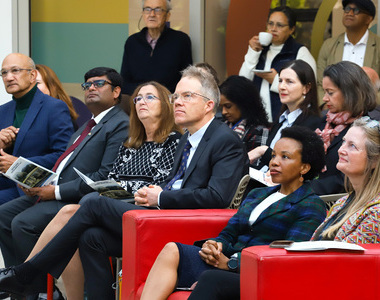
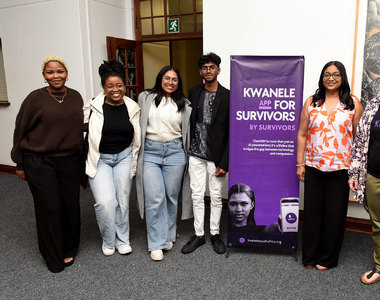
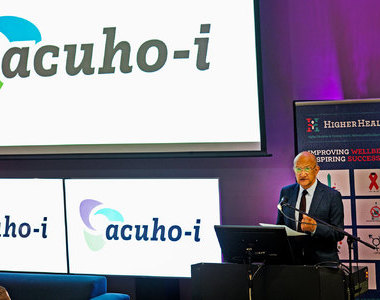
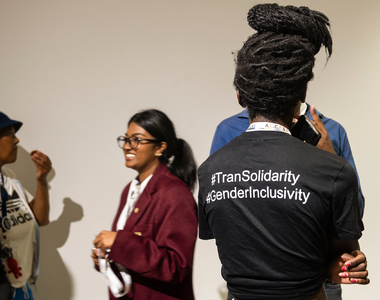
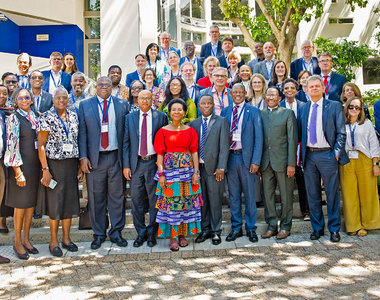
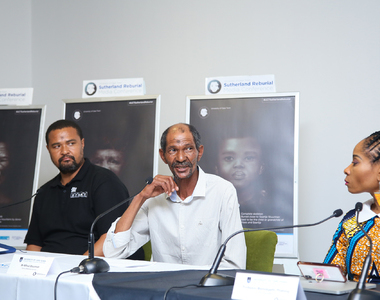
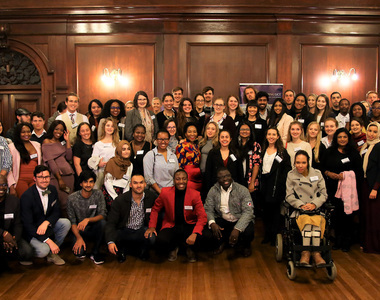
These questions took centre stage at “Ubuntu Rising: Youth Transforming Health, Innovation and Work in Africa”, convened by the AHC at The Westin Cape Town on 5 September, ahead of the 18th World Congress on Public Health.
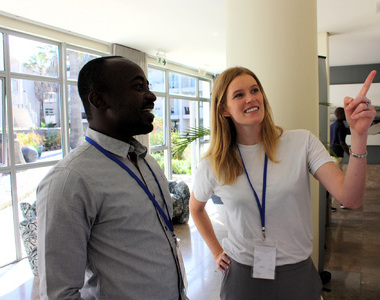
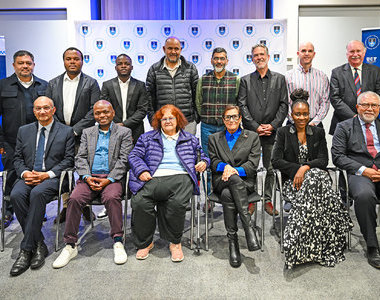
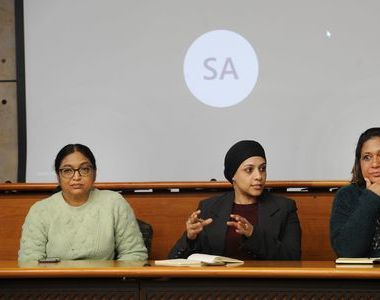
Young people, universities, health-sector stakeholders and development partners gathered to consider what institutions must change to help young people move from training into meaningful work, develop innovations that can reach scale and participate in decisions that shape health systems.
Beyond a seat in the room
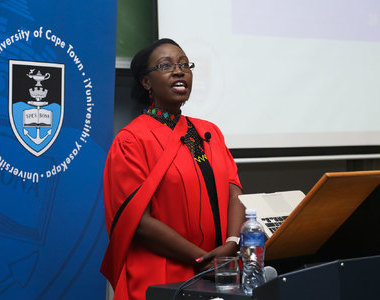
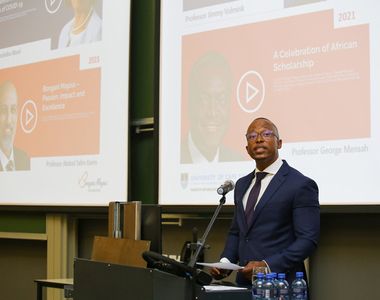
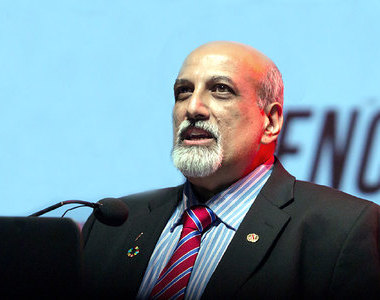
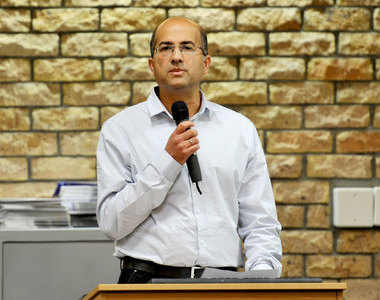
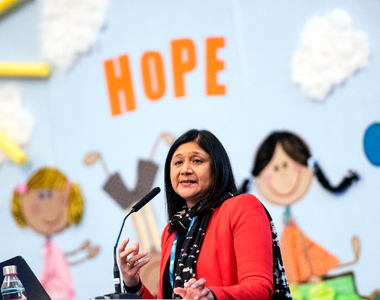
Welcoming delegates, UCT Deputy Vice-Chancellor for Teaching and Learning Professor Brandon Collier-Reed challenged the framing of African youth as inactive or as potential waiting to be unlocked by others. He pointed instead to the structural conditions limiting their opportunities.
“The question before us is not whether young Africans are working,” he said. “It is whether the systems we have built are working for them.”
For universities, Professor Collier-Reed argued, the responsibility cannot end at graduation. Institutions must also consider whether health systems can receive young professionals, use their skills effectively and offer them meaningful and dignified work.
“A university that trains young Africans for careers in health and then has no answer for what happens after graduation has done half a job. Ubuntu Rising is about the other half.”
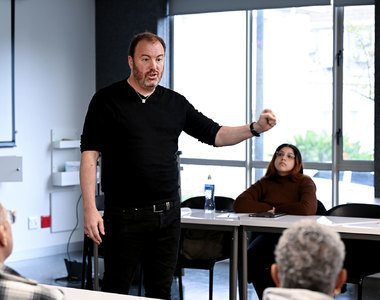
Guided by the principle “Nothing about us, without us”, participants explored youth leadership, innovation and employment. Each discussion was tasked with producing practical recommendations and actions that could inform the AHC Youth Agenda.
Creating pathways for potential
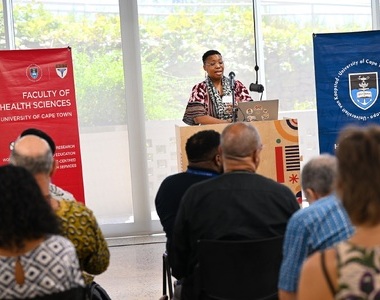
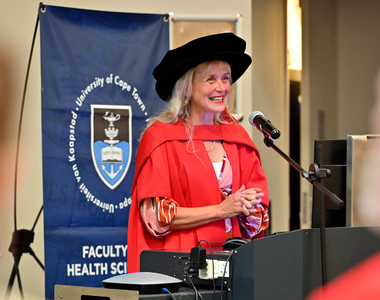
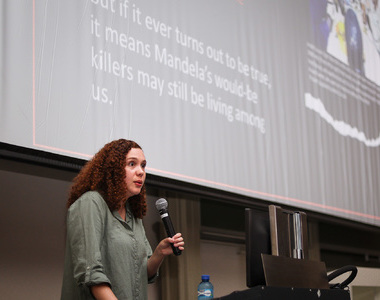
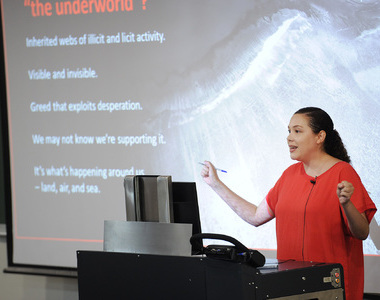
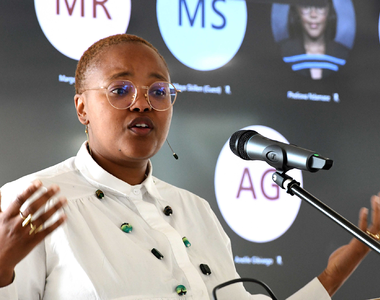
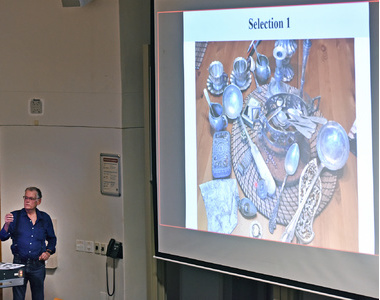
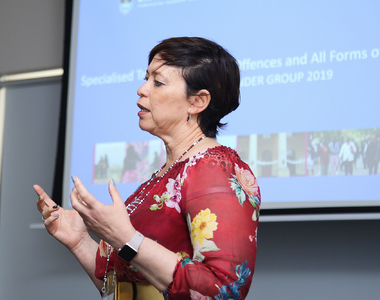
The institutional challenge was brought to life in a keynote address by Dr Nathina Pakade, a UCT public health medicine registrar and member of the HFSA team.
Reflecting on her journey from the Eastern Cape to medical school at UCT, clinical practice at Chris Hani Baragwanath Academic Hospital and postgraduate study at Johns Hopkins University, Dr Pakade described how exposure, scholarships, mentorship and professional opportunities shaped her career.
Her interest in public health began during a fourth-year Health in Context lecture at UCT and deepened while she worked in an overstretched public hospital. The experience led her to ask not only how individual patients could be treated, but what it would take to improve the systems around them.
Pakade’s journey illustrated why potential alone is insufficient. Young people need exposure to possibilities, opportunities to gain experience, mentorship to navigate their careers and clear routes towards progression.
“If there are no funded posts, no appropriate roles, no workforce planning and no institutional capacity to absorb our skills, then we have not actually created a pathway,” she said.
She also challenged institutions to distinguish between youth presence and meaningful participation. The measure of inclusion, she argued, is whether a programme, service, research question or decision changes because young people were involved.
Connecting what already exists
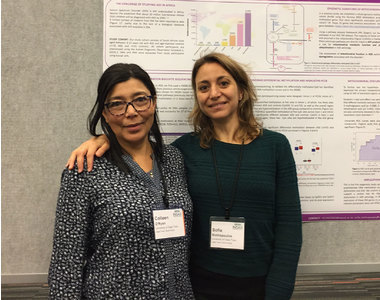
A showcase of 21 posters from eight AHC institutions demonstrated the breadth of youth-focused work already taking place across the collaborative. The initiatives covered employment pathways, entrepreneurship, community health worker internships, maternal and mental health, medical-device sustainability, knowledge transfer, mentorship, public policy and youth participation in health systems.
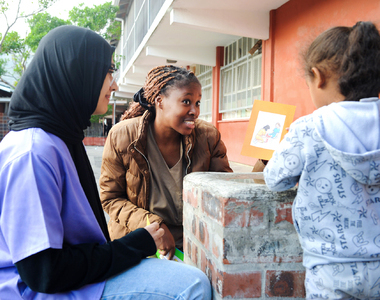
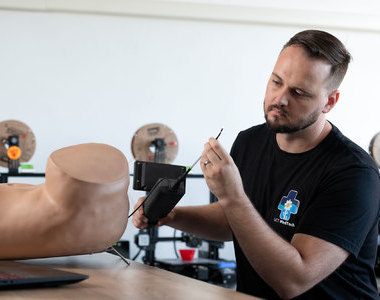
UCT’s contributions included Healthy Pathfinders, a 10-month placement programme that gives young people practical experience in health-service settings; the CHAMP initiative, which combines the digitisation of community health data with training and internship pathways for community health workers, as well as the Health Entrepreneurship Academy, which helps young entrepreneurs develop health-focused ventures. They also included PhD mentorship aimed at strengthening belonging, confidence and academic development; the Women in Global Health Leadership Fellowship, which prepares African women to advance gender equity in health systems; and shared learning on the implementation of community-oriented primary care across rural contexts.


The showcase highlighted an important opportunity: institutions do not necessarily need to create more standalone programmes. They need to connect existing initiatives, infrastructure and expertise so young people can move more easily between opportunities.
Participants called for leadership and problem-solving capabilities to be embedded across education and training, alongside meaningful roles for young people in institutional decision-making. They also recommended measuring whether youth participation changes confidence, influence and institutional practice, rather than only counting attendance.
For young innovators, funding was identified as only one part of the support required. Innovators also need infrastructure, mentorship, business development, regulatory and intellectual property guidance, market access and connections to potential users.
Employment emerged as the most urgent gap. Participants proposed stronger links between education and work through apprenticeships, work-study opportunities and structured placements. They also called for minimum standards to ensure internships offer substantive work, mentorship, professional development, fair compensation and credible routes into longer-term employment.
From potential to influence
Across the discussions, one conclusion was clear: youth leadership, innovation and employment cannot be treated as separate areas of work. Young people need connected systems that develop their capabilities, give them opportunities to apply those capabilities and support their progression.
Ubuntu Rising therefore ended not with a call to discover youth potential, but with a challenge to organise institutions around potential that is already visible.
As Pakade put it, the future of African youth in global health depends on creating systems in which young people can “enter, learn, contribute, progress and lead” – moving from holders of potential to instruments of influence.
 This work is licensed under a Creative Commons Attribution-NoDerivatives 4.0 International License.
Please view the republishing articles page for more information.


Listen to the news
The stories in this selection include an audio recording for your listening convenience.