
Wamkelekile, Welkom
UCT research turns urine into fertiliser – and recovers water in the process
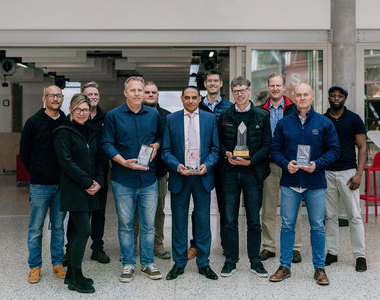
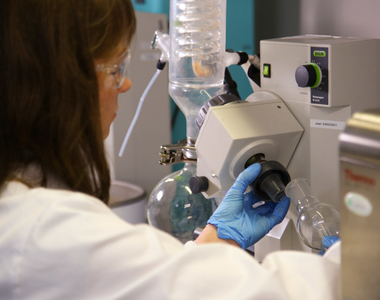
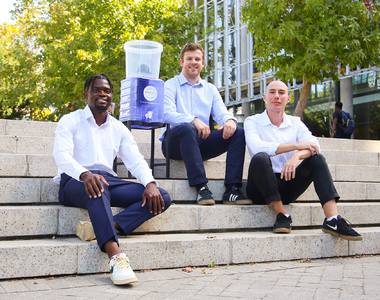
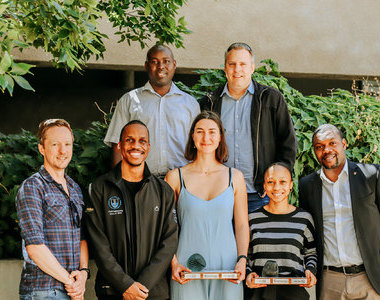
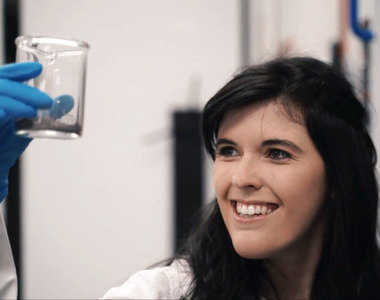
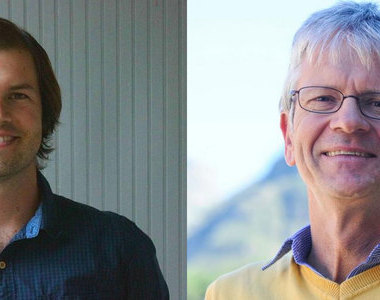
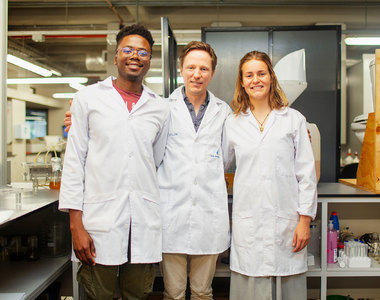
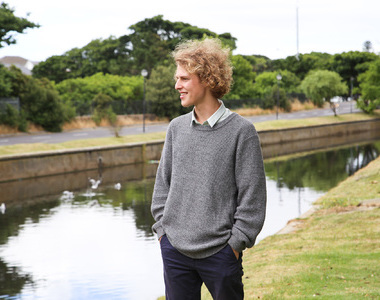
30 September 2026 | Video Production Team Boikhutso Ntsoko, Ruairi Abrahams and Niémah Davids. Photo Ruairi AbrahamsA University of Cape Town spin-out company, PeeCycling is turning that question into a working system. Developed from research that began in 2017, the technology uses reverse osmosis to separate urine into a concentrated fertiliser stream and recovered water.
At Cape Town’s DHL Stadium, the system collected 2 700 litres of urine during one rugby match and 3 600 litres during another, demonstrating what is possible when an overlooked waste stream is collected at scale.
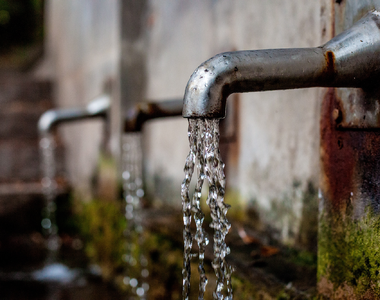
The process can recover about 70% of the water in the urine for potential reuse in applications such as toilet flushing, irrigation and cleaning, while the concentrated fertiliser stream can be supplied to fertiliser manufacturers.
#UCTResearch #Innovation #CircularEconomy #SustainableInnovation #WaterInnovation #PeeCycling
 This work is licensed under a Creative Commons Attribution-NoDerivatives 4.0 International License.
Please view the republishing articles page for more information.
Climate change
The University of Cape Town is an internationally renowned hub for climate change research and training. Our work is a strategic response to urgent knowledge and capacity needs on the African continent – climate change impacts have severe implications for economic and social development, and Africa is particularly vulnerable. Greater expertise is needed to understand the challenges and to design, evaluate and sustain solutions. Engaged research can help society innovate and support effective climate policies and strategies.
This series of articles shows how UCT researchers are working with governments, civil society and the private sector to co-produce knowledge that is impactful, moving us towards a more resilient African society.