
Wamkelekile, Welkom
Davina-Nelson Apiyo’s doctoral research targets recurrent bacterial vaginosis
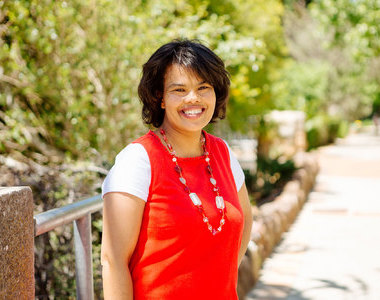
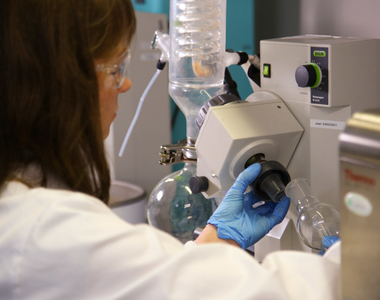
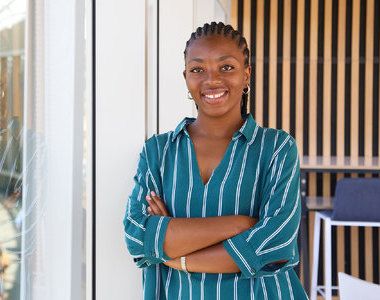
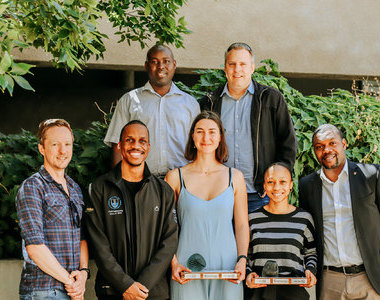
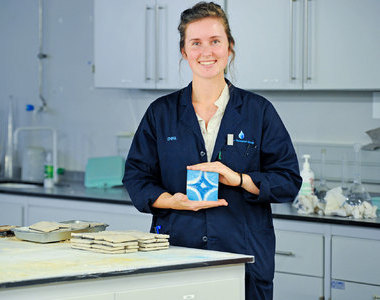
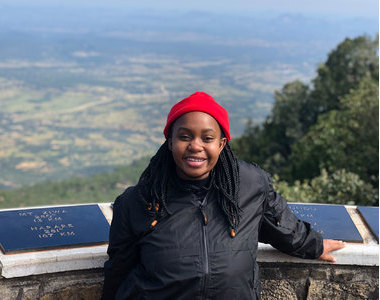
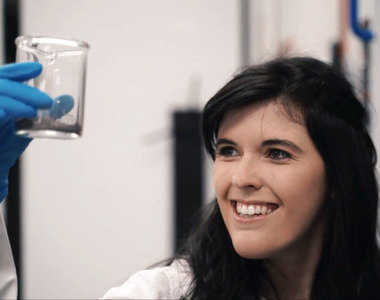
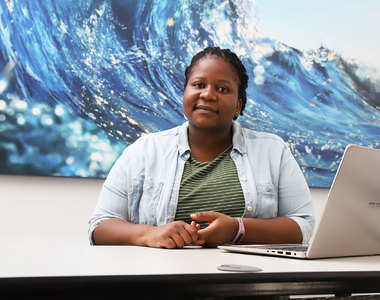
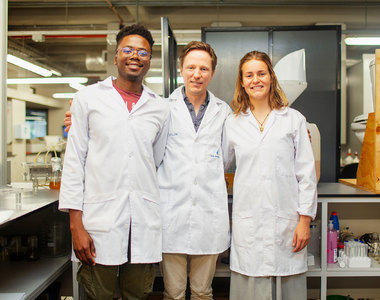
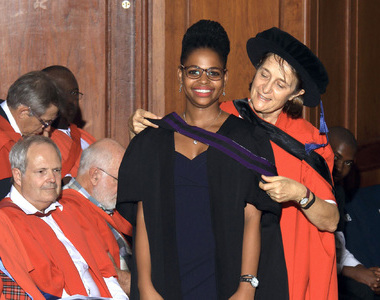
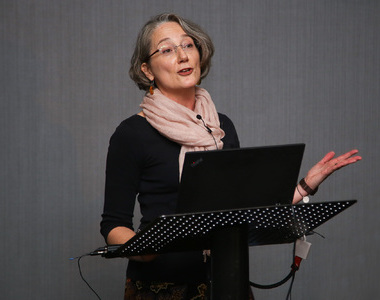
14 September 2026 | Video Production Team Boikhutso Ntsoko, Ruairi Abrahams and Nomfundo Xolo. Photo Boikhutso NtsokoBacterial vaginosis (BV) affects millions of women and frequently recurs within months of antibiotic treatment, raising the risk of complications for reproductive health. Davina-Nelson Apiyo, who graduated with her PhD from the University of Cape Town’s (UCT) Spring 2026 graduation, spent her doctorate journey building a laboratory model that mimics how human tissue responds to infection – a tool researchers can use to test how promising new treatments might work in the body before they reach clinical trials.
Beyond the science itself, Apiyo says the process taught her something journals rarely show: what research looks like when experiments fail, get reworked, or are abandoned altogether. Her thesis carefully documents that trial-and-error path – what worked, what didn't, and why. With her PhD now complete, she's preparing to take that experience into the next stage of her scientific career.
#UCTGrad2026 #UCT2026SpringGrad #UCTGraduation #UCTResearch #WomenInSTEM #STEM #BiomedicalResearch #VaginalMicrobiome #BacterialVaginosis #ChemicalEngineering
 This work is licensed under a Creative Commons Attribution-NoDerivatives 4.0 International License.
Please view the republishing articles page for more information.
Climate change
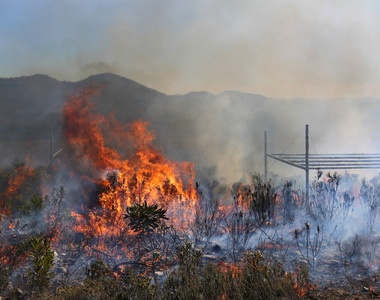
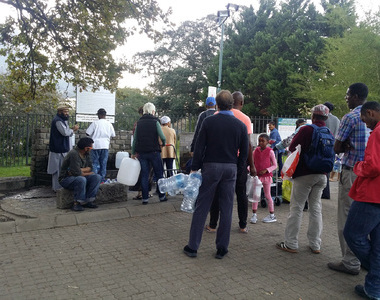
The University of Cape Town is an internationally renowned hub for climate change research and training. Our work is a strategic response to urgent knowledge and capacity needs on the African continent – climate change impacts have severe implications for economic and social development, and Africa is particularly vulnerable. Greater expertise is needed to understand the challenges and to design, evaluate and sustain solutions. Engaged research can help society innovate and support effective climate policies and strategies.
This series of articles shows how UCT researchers are working with governments, civil society and the private sector to co-produce knowledge that is impactful, moving us towards a more resilient African society.